Topic
Organizational category for historical articles
Soothing the City with Soul: How James Brown Saved Boston While the rest of the country erupted in grief fueled riots in the days after the death of Martin Luther King Jr., Boston was quiet. The “Number One Soul Brother” James Brown had an almost sold out performance scheduled in the Boston Garden. Should it…
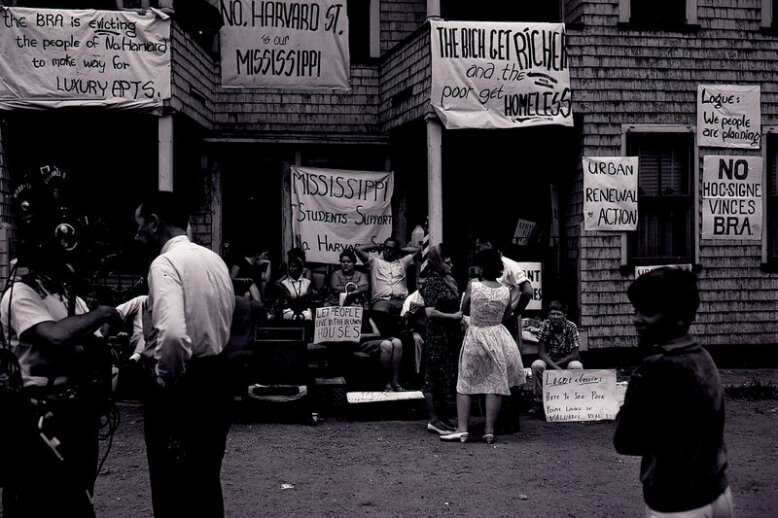
When Barry’s Corner Said, ‘To Hell With Urban Renewal!’ After learning from the example of the West End, one of the neighborhoods who fought back against urban renewal was the tiny area of Lower Allston called Barry’s Corner. A beloved working class area, Barry’s Corner residents did their best to push back against the specter…
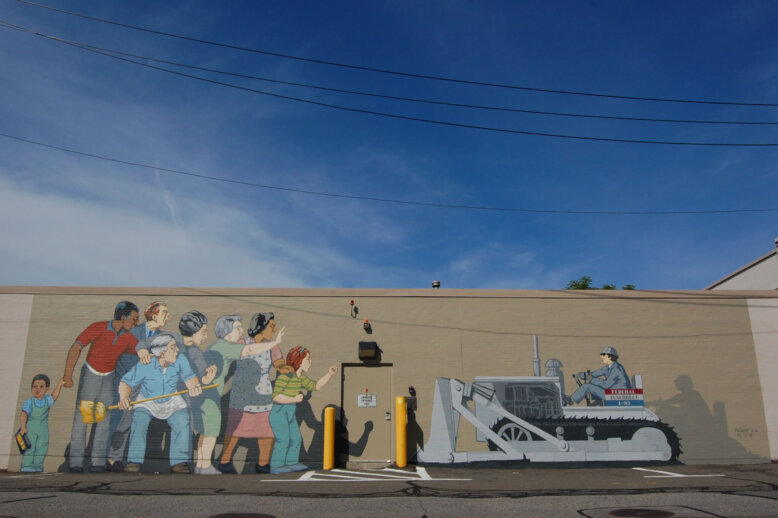
The Inner Belt: The Highway Massachusetts Didn’t Build Modern Boston has been shaped by its finished highway projects: the Central Artery, the Southeast Expressway, the Big Dig. But just as key to the character of the city today is a highway that was NOT built: the Inner Belt. This article explores how people fought to…
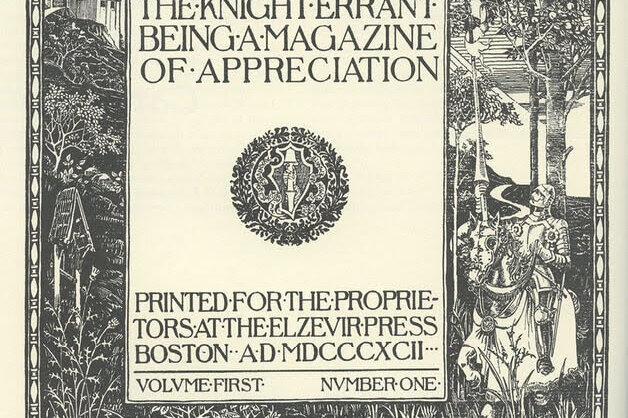
The Visionists were a group of bohemian writers, artists, and architects based primarily along Pinckney Street on the North Slope of Beacon Hill. Modeling their work after the arts and crafts movement, theosophy, and aestheticism. The short lived group left a mark on photography, the fine press, and Boston’s bohemian arts scene.
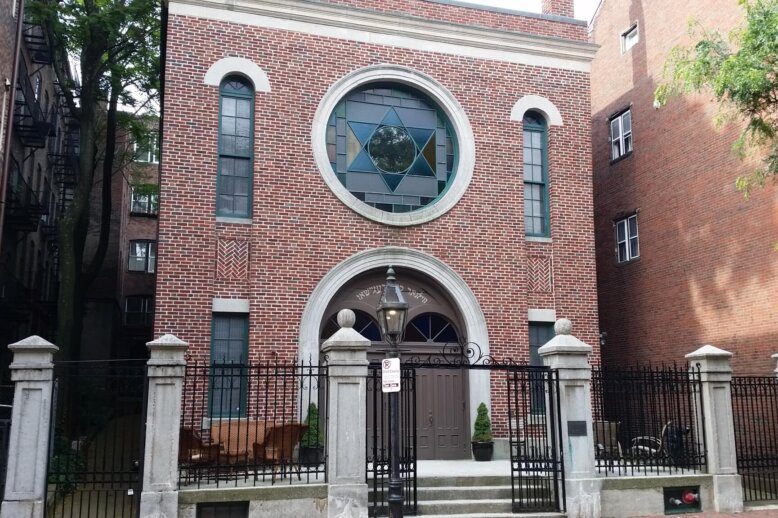
The Vilna Shul: The Last Immigrant-Era Synagogue in Boston The Vilna Shul is the last remaining immigrant era synagogue in Boston, now serving as the Jewish cultural hub of Boston. Built to serve Jewish immigrants from the Vilnius (Vilna) community, the shul has stood for over 100 years. It contains important examples of Jewish folk…
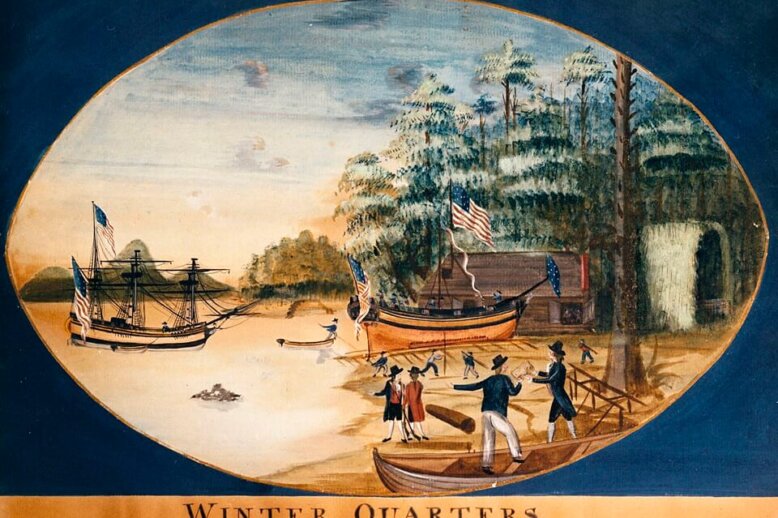
The Columbia Rediviva: The Boston Ship that Sailed the Globe, Twice The ship known as the Columbia Rediviva was among the maritime pioneers that can trace their origins to Boston. Having sailed around the world, not once but twice, to participate in the fur and China trades, the ship accomplished several firsts. The ship’s adventures…
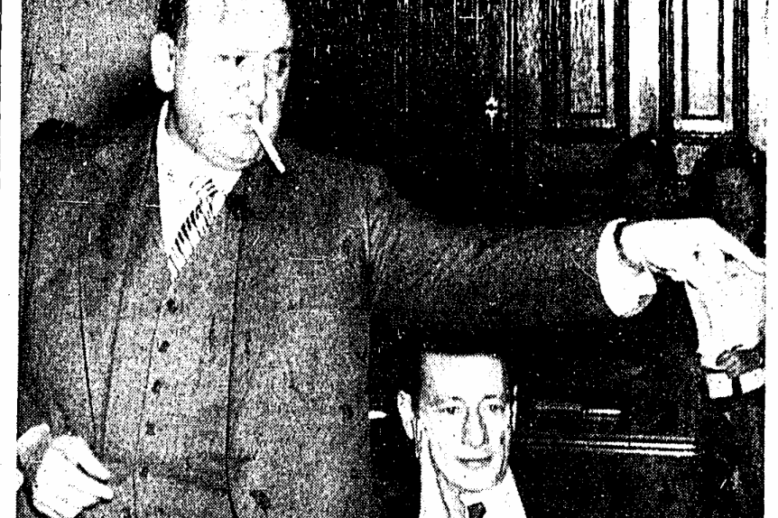
Kane Simonian The distinct name of Kane Simonian belonged to the man who either controlled or influenced Boston’s urban development for over 40 years. He managed the city’s first federally funded urban renewal projects under the Boston Housing Authority. In 1957, he became the first director of the Boston Redevelopment Authority. Simonian’s long, tumultuous, and…
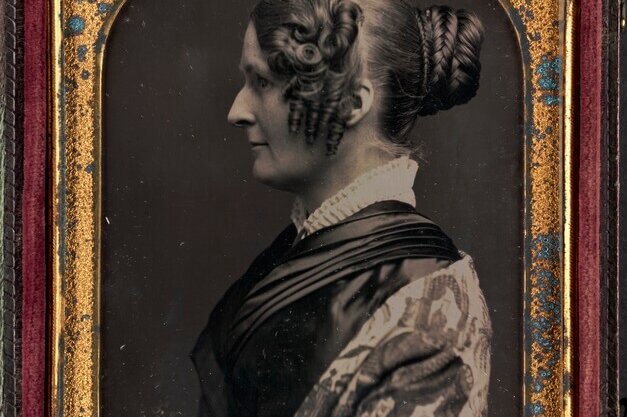
Maria Weston Chapman The Boston-based anti-slavery activist, Maria Weston Chapman (1806-1885), was a leading voice in the abolitionist cause and an advocate for women’s participation. As both a dedicated abolitionist and family woman, “Captain” Chapman as she was known, pushed hard for what she believed in. As a founding member of the Boston Female Anti-Slavery…