Era: West Boston(~1780-1880)
Black Community on Beacon Hill, Brahmins on the flat
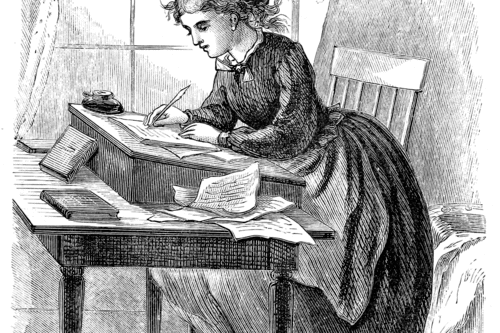
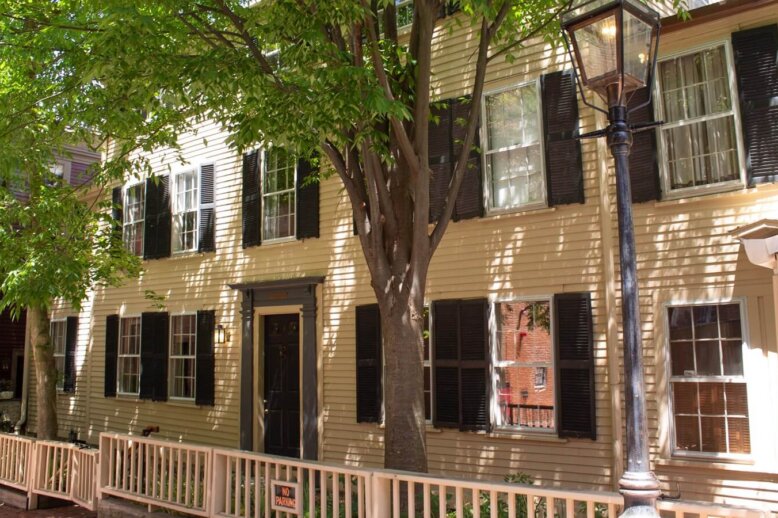
The author of Little Women, Louisa May Alcott, spent time in her youth writing from her third story bedroom in a rented house on Pinckney Street. Her literary career began with rejection, persistence, and eventual success in the West End. Her legacy remains tied to the neighborhood into the present.
Hammatt Billings: Architect and Illustrator of Abolition When he died in 1874 at the age of 56, Hammatt Billings was described as, “one of the best known of his profession in the country.” His name was a “household word where art was appreciated.” He was an architect, illustrator, designer, sculptor, and painter whose illustrations helped…
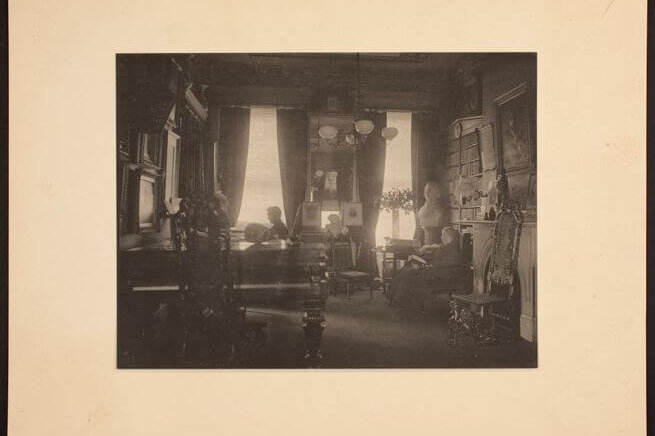
Annie Adams Fields and Sarah Orne Jewett: A Boston Marriage on Charles Street Annie Adams Fields (1834 –1915) and Sarah Orne Jewett (1849 – 1909) shared a long and intimate relationship across several decades. Living together on Charles Street in the West End and traveling together to Manchester-By-The-Sea and around the world, the women formed…
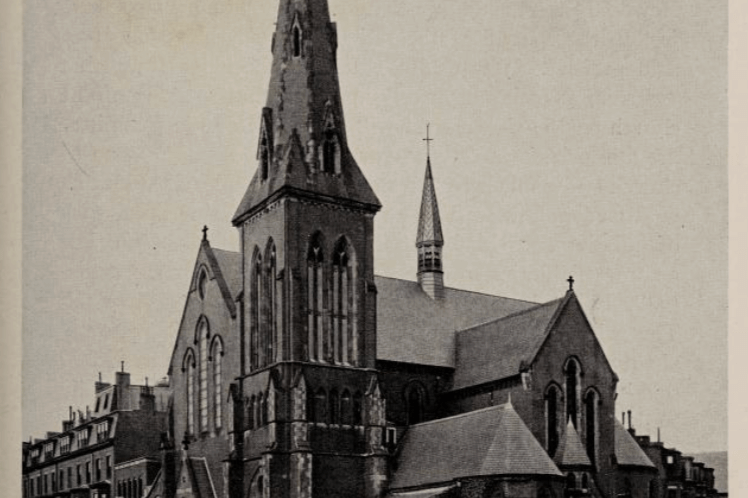
The Church of the Advent on Brimmer Street The Church of the Advent, now located on Brimmer Street on the flats of Beacon Hill, traveled across the West End during its almost 200 year history. A leader in the Anglo-Catholic church tradition in the United States, the congregation began with the idea that regardless of…
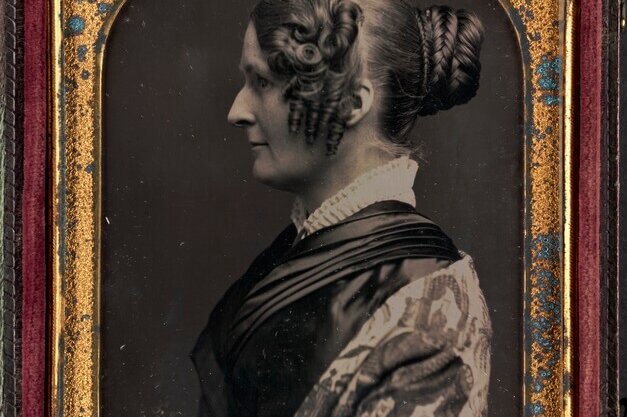
Maria Weston Chapman The Boston-based anti-slavery activist, Maria Weston Chapman (1806-1885), was a leading voice in the abolitionist cause and an advocate for women’s participation. As both a dedicated abolitionist and family woman, “Captain” Chapman as she was known, pushed hard for what she believed in. As a founding member of the Boston Female Anti-Slavery…
The Yellow House at 3 Smith Court One of the few remaining wooden structures on Beacon Hill, the long and narrow house at 3 Smith Court now stands opposite to the Museum of African American History. Over two centuries, the house has been the home to titans of the abolition movement and witnessed a constantly…
The Omnibus: Boston’s First Horse-Powered Public Transit System Boston established its first form of urban public transit—a large horse-drawn carriage known as the omnibus – in 1833. The omnibus was an early step in the creation of Boston’s public transportation system. With lines crossing the West End, and a hub on Brattle Street, the omnibus…
“The Opera Ejection Case”: Sarah Parker Remond, The Old Howard, and Segregation in Antebellum Boston When abolitionist and early civil rights advocate Sarah Parker Remond (1824-1894) was kicked out of an opera at the Howard Athenaeum due to her race, she went to the courts seeking justice. Her case brought issues of segregation and discrimination…