Topic: Schools & Education
Schools, students, teachers, education, educational journeys
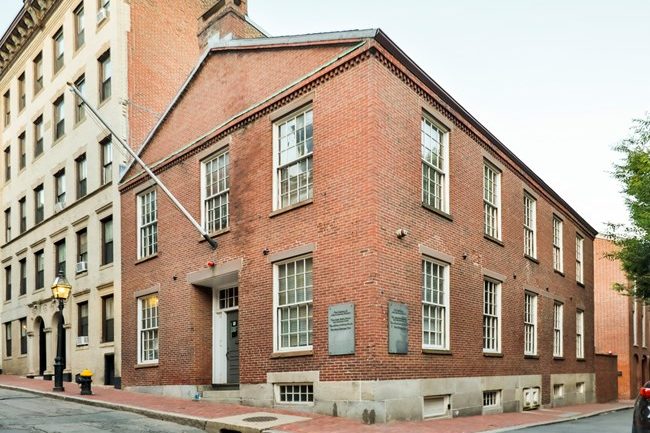
At the age of five, Sarah Roberts was at the center of a lawsuit against racially segregated public schools in Boston in 1847. Roberts, a Black girl, was denied the equal right to attend the public school of her choice, forced instead to walk past five public schools to the Black-only Abiel Smith School in the old West End.
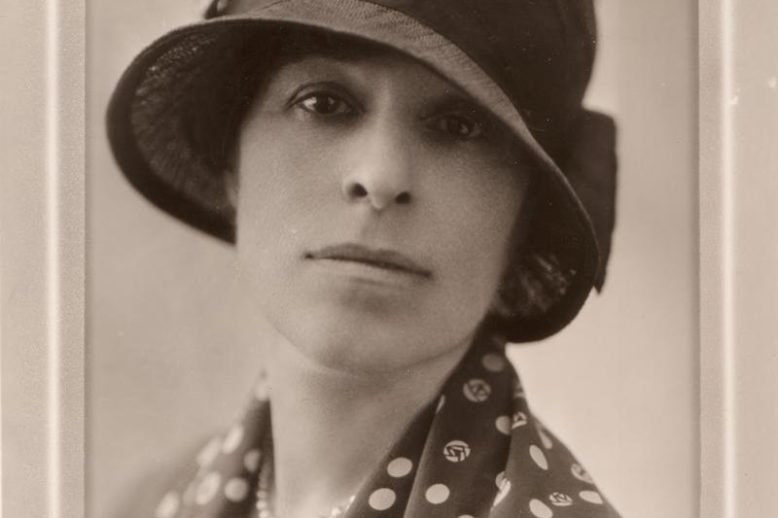
Eva Whiting White was Director of the Elizabeth Peabody House for nearly 3 decades from 1922 to 1950.
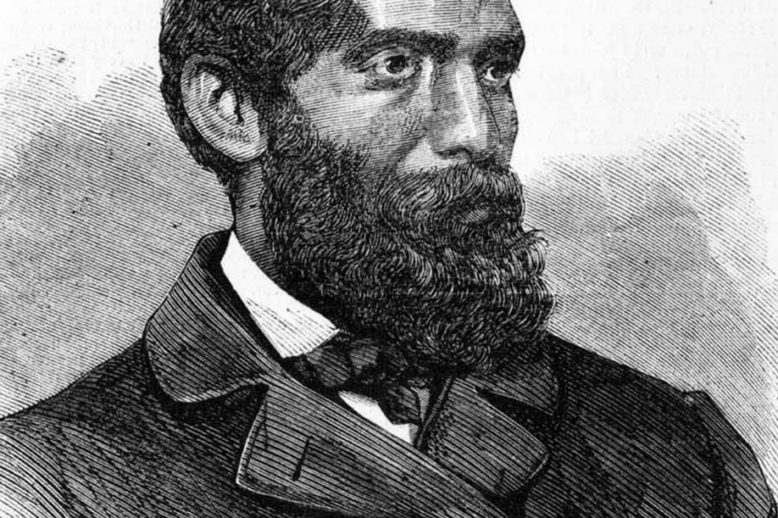
John S. Rock was an accomplished Black dentist, doctor, lawyer, and abolitionist lecturer who resided on the north slope of Beacon Hill shortly before and during the Civil War.
Elizabeth Peabody was a teacher, publisher, and writer, who introduced kindergarten in the United States on Pickney Street.
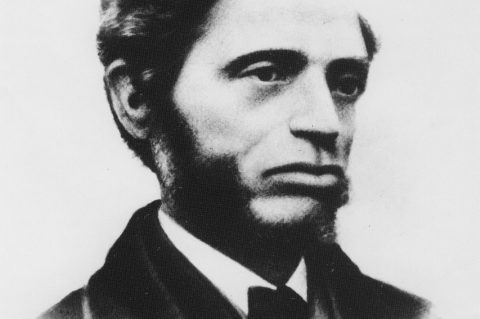
William Cooper Nell, the United States’ first Black historian, was an intellectual and abolitionist who became an integral part of The Liberator’s staff and advocate for Black rights. He was also the first Black person to serve in the federal civil service, and was deeply involved in desegregating Boston schools.
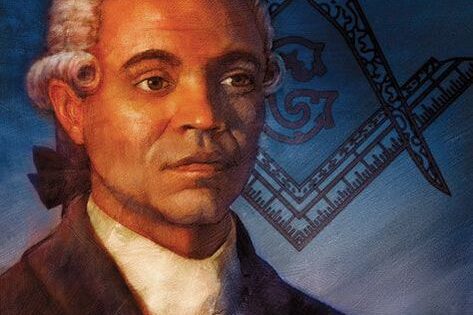
Prince Hall was a leader in Boston’s free black community on the North Slope and Copp’s Hill. He was one of the United States’ most vocal early abolitionist voices and a founder of Prince Hall Freemasonry. Hall advocated for black education and equality, running a school and making a wide array of arguments in service of bringing the fundamental promises of the Revolution to all Americans.
Primus Hall was an abolitionist, soldier, school master, and leader in Boston’s post-colonial period.