Topic: Politics & Law
Politics, politicians, political clubs, laws, lawyers, courts, jurisprudence, criminals, crime, law enforcement, jails
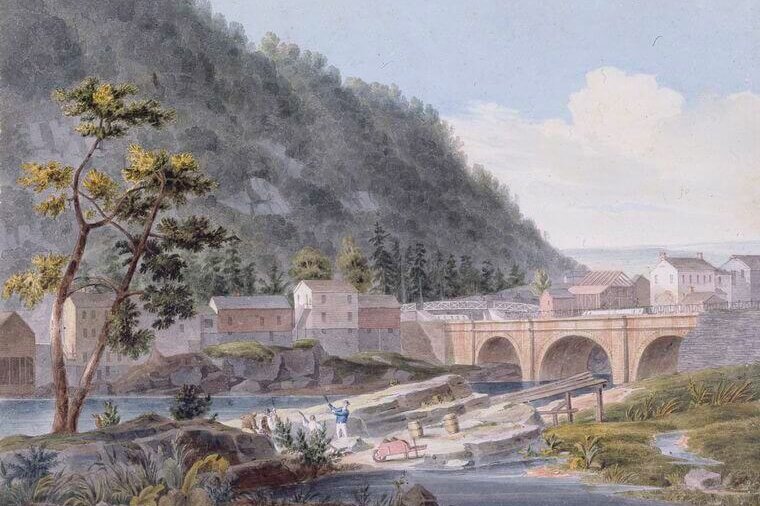
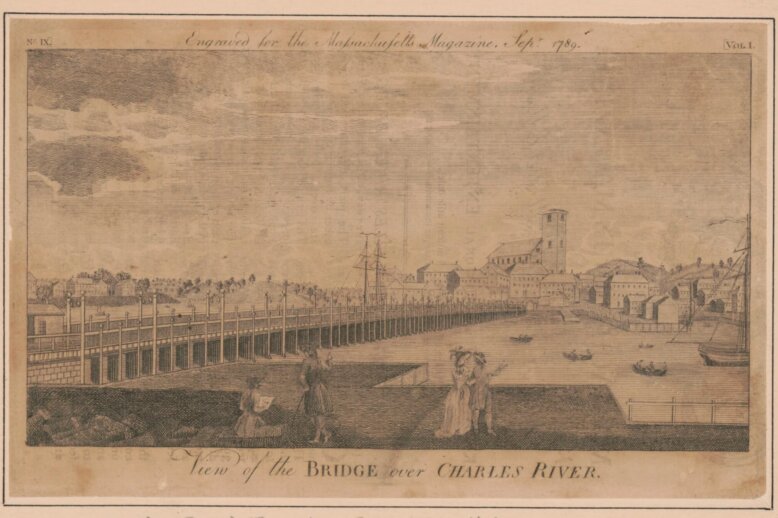
In the Early Republic period, the newly independent Commonwealth of Massachusetts allowed private mill owners, turnpike corporations, and landlocked landholders to use eminent domain to kickstart industrial development. Mills, canals, and roads were important to the development of the industrial revolution and eminent domain proved to be the best tool to make them possible.
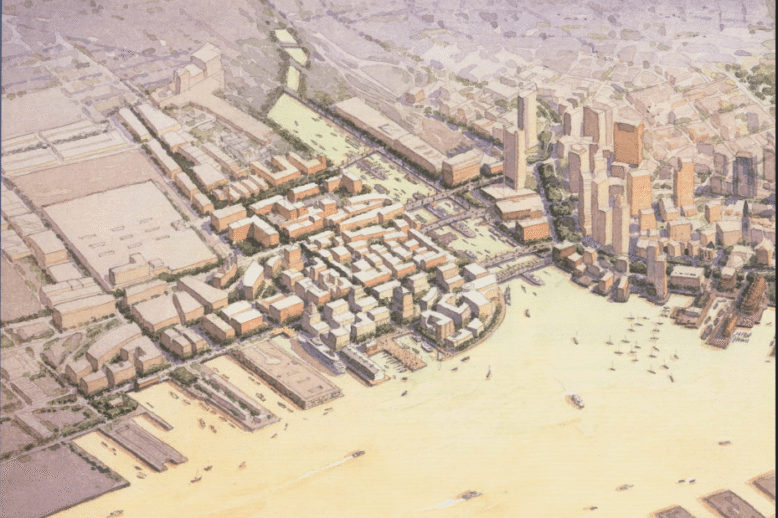
Rebranded as an “Innovation District” and filled with new glass and steel towers, the Seaport has become a financial asset to the city. Yet, the neighborhood is highly racially and economically segregated. And what happens when sea level rise puts Boston’s most expensive neighborhood underwater?
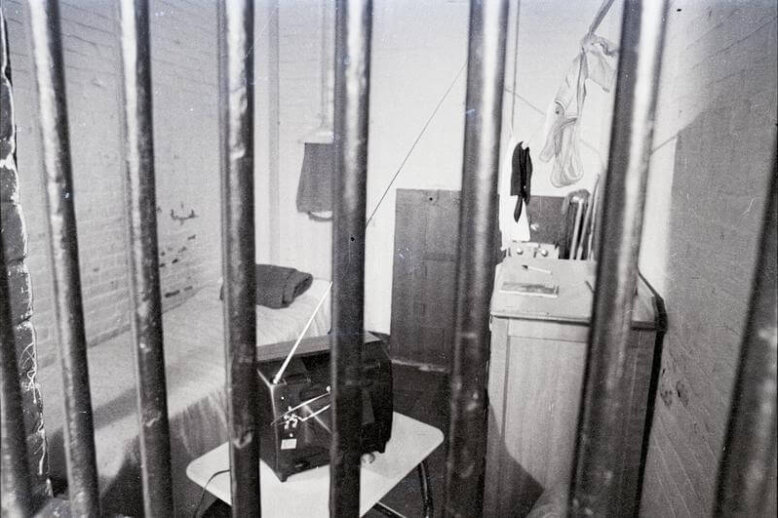
The West Enders Who’d Rather Not Be Here: The Past and Present of Jails in the West End Join the WEM volunteer Brendan Kent on a guided tour of the jails of the West End through the past four centuries. From the original Boston Gaol to the modern Nashua Street Jail, the West End has…
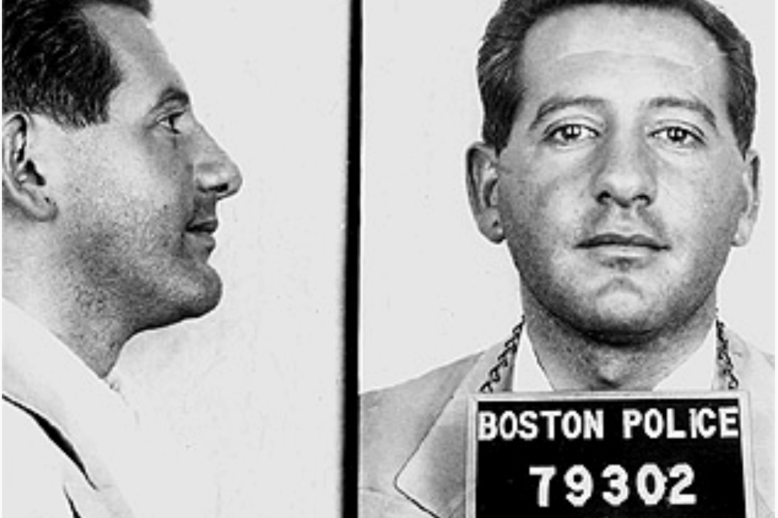
Behind Closed Doors: Illegal Gambling at 11 Irving Street In August of 1949, Boston Police raided an apartment at 11 Irving Street. Inside they found evidence of illegal gambling connected to a nationwide baseball betting racket. This raid and the coverage it received in the Boston Globe offers a glimpse into how illegal enterprises existed…
The Brief Reign of Daniel A. Whelton, Mayor of Boston On September 14, 1905, Bostonians were shocked by the sudden death of their mayor, Patrick Collins. Collins died from an acute attack of gastritis at the Homestead Hotel in Hot Springs, Virginia, where he had been recuperating “from the cares and toils of office.” Under…
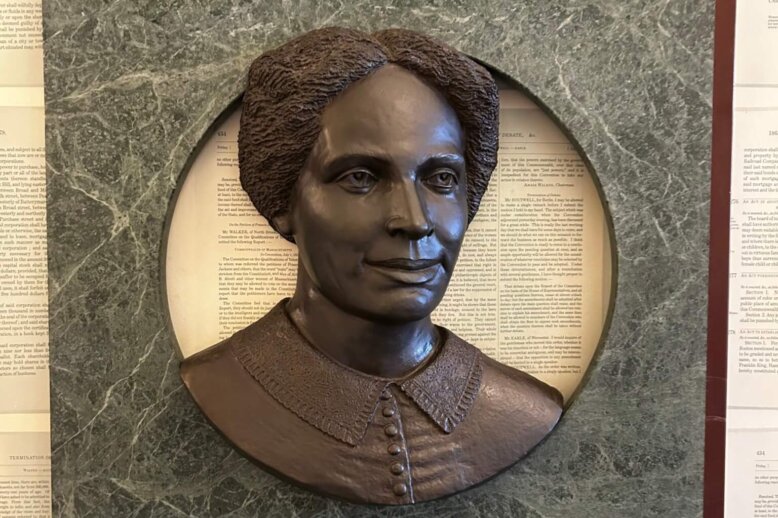
“The Opera Ejection Case”: Sarah Parker Remond, The Old Howard, and Segregation in Antebellum Boston When abolitionist and early civil rights advocate Sarah Parker Remond (1824-1894) was kicked out of an opera at the Howard Athenaeum due to her race, she went to the courts seeking justice. Her case brought issues of segregation and discrimination…
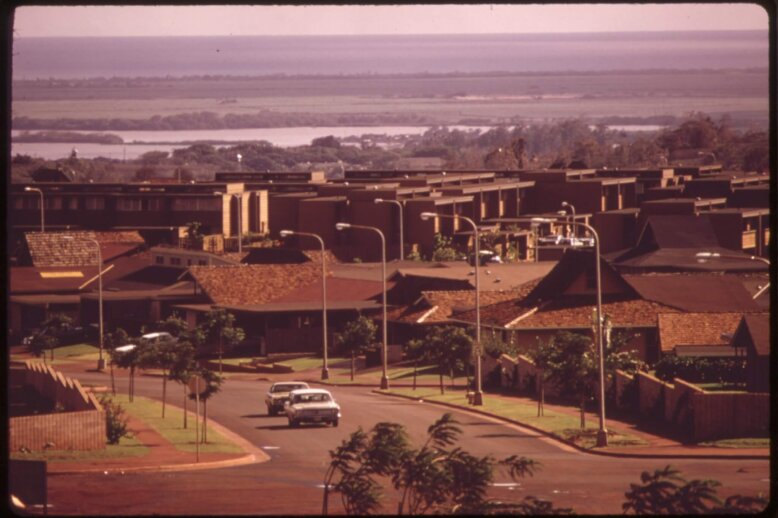
Eminent domain is the right of the state to seize the private property of an individual for a public purpose with just compensation. The third and final article in this series explores the Supreme Court decisions that influenced eminent domain policy from the mid twentieth-century to the present.
Eminent Domain Part 2: Use in Early America Eminent domain is the right of the state to seize the private property of an individual for a public purpose with just compensation. This is the second article in a series of three. This article will discuss the use of eminent domain in the early decades of…