Chinese Laundries in the West End
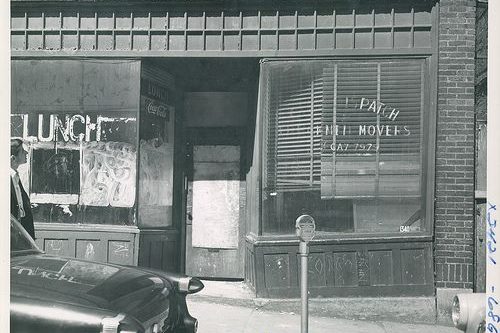
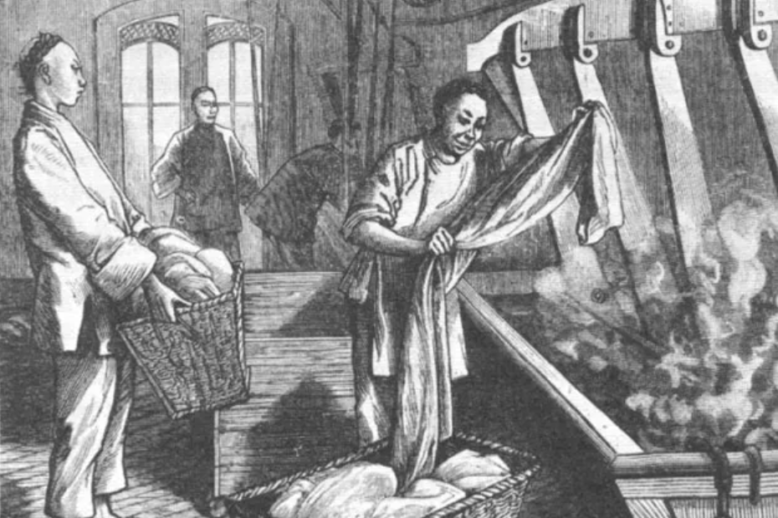
Chinese immigrants owned and operated laundries in the West End during the nineteenth and early twentieth centuries, an under-emphasized aspect of the historic neighborhood’s multi-racial and multi-ethnic diversity.


Topic: Immigration
Immigration to the United States, first generation immigrant experiences
Chinese immigrants owned and operated laundries in the West End during the nineteenth and early twentieth centuries, an under-emphasized aspect of the historic neighborhood’s multi-racial and multi-ethnic diversity.
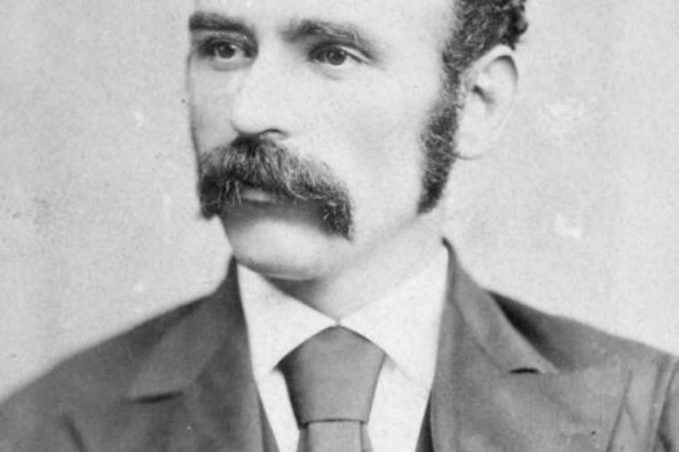
The West End branch of the Land League made political and financial contributions to the original Land League in Ireland, an organization of tenant farmers and Irish nationalists that resisted high rents and evictions in the 1880s.
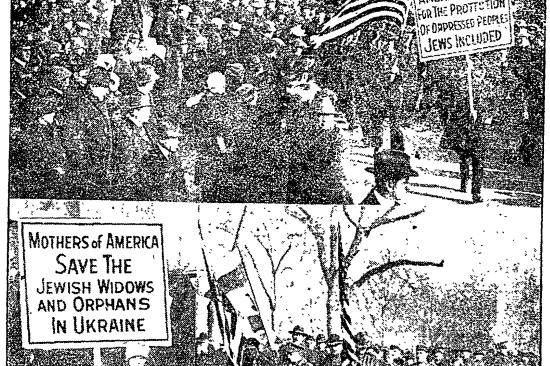
Far from their country of origin, Ukrainian immigrants and their descendants in the West End maintained connections and advocated for justice in their mother country.
One of the West End’s most prominent settlement houses, the EPH served as a community center, education space, and more for more than half a century in the West End, and continues its work today in Somerville.
Two Italian-American West Enders fought for their legal right to live in the United States during the 1950s, with varying degrees of success. These cases reveal how the “immigrant era” of the West End continued after the 1920s, the traditional ending of that period.
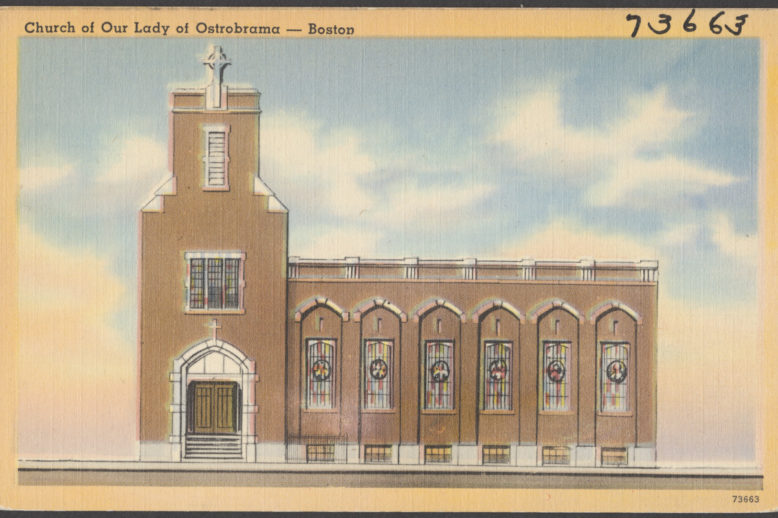
Our Lady of Ostrobrama, the Polish Catholic Church on Chambers St. in the West End, was founded in 1920 and demolished in 1958 on account of the Boston Redevelopment Authority’s urban renewal plan.
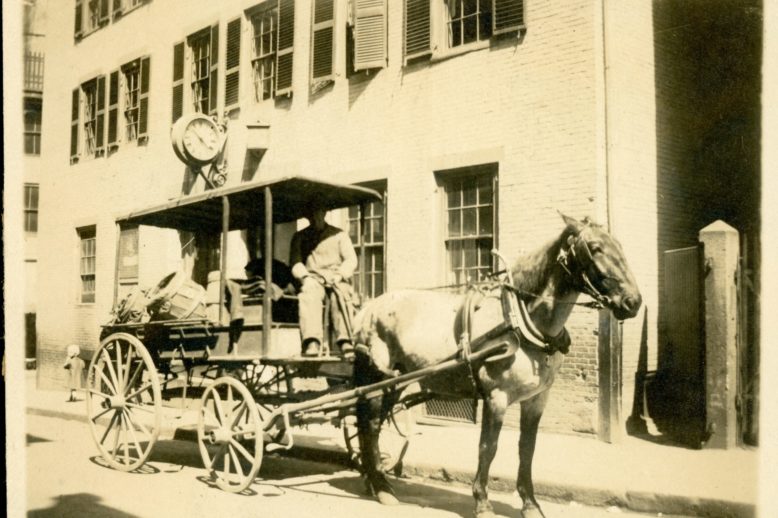
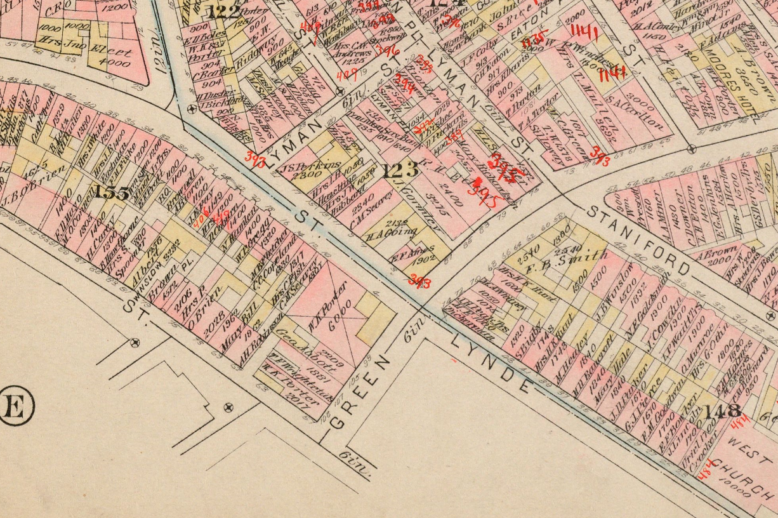
William K. Porter was an old West Ender who had made millions in real estate by the early twentieth century. Although Porter and his family moved to Commonwealth Avenue in 1906, he continued to manage a livery stable and all of his properties in the West End.