History
Organizational category for all historical articles
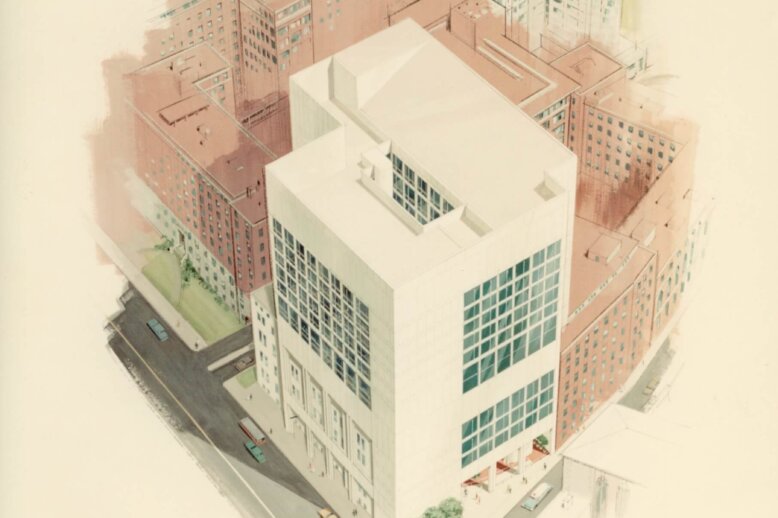
Founded in 1824 as the Boston Eye Infirmary, Mass Eye and Ear has a 200-year history of caring for Boston’s residents. It provided early opportunities for women in the medical profession. The institution helped to transform specialized medicine into a public service available to all.
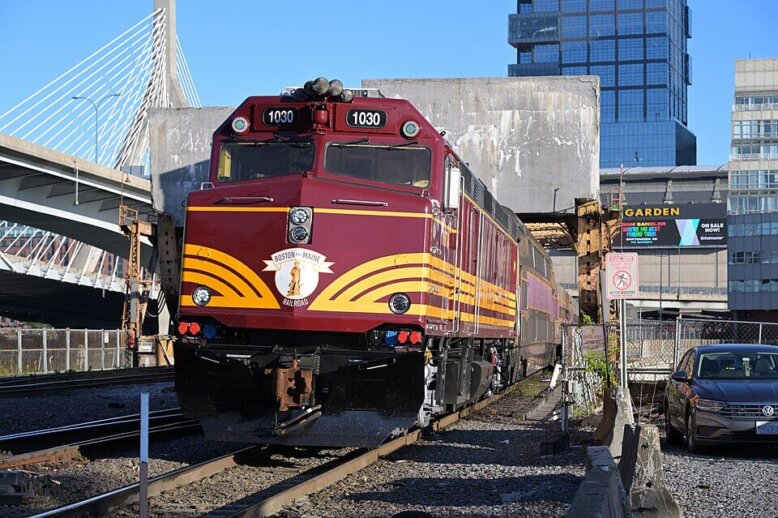
Trains to Planes: How the Boston & Maine Became Pan Am The Boston & Maine Rail Road was a major institution in the West End as it transported people and goods around New England. Yet as the rail industry evolved and faced new challenges the B&M struggled financially. Eventually, bankruptcies and acquisitions led to trains…
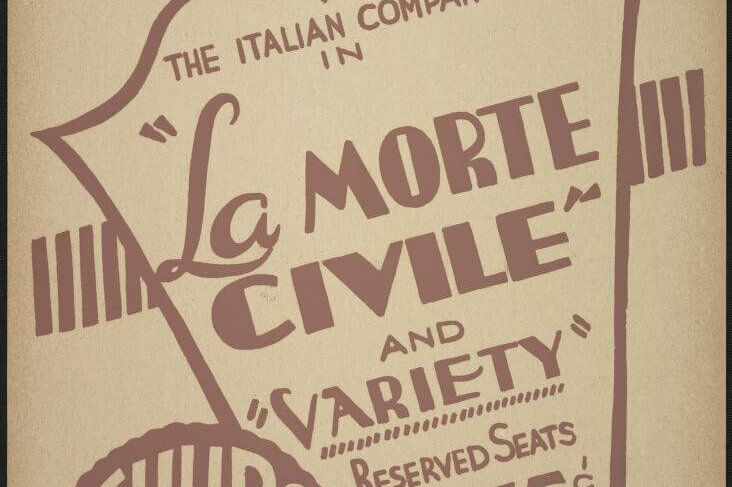
Theatre, Community, and the Augusta Fraternal Association During the Great Depression During the Great Depression, an unusual collaboration between immigrant mutual aid groups, the federal government, and the arts came together on a Boston stage. The Federal Theater Project raised funds for the Augusta Fraternal Association in a one night only performance. Explore this snapshot…
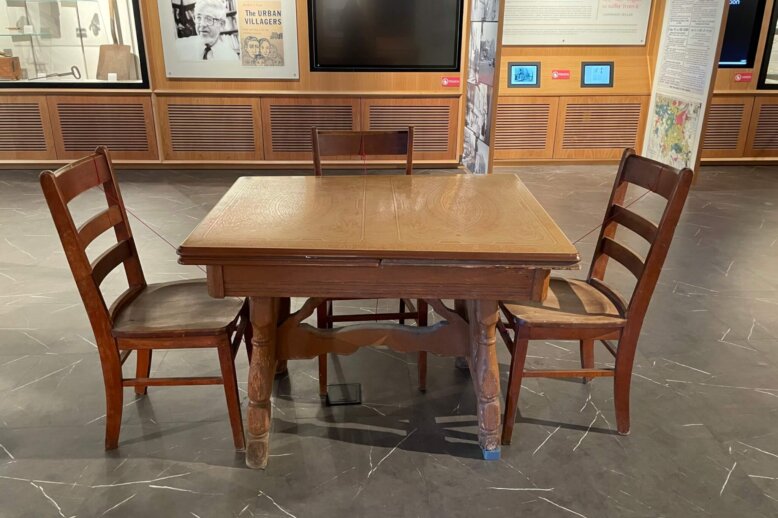
Explore the central role of the kitchen table to immigrant families living in the old West End’s tenement housing through the Campano family’s enamel top-table.
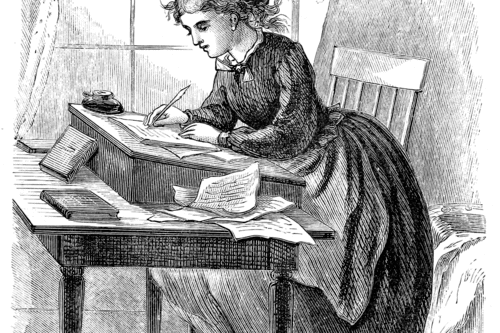
The author of Little Women, Louisa May Alcott, spent time in her youth writing from her third story bedroom in a rented house on Pinckney Street. Her literary career began with rejection, persistence, and eventual success in the West End. Her legacy remains tied to the neighborhood into the present.
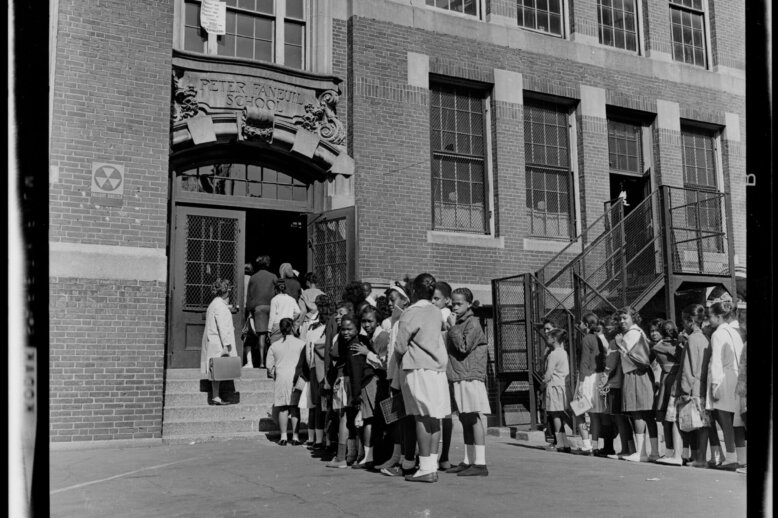
Built in 1910 to relieve over-crowding in West End Schools, the Peter Faneuil School would go on to be the final West End School operating after urban renewal destroyed the rest of the neighborhood. It was the first school in Boston to attempt intra-city busing and later hosted an experimental school integration program.
This is the second in a series on Schools of the Old West End.
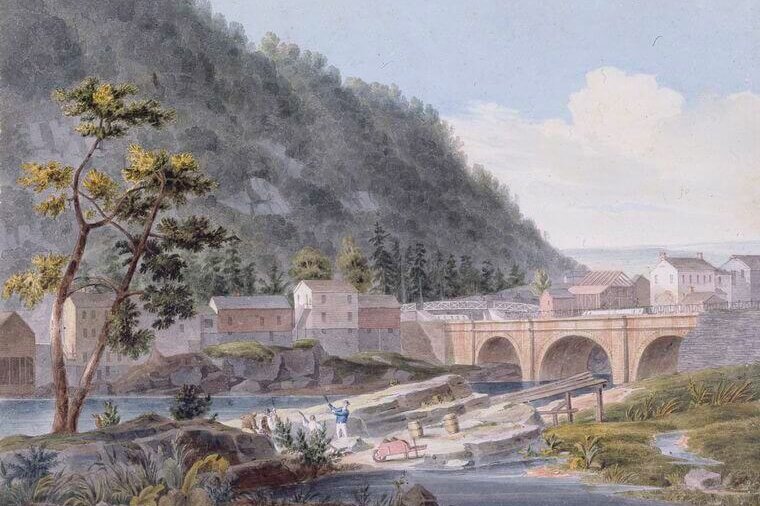
In the Early Republic period, the newly independent Commonwealth of Massachusetts allowed private mill owners, turnpike corporations, and landlocked landholders to use eminent domain to kickstart industrial development. Mills, canals, and roads were important to the development of the industrial revolution and eminent domain proved to be the best tool to make them possible.
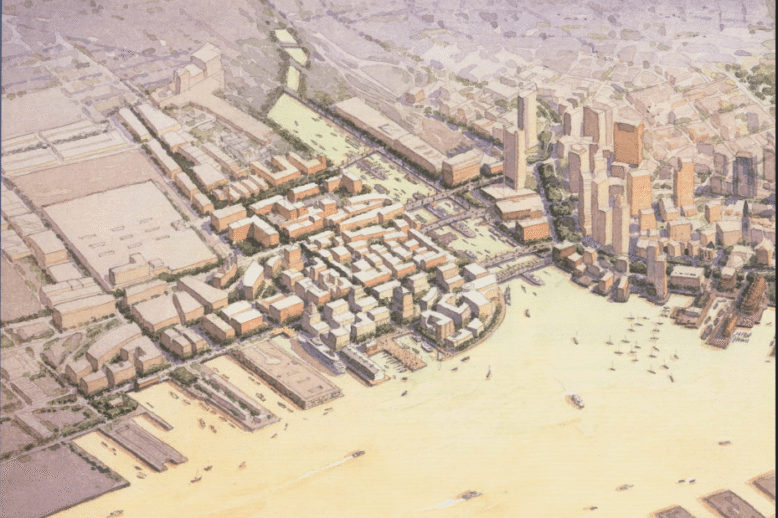
Rebranded as an “Innovation District” and filled with new glass and steel towers, the Seaport has become a financial asset to the city. Yet, the neighborhood is highly racially and economically segregated. And what happens when sea level rise puts Boston’s most expensive neighborhood underwater?