Era: Modern (~1995-present)
The West End today
A Restaurant Tour of the Modern West End The West End of Boston might be smaller than other neighborhoods, but its food culture still packs a punch. Across the present-day and historic areas of the neighborhood, foodies can find fine dining, quick bites, family owned-restaurants, and relics of the old days of the West End.…
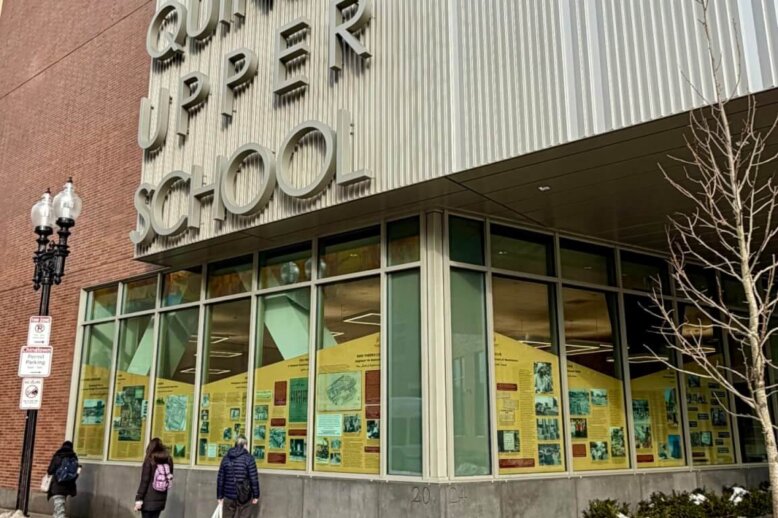
Reclaiming History in Three Boston Neighborhoods: Sharing Memories of Chinatown, Little Syria, and New York Streets Reclaiming History: A Journey Through Three Neighborhoods explores the histories and community life of Chinatown, Little Syria, and the New York Streets before urban renewal, and the different fates of each post urban renewal. Window clings, a display case,…
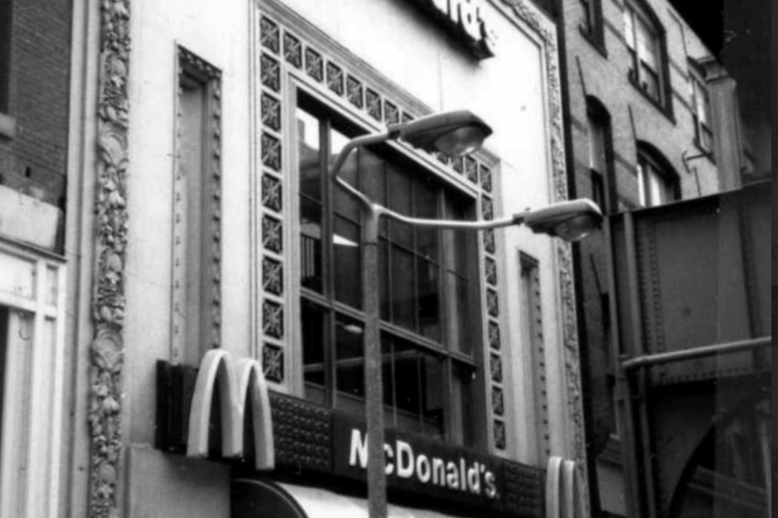
123 Causeway Street and the Waldorf Cafeteria Craze On the odd-numbered side of Causeway Street, between the Santander Bank and Halftime King of Pizza, sits a building that looks out of place. Its street level is adorned with an unmarked door flanked by McDonald’s ads. The second story is dominated by a large, uniquely framed…
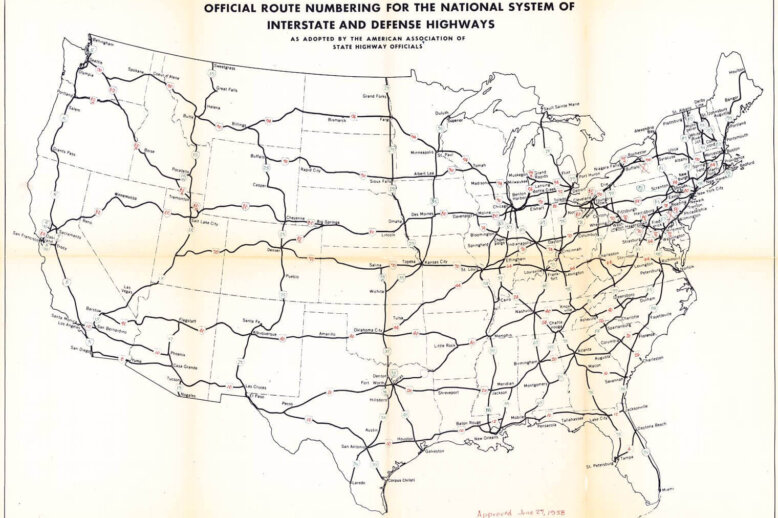
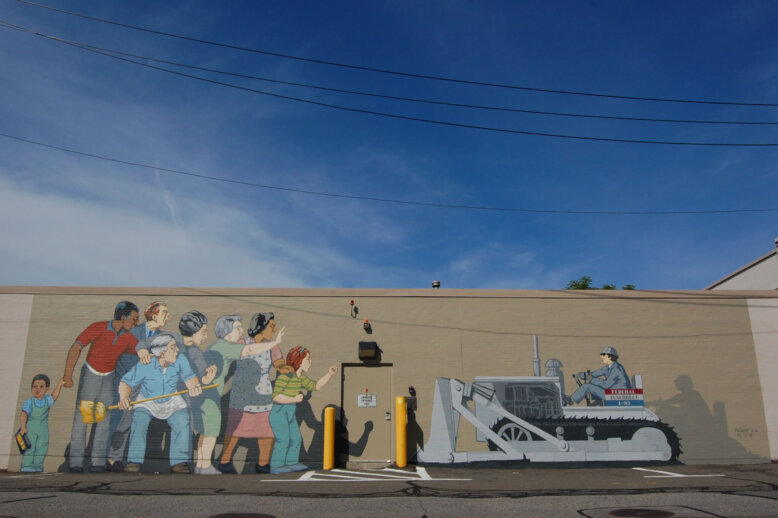
Urban Renewal, Highways, and the West End: The Federal-Aid Highway Act at 70 The 1956 federal act which created the modern Interstate Highway System turns 70 this year. Highway construction, like urban renewal, disproportionately affected low income and minority communities. However, highways have not always seen the same criticism as urban renewal. This article considers…
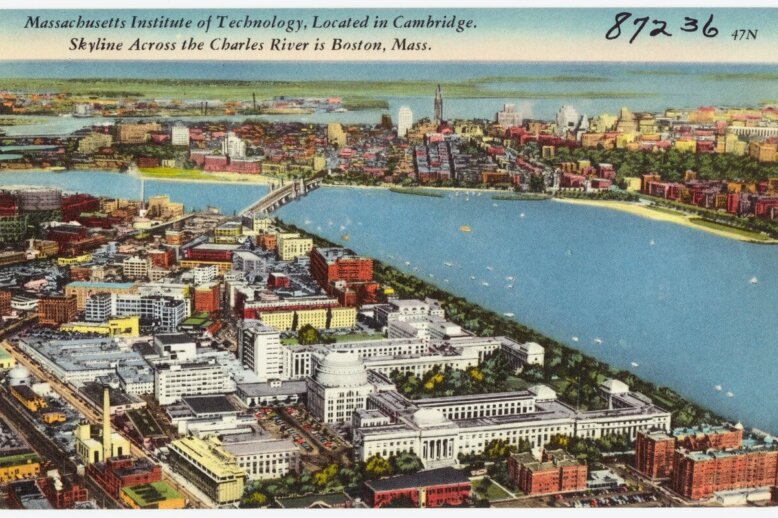
Kendall Square: Urban Renewal to the World’s “Most Innovative Square Mile” The West End’s neighbor across the Charles River, Kendall Square, was designated an urban renewal project area. However, as federal involvement evaporated in the late 1960s, plans for a NASA compound would have to change. MIT stepped in to fill the urban renewal void.…
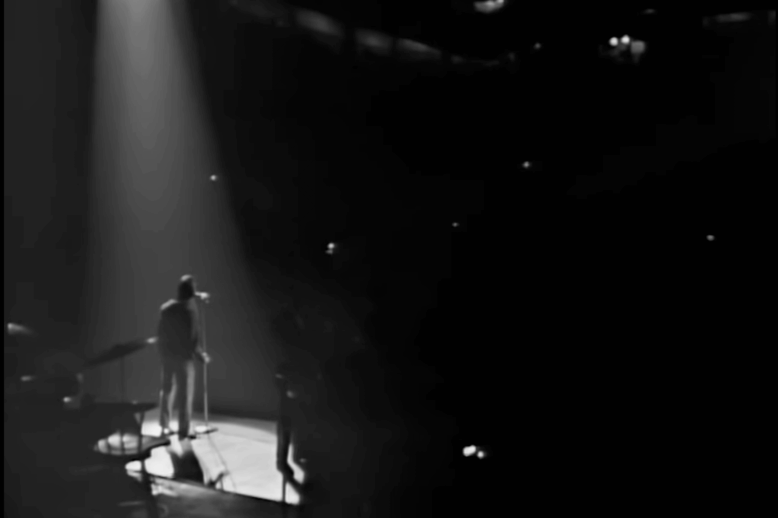
Soothing the City with Soul: How James Brown Saved Boston While the rest of the country erupted in grief fueled riots in the days after the death of Martin Luther King Jr., Boston was quiet. The “Number One Soul Brother” James Brown had an almost sold out performance scheduled in the Boston Garden. Should it…
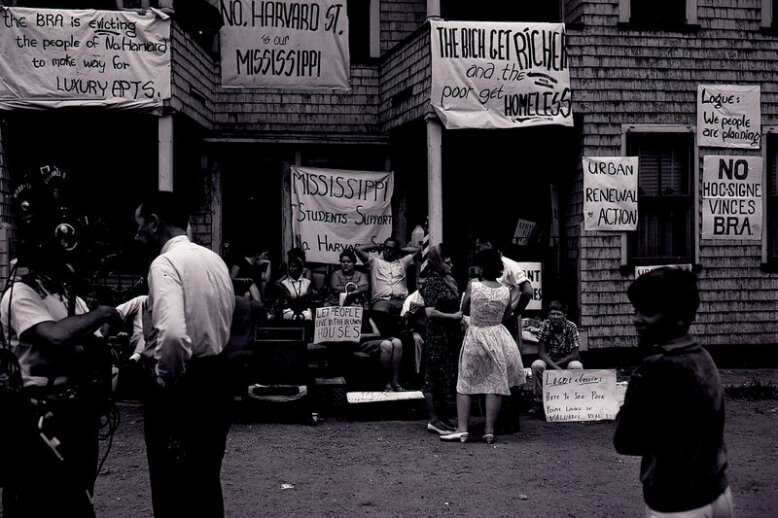
When Barry’s Corner Said, ‘To Hell With Urban Renewal!’ After learning from the example of the West End, one of the neighborhoods who fought back against urban renewal was the tiny area of Lower Allston called Barry’s Corner. A beloved working class area, Barry’s Corner residents did their best to push back against the specter…
The Inner Belt: The Highway Massachusetts Didn’t Build Modern Boston has been shaped by its finished highway projects: the Central Artery, the Southeast Expressway, the Big Dig. But just as key to the character of the city today is a highway that was NOT built: the Inner Belt. This article explores how people fought to…