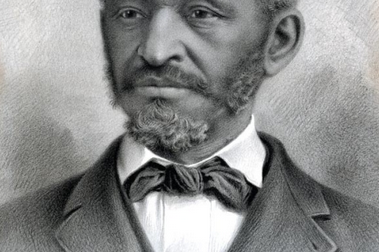
Lewis Hayden
Lewis Hayden was an escaped slave who became an active abolitionist and assisted many other escaping slaves through the underground railroad.


Era: West Boston(~1780-1880)
Black Community on Beacon Hill, Brahmins on the flat
Lewis Hayden was an escaped slave who became an active abolitionist and assisted many other escaping slaves through the underground railroad.
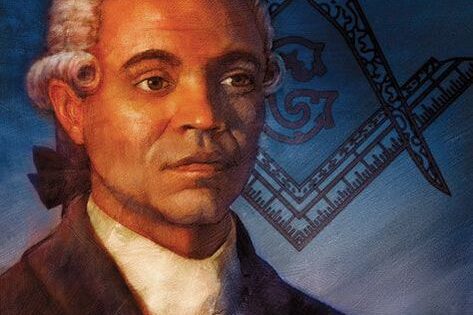
Prince Hall was a leader in Boston’s free black community on the North Slope and Copp’s Hill. He was one of the United States’ most vocal early abolitionist voices and a founder of Prince Hall Freemasonry. Hall advocated for black education and equality, running a school and making a wide array of arguments in service of bringing the fundamental promises of the Revolution to all Americans.
Primus Hall was an abolitionist, soldier, school master, and leader in Boston’s post-colonial period.
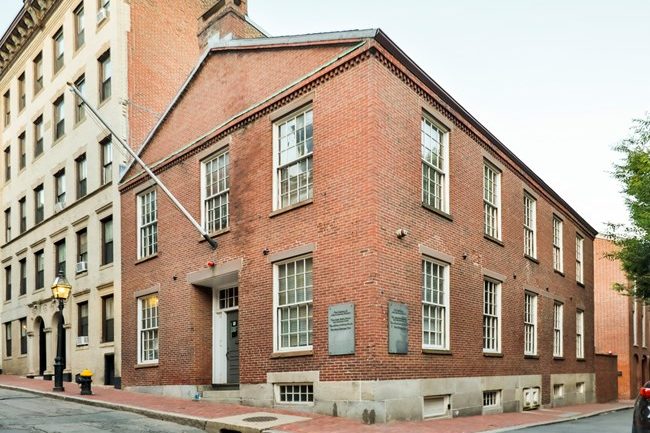
Don Pedro Gilbert, a nineteenth-century Spanish pirate who raided merchant ships in the Atlantic, was executed by hanging, in 1835, at the Leverett Street Jail in the West End. The West End Museum resides approximately where the Jail stood.
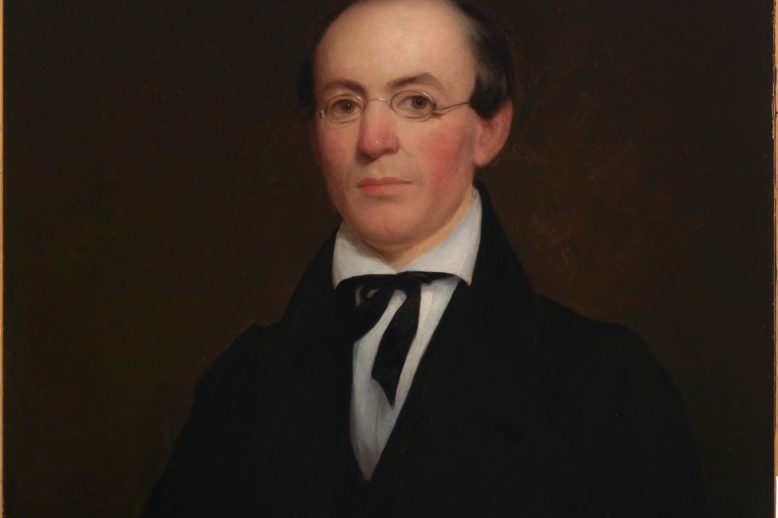
William Lloyd Garrison, one of the most prominent white abolitionists before the Civil War, published The Liberator and shaped the debates that guided the anti-slavery movement. Garrison was held at Leverett Street Jail in the old West End for his own safety during one harrowing case of mob violence.
John Brown’s raid on Harpers Ferry, intended to spark a violent uprising by enslaved people against their oppressors, was preceded by Brown’s efforts to acquire recruits and financial support. He received some assistance from abolitionist Lewis Hayden, who lived on the north slope of Beacon Hill with his wife, abolitionist Harriet Hayden.
Rebecca Lee Crumpler was the first African-American woman to receive an M.D. degree, overcoming the dual discrimination of racism and sexism. She briefly resided on Joy Street at the north slope of Beacon Hill.