Era: West Boston(~1780-1880)
Black Community on Beacon Hill, Brahmins on the flat
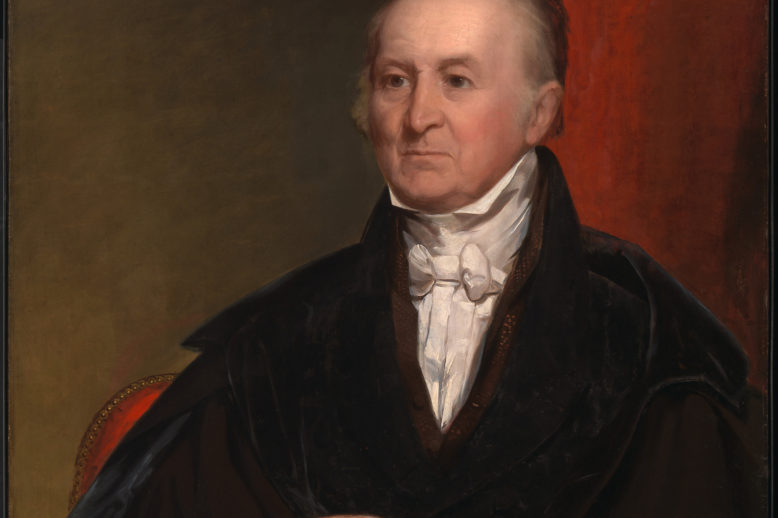
Harrison & Sally Otis Harrison Grey Otis was a major political and business figure in Boston during the Federalist Period. He is best known as a supporter of Charles Bulfinch, as Boston’s third mayor, and as a leader of the Hartford Convention. His wife, Sally, was a skilled socialite and hostess, who provided significant support for…
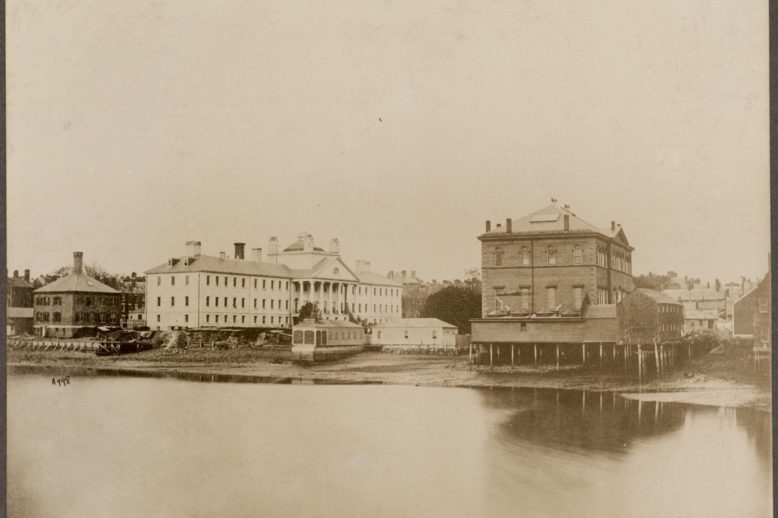
Massachusetts General Hospital was built in the early nineteenth century on four acres of land in the old West End called Prince’s Pasture. Many doctors and prominent citizens of Boston can be counted among its founders.
The West End Woman Suffrage League connected African-American leaders in the old West End to the larger movement for women’s suffrage in Boston, the rest of New England, and the country as a whole.
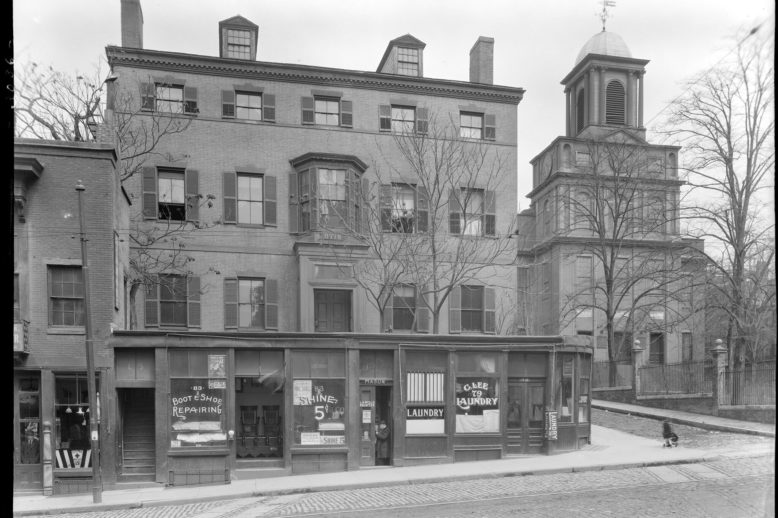
The Williams Sisters occupied the Otis House in the mid 19th century, operating the grand Bulfinch Mansion as a boarding house.
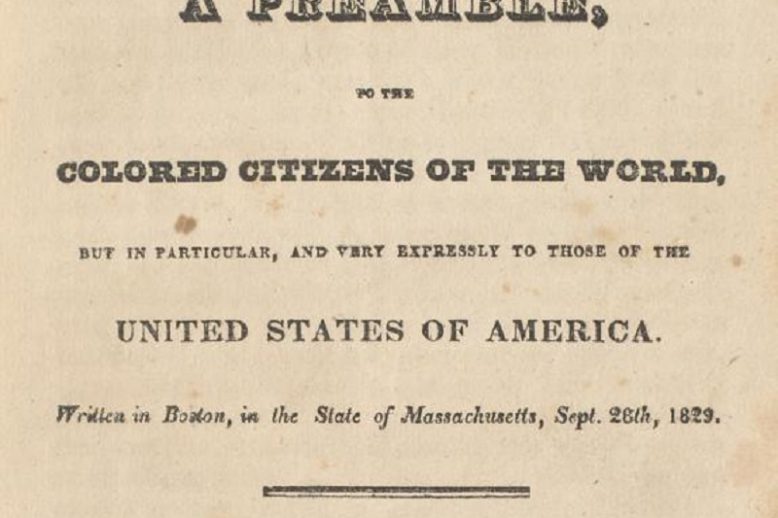
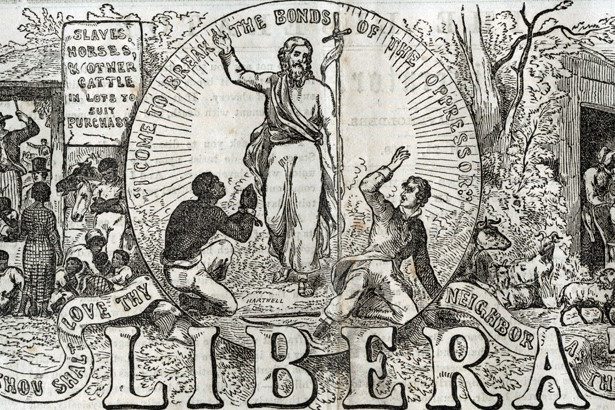
David Walker, an African-American abolitionist who lived on the north slope of Beacon Hill, published a prominent book of the anti-slavery movement after traveling to many parts of the United States.
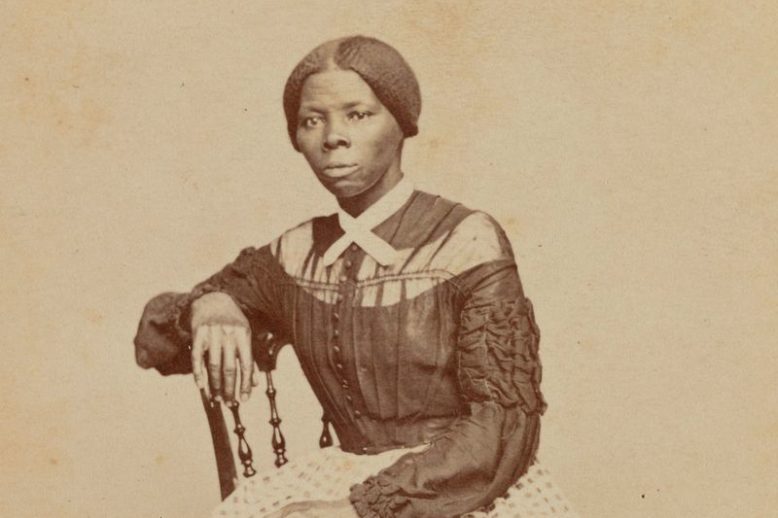
Harriet Tubman, a self-emancipated slave, remains the most famous and successful Underground Railroad conductor in United States history. She played an important role in Boston as an emancipator and activist for African Americans and women.
One of the first American women of any race to give a public address in the nineteenth century, Stewart was one of Boston’s prominent Black abolitionists who lived on the north slope of Beacon Hill in the 1830s.
Josephine St. Pierre Ruffin and George Ruffin were eminent African-American residents of the West End in the late nineteenth-century. Josephine’s newspaper, The Woman’s Era, was published from her home and instrumental to the founding of the National Association of Colored Women (NACW) in 1896. She was its first vice president.