Era: West Boston(~1780-1880)
Black Community on Beacon Hill, Brahmins on the flat
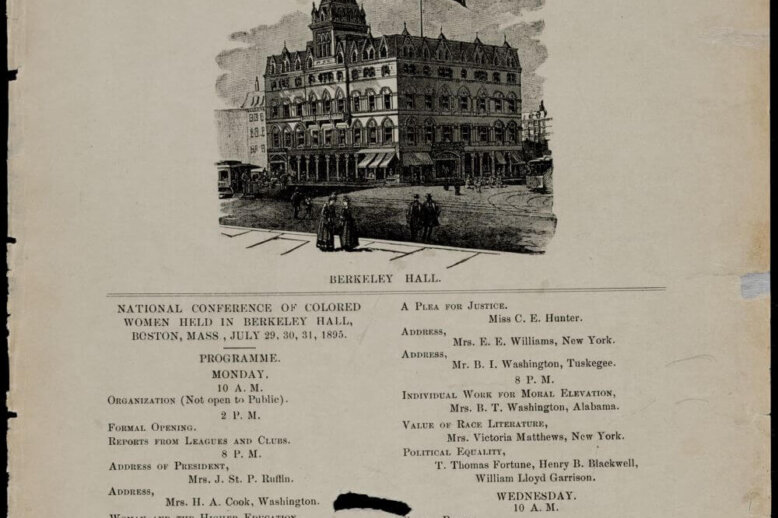
For Her Race or Her Sex? Josephine St. Pierre Ruffin, Women’s Suffrage, and Civil Rights Josephine St. Pierre Ruffin (1842 – 1924) was involved in the abolitionist cause, women’s suffrage, and the fight for equal rights for Black Americans. But due to the shifting politics of the women’s movement, Ruffin and other Black suffragists faced…
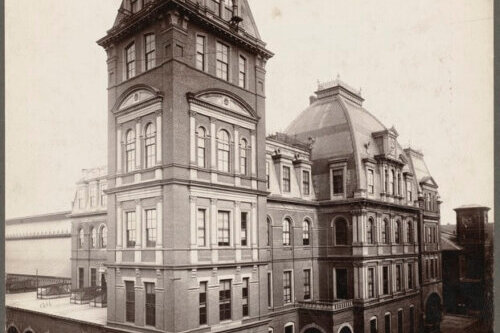
From Canal to Rail: The Birth of the Boston & Lowell Railroad The Boston and Lowell Railroad, New England’s first passenger train service, built its first Boston depot on Lowell Street in the West End. It would help replace the Middlesex Canal as the primary means to move people and goods in and out of…
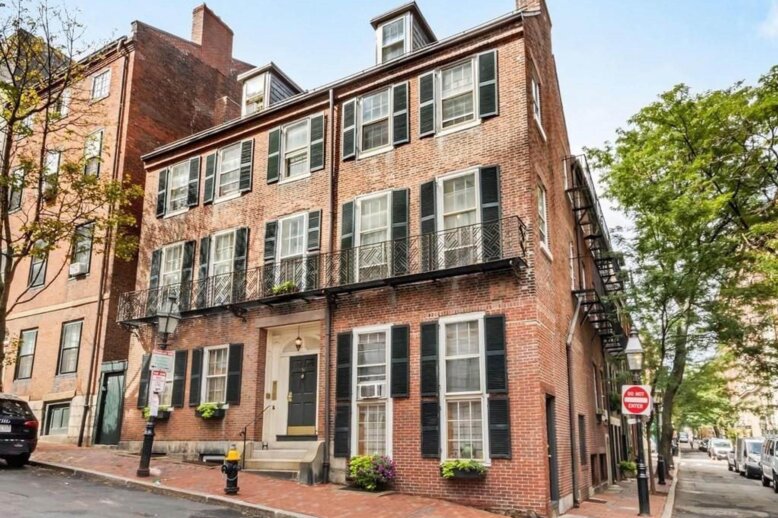
Salome Merritt: Suffragist and Doctor of Beacon Hill Salome Merritt MD (1843-1900) was a pioneering female doctor, suffragist, and activist who lived for several decades on Beacon Hill. Merritt was dedicated to improving the lives of her neighbors through scientific education, direct aid, and advocating for social and political change. A descendent of an old…
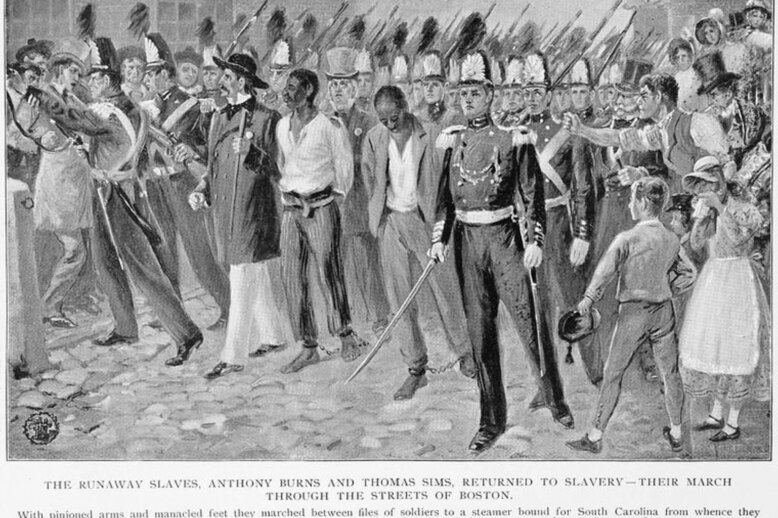
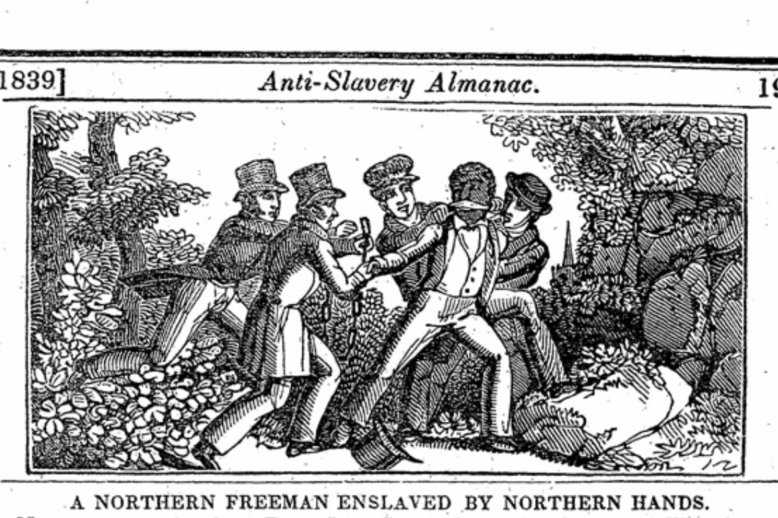
The Fugitive Slave Laws in Boston: Part 2, 1850–1855 This article, part 2 in a series on fugitive slaves in Boston, explores the new legislation passed during the lead up to the Civil War which expanded the reach of the fugitive slave law, and the reactions of Bostonians to slave catchers targeting residents. Part 2…
This article, part 1 in a two-part series, explores the documentary history of the legalization of slavery in the United States, and the creation of federal laws prioritizing the rights of slaveholders over basic human rights. Part 1 surveys Massachusetts’ legalization of slavery in 1641; its abolishment of slavery in 1783; the Fugitive Slave Act of 1793; and how abolitionist organizations in Boston defied the Fugitive Slave Laws in order to help escaped enslaved people defend their freedom.
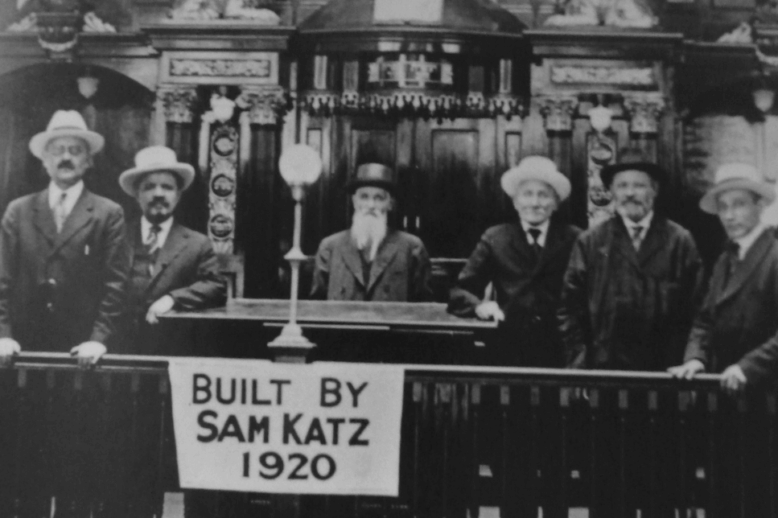
At its peak, the vibrant West End neighborhood was home to approximately 40-45 synagogues, reflecting the thriving Jewish community that once defined the area. Today, only the Boston Synagogue remains as the sole continuously-operating Jewish house of worship in the neighborhood.
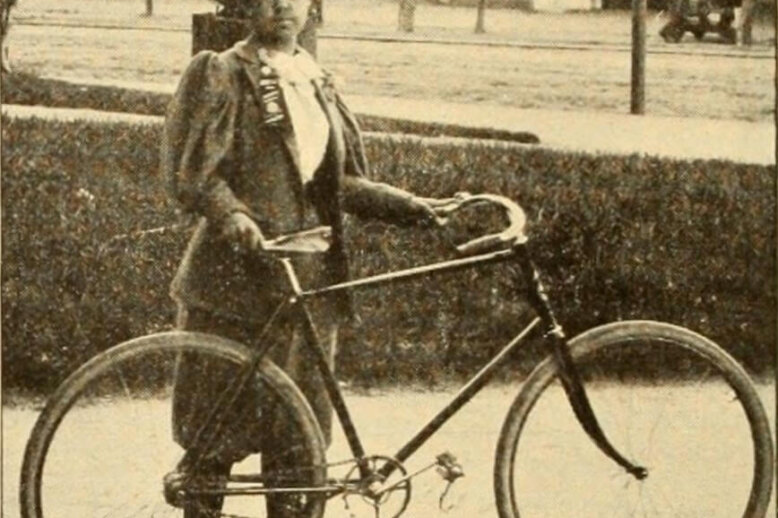
Below is an online, self-guided version of our “West End Women” walking tour. Print it out or keep it digital, and put on your best walking shoes to explore the histories and stories of women from Boston’s West End.
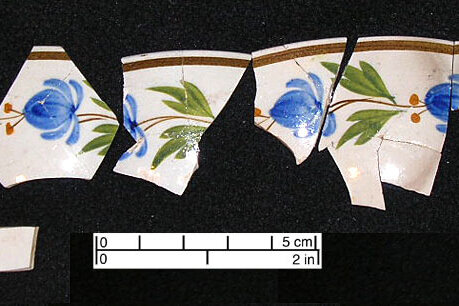
Domingo Williams was an attendant and caterer who lived with his family in an apartment in the African Meeting House from 1819 to 1830. A 2005 archaeological dig behind the African Meeting House, in conjunction with mentions of Williams in local and national newspapers, help to illuminate Williams’ prosperous catering career, his activist involvement in Boston’s Black community, and his time living in one of the city’s most important Black social-religious centers.