The West End Woman Suffrage League
The West End Woman Suffrage League connected African-American leaders in the old West End to the larger movement for women’s suffrage in Boston, the rest of New England, and the country as a whole.


Topic: Women
Women’s issues, suffrage, girls, anyone using she/her pronouns
The West End Woman Suffrage League connected African-American leaders in the old West End to the larger movement for women’s suffrage in Boston, the rest of New England, and the country as a whole.
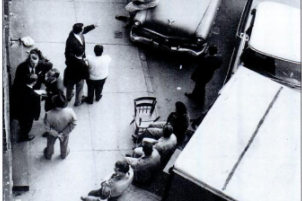
The history of urban renewal in the West End is well-known, and locals are familiar with names of the “last West Enders” who refused to leave their neighborhood. As the aftermath of urban renewal lives with us today, there are a few ways to look at “the last” of the old neighborhood.
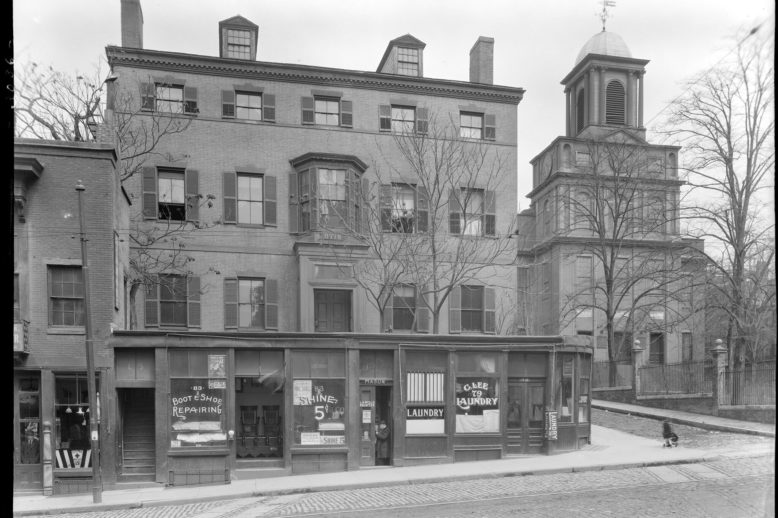
The Williams Sisters occupied the Otis House in the mid 19th century, operating the grand Bulfinch Mansion as a boarding house.
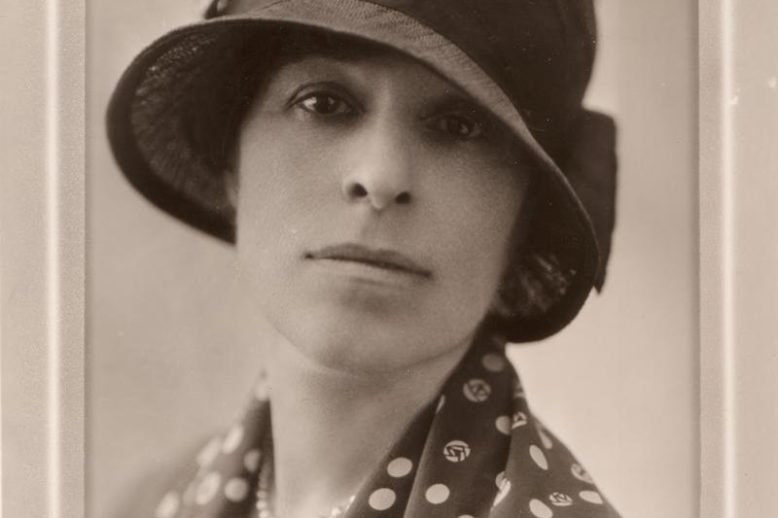
Eva Whiting White was Director of the Elizabeth Peabody House for nearly 3 decades from 1922 to 1950.
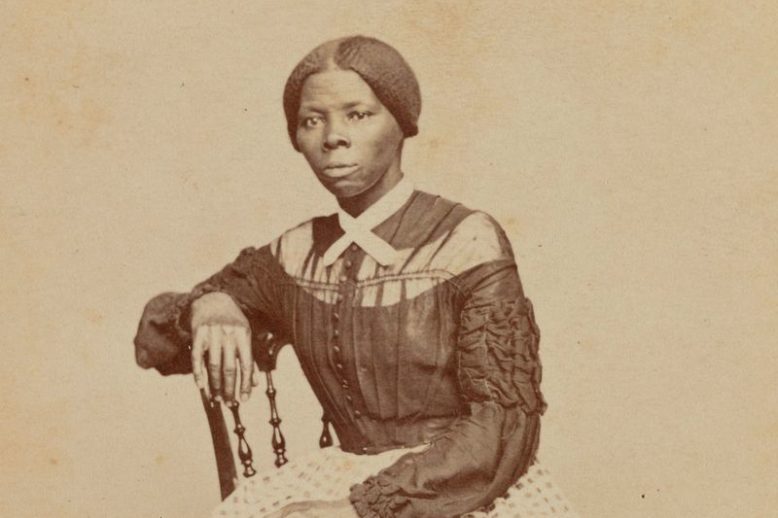
Harriet Tubman, a self-emancipated slave, remains the most famous and successful Underground Railroad conductor in United States history. She played an important role in Boston as an emancipator and activist for African Americans and women.
One of the first American women of any race to give a public address in the nineteenth century, Stewart was one of Boston’s prominent Black abolitionists who lived on the north slope of Beacon Hill in the 1830s.
Josephine St. Pierre Ruffin and George Ruffin were eminent African-American residents of the West End in the late nineteenth-century. Josephine’s newspaper, The Woman’s Era, was published from her home and instrumental to the founding of the National Association of Colored Women (NACW) in 1896. She was its first vice president.
Elizabeth Peabody was a teacher, publisher, and writer, who introduced kindergarten in the United States on Pickney Street.