Topic: Politics & Law
Politics, politicians, political clubs, laws, lawyers, courts, jurisprudence, criminals, crime, law enforcement, jails
Eminent Domain Part 1: Origins Eminent domain is the right of the state to seize the private property of an individual for a public purpose with just compensation. This article will trace the origins of the concept from Ancient Roman law to its use in Early Modern states. The formal concept of eminent domain is…
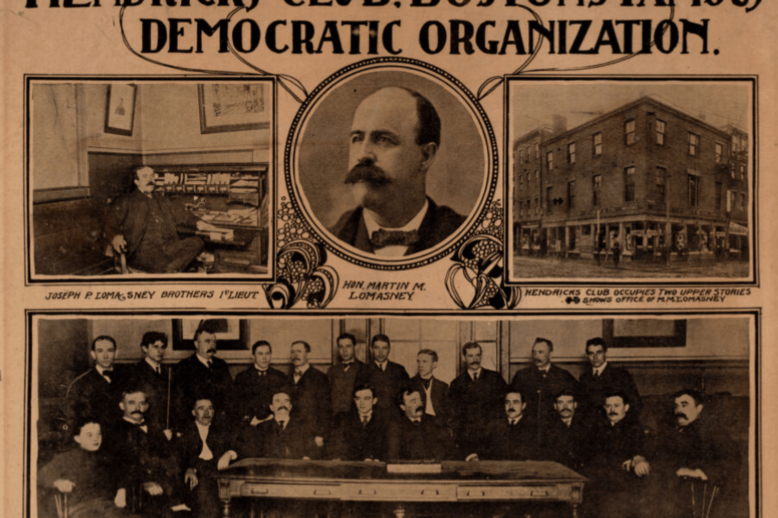
The Greatest Political Enemies of the 20th Century: West End’s Lomasney Vs. Mayor Curley In the early decades of the 20th century, two towering figures dominated Boston’s political landscape. Their rivalry was so bitter that it reshaped the very nature of urban Democratic politics. The feud between Martin Lomasney, the “Mahatma” of the West End,…
After Martin Lomasney (1859-1933), the legendary “Mahatma of Boston,” made John Ignatius Fitzgerald (1882-1966) a precinct captain at age 18, Fitzgerald became Lomasney’s right-hand man. Their political relationship provides a window into the inner workings of early-twentieth-century ward politics in the West End.
The Leverett Street Jail in Boston’s West End held several freedom seekers whose cases tested the U.S.’s Fugitive Slave Law of 1793, including the cases of Eliza Small and Polly Ann Bates (1836), and George Latimer (1842).
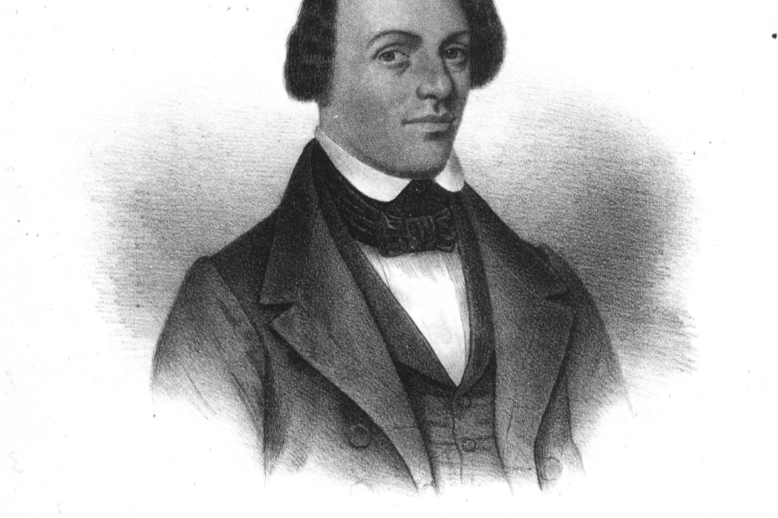
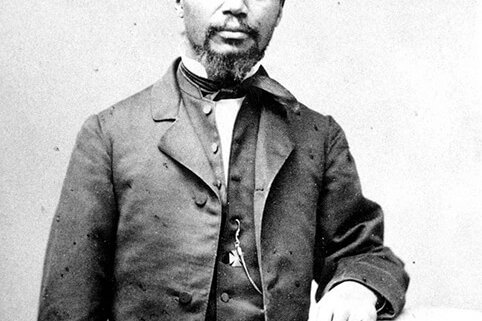
Robert Morris (1823-1882) was a prominent civil rights leader in Boston and the United States’ second African American lawyer. He built a successful career as a lawyer handling civil, criminal, and civil rights cases, while putting his life and livelihood on the line for causes he believed in: abolition, the protection of freedom seekers, the desegregation of schools, the integration of militias, equal rights for women, and fair representation for immigrants.
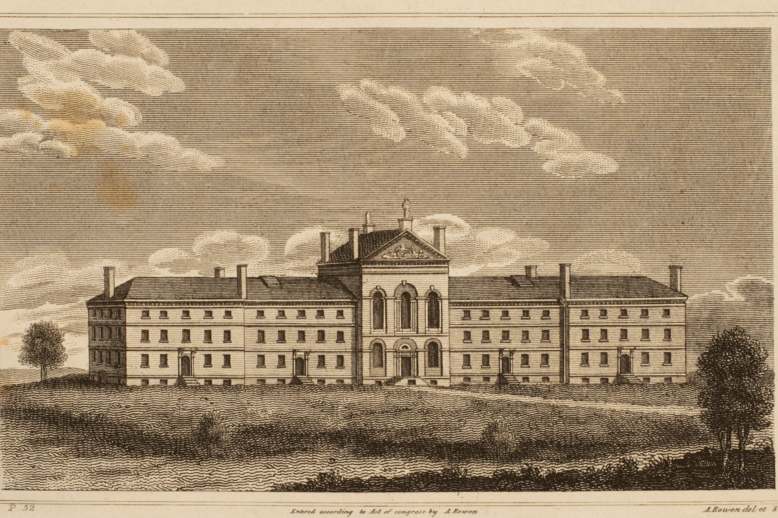
For almost twenty-five years, the Leverett Street Almshouse dominated Barton’s Point, a blunt strip of land jutting out from the West End into the Charles River. In this building, designed by Charles Bulfinch, Boston continued to carry out its tradition of housing and caring for its most needy residents.
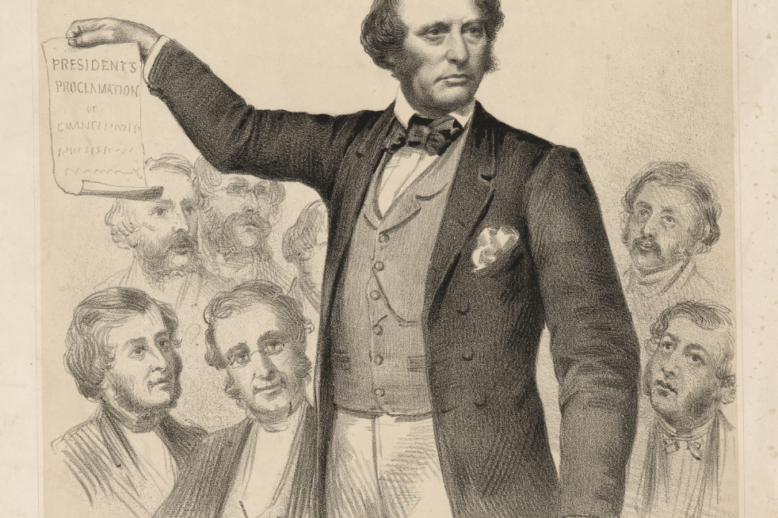
Charles Sumner (1811-1874) was a lawyer and United States Senator who was a vocal abolitionist and civil rights advocate. He was born and lived most of his life on the North Slope of Beacon Hill, where he had close connections with the Black and abolitionist community.
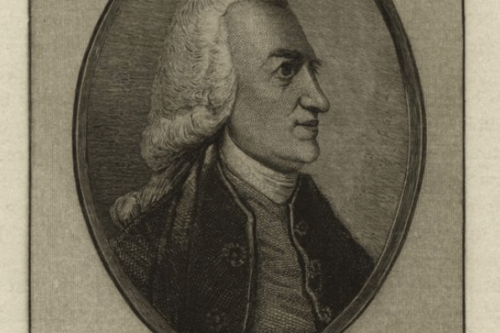
James Bowdoin II, scientist, politician, businessman and the namesake of the West End’s Bowdoin Square, embodied the powerful gentry class of his day.