Topic: Transportation & Industry
Bridges, trains, train stations, public transportation, motor vehicles, factories, light industry, mills, ropewalks
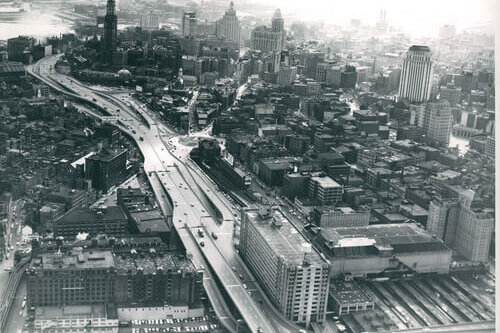
Destruction and Disappointment: The Legacy of Boston’s Central Artery Boston’s Central Artery promised relief to the city’s traffic dilemma, but as with most major building projects of the mid-20th century, it brought demolition, displacement, and ultimately disappointment. Less than 20 years after the first automobiles hit the dirt roads of Boston, traffic congestion had become…
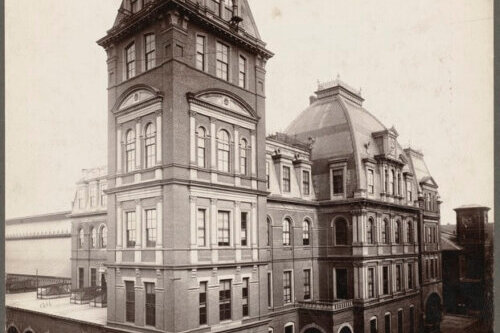
From Canal to Rail: The Birth of the Boston & Lowell Railroad The Boston and Lowell Railroad, New England’s first passenger train service, built its first Boston depot on Lowell Street in the West End. It would help replace the Middlesex Canal as the primary means to move people and goods in and out of…
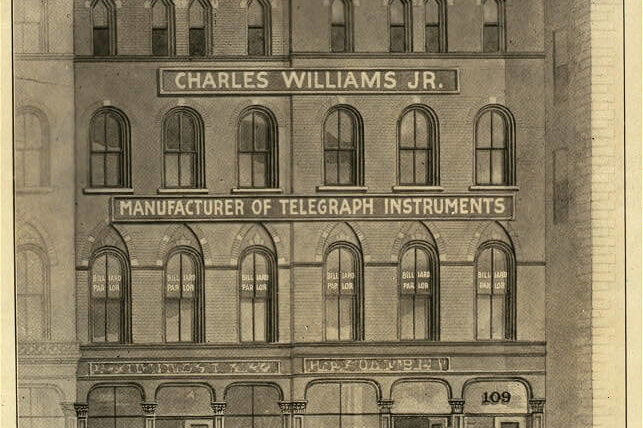
Thomas Edison (1847-1931), the famed inventor with 1,093 patents, got his start in Boston before contributing to the invention of the lightbulb, phonograph, and movie camera. From staying at boarding houses on Cambridge Street to experimenting in workshops in Scollay Square, the West End was a launching pad for the young Edison’s nascent career as an inventor and entrepreneur.
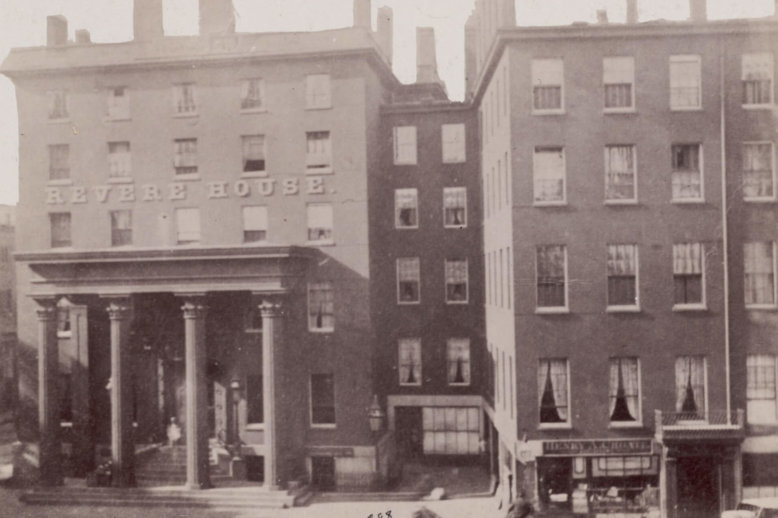
From before the Civil War into the early 19th century, the Revere House was considered Boston’s most prestigious hotel, catering to the city’s elite and discerning guests from around the world.
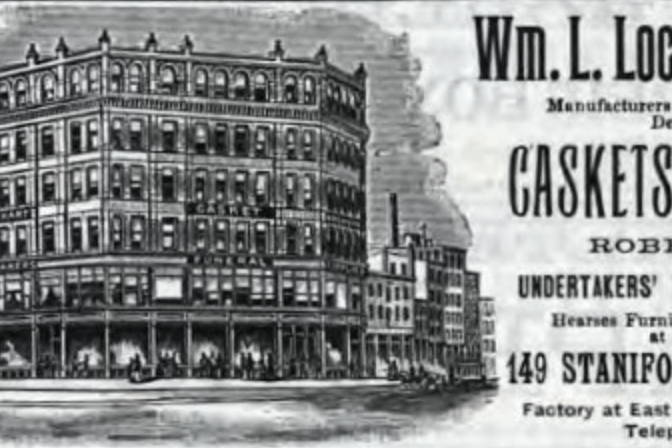
Throughout its history the West End has hosted the regional and national headquarters of many industry leaders, from shoes, to biscuits, and even caskets.
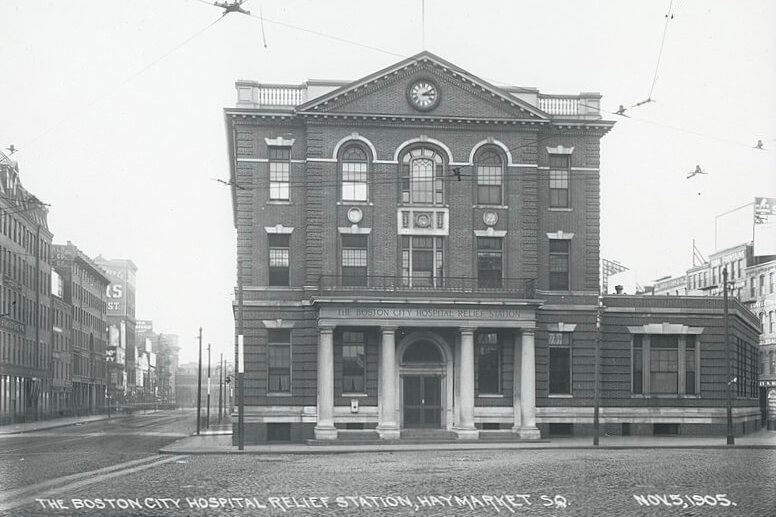
In the later half of the 19th century, Boston’s downtown residents required more immediate access to acute medical care as industrialization brought with it additional hazards to safety and health. For over thirty years the Haymarket Relief Station, which sat at the eastern gateway of the West End, filled that gap by providing much needed treatment for acute illnesses and injuries for urban residents.
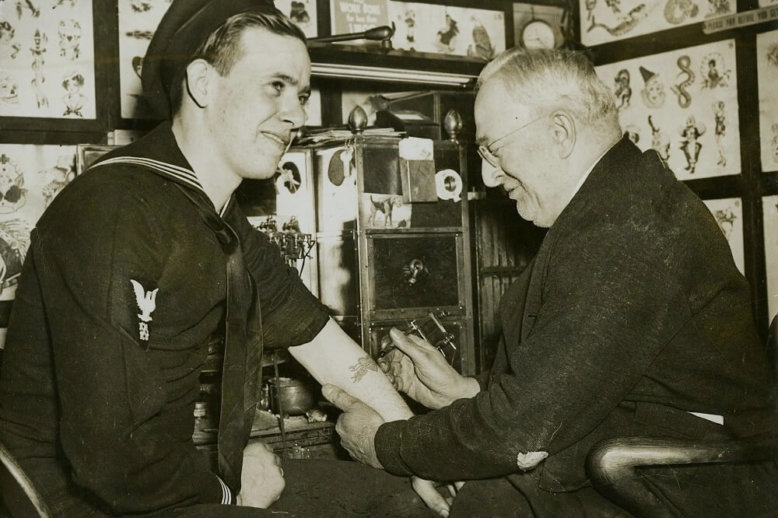
Scollay Square was a popular Boston hot spot for nightlife during the first half of the 20th century, with its vaudeville theaters, bars, and sideshow attractions. Long chided by local politicians for its perceived physical and moral decay, in 1963 the City of Boston completely demolished the area as part of an urban renewal project. Though often viewed within the broader context of the West End’s redevelopment, Scollay Square’s final chapter can also be understood through the lens of World War II, the growth of Boston’s Navy Yard, and the demographic shifts at the war’s conclusion.
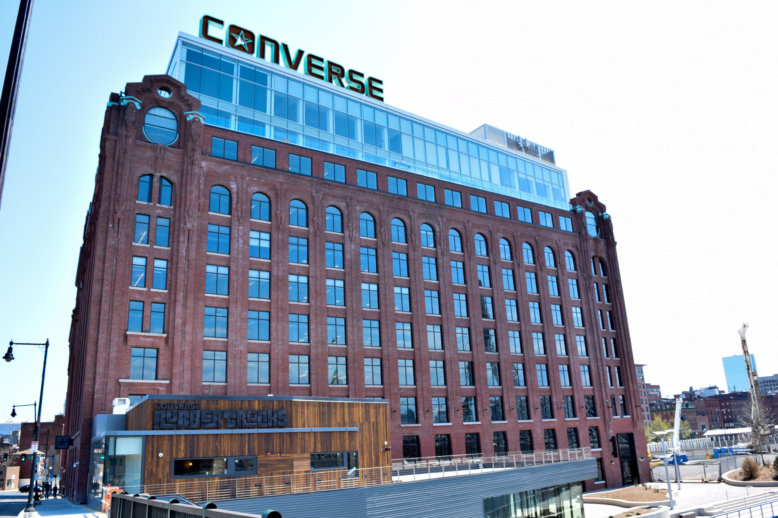
In 2015 Converse Inc. moved its world headquarters to Lovejoy Wharf in the West End. Its 214,000 square foot facility was a major part of an effort to rejuvenate the former industrial area bordering the Charles River and the North End. This was, however, not the first time a business founded by members of the Converse family chose the West End as an advantageous place to set up business.