
Mickey Redstone
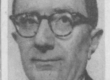
Mickey Redstone was the father of Sumner Redstone and a media conglomerate. He started his career in entertainment owning nightclubs before rising to prominence as the head of a national theatre exhibition company. Redstone was raised in the West End by immigrant parents and his early Boston experiences helped fuel the canny business choices that led to his success.
The Redstone family’s media conglomerate National Amusements Inc. did not begin in a Hollywood studio or a New York broadcasting booth. It began with an outsider born to immigrant parents in Boston’s West End. Michael “Mickey” Redstone, born Max Rothstein in 1902, laid the foundation of his son Sumner Redstone’s success. This would lead to the younger Redstone to become a controlling shareholder in Paramount Pictures and CBS Viacom and a giant in the entertainment industry. Yet, each empire had to start somewhere. Mickey Redstone’s began with an improvised entry into entertainment. He was an early adopter of what would become a lucrative business model.
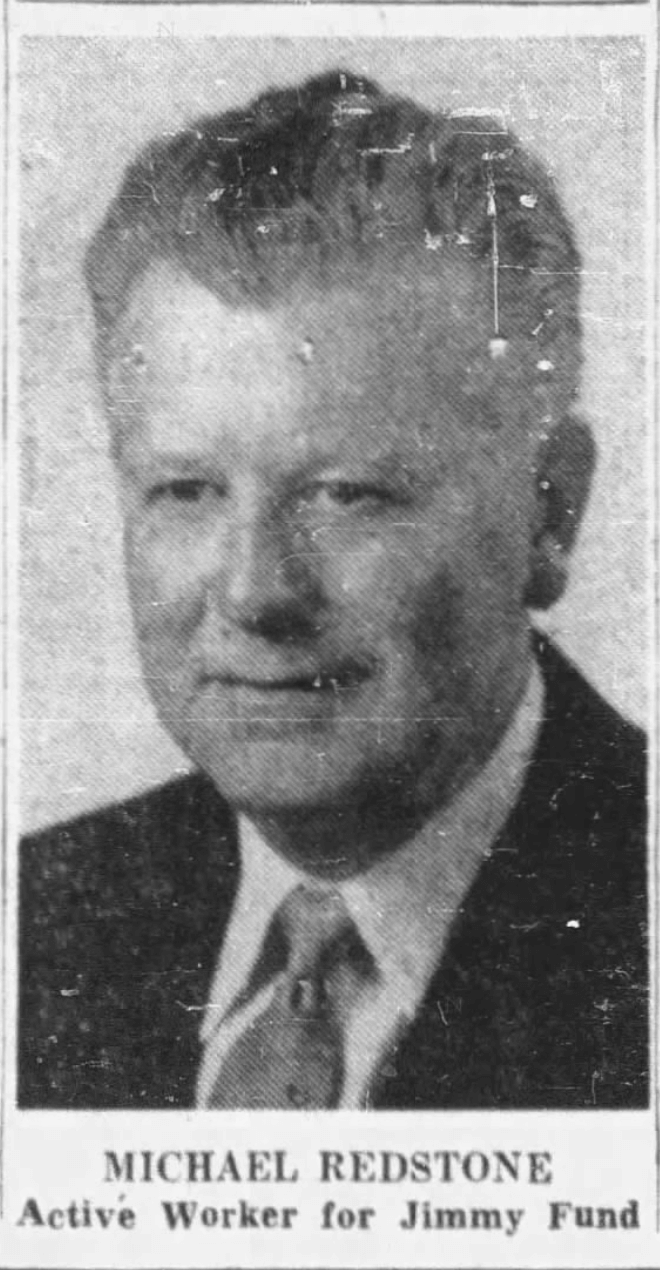
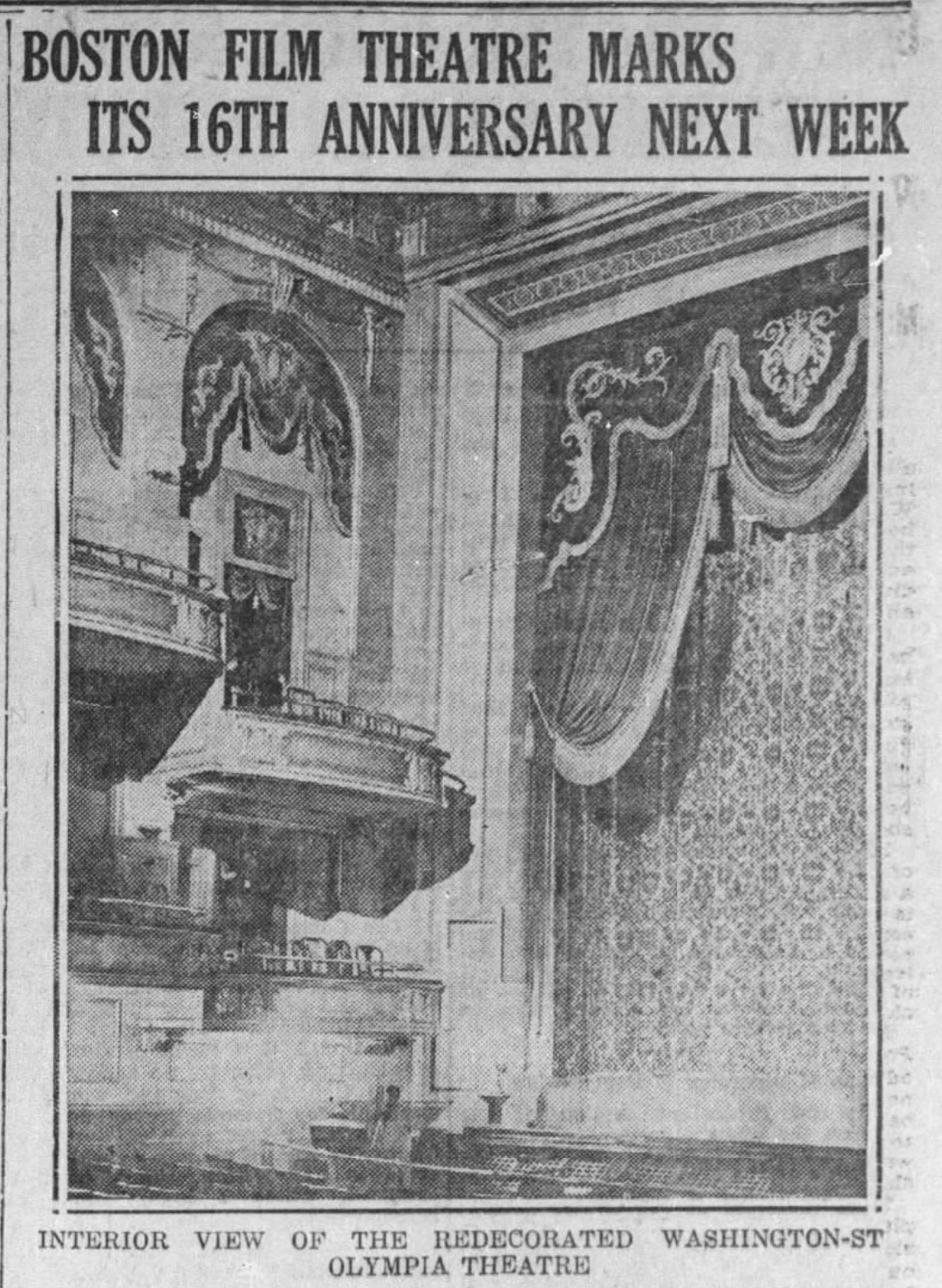
Redstone grew up in the Charlesbank Homes tenements. He spent his childhood among the West End’s large Jewish immigrant population. The community, consisting of many synagogues, businesses, and social networks, provided mutual support. Redstone left high school early and entered the workforce. He started a trucking company and received a contract from the City of Boston. Later, he worked in the Olympia Theatre in Scollay Square. At the time, it was a gorgeous movie house. He married Bella Ostrovsky and had two sons, Edward and Sumner. Those early years provided the practical experience that would shape his later business decisions.
Redstone’s first significant step into entertainment came in 1934. Alongside the Jewish gambling boss Harry “Doc” Sagansky, he co-founded the Mayfair Nightclub. Sagansky was well known in Boston’s nightlife and gambling circles. The Mayfair featured live music, vaudeville, comedy and dancing. It was not only a popular social space, but also as a steady source of income that allowed Redstone to build capital.

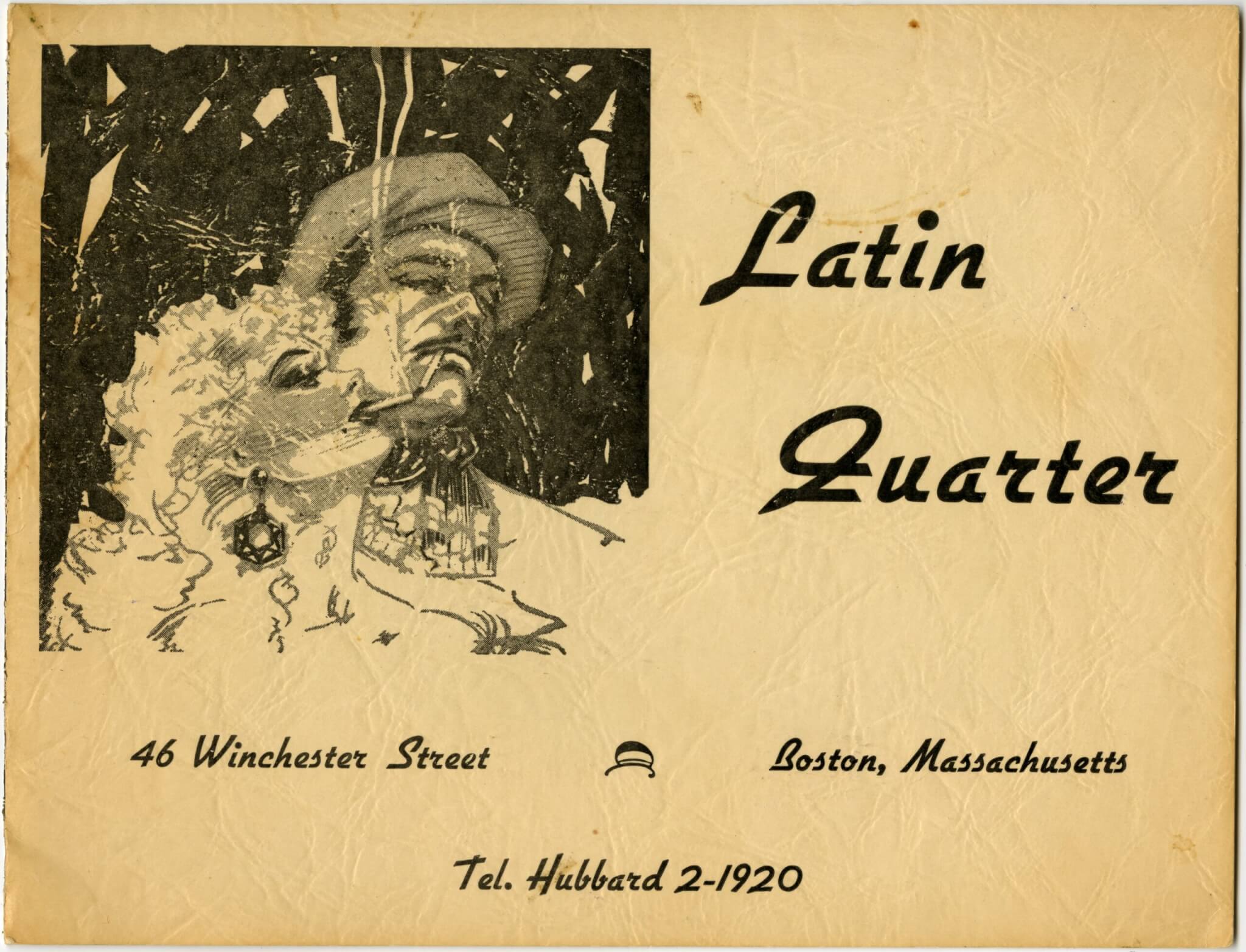
Redstone and Sagansky soon moved beyond Mayfair. They started a Massachusetts loan company and, in 1943, bought Boston’s Latin Quarter nightclub from the father of broadcast journalist Barbara Walters. That deal gave Redstone a foothold in larger-scale entertainment. From there, he began buying land for drive-in movie theaters and opened his first drive-in in 1936 on Long Island, New York. This was only the fourth drive-in theatre in the world!
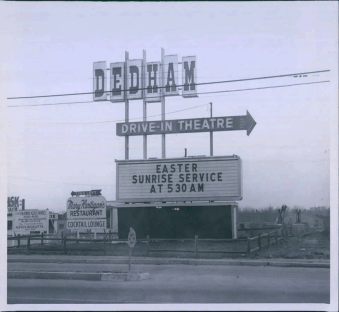
In 1948, Redstone opened the Dedham Drive-In Theater just outside Boston’s zoning restrictions. Built on open land and designed for cars, the drive-in worked perfectly for those living the postwar suburban life. Compared to downtown theaters, Dedham required far less construction and could operate on inexpensive land. Instead of putting money into downtown movie centers or aligning himself closely with Hollywood studios, Redstone focused on owning land and making theaters easy to get to.
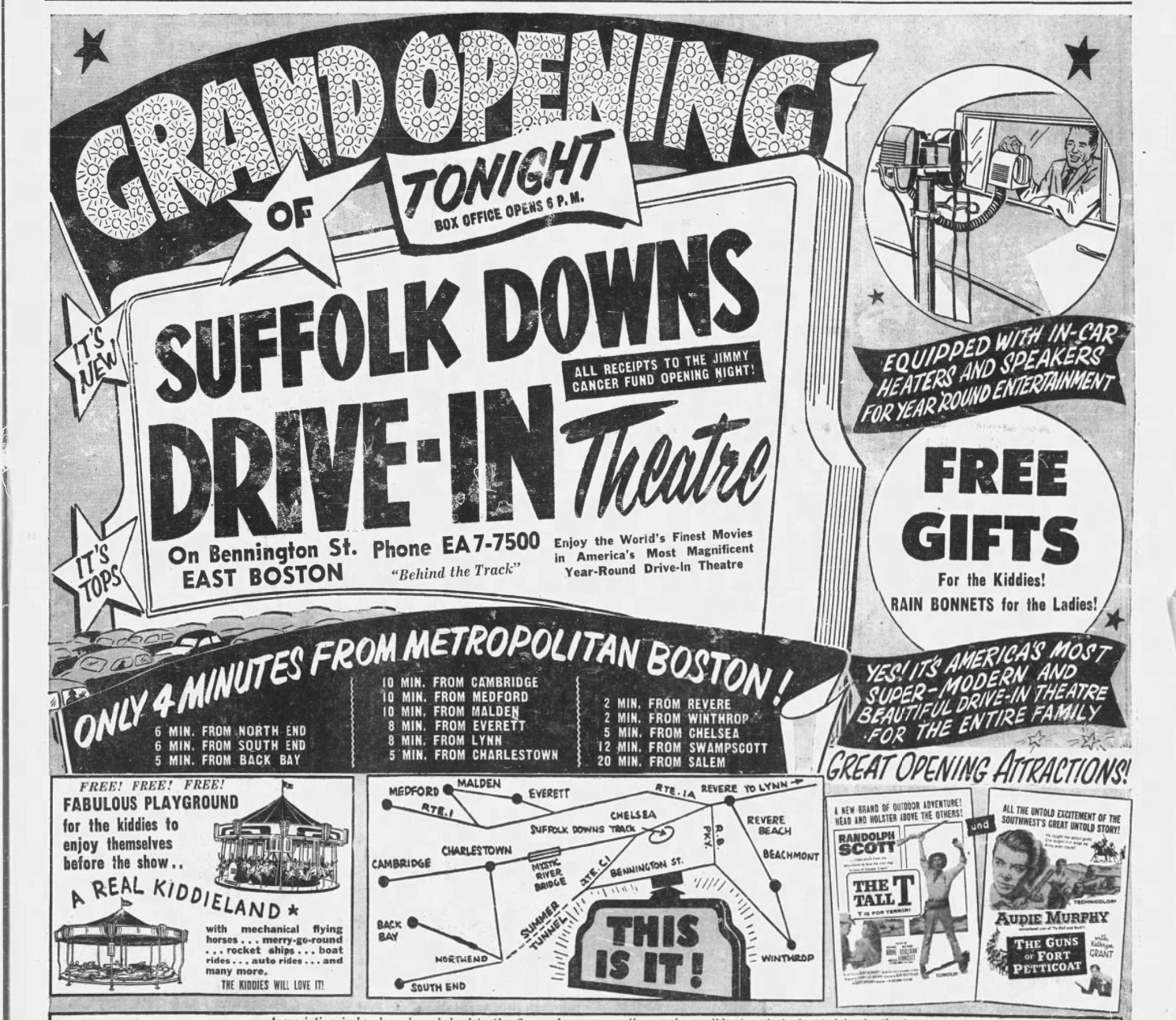
His Suffolk Downs Drive-In opened in 1957. It boasted free electric heaters, baby bottle warmers, and easy access from the city. The coverage of the Suffolk Downs opening, with prizes for kids and free playgrounds, captured how Redstone saw moviegoing. It was to be practical and family-centered with an emphasis on comfort and convenience.
By the 1940s, he had changed his family name to Redstone. The decision was partly meant to avoid association with the Jewish gambling figure Arnold Rothstein. It also reflected the social pressures facing Jewish families at the time. As Mickey Redstone’s fortunes grew, he and his family gradually moved out of the West End. They settled into a spacious two-family home in the more affluent suburb of Brighton. They later began living in a series of increasingly upscale Boston properties, including the Copley Plaza.
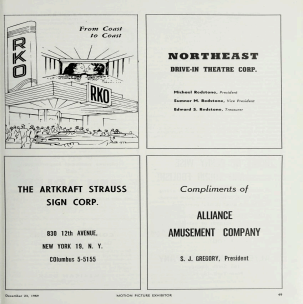
Redstone founded the Northeast Theatre Corporation, which became National Amusements, Inc in 1959. By this point, the company operated fourteen drive-ins across five eastern states. His business model centered on land, access, and infrastructure rather than cultural prestige or elite networks. This focus would come to define National Amusements and, indirectly, shape CBS Viacom in the following decades.
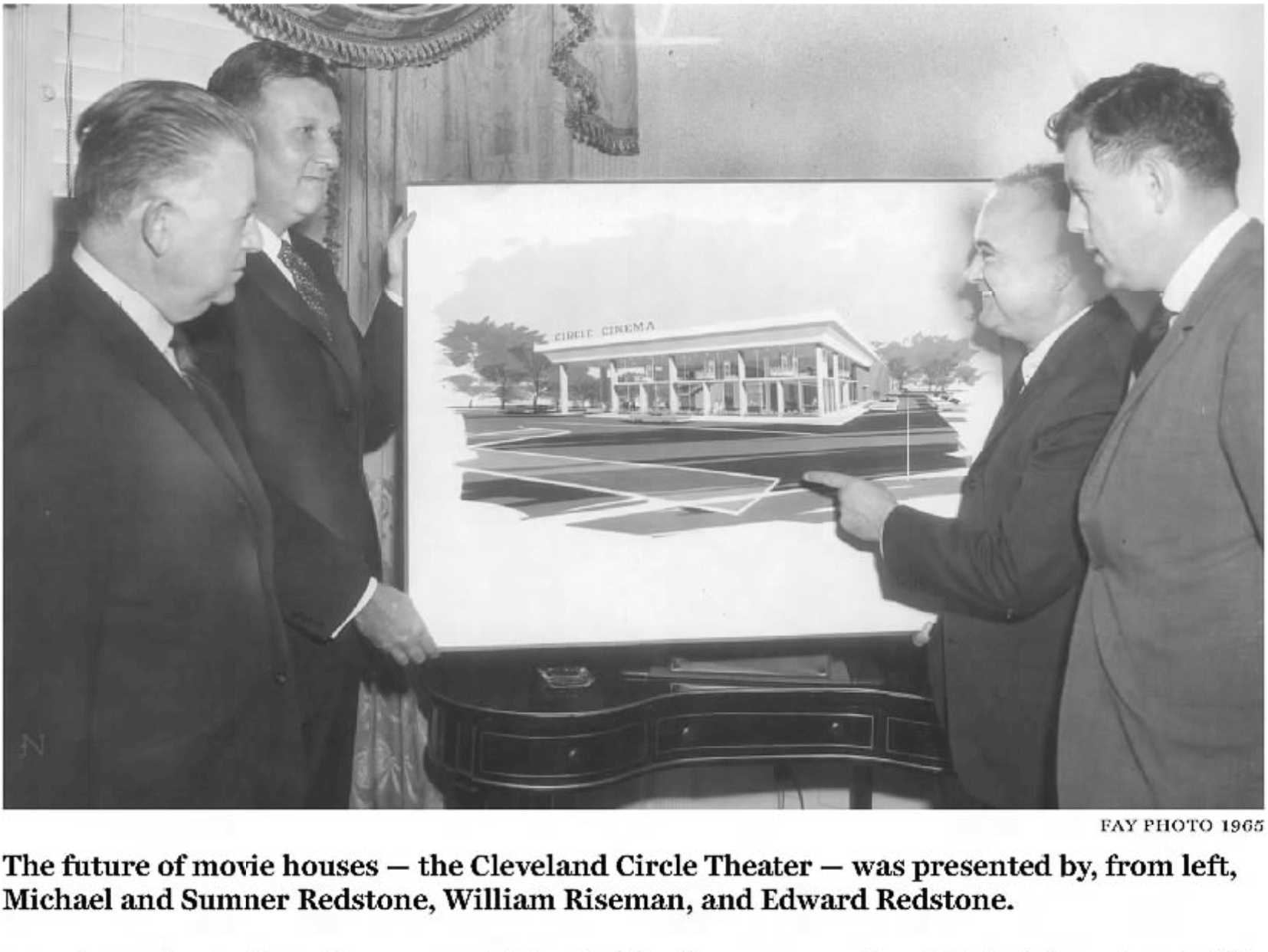
In a 1962 talk to the Theatre Owners of America, Mickey’s son Sumner Redstone argued that producers and distributors would always follow audiences. By then, audiences had moved increasingly to the suburbs. The industry could no longer ignore how suburban life was reshaping moviegoing. Now, people shopped, ate, and went to the movies closer to home, with the car making that shift possible. For theater owners, this meant the long-held belief that “first run” films belonged only to a single downtown theater was beginning to break down. Sumner called for looser booking and emphasized the need for exhibitors to adapt to changing consumer desires.
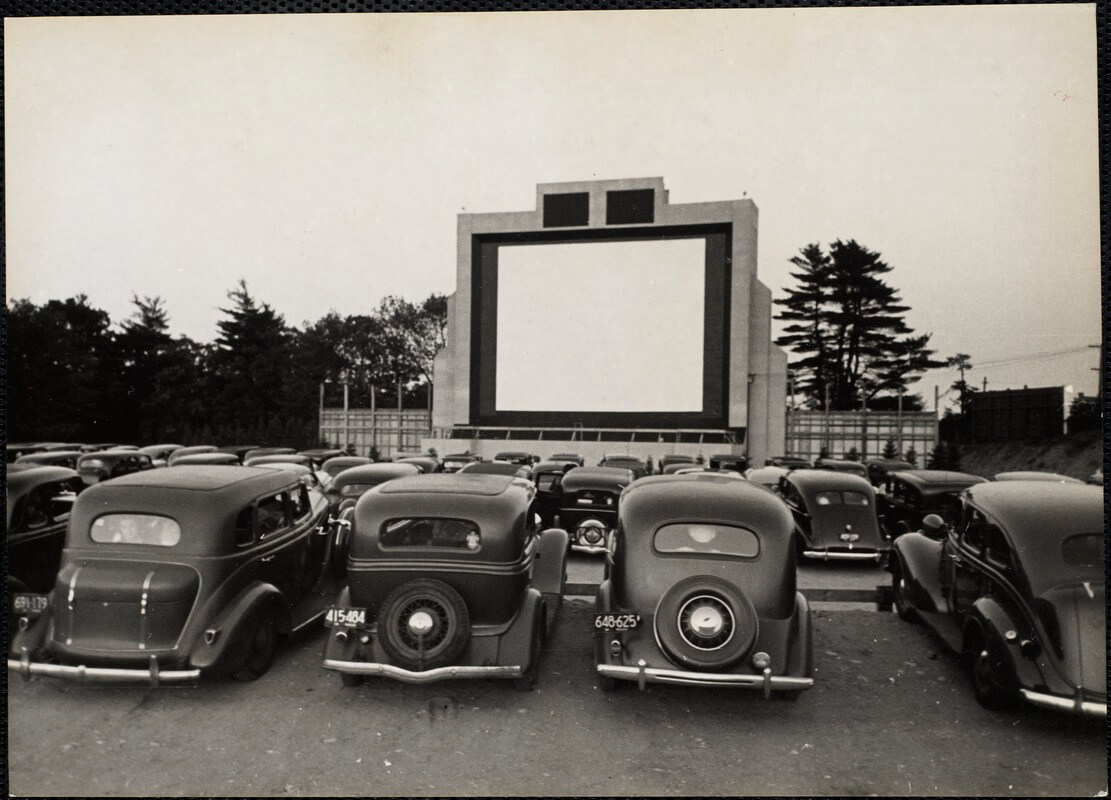
Despite his strong faith in suburbia and drive-in theaters, the rise of television and changing leisure habits eventually led to the decline of drive-ins. Sumner Redstone shifted National Amusements toward indoor multiplex theaters. This continued his father’s focus on exhibition. When Sumner fully took over, the company operated ninety-three screens, including fifty-two drive-ins and forty-one indoor theaters. Within ten years, that number had grown to nearly 250 screens. Around the same time, the family business began moving beyond theaters. National Amusements took a five percent stake in 20th Century Fox and invested in Columbia Pictures, Orion Pictures, and Paramount Pictures. These moves set the stage for the later consolidation of Paramount and CBS and reshaped the balance of power in American media.

Mickey Redstone was also a philanthropist. He helped found several charities including the Jimmy Fund as well as Hebrew University. His family has had a messy relationship with the wealth he gained, often fighting over shares or company leadership. However, upon his death in 1987, Mickey was remembered in the Boston Globe for his contributions to cancer research more than family feuds.
Sumner Redstone is often remembered as the force behind Paramount, CBS, and Viacom. However, that media empire only was built on what his father Mickey began. Mickey Redstone didn’t come up through Hollywood or elite media circles. He built his business around land, access, and scale, paying close attention to everyday audiences rather than cultural prestige. By focusing on where people lived, how they traveled, and what they needed to stay engaged, Mickey created an exhibition network designed to take advantage of change rather than resist it. That emphasis laid the groundwork for the family business to move beyond regional theaters to Hollywood, television, and beyond.
Article by Helen Eshetu, edited by Jaydie Halperin
Sources: Associated Press, “Sumner Redstone, who built media empire including CBS, dies at 97” (PBS News Hour, August 12, 2020); Boston Globe February 24, 1943, October 2, 1943, January 21, 1950, May 1 1957, May 31, 1986, April 6, 1987; Digital History of Jews In Boston, “Shifting Neighborhoods: How Boston’s Jewish Communities Moved, 1850-2000” (Northeastern University); Claudia Eller and Michael Hiltzik, “The Family Redstone: multibillion history of dysfunction” (The Seattle Times, August 5, 2007); The Editors of Encyclopaedia Britannica, “Sumner Redstone: American Executive” (Encyclopaedia Britannica); Meg James, “Media mogul Sumner Redstone, whose empire included Viacom and CBS, dies at 97”, (San Diego Union, August 12, 2020); Media History Digital Library, Box Office – December 11, 1948, November 19, 1962 | The Exhibitor – July 1, 1953, April 24, 1957, December 23, 1959, October 7, 1964 | Motion Picture Herald, August 28, 1948 | Theatre Catalog, 1955-56 | Variety, June 1942, May 1957, August 1961; Jim Parr, “75 Years Ago: The Dedham Drive-in Opens: Part 1” (Dedham Tales, August 11, 2023); Adam Tomasi, “Sumner Redstone,” (The West End Museum, November 17, 2021); Variety Honors, “Sumner Redstone,” (Variety, 2017).