The Committee to Save the West End
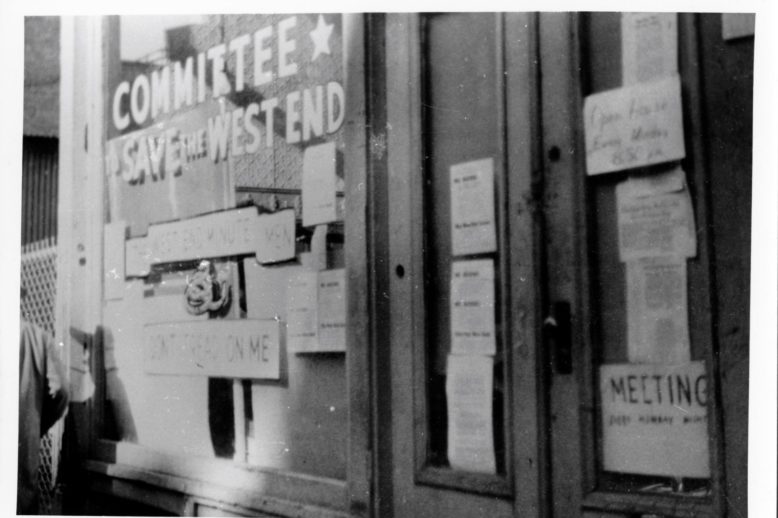
In the late 1950s, the Committee to Save the West End brought residents and political leaders together to vigorously oppose the Boston Redevelopment Authority’s plan to raze 50 acres of the neighborhood.


Topic: City Planning
City planning and design, built environments, urban planners, parks, roads
In the late 1950s, the Committee to Save the West End brought residents and political leaders together to vigorously oppose the Boston Redevelopment Authority’s plan to raze 50 acres of the neighborhood.
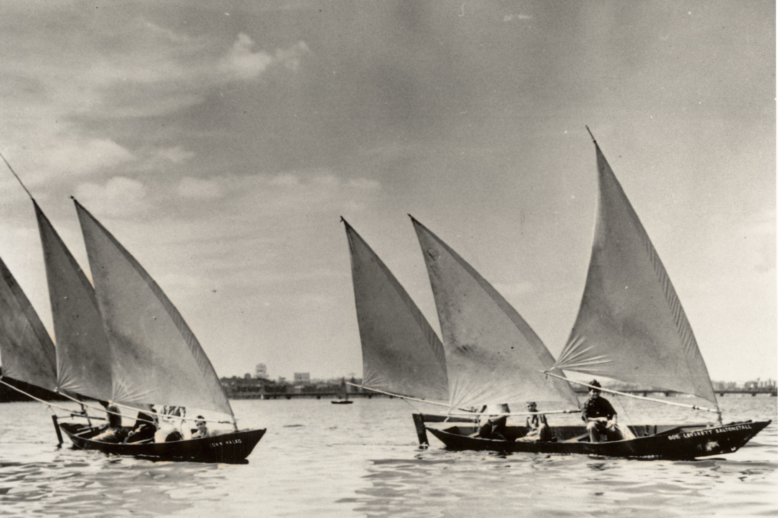
Joseph Lee, Jr. founded the “Community Boat Club” in 1937 so that West End youth could sail out from the Charles River Esplanade. Community Boating, Inc. was officially incorporated in 1946, and remains the oldest continuously operated public boating organization in the United States.
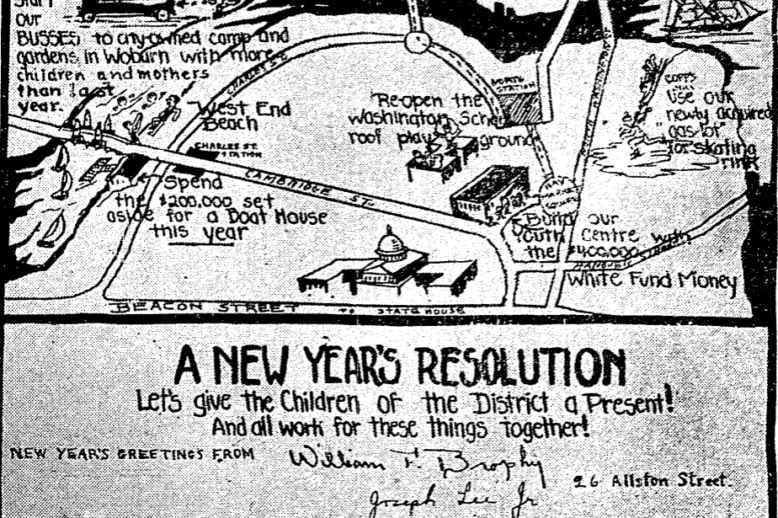
Ten-thousand West Enders received a creative New Year’s greeting card demanding improvements in children’s recreational opportunities, from William F. Brophy, a lawyer who worked in the West End, and James Lee, Jr., the son of the “Father of the Playground Movement” in America.
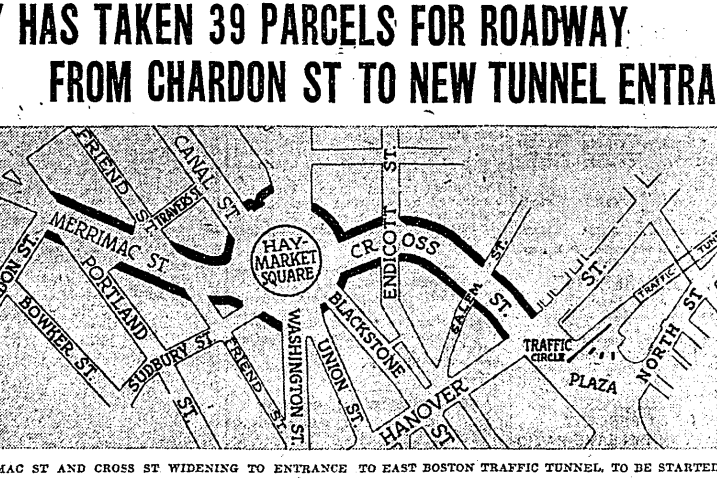
Before the City of Boston widened Chardon Street in the 1930s to develop the area around Haymarket Square, West Enders voiced their support for widening the street on a grassroots level.
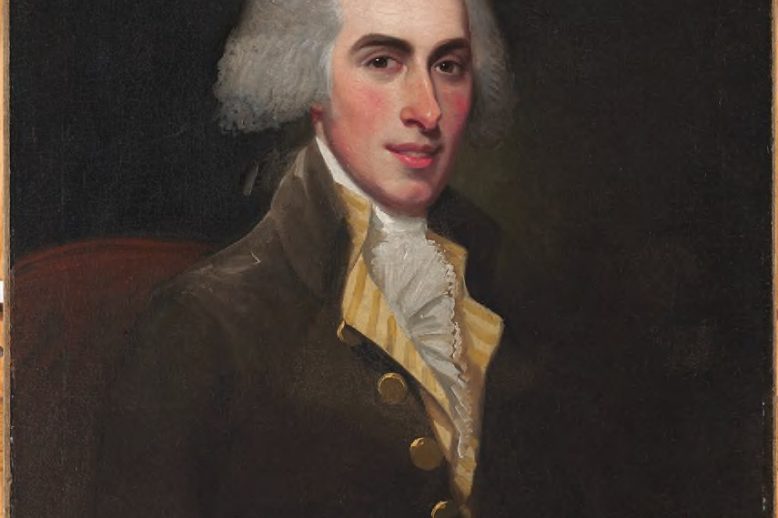
Charles Bulfinch is regarded as the first American-born architect. He rose to prominence designing public buildings, including the Boston State House and US Capitol Building, and was a West Boston native whose designs still dominate the historic portions of the West End today.
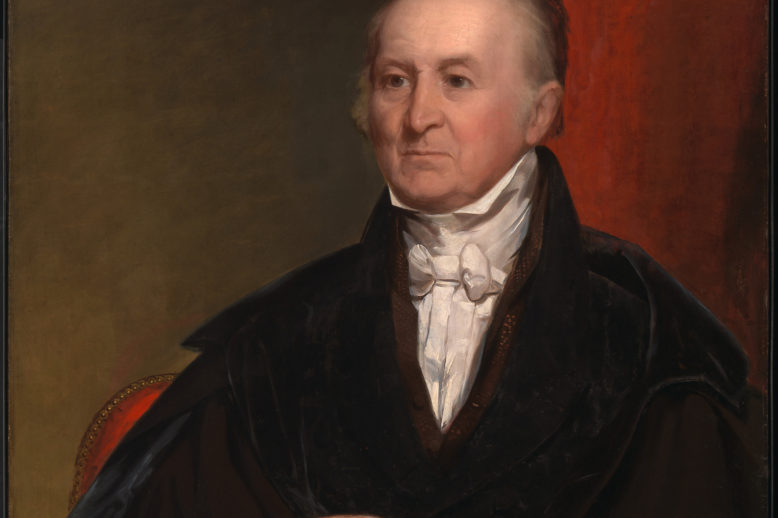
Harrison & Sally Otis Harrison Grey Otis was a major political and business figure in Boston during the Federalist Period. He is best known as a supporter of Charles Bulfinch, as Boston’s third mayor, and as a leader of the Hartford Convention. His wife, Sally, was a skilled socialite and hostess, who provided significant support for…
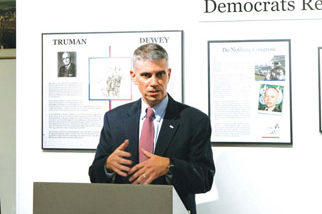
In 2015, Brian Golden, director of the BPDA, gave the City of Boston’s formal apology for the destruction of the old West End. He delivered the apology in a speech at The West End Museum, and his words continue to hold meaning for current debates about urban renewal powers in the city.
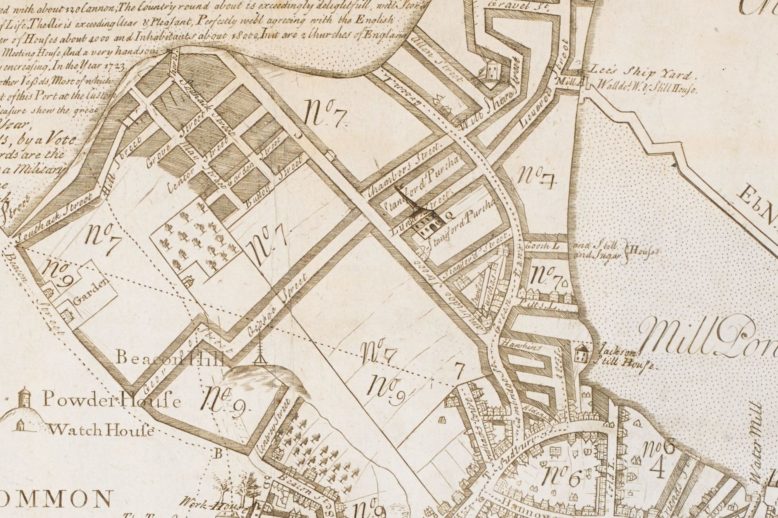
John Staniford was a New Fields (now West End) land owner and decon who lived from 1678 to 1752. He built Staniford Street and Lynde Street, and is the namesake of the former.