The First Harrison Gray Otis House
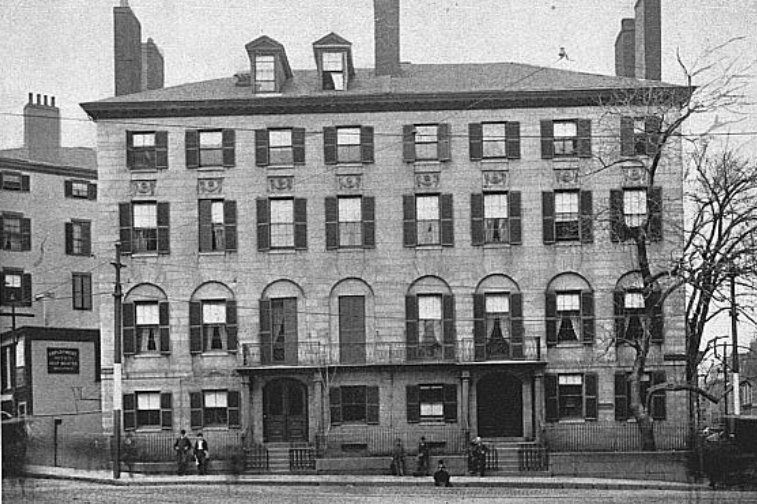
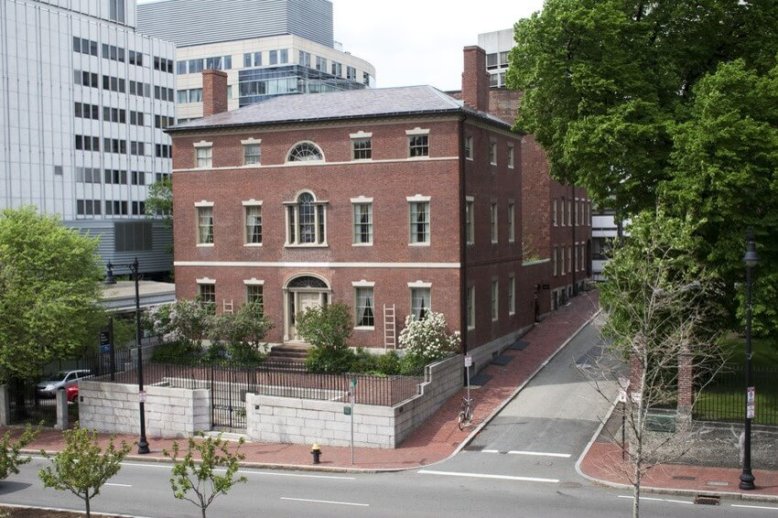
The first of three homes built for politician and land developer Harrison Gray Otis by architect Charles Bulfinch still stands proudly today as one of the only surviving buildings of the West End’s urban renewal.


Topic: Yankees & Brahmins
Early settlers of New England, Boston Brahmins, wealthy persons not officially in the Brahmin class, others typically identified as Yankees
The first of three homes built for politician and land developer Harrison Gray Otis by architect Charles Bulfinch still stands proudly today as one of the only surviving buildings of the West End’s urban renewal.
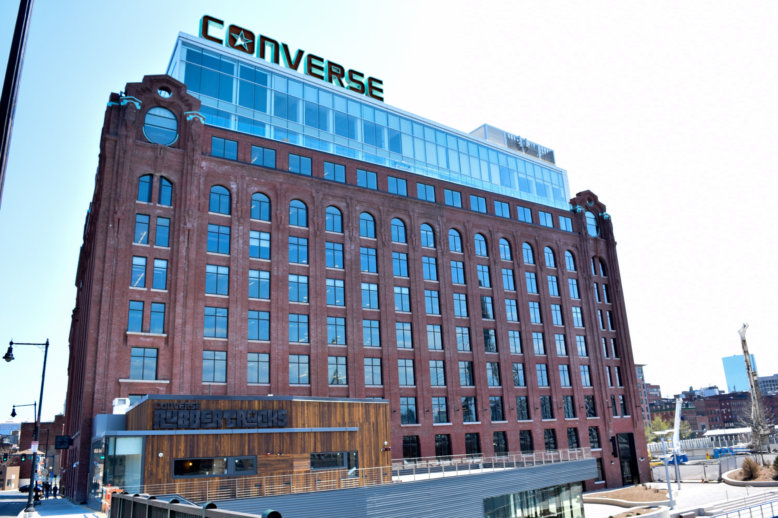
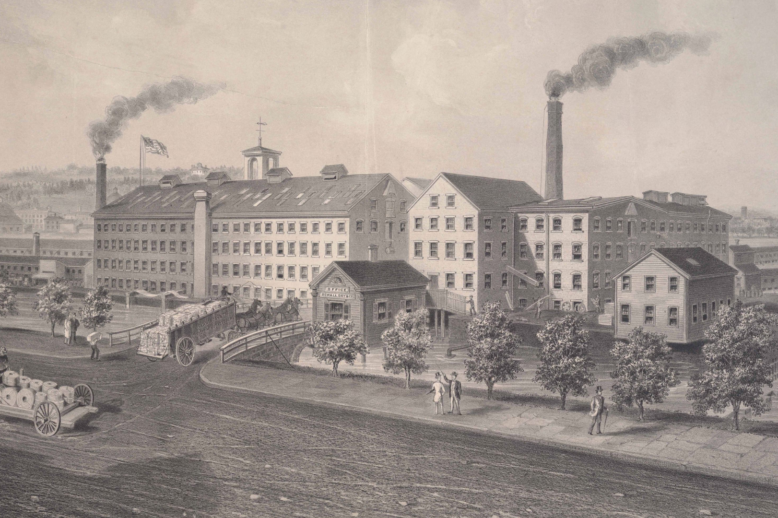
In 2015 Converse Inc. moved its world headquarters to Lovejoy Wharf in the West End. Its 214,000 square foot facility was a major part of an effort to rejuvenate the former industrial area bordering the Charles River and the North End. This was, however, not the first time a business founded by members of the Converse family chose the West End as an advantageous place to set up business.
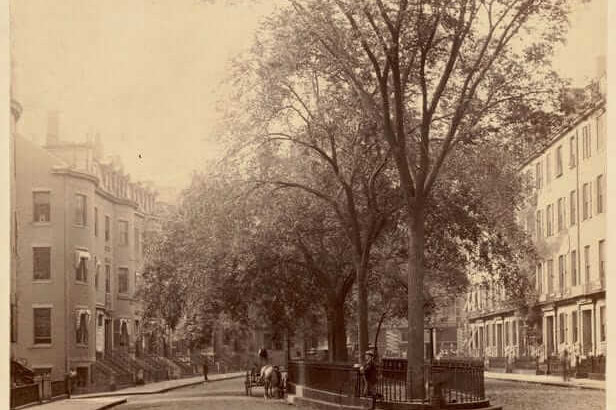
Bostonians familiar with the demolition of the West End may not know how another once-prominent location in the city disappeared from the map. This spot, located on Beacon Hill, was designed for the homes of wealthy Boston families, and was established at about the same time as another famous residential location further down “the Hill.” But, unlike Louisburg Square, which is today synonymous with old Brahmin Boston, Pemberton Square remains largely forgotten, its remnants barely visible.
Asher Benjamin designed the Old West Church (1806) and Charles Street Meetinghouse (1807) in the West End, based upon the Federal style of architecture most commonly associated with Charles Bulfinch and many New England homes and churches. The Old West Church has survived multiple waves of redevelopment in the West End due to its historical significance.
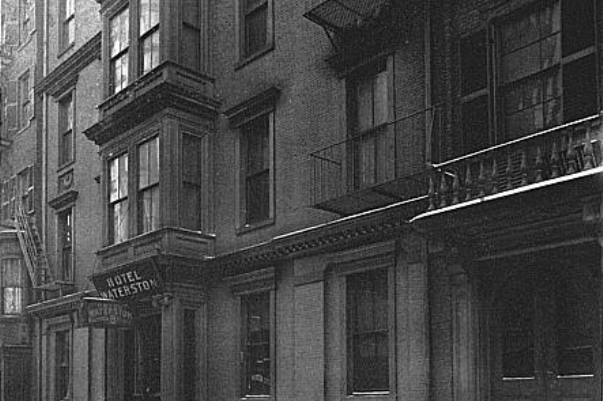
The Hotel Waterston, built in 1874 through a remodeling and expansion of the Charles Bulfinch House on 8 Bulfinch Place in the West End, maintained Bulfinch’s facade while adding additional stories. The Waterston had many prominent guests, including Walt Whitman, during the late nineteenth century, and the hotel stayed in business until it was demolished by urban renewal in 1961.
Abbott Lowell Cummings, once the leading expert on early New England architecture, spoke out and took action in response to the indiscriminate clearance of the West End during the urban renewal period.
A digital reframing of “Ropewalks of the West End and Beyond”, an 2012 exhibit designed and written by Duane Lucia and Tom Burgess.
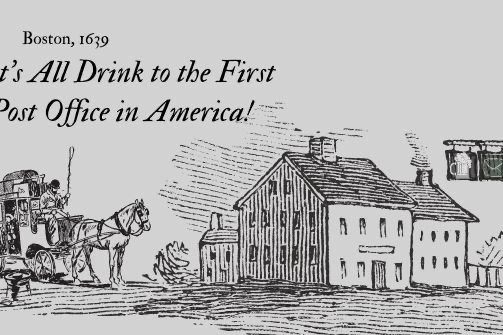
The Early Settlers of the West End (1630 – 1645): Robert Fairbanks, Public House Keeper