
The Thriving Jewish Marketplace of Boston’s Old West End Part Three: Yiddish Books to Fashionable Looks
This article is the fourth part of a series exploring Jewish life in the Old West End. This third part in our business series describes the Jewish shops, services, and professionals in the West End. Pharmacies, antique dealers, doctors, tailors, and booksellers could all be found along the streets of the neighborhood. Many of these business owners held on until urban renewal forced them out.
The Jewish community in the West End before urban renewal maintained businesses in a large number of industries. From peddlers to delicatessens, Jewish individuals and families worked to provide goods and services to their neighbors, both in the Jewish community and out. Drug stores, doctor’s offices, bookstores, and antique shops could be found along the commercial streets of the West End. Each industry developed its own niche as businesses established themselves as the go-to places in the neighborhood.
Pharmacies: More Than Dispensaries
Jewish-owned pharmacies served as more than places to fill prescriptions. They functioned as social gathering spots where neighbors could meet, enjoy treats, and receive personal attention for their medical needs.
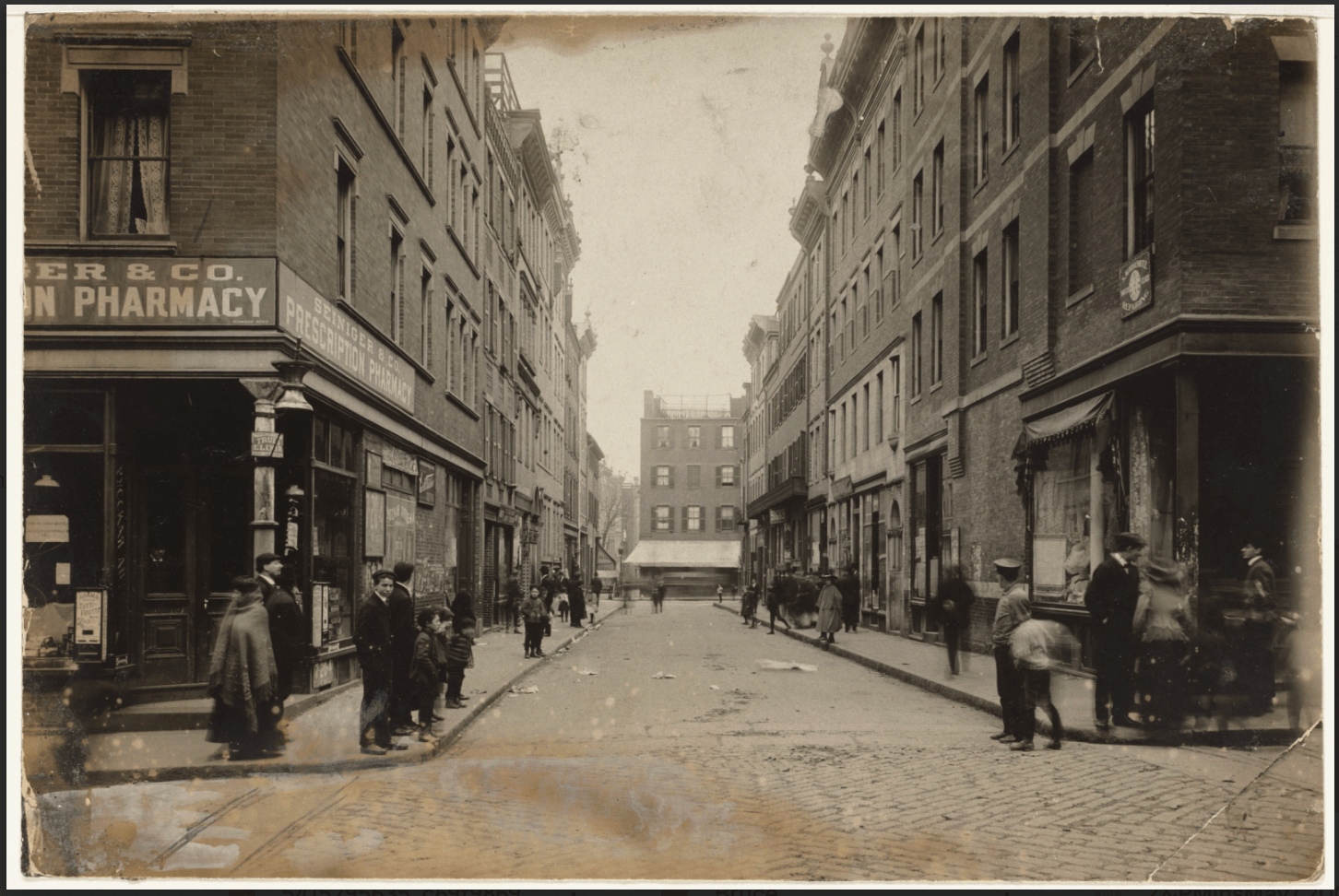
Rosenberg’s Pharmacy was the most prominent Jewish-owned pharmacy in the Old West End. Located at the corner of Brighton and Chambers Streets, it was operated by brothers Joseph and Henry Rosenberg. The pharmacy was described as “a neighborhood gathering place” known for vanilla ice cream cones and vanilla cokes.
Temple Drug was one of the best-known Jewish-run corner pharmacies in the West End. It was on Chambers Street near the corner of Cambridge and Staniford Streets. Across the street stood St. Joseph’s Church, and the now demolished Synagogue on Chambers Street. It was remembered as a place where “you bought your drugs and your gossip.”
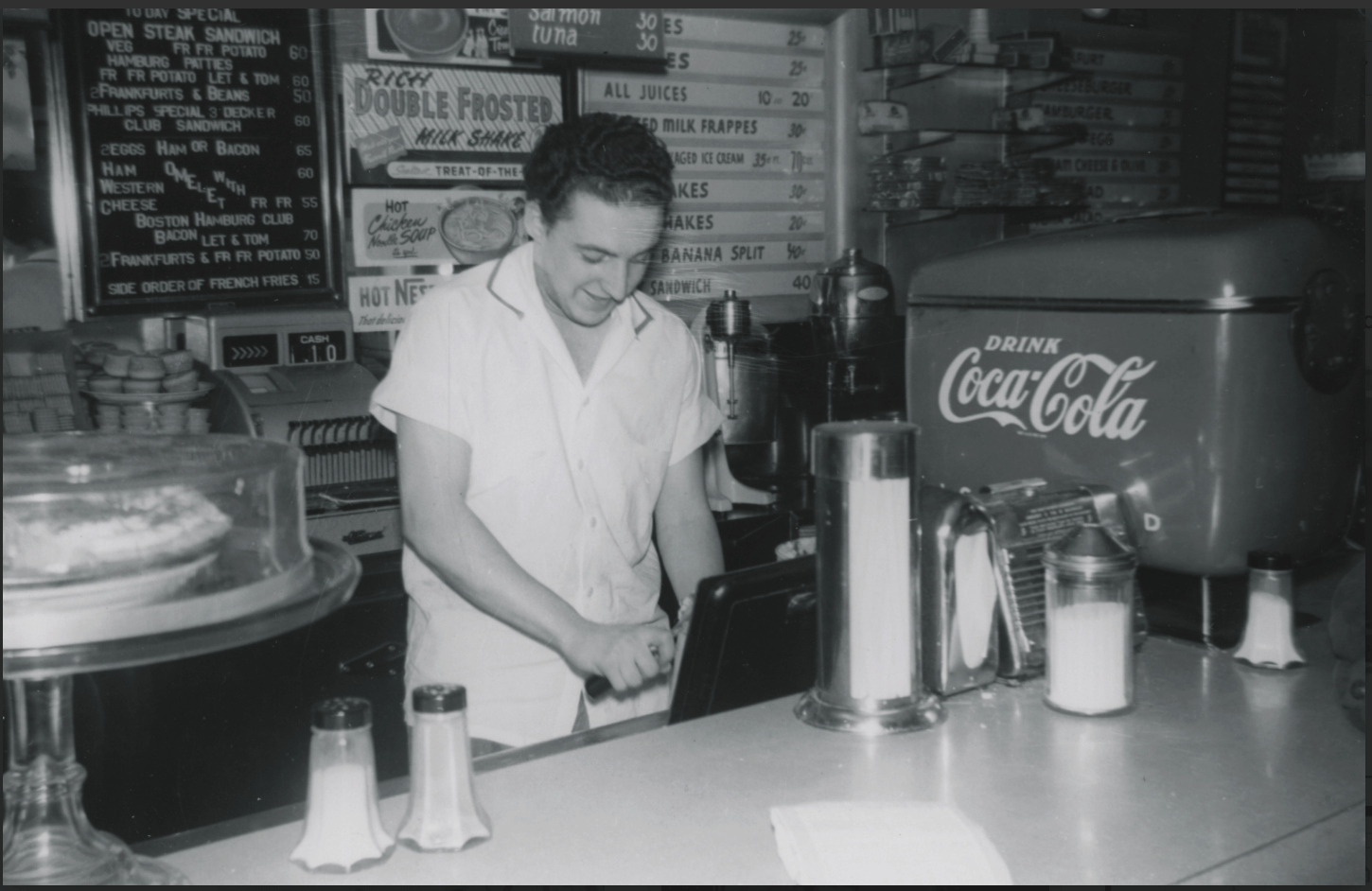
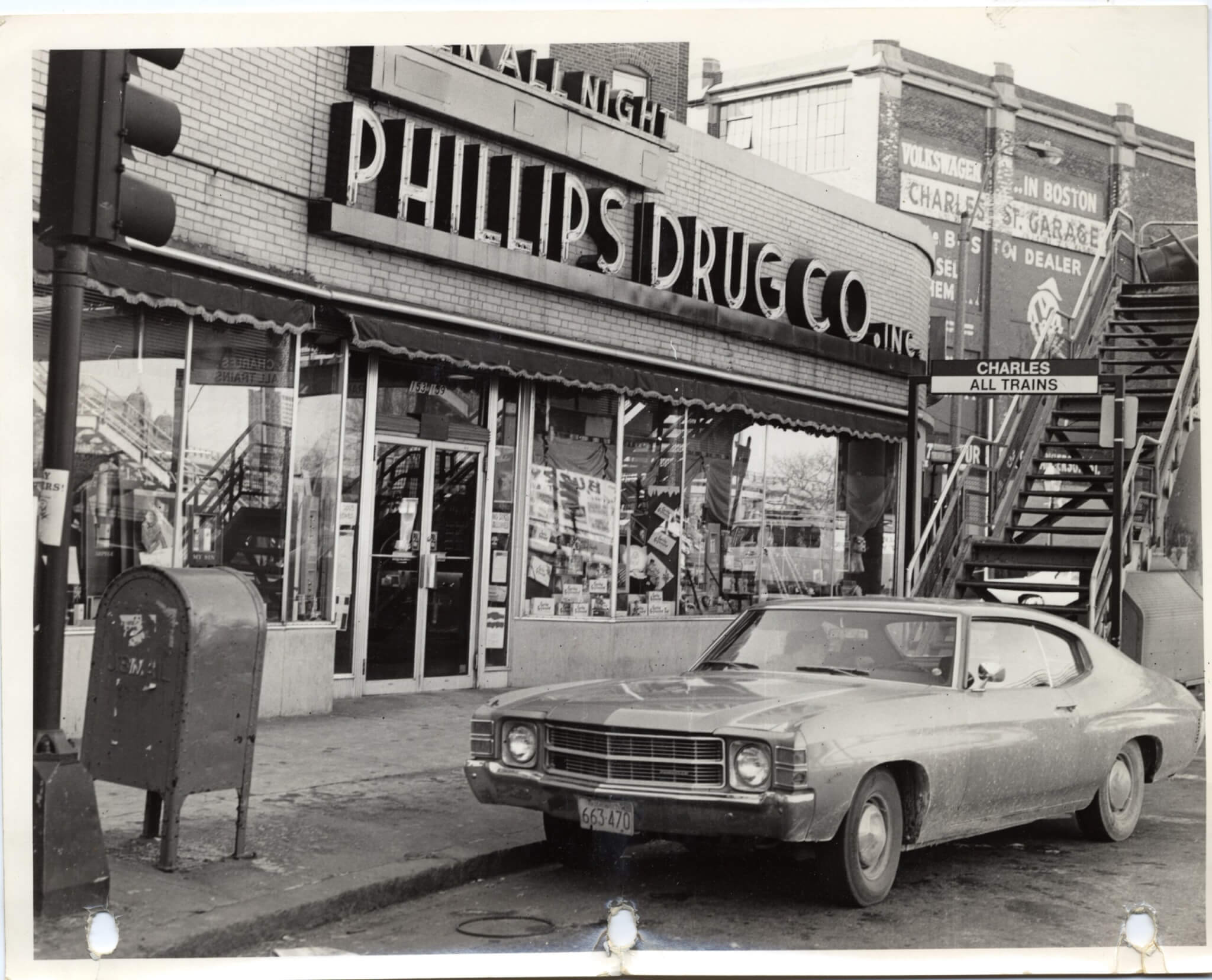
Phillips Drug stood on Cambridge Street near Joy Street. Former residents remembered it for its late hours and old-fashioned soda counter. Grant’s Drug operated on Cambridge Street. One West Ender recalled that “Mr. Grant filled half the prescriptions in the West End.” He extended credit to struggling families—a practice common among Jewish-owned shops in the area.
Medical Professionals
The West End supported numerous Jewish medical professionals who served the community.
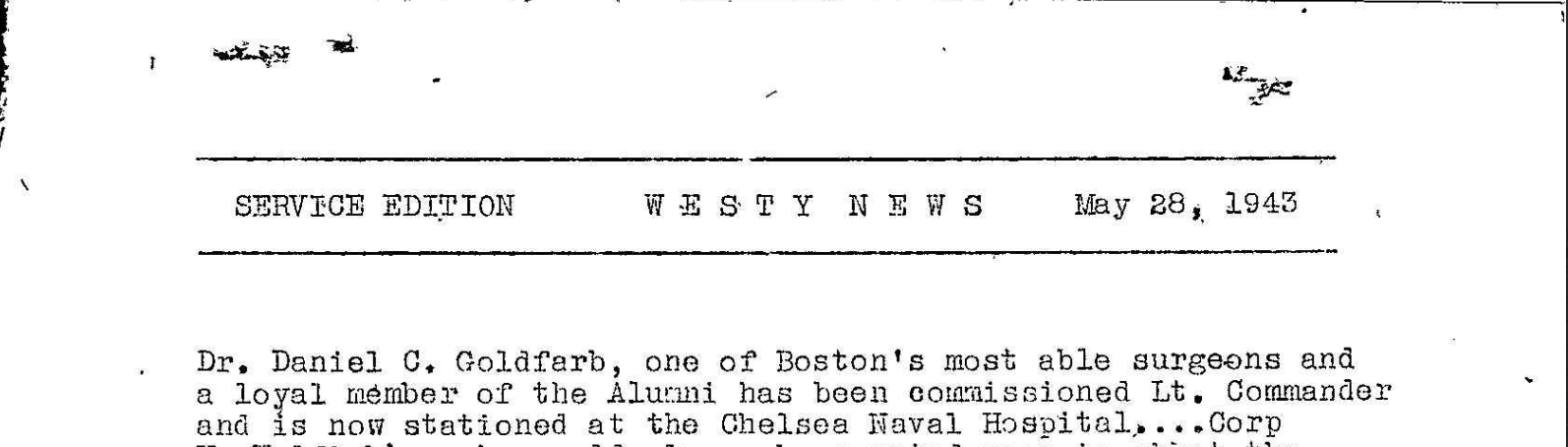
Dr. Daniel Goldfarb was a surgeon and obstetrician and alumnus of the West End House. In a letter to the West Ender, Hy Scott wrote: “many West End children were brought into the world by the capable hands of Danny Goldfarb.”
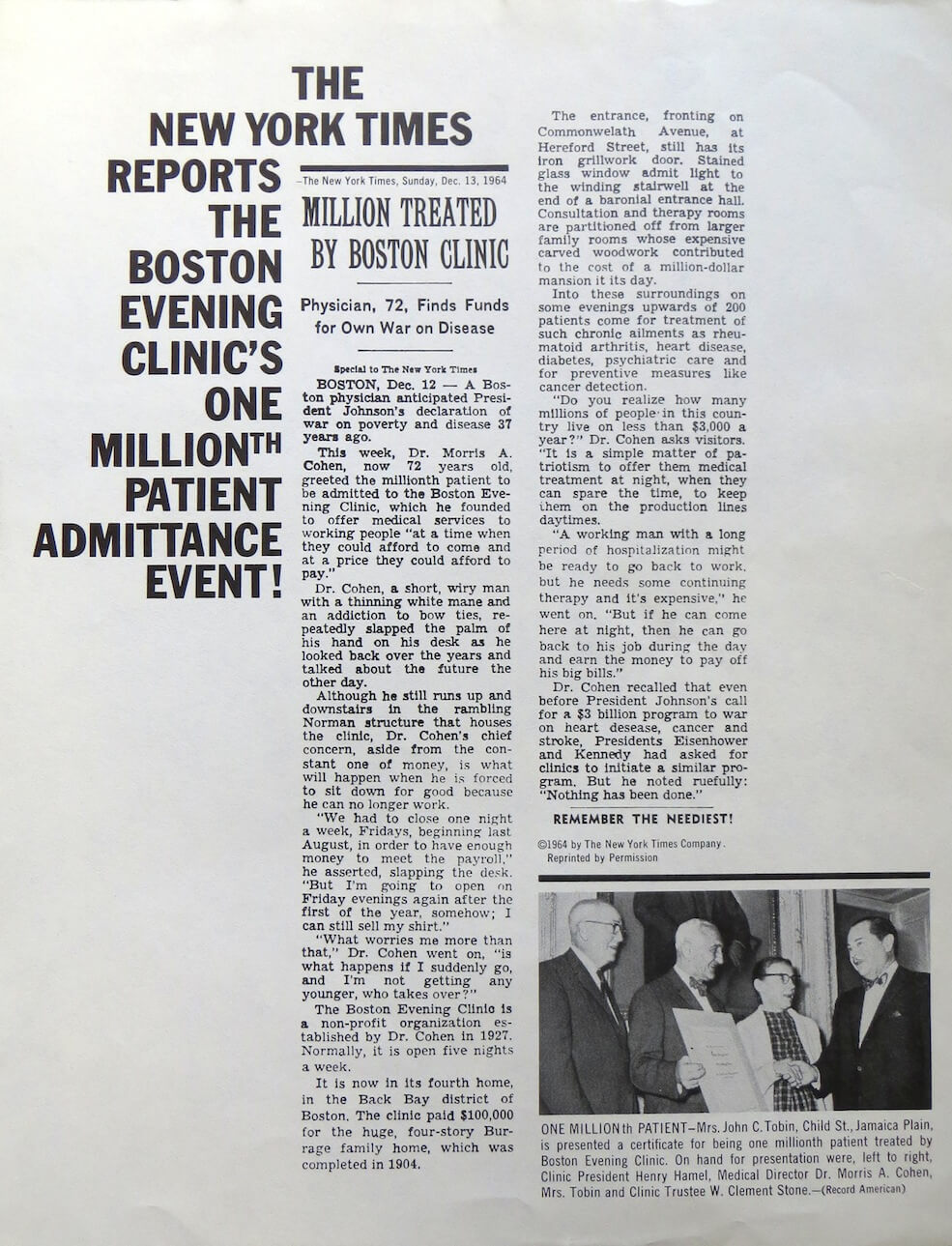
Dr. Morris A. Cohen’s Boston Evening Clinic was founded in 1927 at 15 Grove Street. It provided medical care for indigent and low-wage workers who paid up to 50 cents per visit. The clinic was supported by Cohen’s own funds for many years. The clinic later expanded to include pediatrics, dental, OB/Gyn, cancer detection, and psychiatry. John F. Kennedy sat on an advisory board while a senator, and Ted Kennedy also supported Cohen’s work. “This immigrant father believed he owed his new country and the people of the West End and beyond, the kind of healthcare necessary to keep them working and able to live free from fear of health disability,” wrote Dr. Cohen’s son Richard.
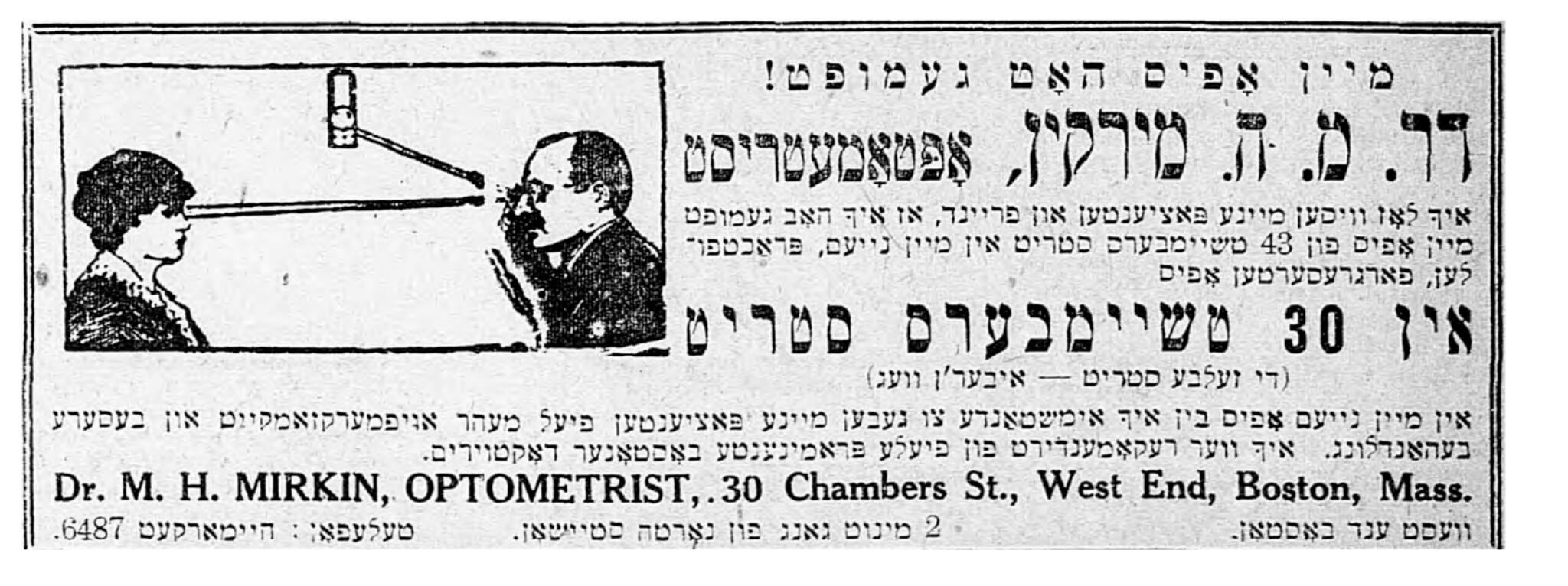
The optometrist Dr. M. H. Mirkin operated during the 1920s on Chambers Street. Dentists Dr. Goldberg and Dr. Swartz had clinics on Chambers St., while Dr. Weener had an office between Staniford and Cambridge Streets.
Dry Goods, Clothing, and Household Items
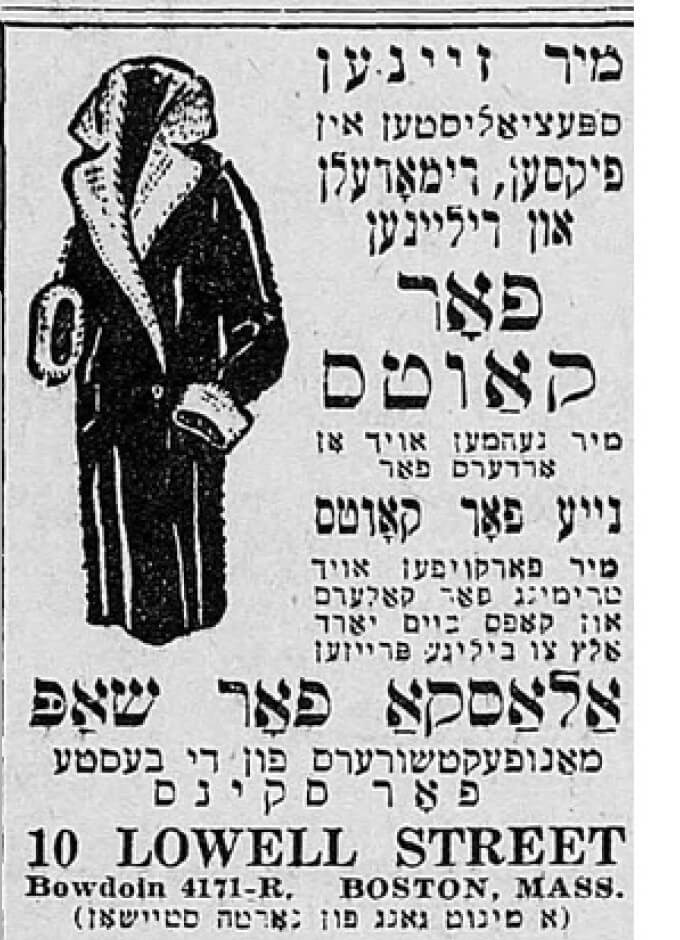
Oshry Brothers on Spring Street was a dry-goods and household items store operated by the Oshry brothers. They were remembered warmly, described as “the only ones who knew everything they carried.” They sold everything from lamps to dresses to pickles. The store had large boxes behind it in Kramer’s Alley where neighborhood children played. The Alaska Fur Shop on 10 Lowell Street was also run by the Oshry Brothers, specializing in repairing, remodeling, and re-lining coats.
Lipper’s Dry Goods on Spring Street had “a faded pair of dungarees hung out front.” Aronson’s Dry Goods was a family-owned dry goods/clothing store on Brighton Street. Residents remembered it as having “cartons of nylon stockings.” Other dry goods stores included Yaffe’s Dry Goods and Snyder’s Dry Goods on Causeway Street, and Missel’s Dry Goods on Blossom Street.
Wasserman Shoe Store, located at the corner of Chambers and Spring Streets, was a family-run shop. Mr. Wasserman served the neighborhood for almost 50 years until the late 1950s, selling and repairing footwear.
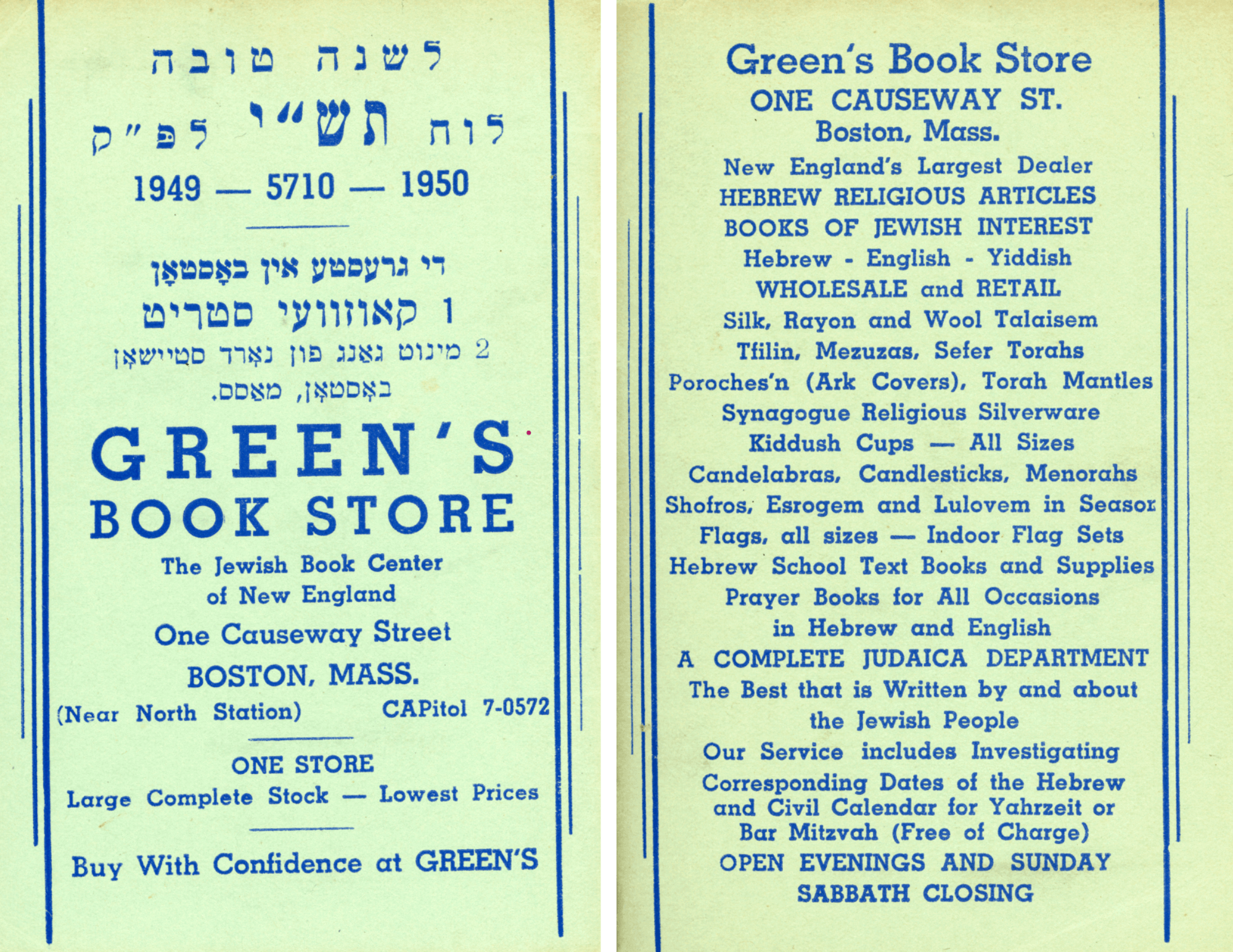
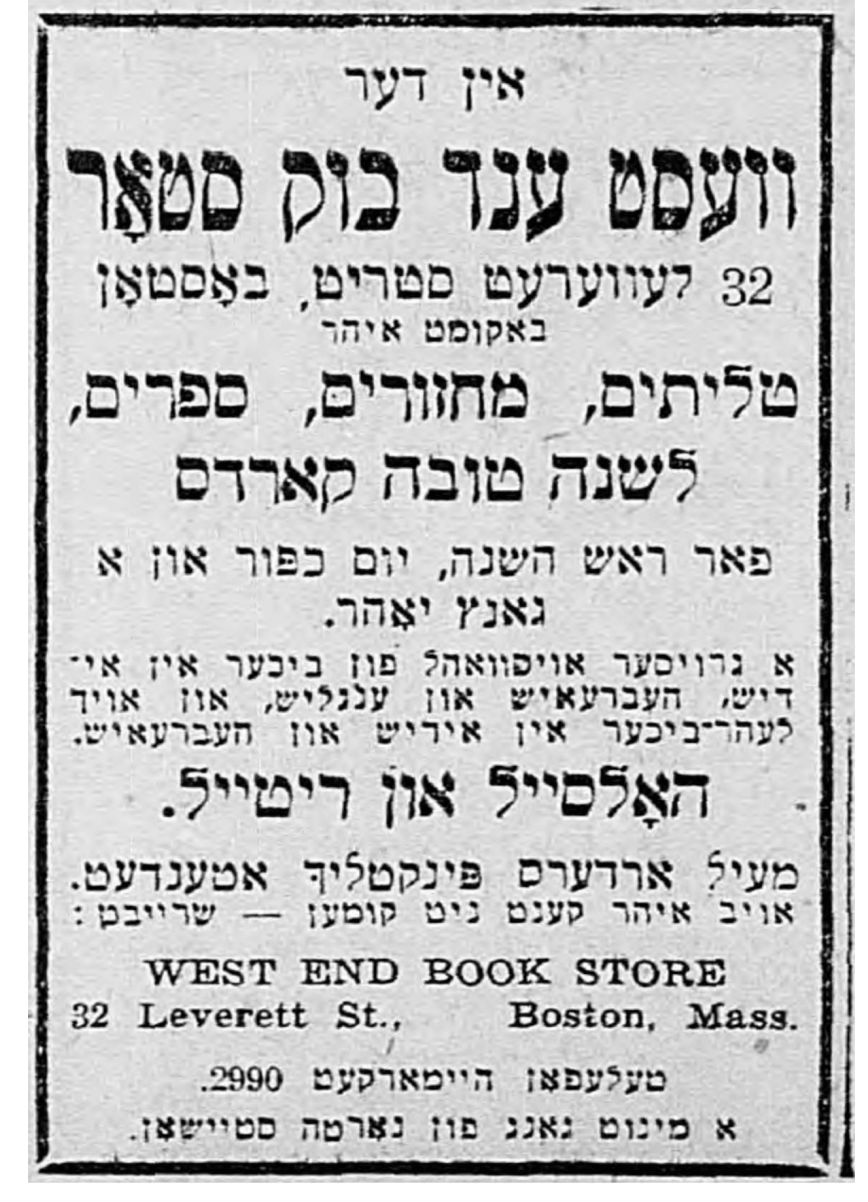
Green’s Jewish Bookstore at the corner of Leverett and Causeway (1 Causeway St.), managed by Moses Green, served the neighborhood’s religious and educational needs. A 1949 ad described it as “The Jewish Book Center of New England” and “New England’s Largest Dealer” of Hebrew, English, and Yiddish religious articles. The store sold prayer shawls, tefillin, mezuzas, Torah scrolls, kiddush cups, candelabras, menorahs, shofars, Hebrew school textbooks, and prayer books. The West End Book Store on 32 Leverett Street also sold religious items and Jewish holiday cards.
Sam the Clothier at 9 Green St. advertised in September 1925: “You need to dress men and boys! In my new, large store you will find a special line of pants and caps for the holiday.”
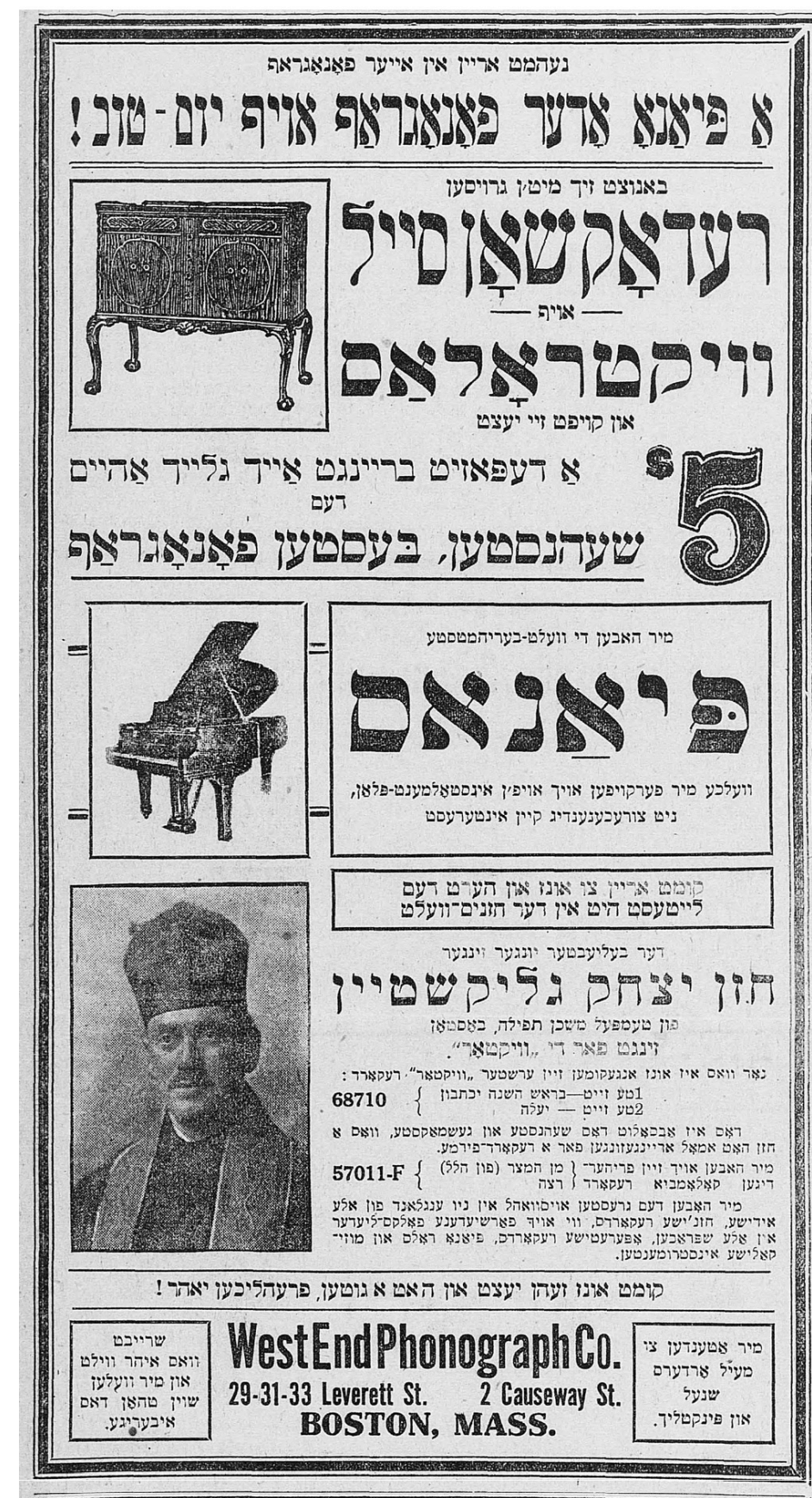
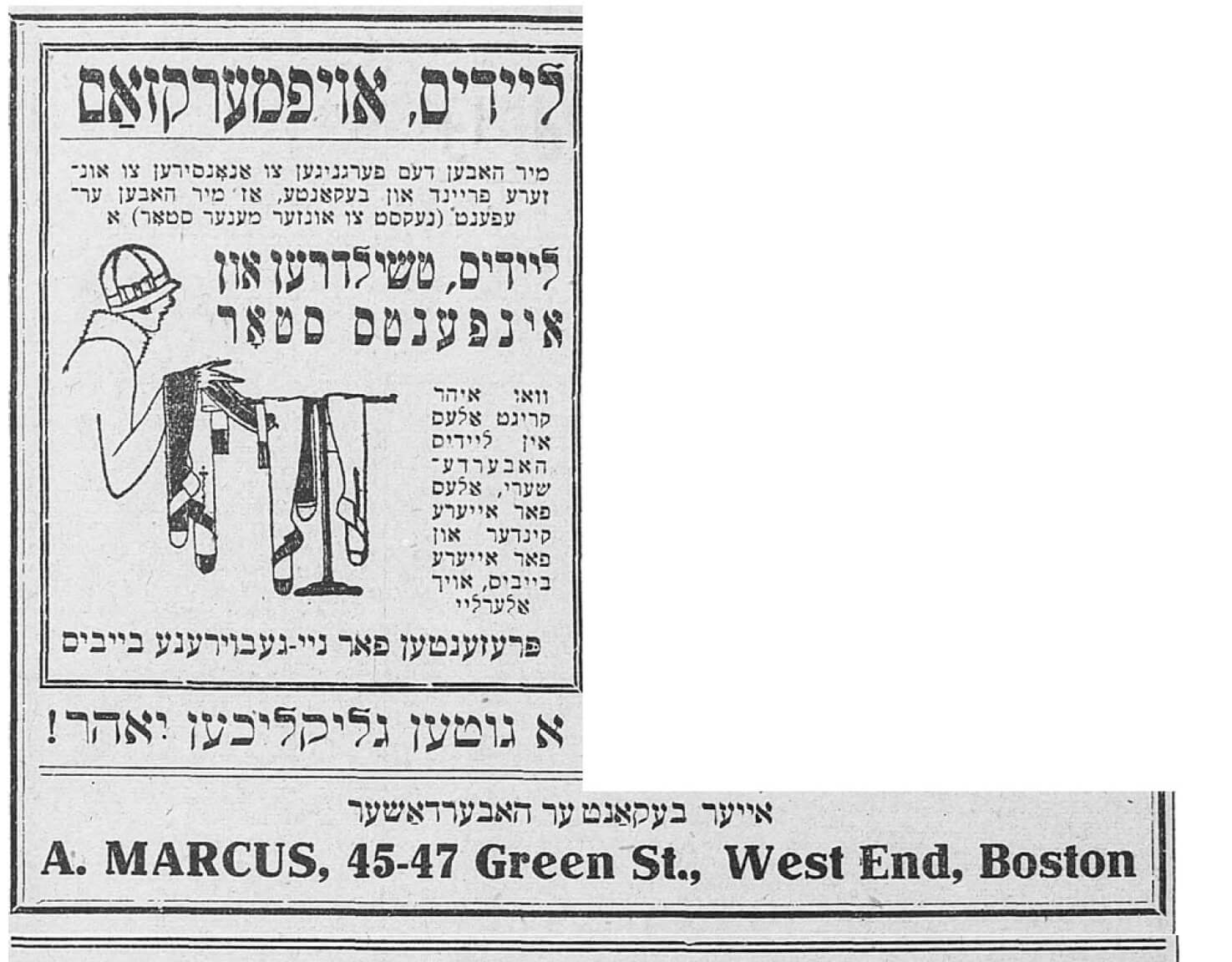
Other clothing and household items shops included West End Phonograph with locations at 29-33 Leverett Street and 2 Causeway Street. The Mendelson family operated Mendelson’s Gowns as part of the West End’s Jewish merchant class. Miller’s Tailor Shop was on Spring Street, Goodfinger & Sayat Tailors practiced on Chambers Street, and a clothing shop owned by A. Marcus was on 45-47 Green Street. Leventhal Jeweler was operated by Nathan Leventhal.
General Services
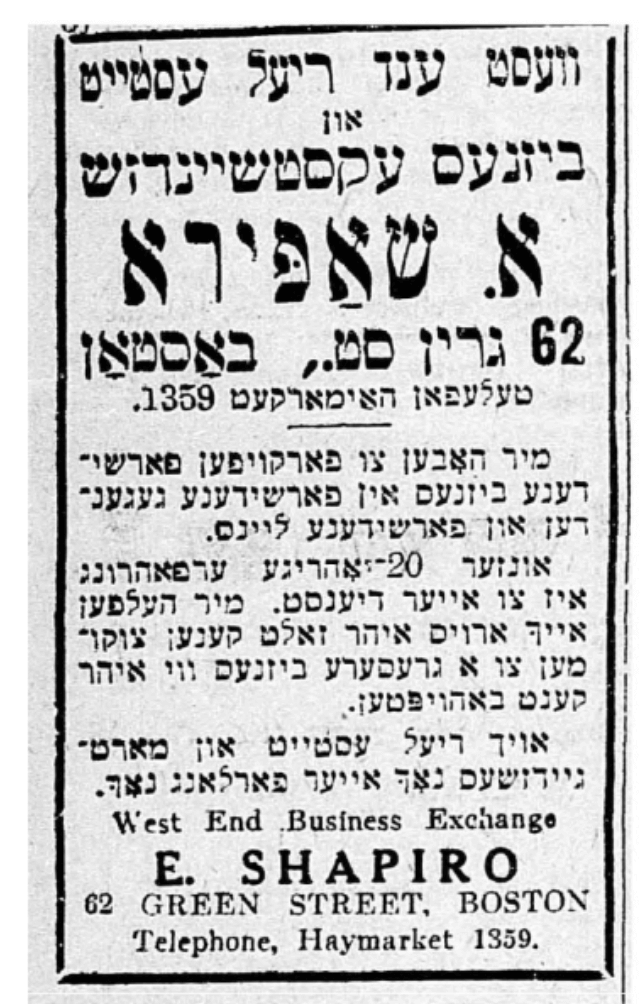
West End Real Estate and Business Exchange at 62 Green Street was owned by E. Shapiro. The firm advertised in July 1924: “We have to sell various businesses in different areas and different lines. Our 20 years of experience is at your service.”
Stanetsky Funeral Home on Green Street provided Jewish funeral services. Mary Jackman witnessed the establishment’s evolution during the tragic 1918 flu epidemic. She recalled, “Now Stanetsky the big funeral man during the flu epidemic of 1918 made caskets right out on Poplar Street. He had a cellar where they made them. He was so overrun that he used to make them right out on the street.”
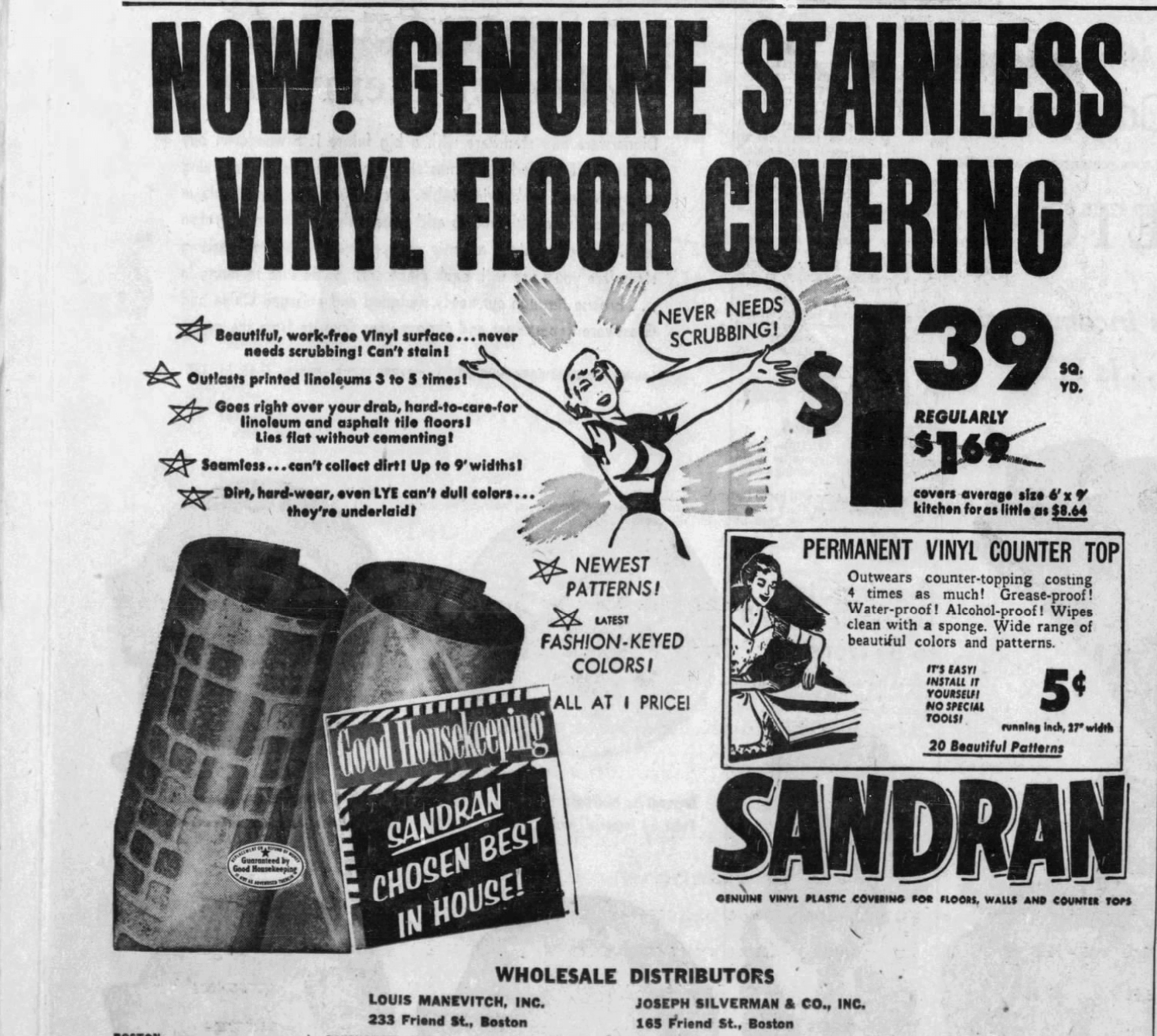
Other service businesses included The Brezniak/Bresniak Family Movers, Manevitch Linoleum on Leverett Street, and Cohen Junk on Wall Street. Max Nimoy’s Barber Shop—Leonard Nimoy’s father’s hairdressing business—operated on Leverett Street opposite Park.
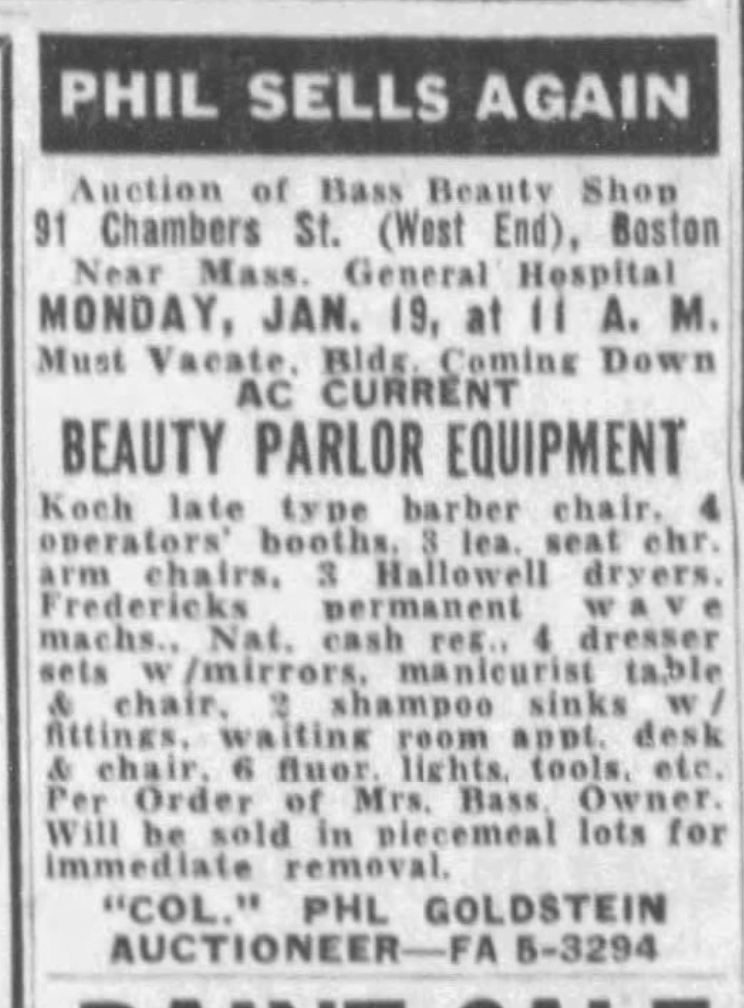
The Bass Beauty Shop at 91 Chambers Street at the corner of Poplar St. was operated by the mother of Sarah and Bella Bass, who lived on the second floor. The shop served neighborhood women for 35 years, becoming both a social hub and a symbol of stability in the immigrant community. Madam Bass had worked as a hairdresser for court ladies under the czar in Russia before escaping during the revolution. “We all called her Madam Bass,” Jackman recalled. “Those were the days when they used curling irons. We all went to her to have our hair done. And Madam Bass was a rendezvous.”
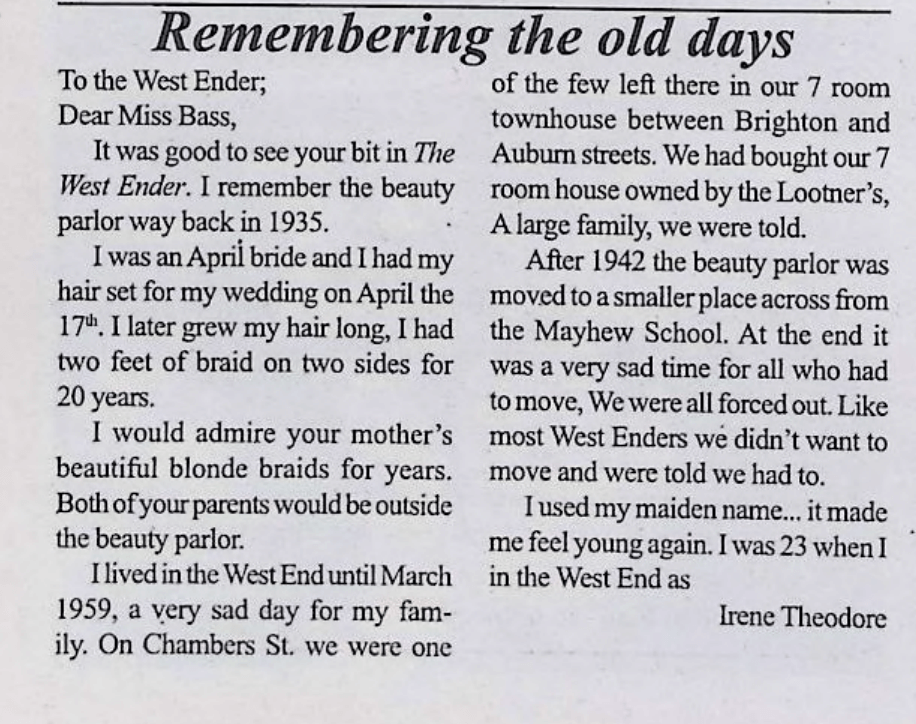
West Enders describe the Bass Beauty Shop as a welcoming establishment where working-class Jewish and Italian women alike could have their hair done and exchange news. They remembered Madam Bass as a “great woman” who would supply lunch for clients if they were at the salon during lunch time.
Antique Shops: The Heart of Lowell Street
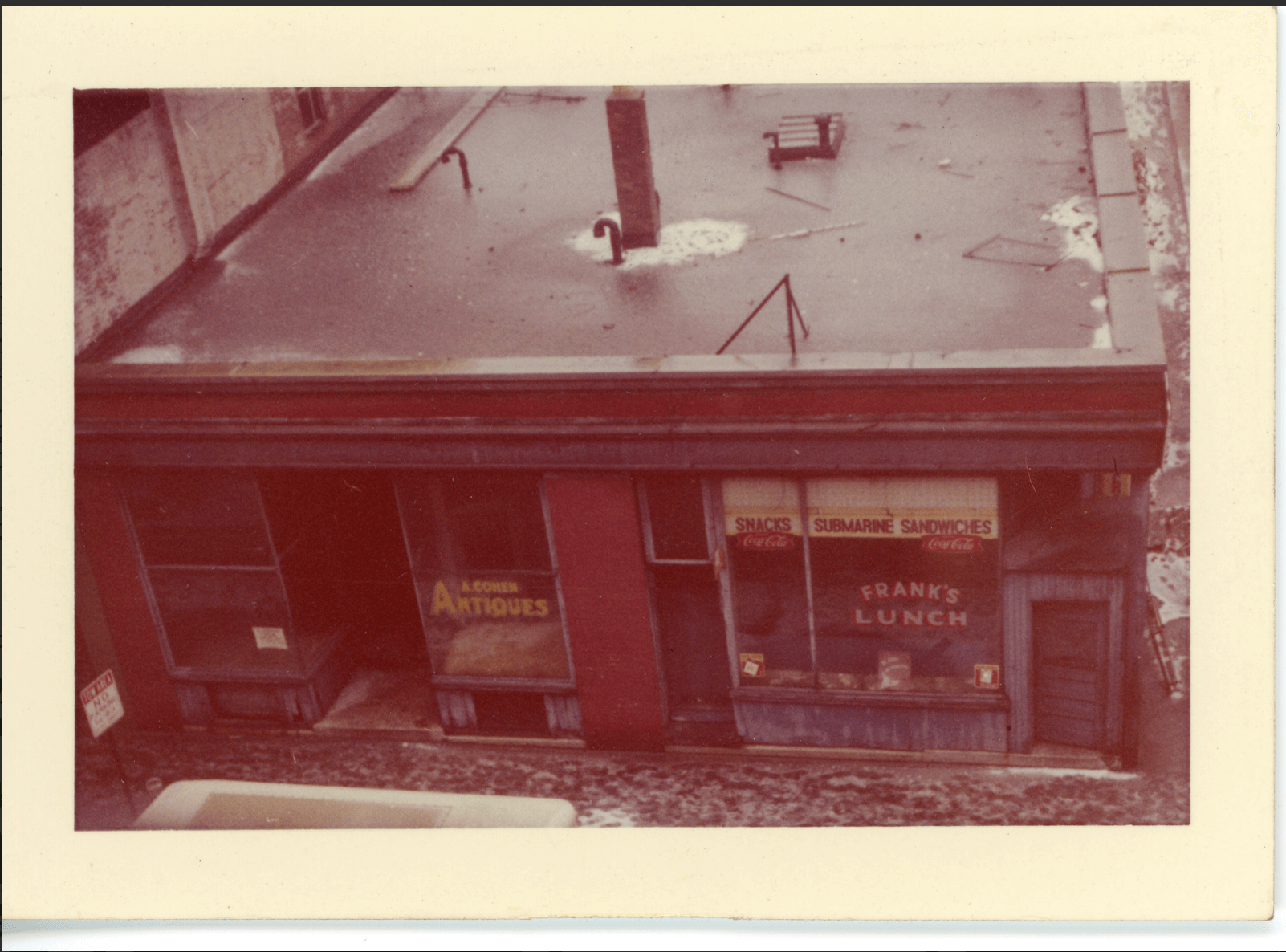
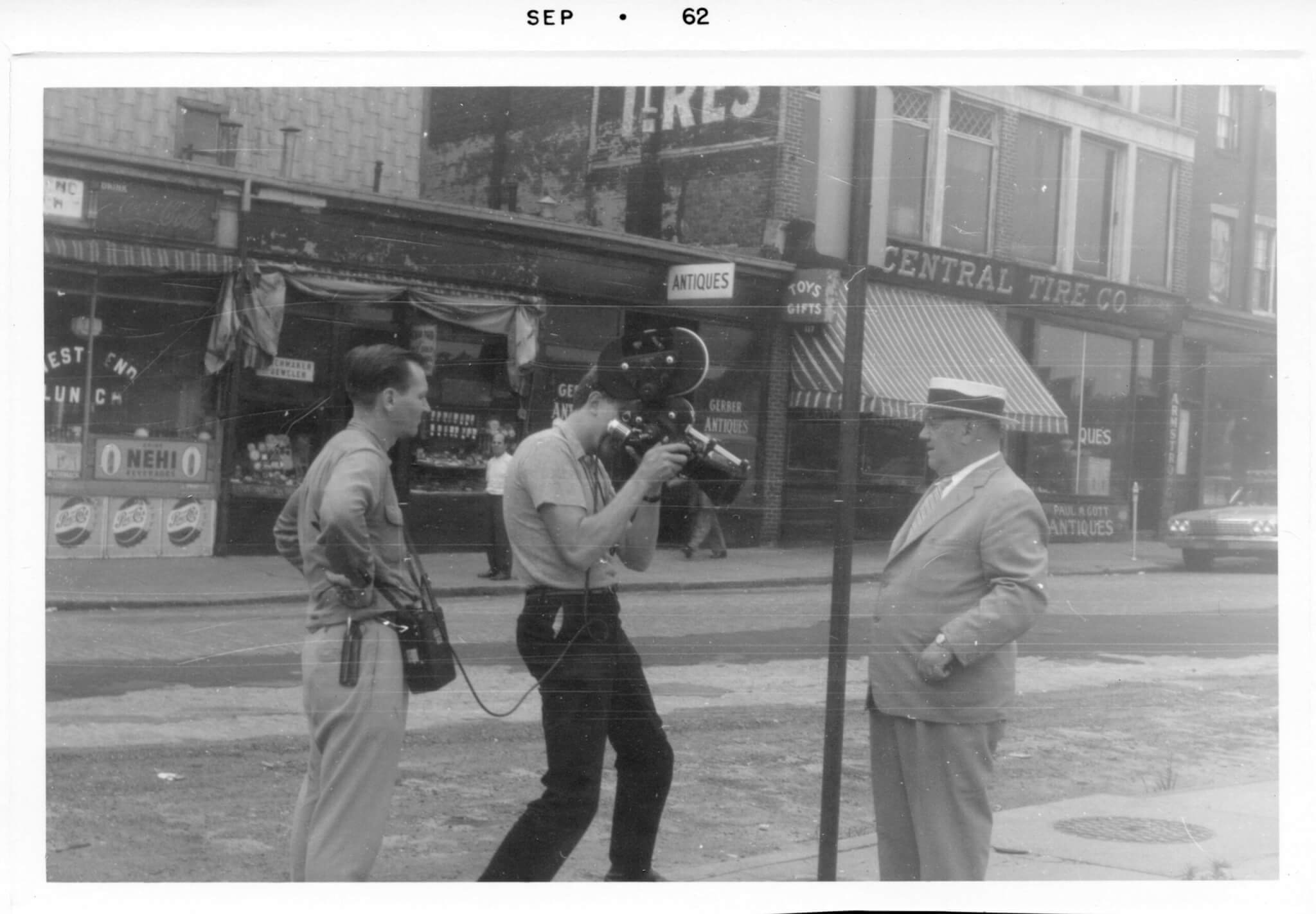
Lowell Street housed a remarkable concentration of Jewish antique dealers from the 1920s through the neighborhood’s demolition in the late 1950s. Researcher Jeanne Schinto documented at least fifteen Jewish-owned antique shops operating on this single street. The 1946 Boston City Directory revealed several establishments. Abraham Bernhardt Antiques at #12, Morris Narefsky Antiques at #14, Morris Lampert Antiques at #15, Louis Schwartz Antiques at #19, Maxwell Touber at #20, Harry Gropman Antiques at #21, Abraham Cohen Antiques at #33, Paul M. Gott Antiques at #37, Sam’s Antique Shop at #55, and Samuel Wernick Antiques at #67.
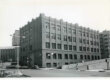
Max Kushner Antique Repair, also known as Max Kushner’s Sheet-Metal Shop, operated on Lowell Street. It was located on the ground floor of what is known today as “The Last Tenement” on 42 Lomasney Way. It specialized in making antique-looking sconces—a skilled craft requiring metalworking expertise. Max’s grandson, Alan Segal, described it as being “like the bar in ‘Cheers,’ but a metalsmith shop,” where visitors like beat cops and RMV workers would “drop in and tell their stories” and share a “shnipik” (Yiddish term for a small drink) of V.O. whiskey.
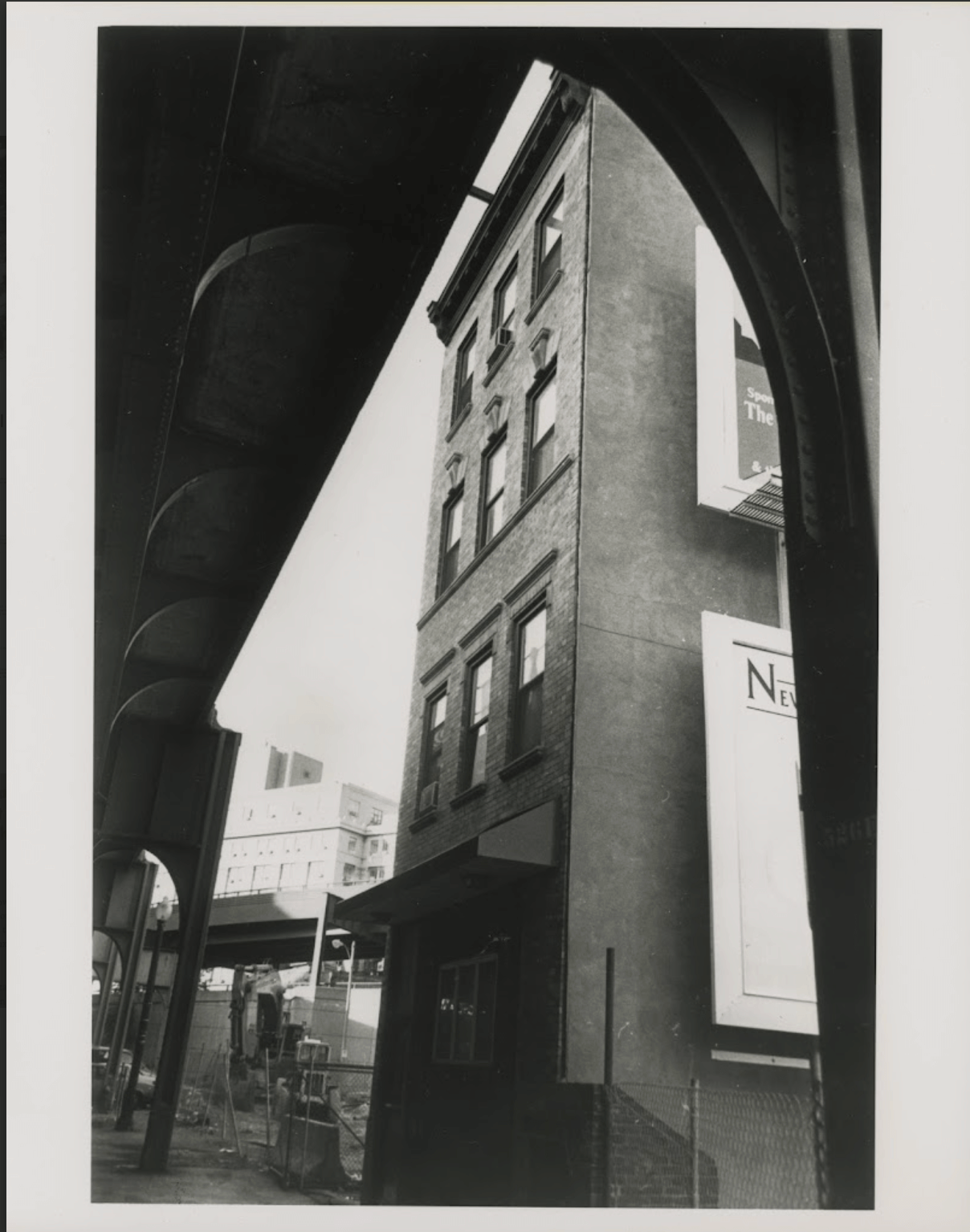
This clustering of Jewish antique dealers on Lowell Street represented yet another specialized commercial niche that Jewish entrepreneurs carved out in the West End’s diverse economic landscape.
Article by Amir Tadmor, edited by Jaydie Halperin
Sources: Santo J. Aurelio “Jews and Italians in the West End of Boston, 1900-1920” May 7, 1984, The West End Museum Archives; Meaghan Dwyer-Ryan “Ethnic Patriotism: Boston’s Irish and Jewish Communities, 1880-1929,” dissertation, (Boston College, August 2010); Isaac M. Fein, Boston: Where It All Began – An Historical Perspective of the Boston Jewish Community (Boston Jewish Bicentennial Committee, 1976); Forṿerṭs (Forward) newspapers, 1900-1958, from Historical Jewish Press, The National Library of Israel and Tel Aviv University; Mary Jackman, “Bruno Interview 0018,” October 8, 1980, The West End Museum Archive; Eric Moskowitz, “Boston’s Last Tenement – an Island Awash in Modernity,” Boston Globe, August 15, 2015; Leonard Nimoy and Christa Whitney, “Leonard Nimoy Remembers Boston’s West End Neighborhood” (Yiddish Book Center, February 6, 2014); Josie Savage, “Bruno Interview 0029”, October 24, 1978, The West End Museum Archive;Jeanne Schinto, “Israel Sack and the Lost Traders of Lowell Street” Maine Antique Digest, April 2007, accessed from the West End Museum Archive; The West Ender Newsletter, 1985-2022; Yivo Institute for Jewish Research, “Runaway Husbands, Desperate Families: The Story of the National Desertion Bureau”, exhibit, on view June 17, 2024 – May 20, 2025.