
A Restaurant Tour of the Modern West End
The West End of Boston might be smaller than other neighborhoods, but its food culture still packs a punch. Across the present-day and historic areas of the neighborhood, foodies can find fine dining, quick bites, family owned-restaurants, and relics of the old days of the West End. Celebrate tried and true favorites or experience something new to eat in the West End!
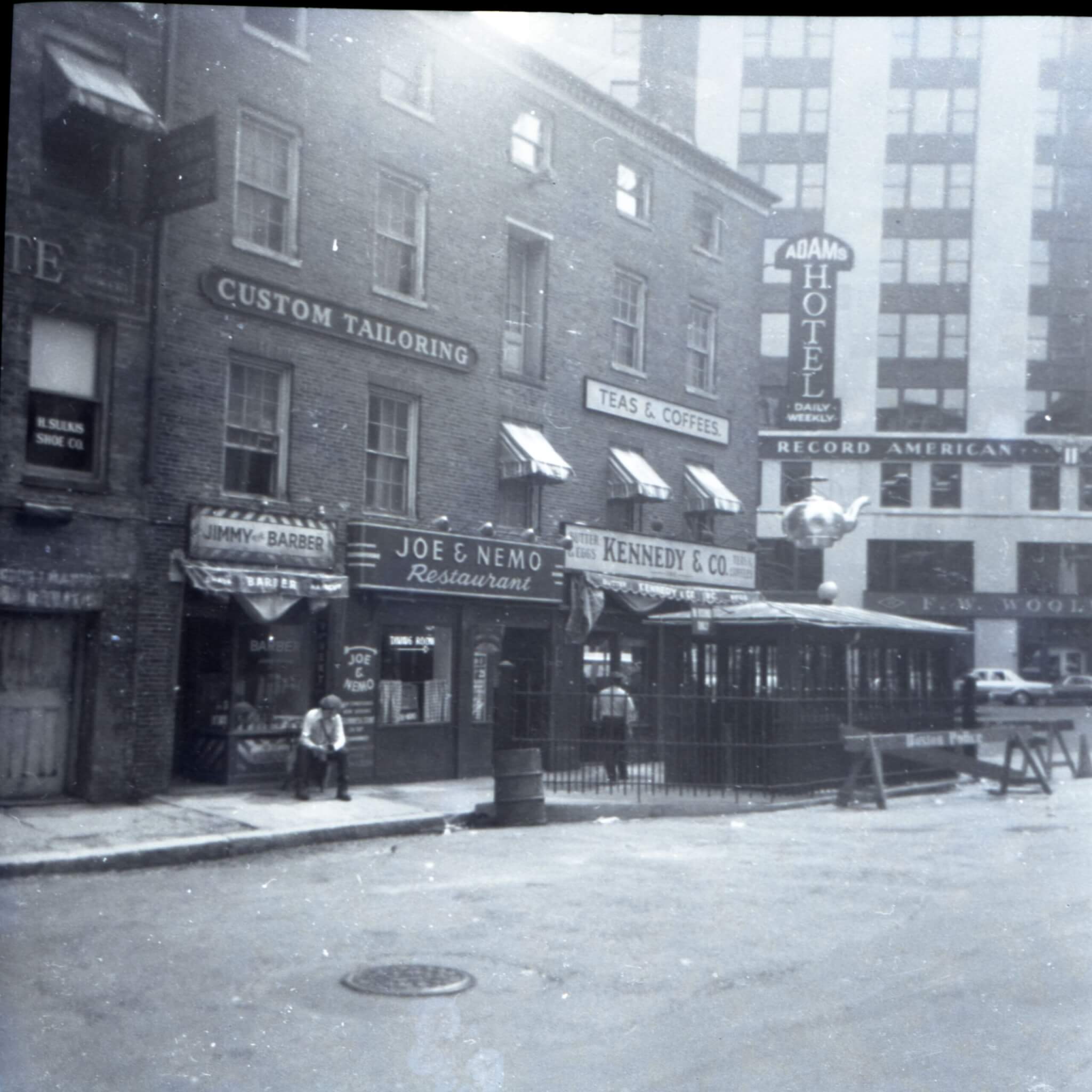
The streets of the historic West End neighborhood don’t look as they used to. The tenement buildings with ground floor businesses and restaurants gave way to mid- and high-rise apartments in the decades following urban renewal. The delis, bakeries, and quick service food joints of the old neighborhood have moved or closed. Nevertheless, the West End is still home to a wide array of foods. Family owned restaurants, small local chains, and large corporate vendors may have changed, but the drive to serve good food to neighbors and visitors alike remains. From baked goods to pizza to classic pub foods, many restaurants and bars dot the streets of the neighborhood. These establishments are patronized by residents, employees of Mass General Hospital, tourists, or people catching games and performances at TD Garden. While restaurants face evolving challenges in a modern food landscape, especially in the years after the COVID-19 Pandemic, restaurants still serve as gathering spaces for the community.
Beacon Hill, Charles Street, and Cambridge Street
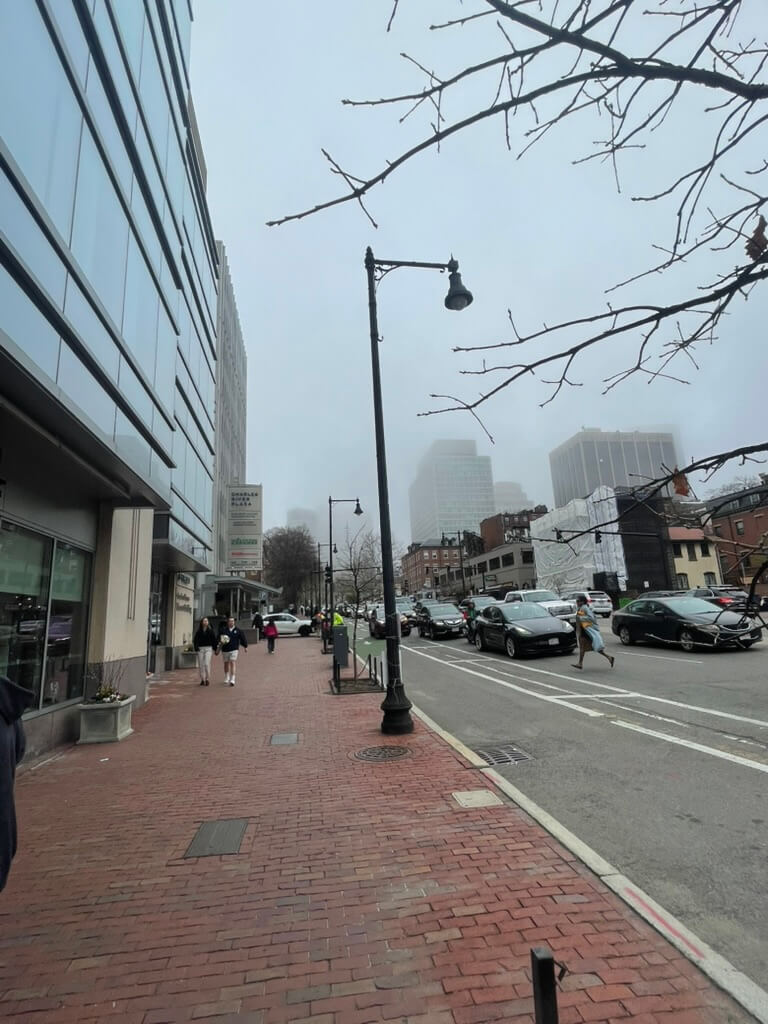
Businesses along the thoroughfare between City Hall and the Charles/MGH T station typically rely on Beacon Hill residents, MGH employees, and tourists taking in the sights of the historic neighborhood. With a lot of foot traffic comes a lot of hungry pedestrians looking for a coffee or a place to grab dinner before heading home on the Commuter Rail.
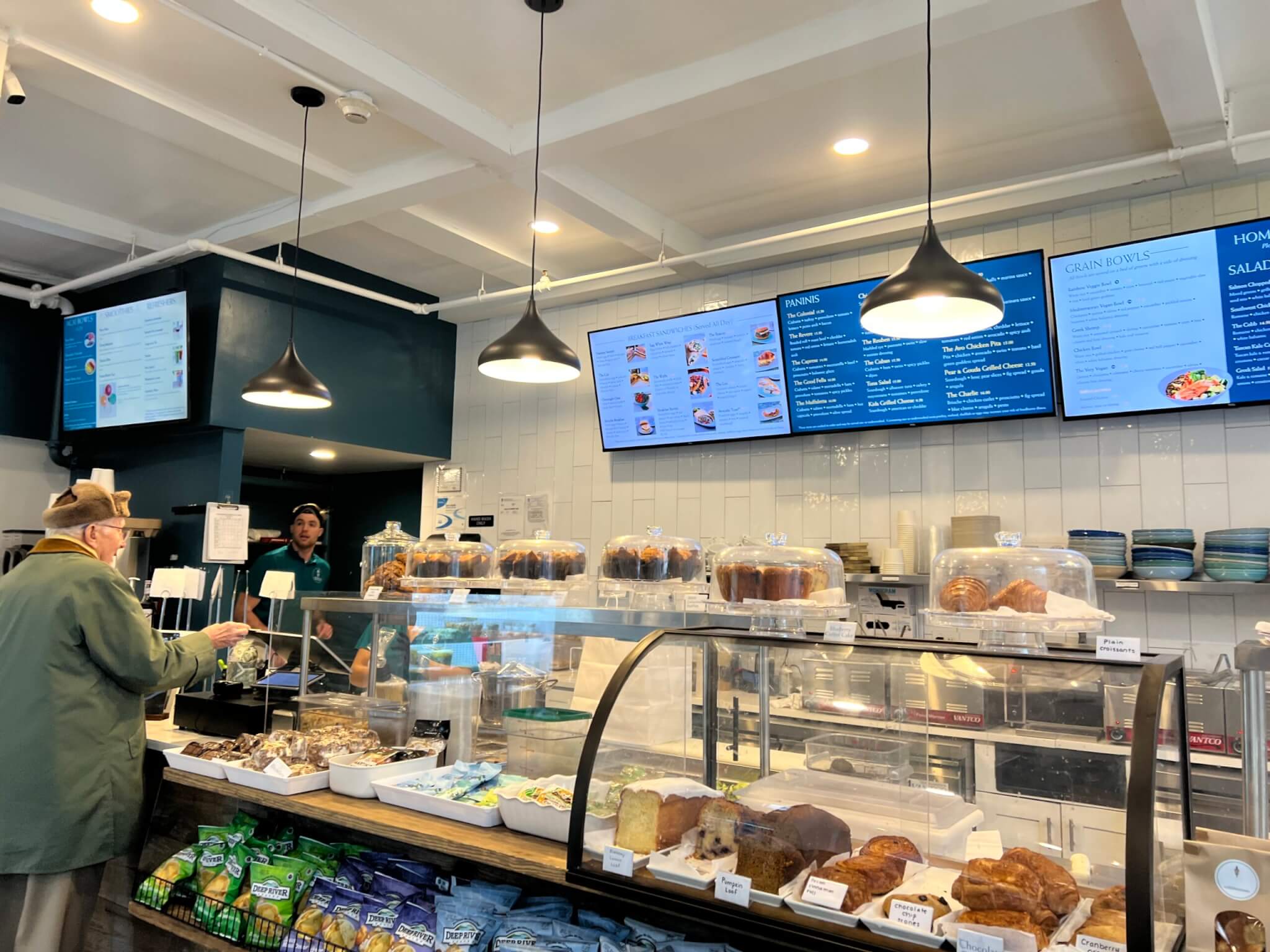
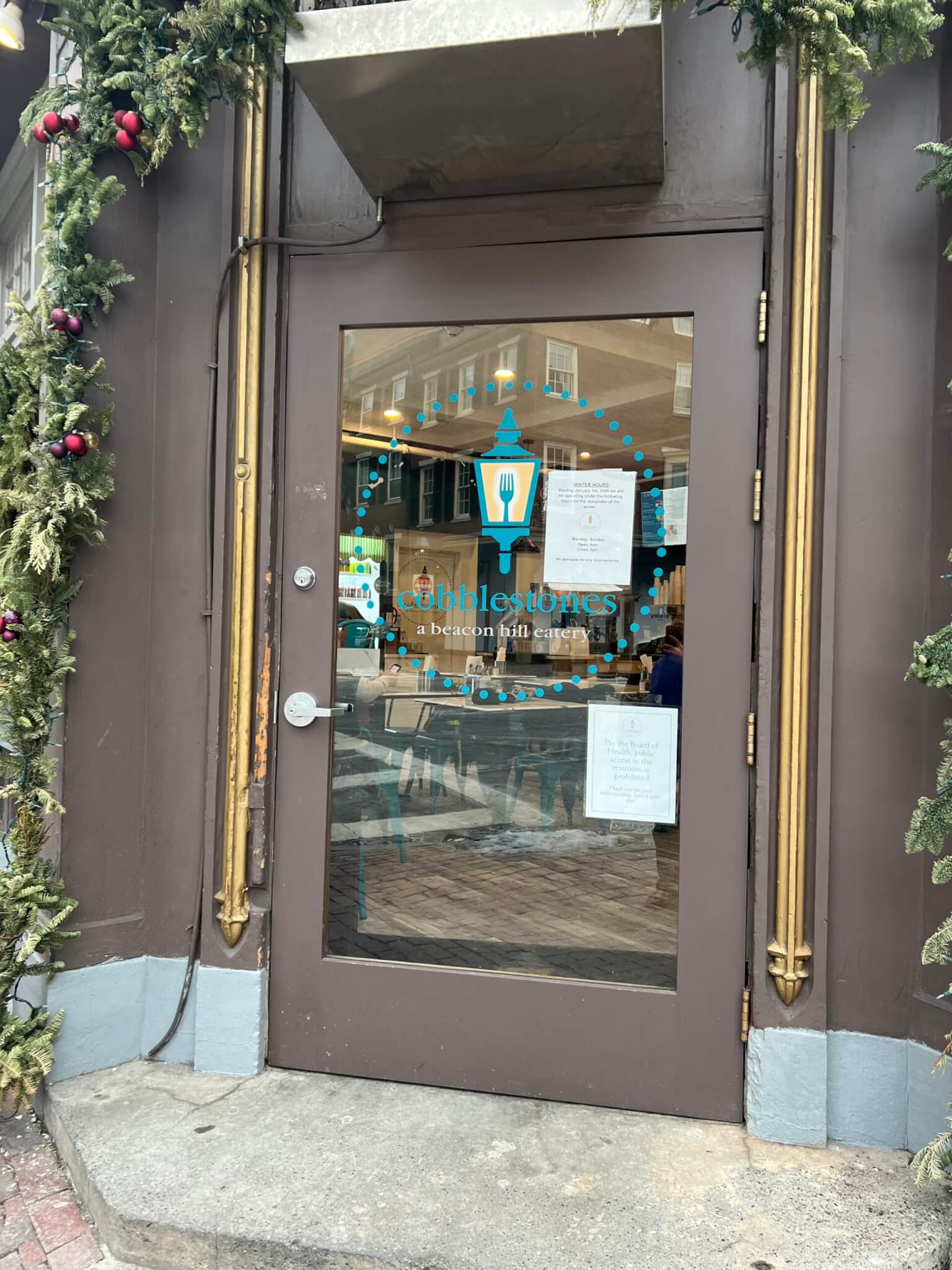
For an example of the offerings in this area, consider Cobblestones. This Beacon Hill Eatery is a cozy counter-service business serving breakfast bowls, sandwiches, and their specialty – soups. Customers can even order delivery of their favorite soups on a regular basis online. Jennifer Gallagher opened the business four years ago. Gallagher worked next door before opening Cobblestones, and loves the strong sense of community on Charles Street. She enjoys being in a place where people are kind to one another, where local businesses work together, and where she can cultivate relationships with regulars who live or work nearby. That community identity is evidenced on Cobblestones’ menu. Gallagher offers Italian Wedding Soup because one customer loves it, and orders it regularly.
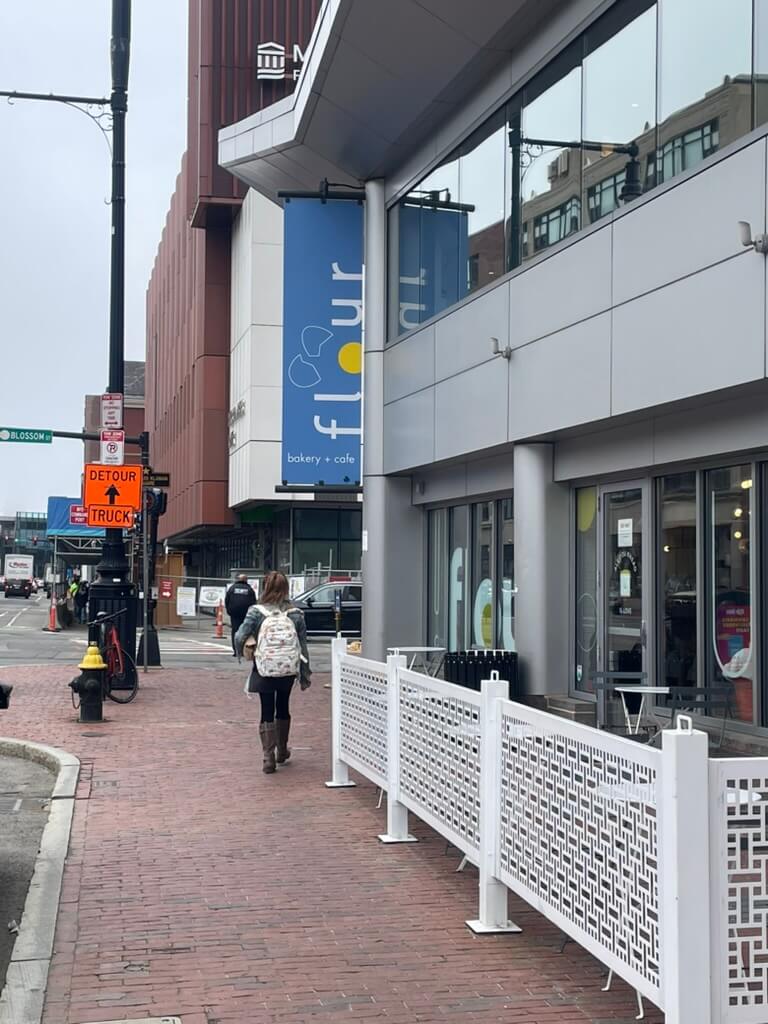
There are many quick eateries on the Cambridge and Charles Street thoroughfares. These include the local bakery and cafe chain, Flour, and Sabino’s Pizza. For those with enough time for a sit-down restaurant, Peregrine, a Mediterranean restaurant, features a “distinctly New England perspective” on Mediterranean cuisine. Their menu features seafood and white wine served over regional ingredients and produce.
Restaurants with roots reaching back to the old West End can still be found in places like Teddy’s on the Hill. Maintaining the layout and fixtures of the legendary bar, The Red Hat, Teddy’s preserves a remnant of Boston’s Scollay Square. The business embraces and pays homage to its history in the neighborhood on their website, and preserves the iconic Red Hat sign on the side of 9 Bowdoin Street facing Cambridge Street. Today, Teddy’s preserves the artistic legacy of the Red Hat, while serving the needs of the next generation of bar-goers.
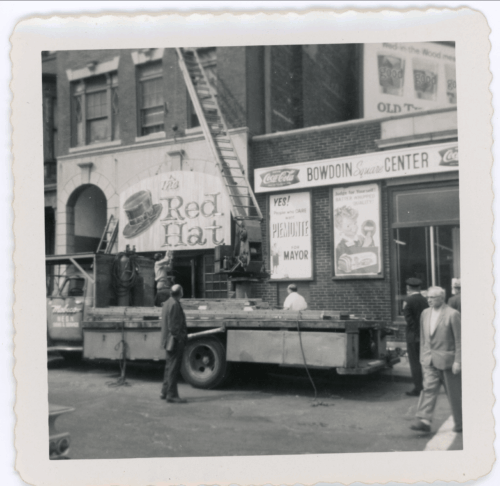
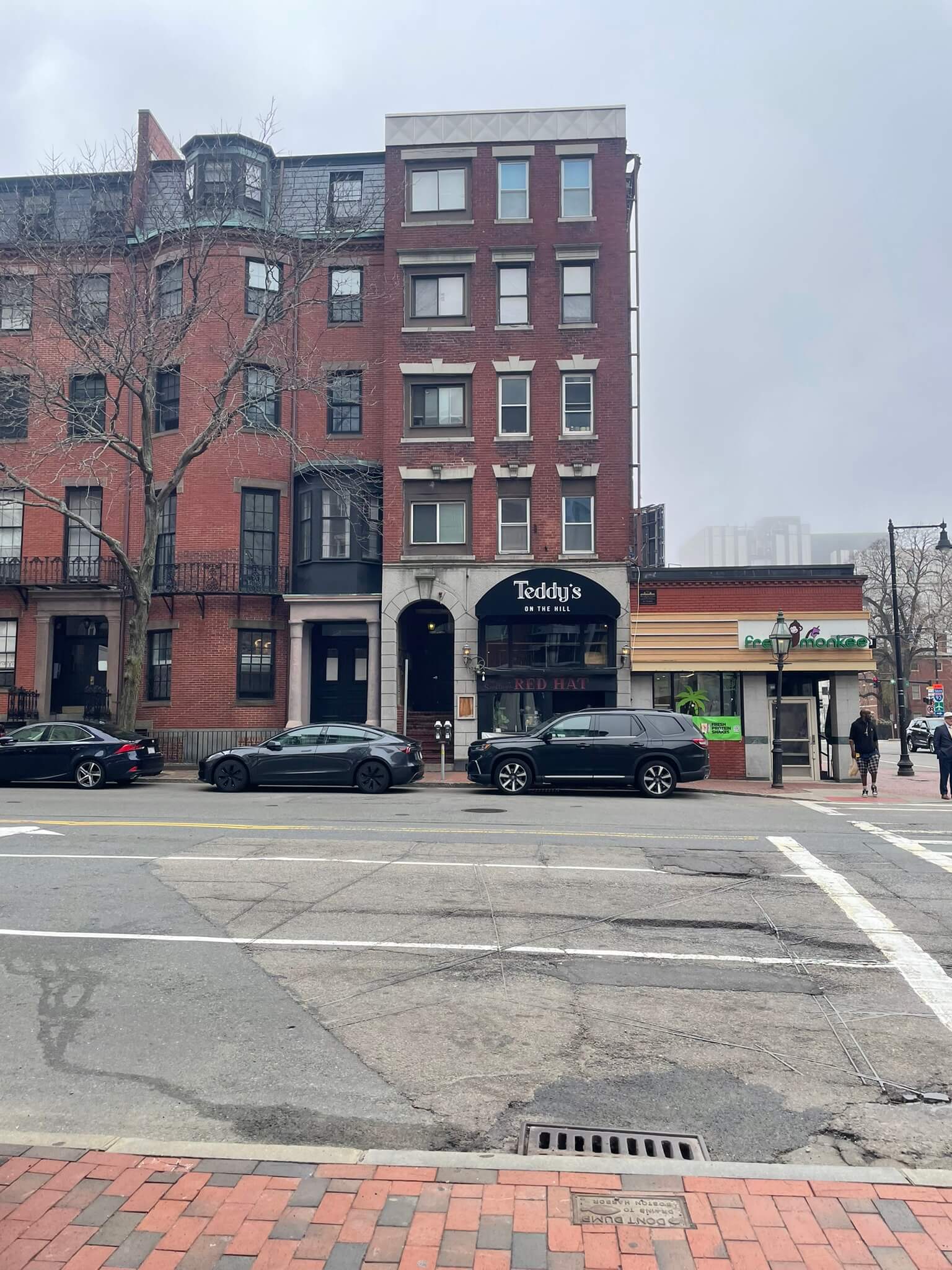
Over the last few decades, the restaurants on the block bordered by Cambridge, Bowdoin, and Temple Street have often been in flux. For over a century, the Red Hat served as a landmark in the West End. Teddy’s saved the bar when it closed in 2021, but plenty of other restaurants have left little behind. For many years, a Dunkin’ sat at the corner of Bowdoin and Cambridge, after its closure the storefront sat empty for several years before Fresh Monkee, a protein smoothie joint, opened in 2026. Next door, a series of Asian & sushi restaurants have occupied the same storefront – Osaka Sushi Express, Yummy Express, Ueno Fusion II, BlueFuji, New Sushi Inc., and, in 2026, YABA sushi. While the needs of commuters and residents remain the same, what’s on the menu will likely continue to change.
North Station, The Hub, and The Bulfinch Triangle
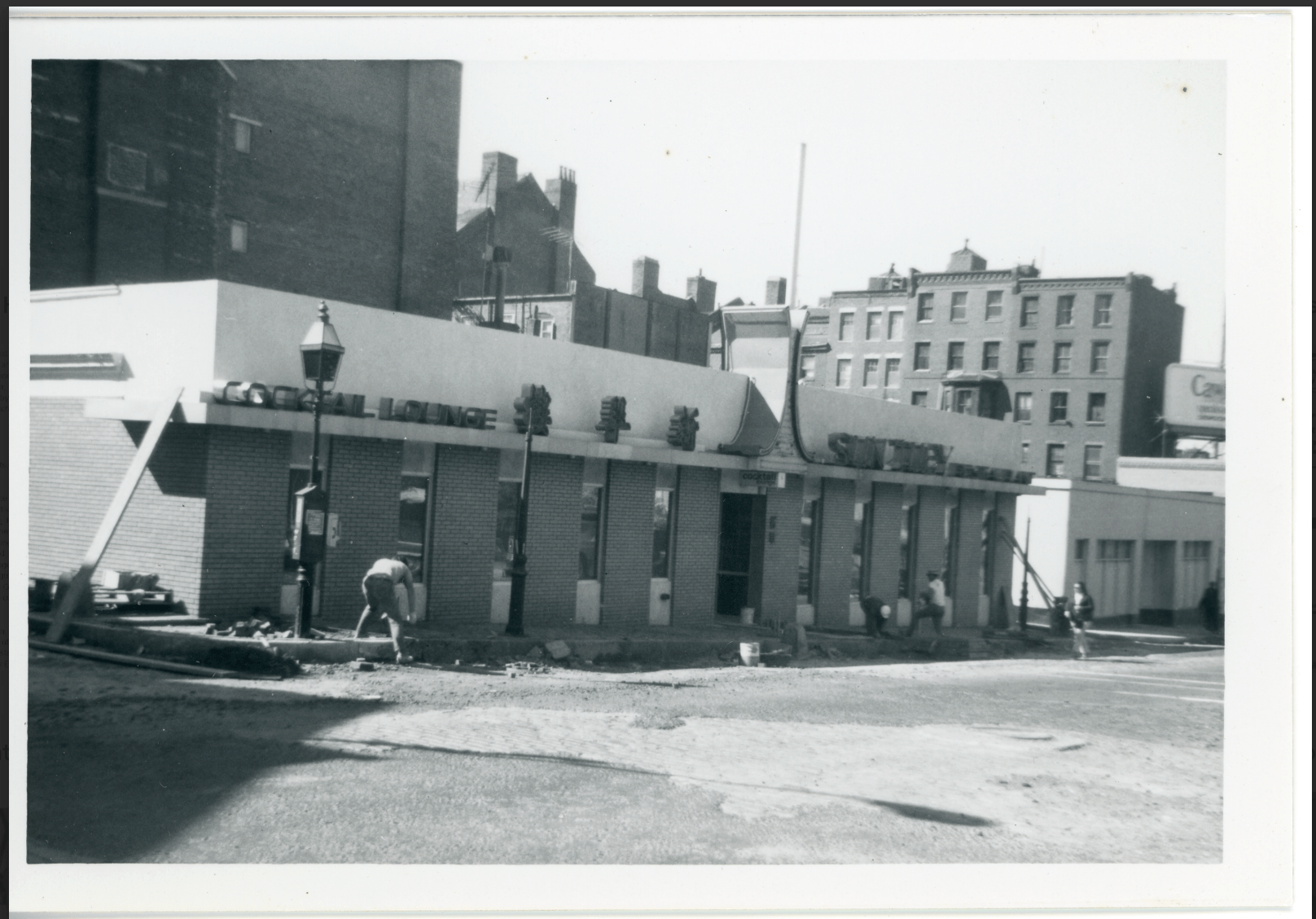
Businesses near North Station typically rely on foot traffic produced by tourists, North Station, and events at TD Garden. Hungry commuters, concert goers, and sports fans mingle at the Hub Hall food court or visit one of many nearby coffee shops. Notably, most of these patrons are not West End residents. The divided character of the West End, and its unusual nature as a low-density (for downtown) highrise district resulting from urban renewal limits the residents’ ability to support local businesses without external support. That dynamic is self-supporting, with many residents perceiving local eateries as externally-oriented even if they aren’t intending to be. This leads residents to patronize other neighborhoods, or order out, rather than stay close to home.
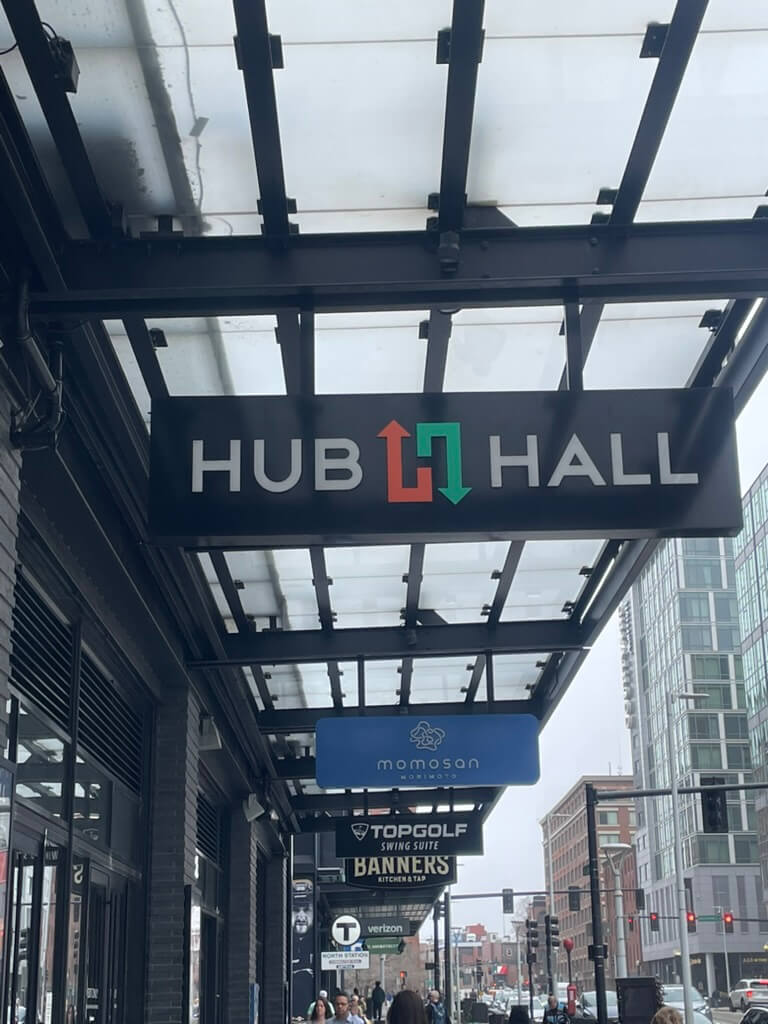
John Caron, owner of West End Johnnie’s, is one of the entrepreneurs who feels the separation from the West End residents. A former Board Member of The West End Museum, his restaurant pays homage to the historic neighborhood of the West End. The name of his restaurant, which opened the same year that Boston re-recognized the West End as an official neighborhood, reflects a commitment to that identity. The walls of West End Johnnie’s are adorned with the signs of various burlesque venues, restaurants, and other businesses from the old West End and Scollay Square. In an interview conducted for this article, Caron noted his appreciation for TD Garden visitors and tourists, but expressed a desire to be connected to the community of the modern West End. He hopes that residents of the West End will stop in.
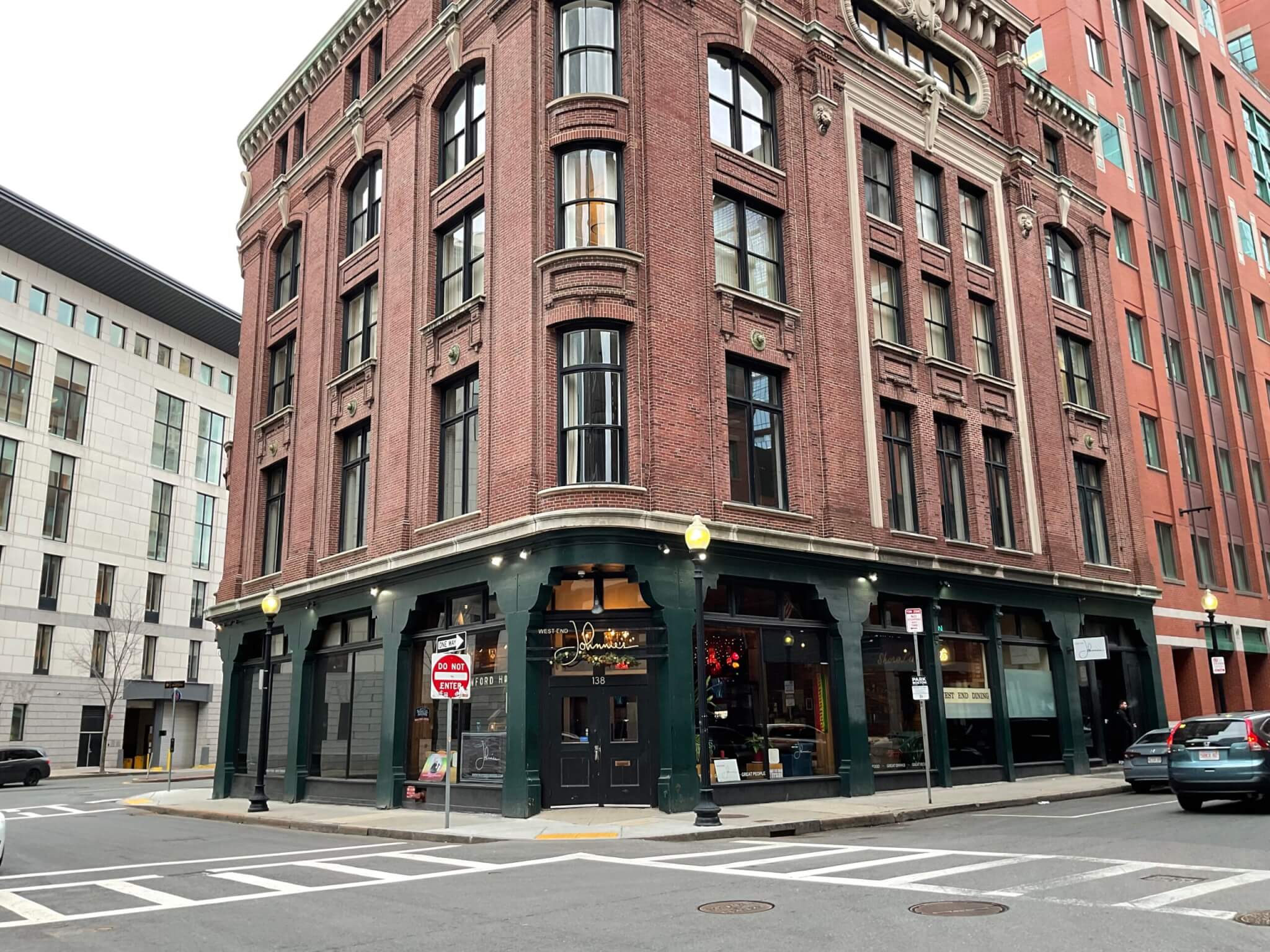
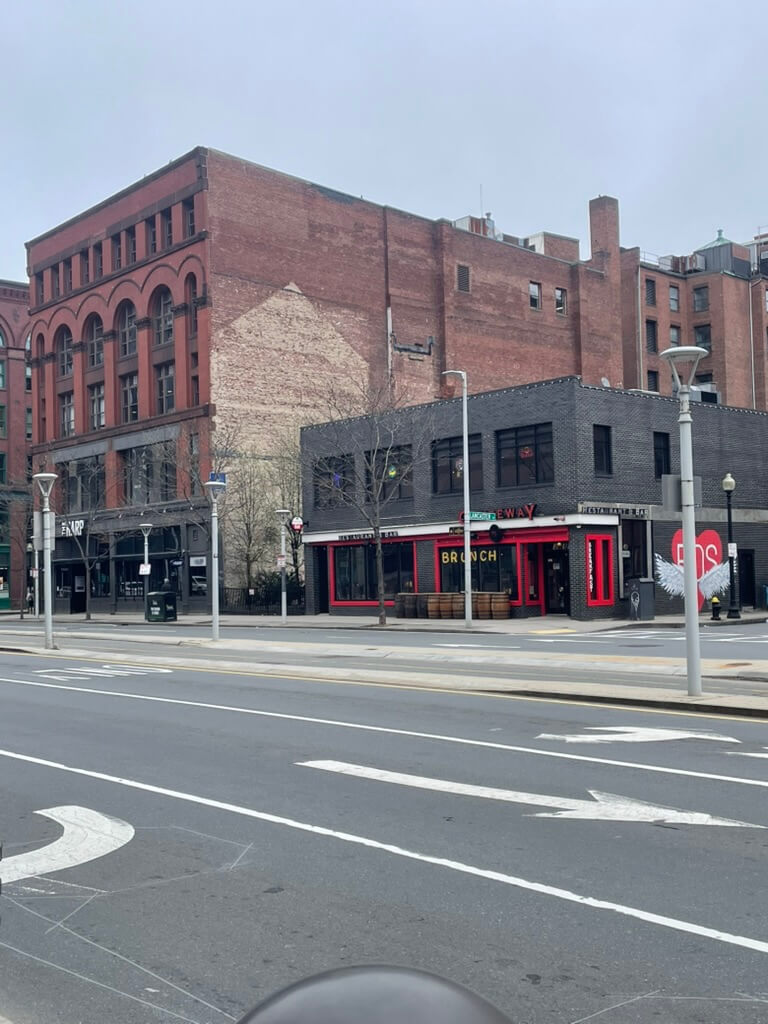
While most businesses in the area around North Station may get a lot of foot traffic from people going to TD Garden, some are also attractions in their own right. There are many sports bars lining Causeway Street where those who couldn’t get tickets to the game can still watch sports history unfolding in the West End. These include, the Greatest Bar, Causeway Restaurant and Bar, and the Harp. Across the Bulfinch Triangle, Ward 8 calls back to the West End’s ward number at the height of its political power under the leadership of Martin Lomasney, the only ward boss to survive James Michael Curley’s ascension from the South End to the mayoralty.
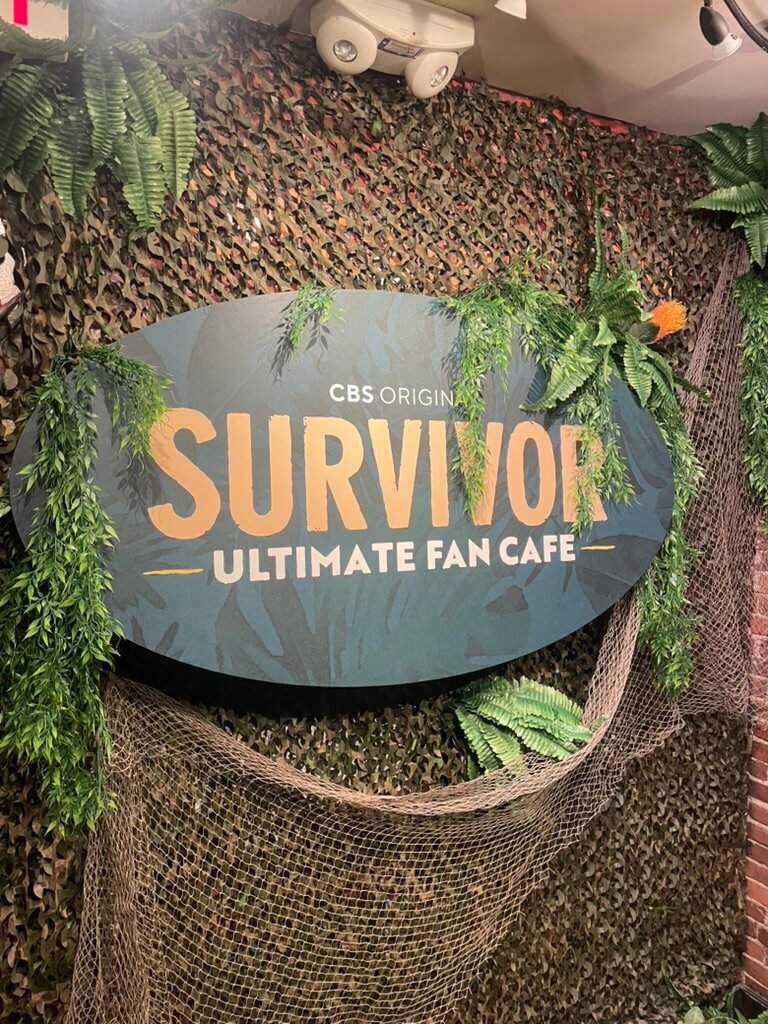
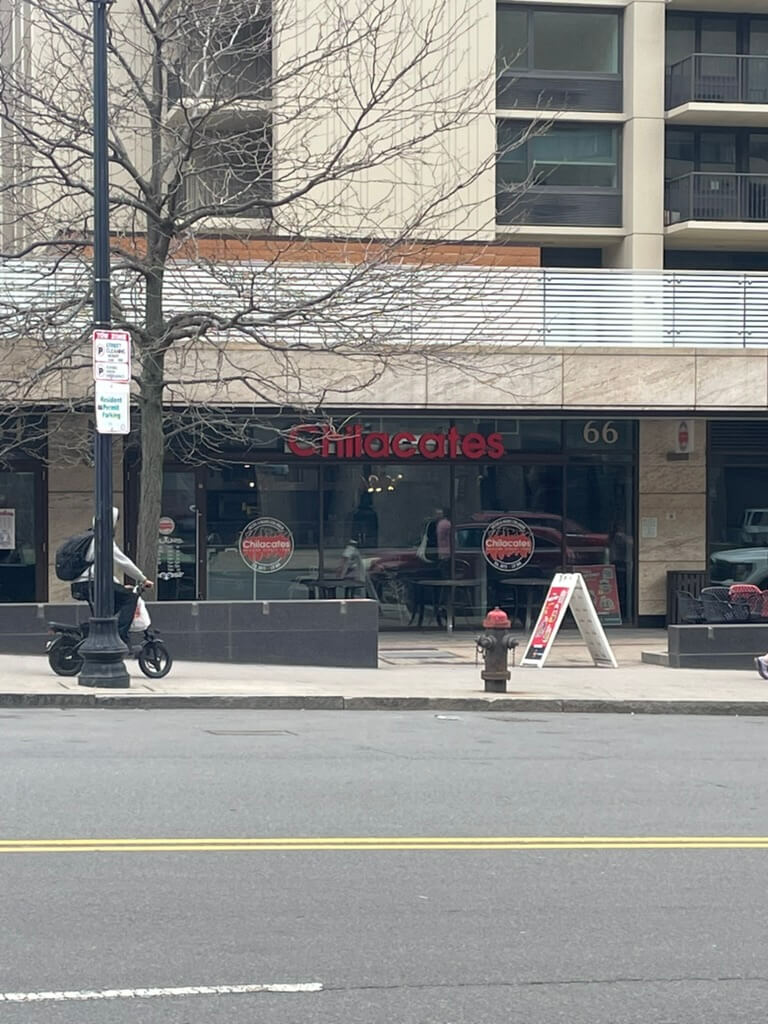
Other spots, like Boston Doner, Pizzaria Rustico, and Chilacates, serve quick bites from around the world. Much like in the historic West End, immigrants and their descendents share their traditional and fusion dishes with the community at restaurants in the neighborhood.
Over the past twenty years, the Triangle has seen its fair share of comings and goings. Looking at the block bordered by Causeway, Lancaster, and Portland Street as an example, the Causeway’s storefront was occupied by a bar called Penalty Box from (approximately) 2007 to 2013. After a major renovation, Causeway moved into the building in 2014. The site of West End Johnnie’s was vacant until December 2007, when the restaurant got up and running. On the other hand, The Harp has been operating since 1993.
Common Themes in the Restaurant Business
During and after the COVID-19 pandemic, businesses which had been staples in the community had to shutter their doors. Others are still struggling in 2026. Common causes highlighted by business owners include inflation and the changing eating and drinking habits of young people. The rise of delivery apps have made it possible for people to order without leaving the comfort of their home to eat in a restaurant. This new trend favors fast-casual restaurants rather than sit-down, family-owned restaurants. Furthermore, studies show Gen Z drinks alcohol at significantly lower rates than preceding generations. This means business models have to change and restaurants dependent on night life might have to look for other ways to bring in money.
Despite these struggles, the restaurateurs of the West End feel a drive to connect with their community. Whether their patrons are in the area for a sports game, a concert, tourism, or because they have lived here for decades, West End businesses would appreciate the support and patronage of West Enders. Next time the delivery app beckons, consider one of the restaurants along the way home or a West End staple. There’s something for everyone in the West End, just like there used to be. Bon Appetit!
Article by Nick LaCascia, edited by Jaydie Halperin and Sebastian Belfanti
Sources: Interview with John Caron; Interview with Jennifer Gallagher; Boston Doner; Causeway Restaurant and Bar; Cobblestones; Flour; The Greatest Bar; Donna Goodison, “Taking ballpark out to restaurant game”, (Boston Herald, November 6, 2007); The Harp; Peregrine; Rustico Pizzeria; Teddy’s on the Hill; Ward 8; West End Johnnies