
Reclaiming History in Three Boston Neighborhoods: Sharing Memories of Chinatown, Little Syria, and New York Streets
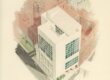
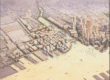
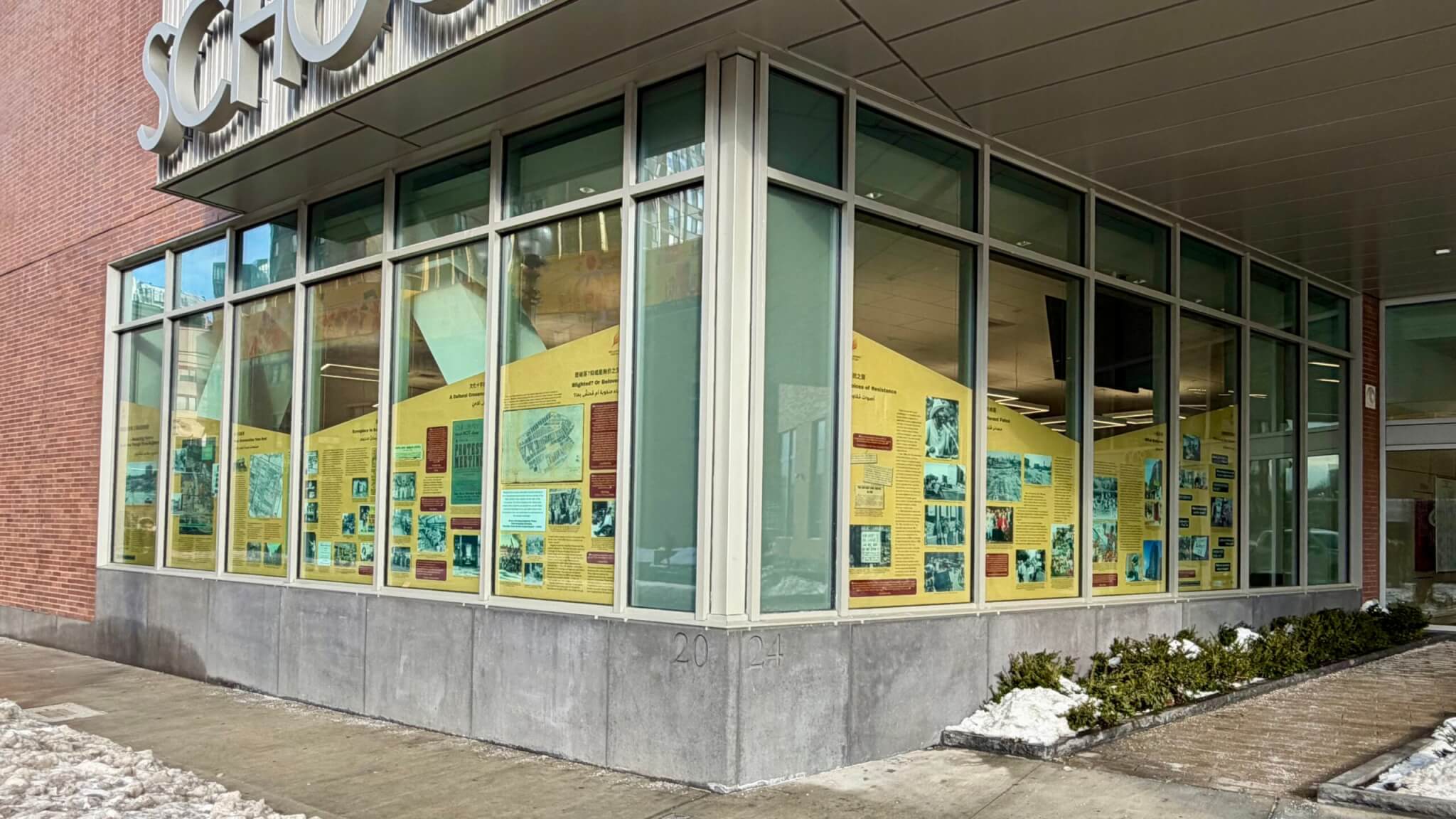
Reclaiming History: A Journey Through Three Neighborhoods explores the histories and community life of Chinatown, Little Syria, and the New York Streets before urban renewal, and the different fates of each post urban renewal. Window clings, a display case, books, a website with oral histories, and walking tours celebrate the resilience of the neighborhoods and the people who struggled in the face of government intervention.
This article is an interview with several contributors for the Reclaiming History Collective. The views expressed in this interview are those of its authors and do not necessarily reflect the views of The West End Museum. Answers have been lightly edited for length or clarity.
Please tell us a bit about yourselves and what brought you to the project.
The Reclaiming History project began four years ago when South End artist Jared Katsiane interviewed his uncle Paul, who was 95 and grew up in the neighborhood. Soon after, Jared and South End author Alison Barnet joined a walking tour of Little Syria led by historians Chloe Bordewich and Lydia Harrington (founders of the Boston Little Syria Project). The Chinese Historical Society of New England and Boston Public Library Community History Department joined the project next. And finally, the Josiah Quincy Upper School offered to host this permanent exhibit and integrate the content into their curriculum. We all wanted to be able to tell the stories of these adjacent and overlapping neighborhoods in a more integrated way. [In the past,] life was lived in close proximity to people from these other communities, and the project presented an opportunity to evoke that reality for present-day city residents, especially young people.
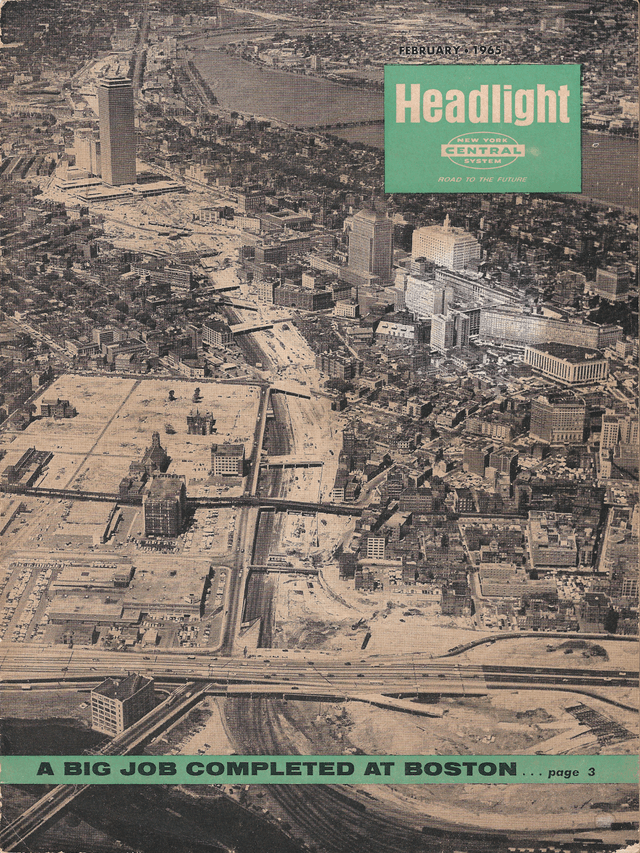
Orient us in the city. Where are these neighborhoods and who used to live there?
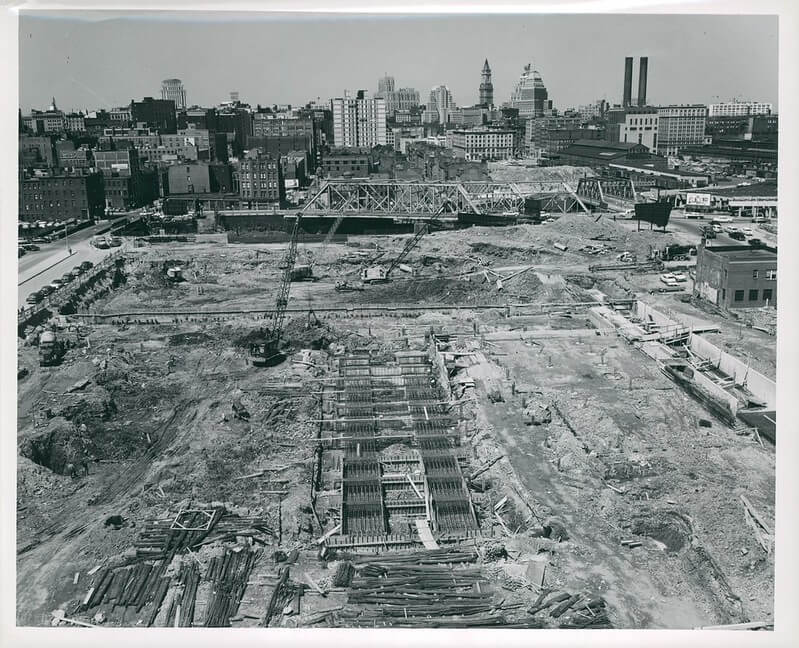
The New York Streets, within the South End, sat between Washington, Albany, East Berkeley, and Herald streets. A working-class neighborhood and market district, people from many backgrounds lived there, including Joyce and Mel King. Labeled a slum and razed by the city and federal government in the mid-1950s, the New York Streets no longer exist except as the luxury Ink Block development.
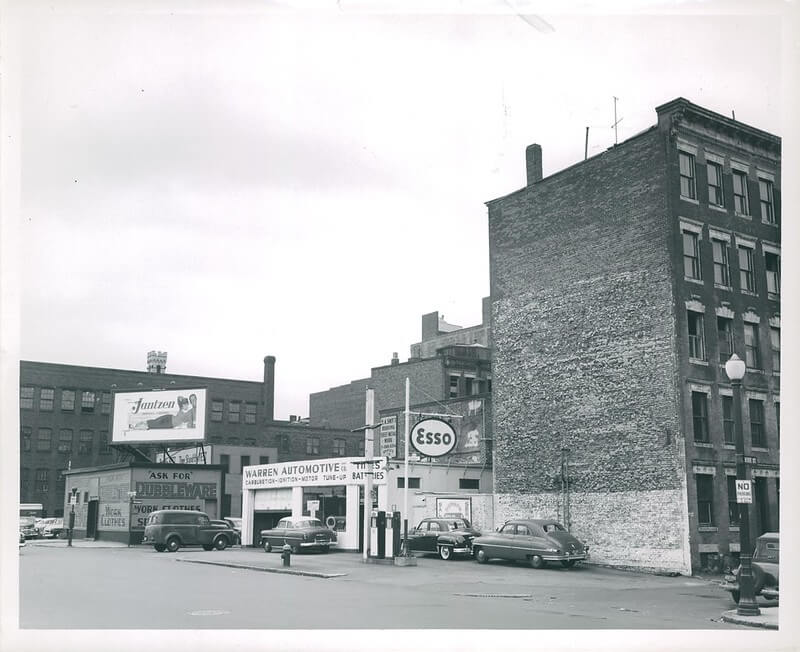
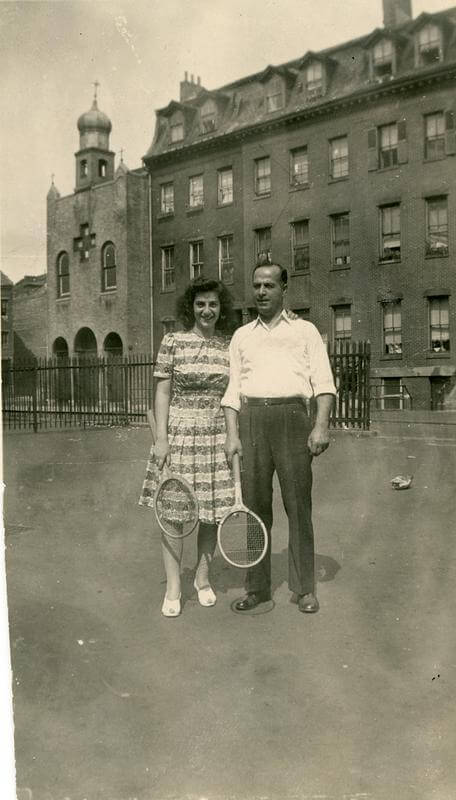
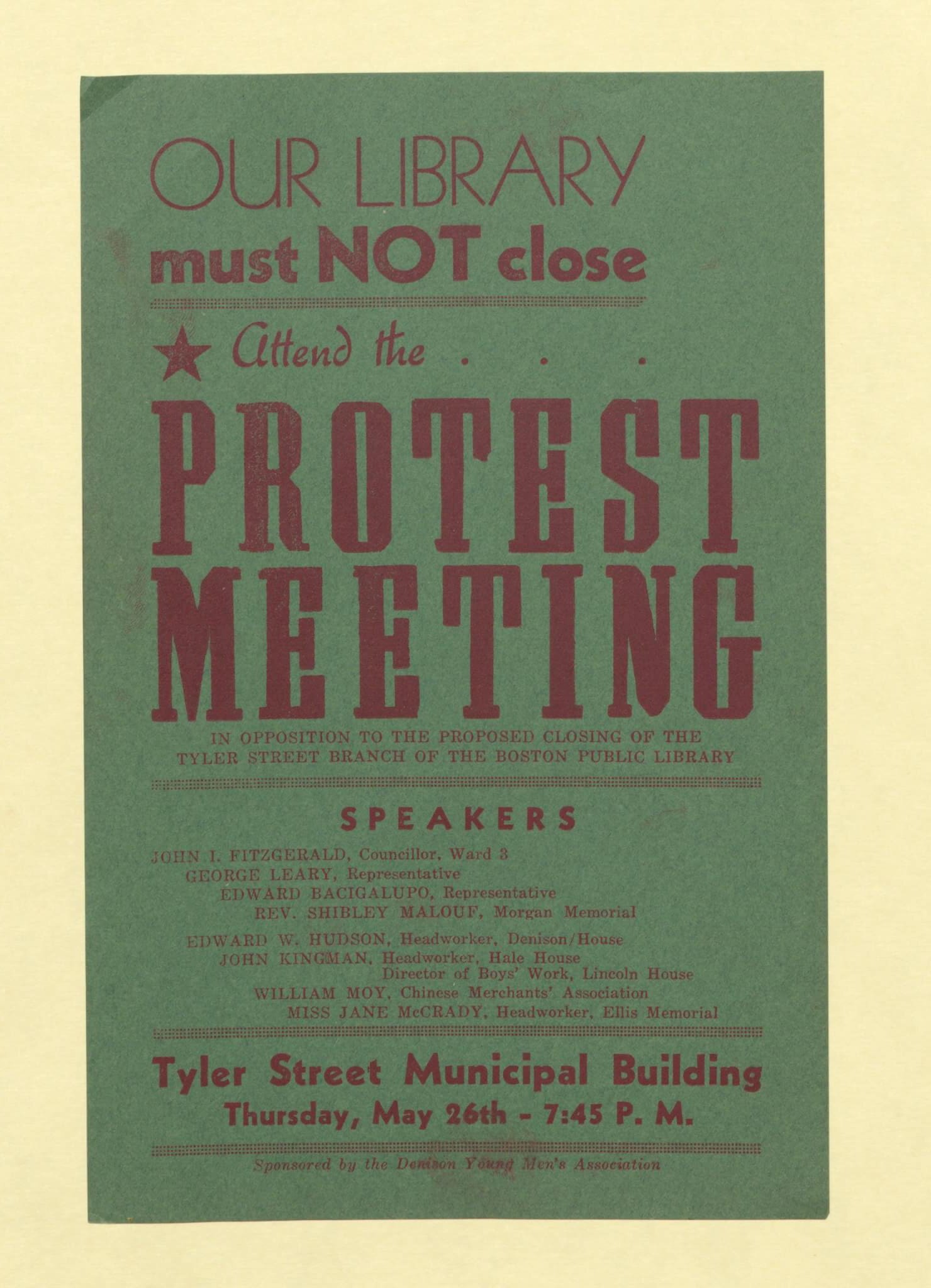
Arabic-speaking Christians from present-day Syria and Lebanon, then Ottoman Syria, began settling in the South Cove (Chinatown) in the late 1880s. They congregated both north of Beach Street, especially Olive Place (Ping On Alley today) and Oxford Street, and, especially, south of [Beach Street], on Hudson and Tyler Streets. By 1920, Boston had the third largest population of Syrians after New York and Detroit. In the 1920s and 1930s, the Syrian community spread south down Shawmut Avenue into the South End. Highway construction, urban renewal, and generational change ushered nearly all Syrian-Lebanese residents out in the 1950s and ‘60s. Today, these families are mostly in places like West Roxbury, Norwood, [and] Dedham.
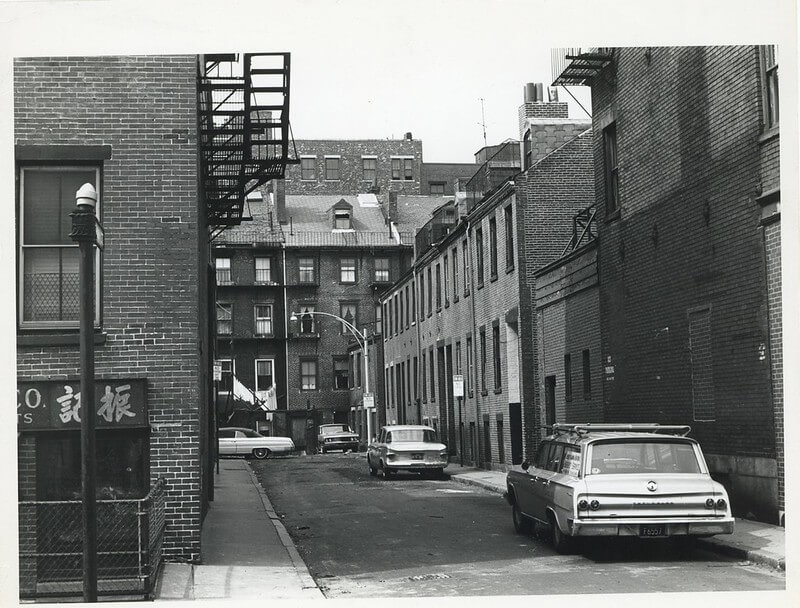
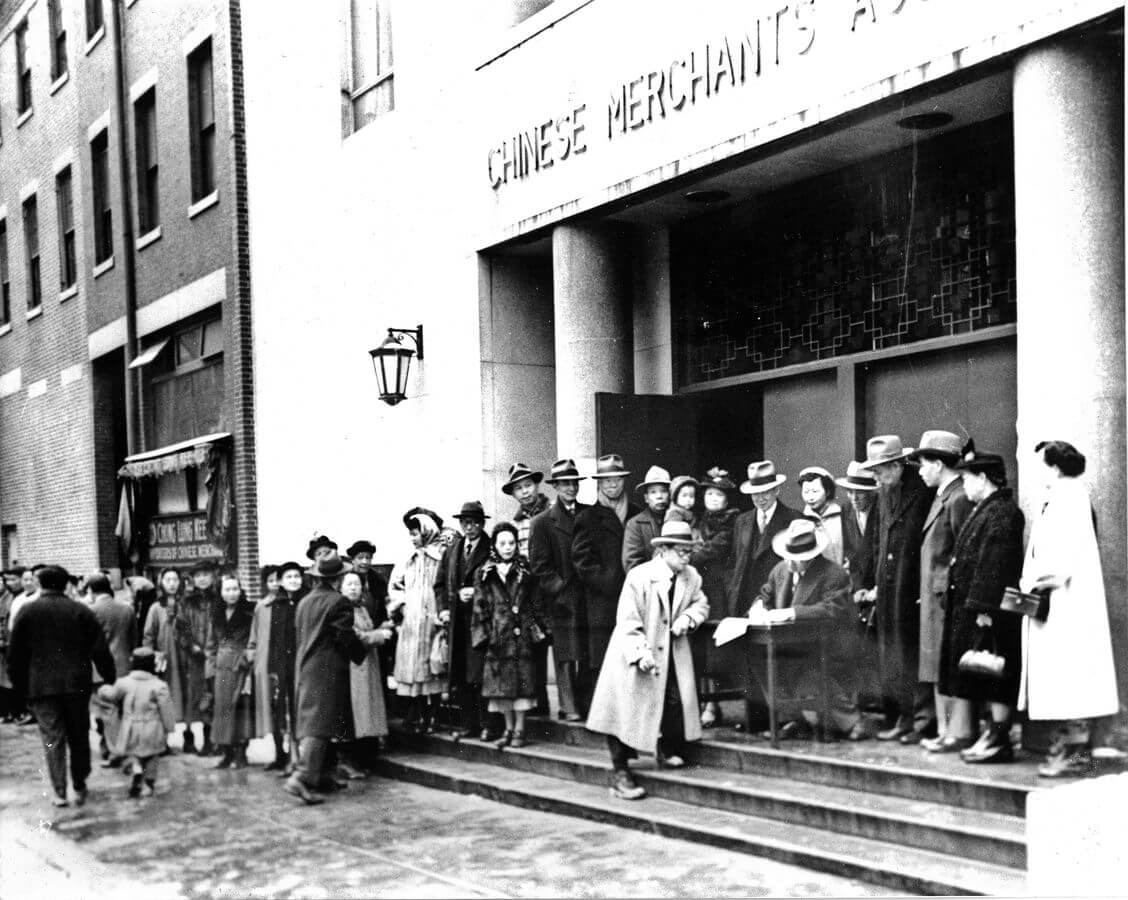
Early Boston town hosted a few Chinese merchants and their households during the Yankee-China trade years in the mercantile wharf areas near today’s Essex Street. New England missionaries returning from Asia during the Second Great Awakening (1790-1850) brought with them young Chinese boys to pursue education in Western schools and universities. While many returned to China, some remained in the South Cove and other areas of New England. By the 1870s a larger concentration of Chinese began living on Harrison Avenue near Phillips Square which marks the western edge of today’s Chinatown. The 1893 widening of Harrison Avenue for the street railway destroyed housing for the Chinese who expanded their residences to Beach, Tyler, and Hudson Streets. Following the highway projects of the 1950s and 1960s, Chinese expanded into areas that remained standing after being vacated by former Little Syria residents.
Why are these neighborhoods important to talk about?
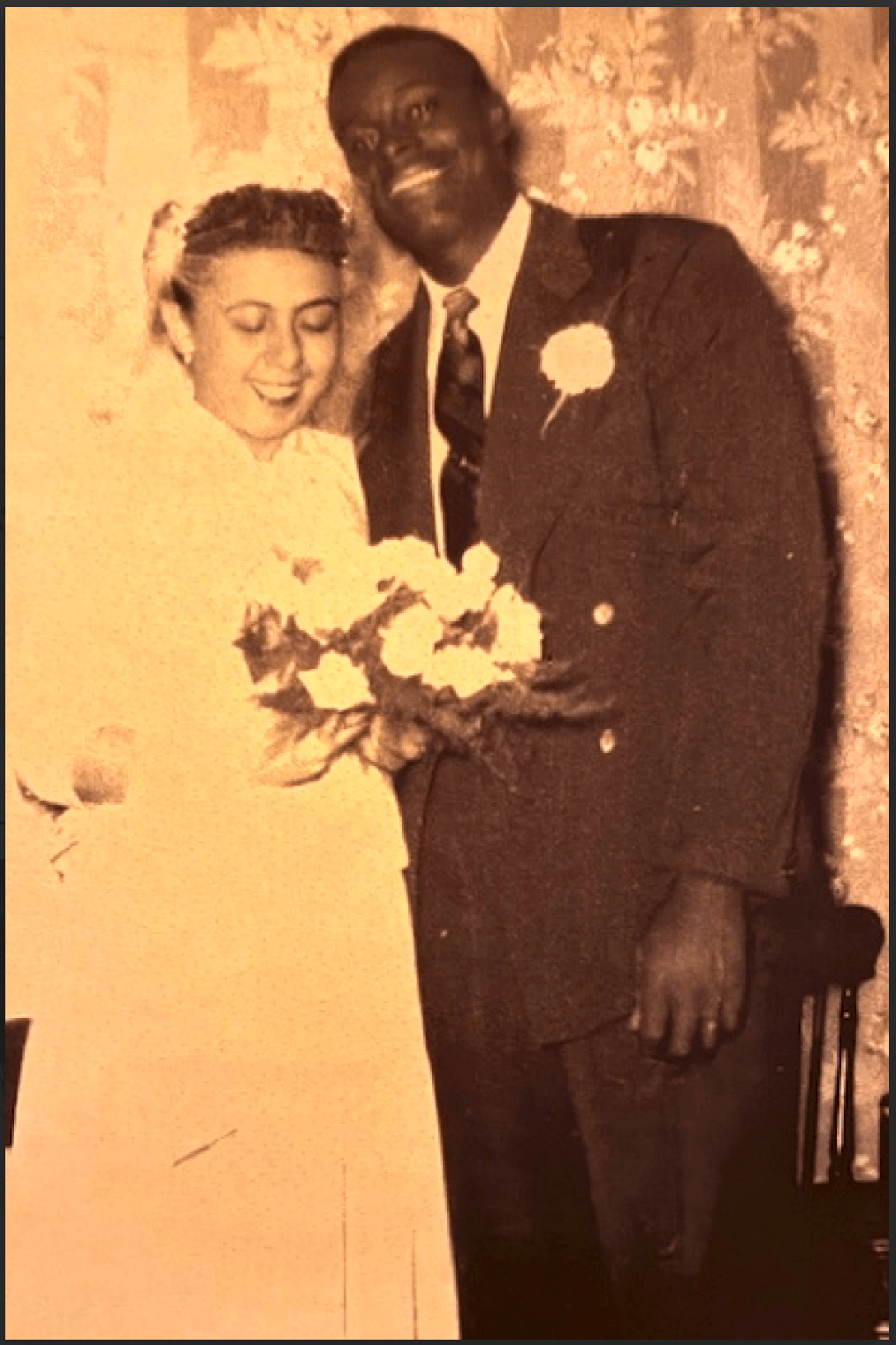
We need to learn lessons from the past, including the moral crimes of urban renewal, [such as] the demolition of the New York Streets’ 321 buildings and displacement of 1,000 residents. Community bonds were destroyed and families broken apart, eliminating the possibility of working-class families to build generational wealth by staying in their homes. Ensuring these immigrant communities’ stories [have] their rightful place in the city’s history is also a rebuttal of the nativist attitudes that have made a resurgence in national politics.
How did urban renewal affect these neighborhoods?
Razed in the mid-1950s, the New York Streets was a real neighborhood built over time (unlike today’s manufactured Ink Block) that should have survived. Residents were given little notice of the demolition and little help finding a new place to live – very cruel. With its proximity to the railroads and downtown, the City recognized the commercial, for-profit value of the New York Streets.
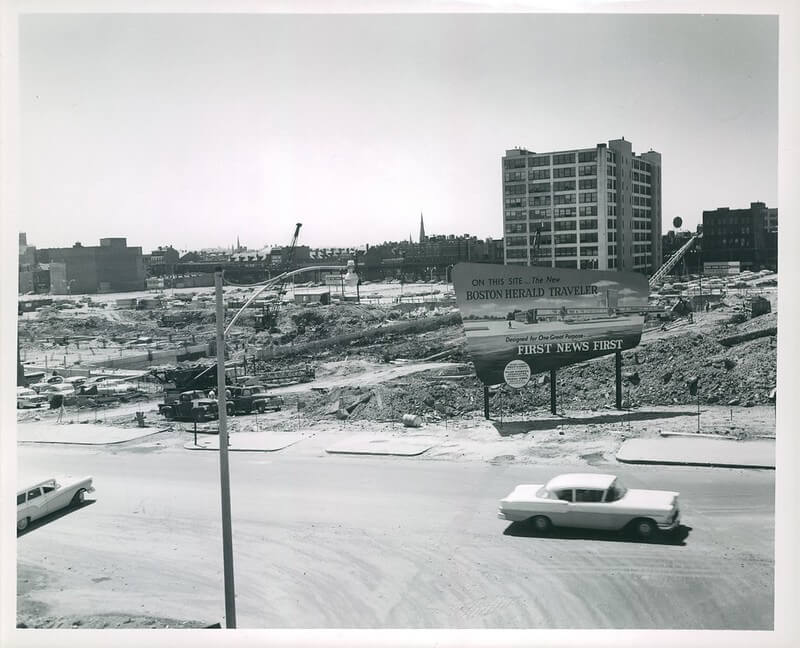
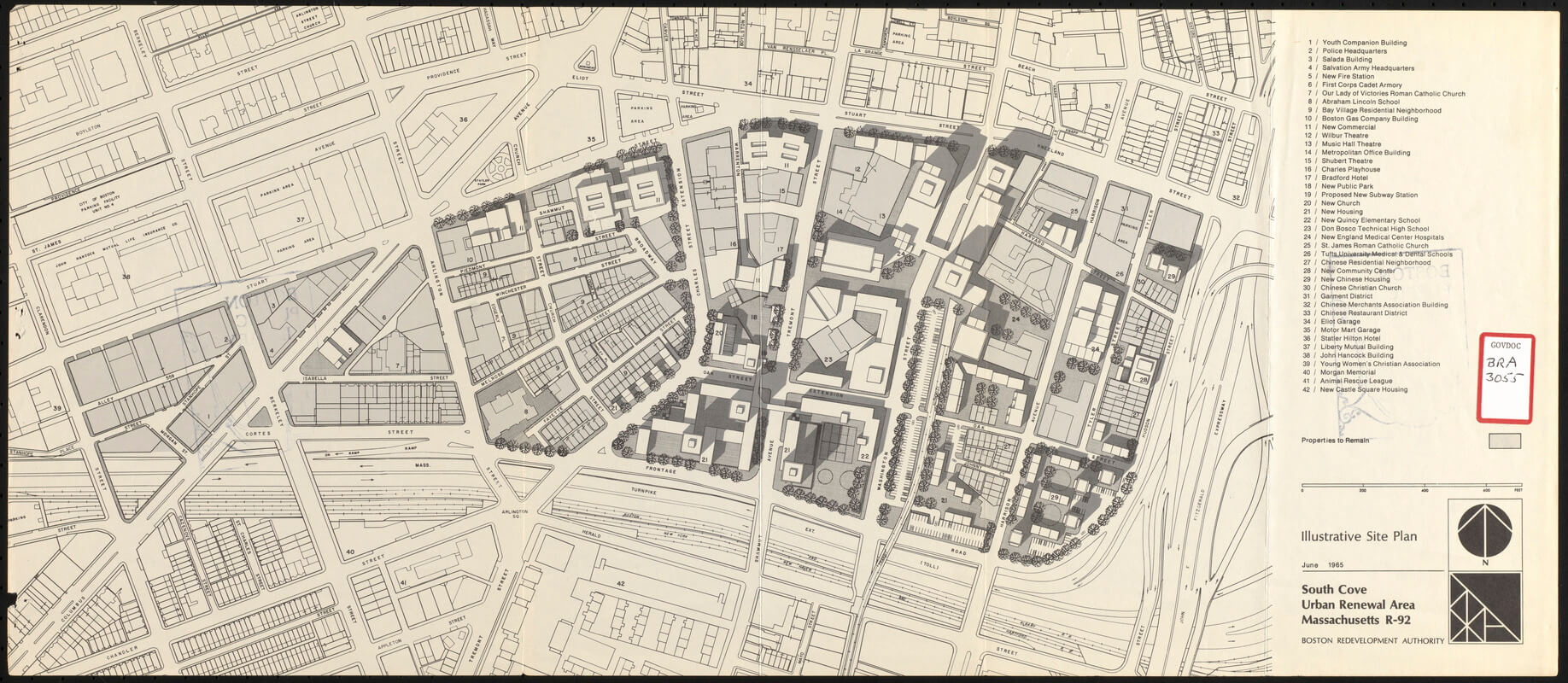
After the Boston Redevelopment Authority (BRA) was established in 1957, it classified large swaths of the South End, including Syrian-dominated blocks, and Chinatown as “blighted.” Though not all the BRA’s plan came to pass, they seeded anxiety among residents that accelerated an exodus from the neighborhood. Highway construction deepened the disruption. The Central Artery (now part of I-93) and the Massachusetts Turnpike (I-90) tore straight through Chinatown, demolishing homes, businesses, and cultural landmarks. These highways severed the neighborhoods from the waterfront and adjacent communities. Whole blocks vanished, including a large number of Hudson Street row houses. Many families, especially Chinese Americans, were displaced from the South Cove.
Did anyone fight back against urban renewal plans for their neighborhoods, gentrification, or other major threats to the people who lived there?
New York Streets demolition happened so fast residents didn’t have a chance to fight back. Later, with the demolition of the West End and other places, people had more information and took more action. Gentrification – a word not in use in the Fifties – was basically the reason the government wanted to raze these areas – for more taxes, industrialization, etc. In addition to the speed of the New York Streets removal, the working-class residents were largely powerless (including the property owners, since the buildings and land were taken by eminent domain). City Hall and the state highway department, flush with federal funds, rammed through development under the guise of eliminating “blight” and for “progress”.
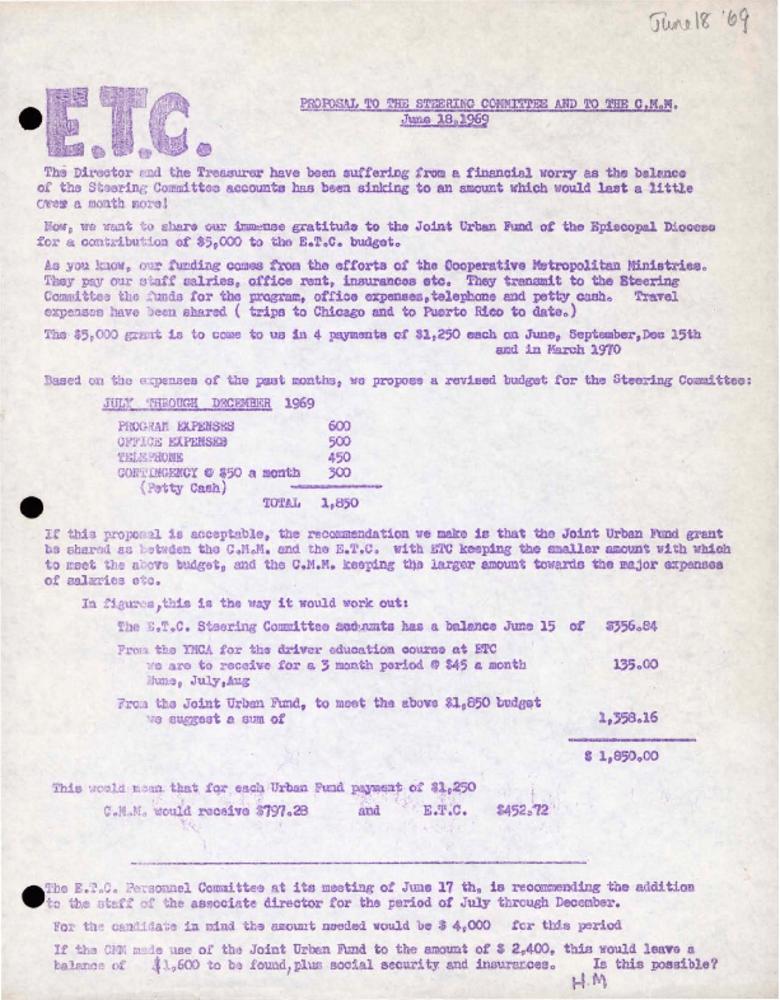
But the rapid demolition of New York Streets served as a warning. Thereafter, [collective] action did succeed in slowing or stopping some projects. Groups such as Community Assembly for a United South End (CAUSE) and the Emergency Tenants Council (ETC), led by organizers from a growing Puerto Rican community, grew by going door-to-door and advocating for more neighborhood control of development. In 1968, South End residents led by Mel King formed an encampment on Dartmouth Street to protest a planned tower and parking garage. The “Tent City Task Force” was especially angry that the BRA required only 10 percent affordable units in new developments. The protest forced the BRA to abandon its plans. In 1988, the mixed-income Tent City Apartments were built on the site.
Before this project, what was being done to preserve the memory of these neighborhoods?
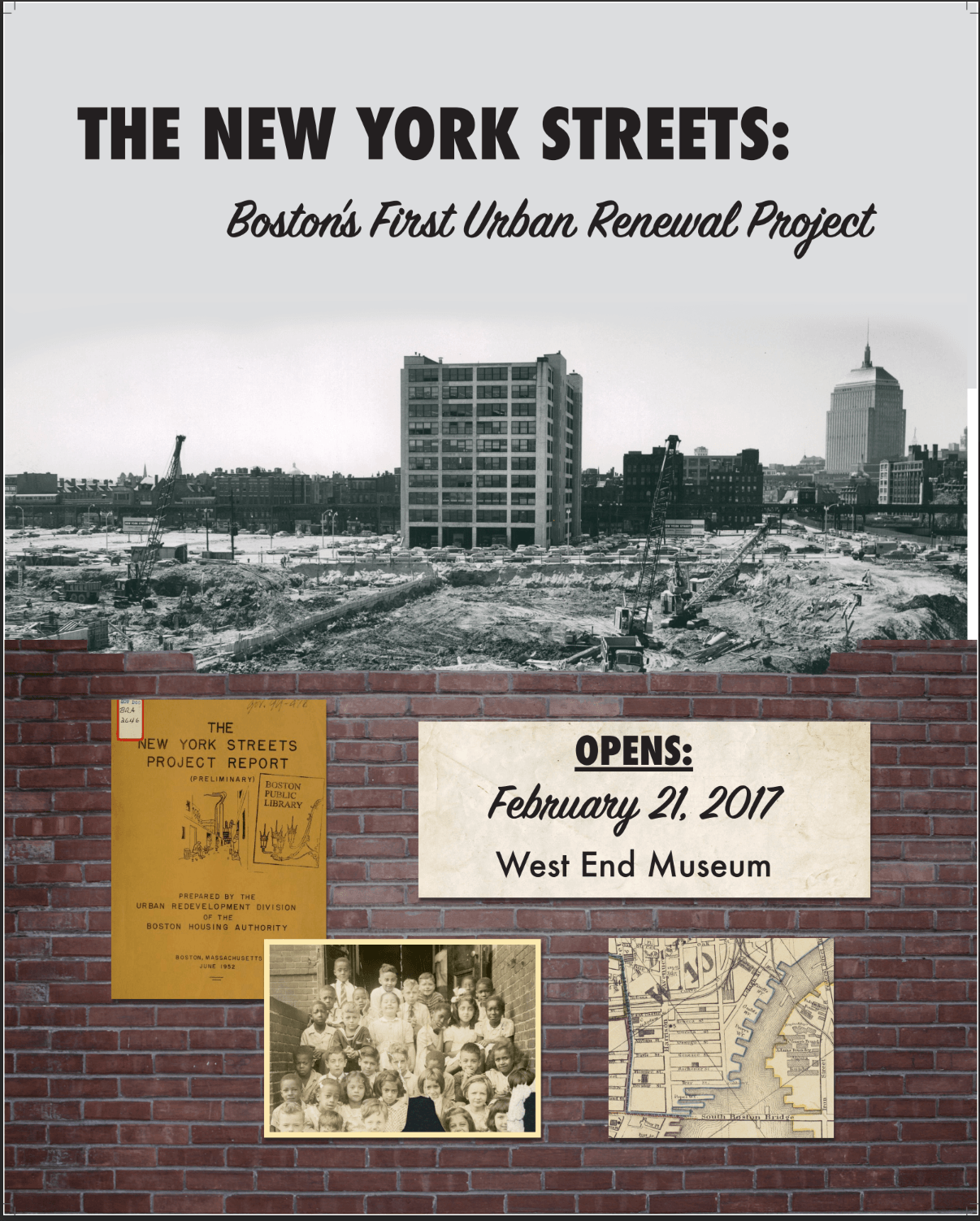
For the New York Streets, the West End Museum held an exhibit that included the New York Streets in February 2017.
The Boston Little Syria Project, started in 2022, revealed the history of Syriantown via several exhibits, talks, walking tours, and a website.
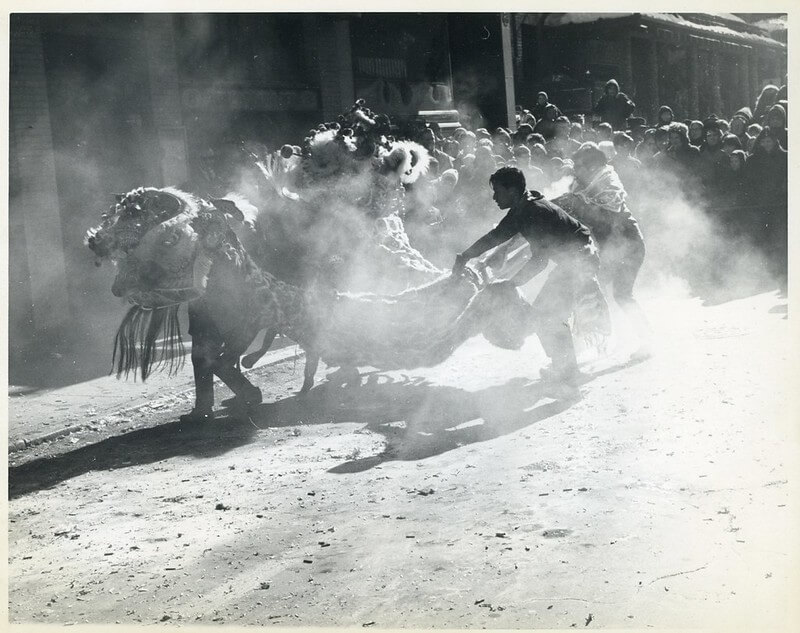
In Chinatown, the Chinese Historical Society of New England (est. 1992), the Chinatown Community Land Trust, [which sponsors] the Chinese Immigrant History Trail, and the Chinese Consolidated Benevolent Association (CCBA), [which sponsors] the Boston Chinatown Heritage Center, are three organizations working to preserve memories.
How is your project preserving and sharing the memory of these neighborhoods and how they were affected by external forces?
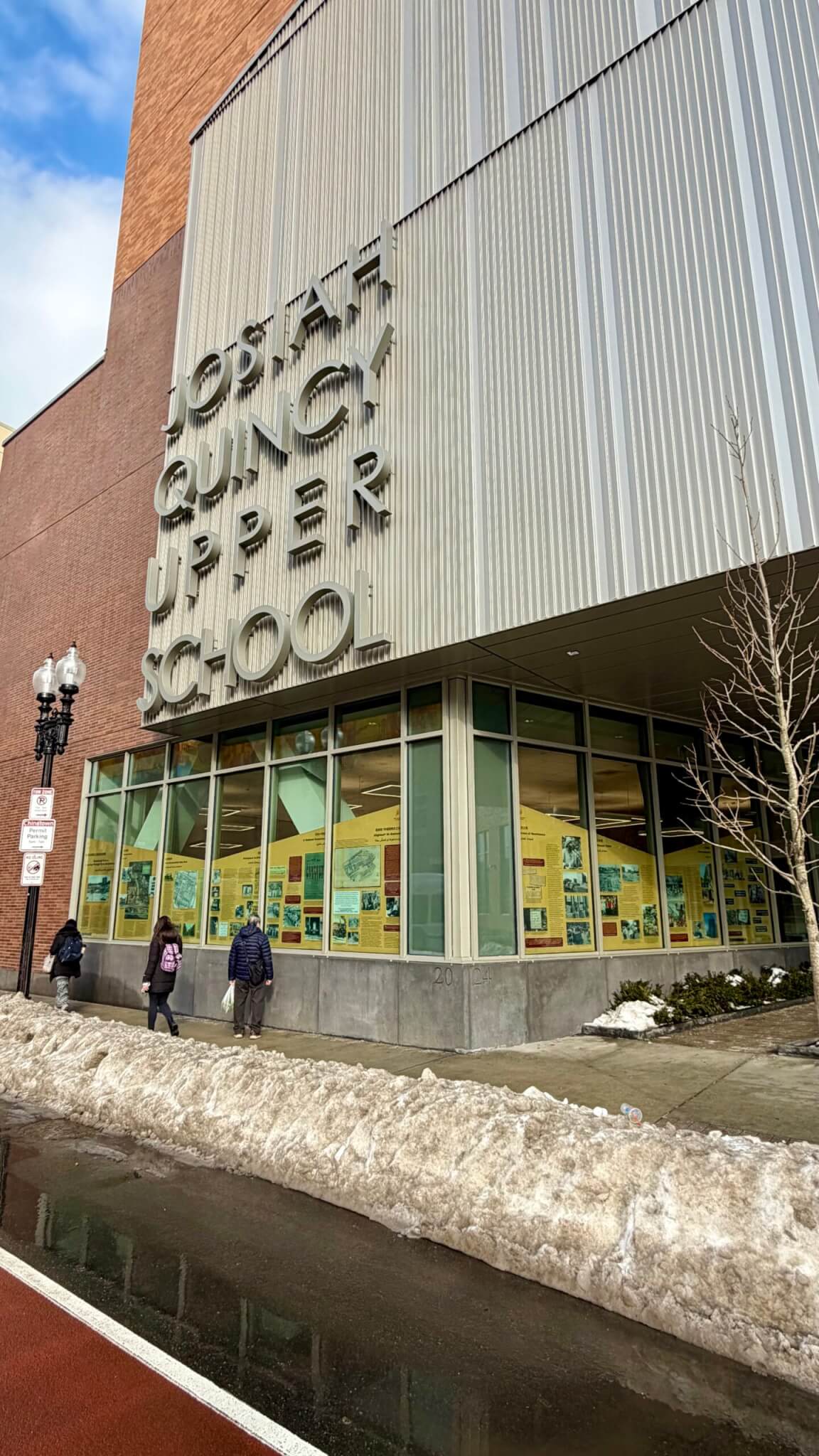
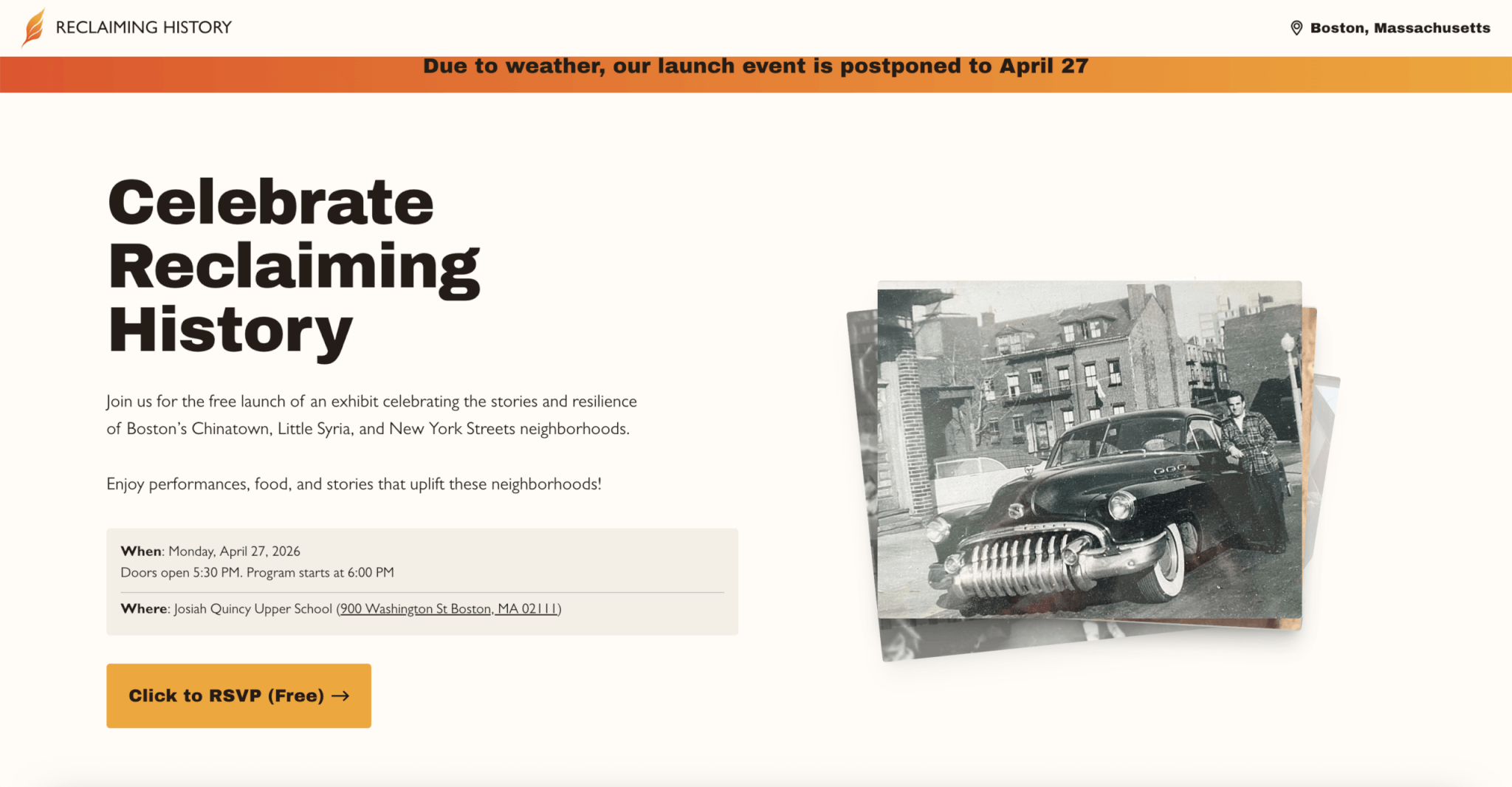
We hope that our project will open people’s eyes. Many South End residents are unaware of the New York Streets and Little Syria, and their fates. The Reclaiming History in-person exhibit, walking tours, website, and curriculum development will serve to preserve and share the memories. The physical exhibit calls on passersbys to pause and take note of the urban space they are in. By bringing them face to face with images and voices from its past, we hope to prompt them to consider how they themselves can be agents of positive change in the future.
[…] The exhibit reveals often hidden and forgotten histories of largely powerless people in the spirit of Howard Zinn’s A People’s History of the United States.
Why do you think working with Boston Public Schools is the way to share this story?
The Josiah Quincy Upper School, located at the nexus of the three neighborhoods, is an ideal partner since the school will permanently host the exhibit and integrate the content into their International Baccalaureate curriculum. Engaging students in local history, about the streets they walk every day, will bring that history to life (e.g. via the walking tours). The awareness these young leaders gain about their communities will serve the City well for future generations.
What is the most important thing you want people to know about these neighborhoods?
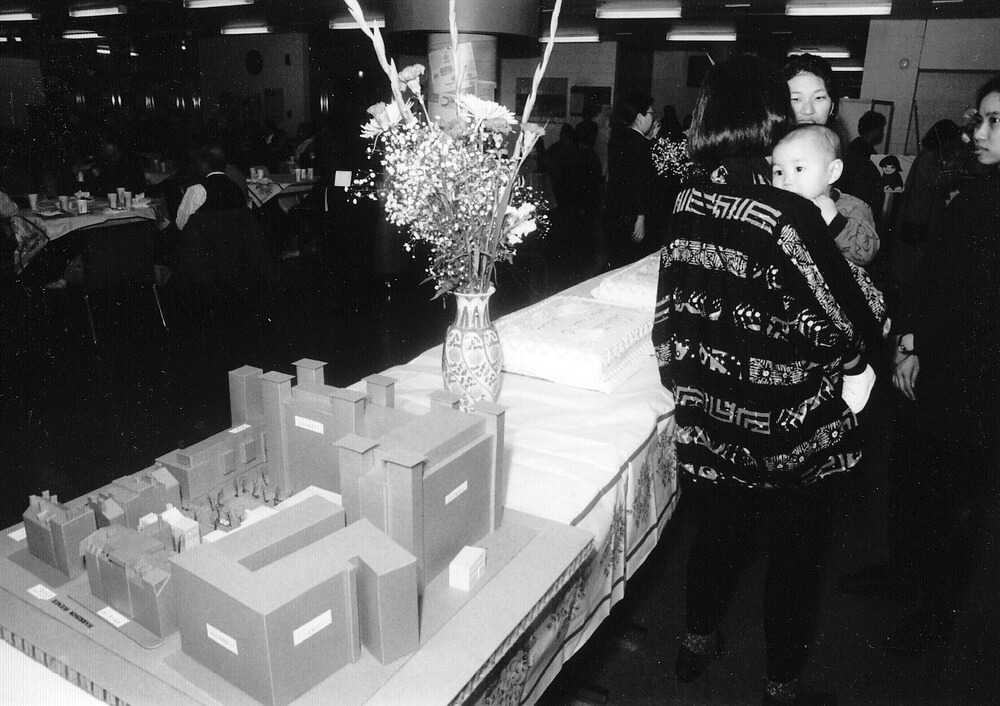
Vibrant, thriving communities existed in all three neighborhoods, and “blight” is in the eye of the beholder. Working class and immigrant neighborhoods are every bit as vital to a city as affluent areas. Urban renewal is ethnic cleansing, racism, and classism combined. Exhibit viewers should understand that present-day gentrification is a euphemism for urban renewal, minus the large-scale demolition.
When and where can we learn more about these neighborhoods?
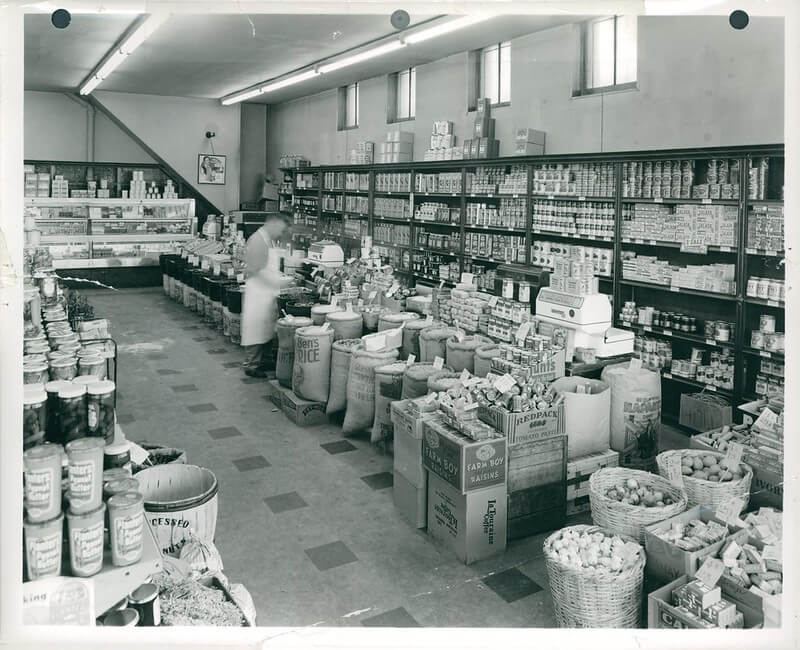
The in-person exhibit is hosted by the Josiah Quincy Upper School at 900 Washington Street in Chinatown (corner of Marginal Road by the Turnpike). The ten window clings face the street and can be viewed anytime. The lobby display case can be viewed during school hours [7:40am – 3:30pm (12:10pm on Wednesday)]. The exhibit website is live, with content added regularly, including oral history videos over the Spring and Summer. [It will be] tri-lingual (English, Mandarin, Arabic). Walking tours of Little Syria, Chinatown, and the New York Streets are planned for the Spring and Summer, with dates announced soon.
Article by Alison Barnet, Chloe Bordewich, Alice Kane, and Jared Katsiane, Interview conducted and edited by Jaydie Halperin
The launch of Reclaiming History, a permanent exhibit celebrating the stories and resilience of Boston’s Chinatown, Little Syria, and New York Streets neighborhoods will be on April 27th, 2026. Enjoy performances, food, and stories that uplift these neighborhoods! Walking tours and more coming soon…
Date: Monday, April 27, 2026
Time: Doors open 5:30 PM to view window clings, display case, and books. Program starts at 6:00 PM.
Location: Josiah Quincy Upper School – 900 Washington St Boston, MA 02111
Free and open to the public
RSVP on the project website: https://reclaiminghistoryboston.com/en-us
Sources: Alison Barnet, Once Upon a Neighborhood: A History of the South End (2019) | South End Character: Speaking Out on Neighborhood Change (2013) | South End Incident (2022); Boston Public Library, Community History Department; Chinese Consolidated Benevolent Association; Chinese Historical Society of New England; Chinese Immigrant History Trail; Lydia Harrington and Chloe Bordewich, eds., Boston Little Syria Project; Jared Katsiane; Reclaiming History Collective; Anita Yip, Project Asian Joy.