
Era
Organizational category for historical articles
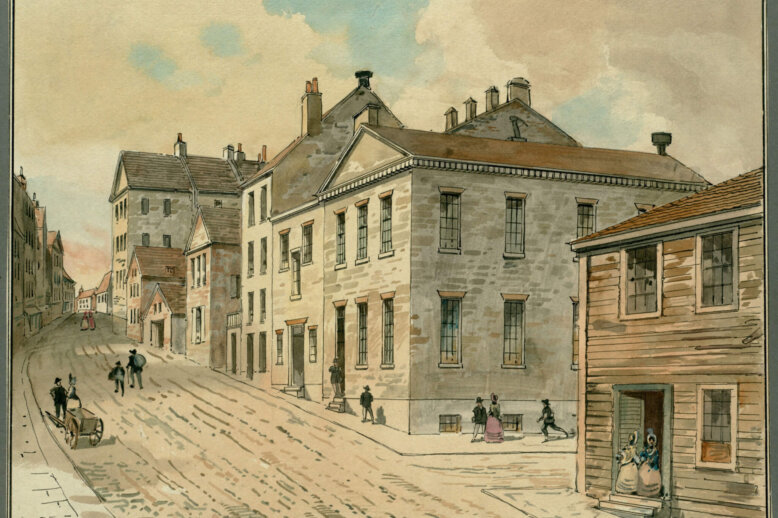
The author of Little Women, Louisa May Alcott, spent time in her youth writing from her third story bedroom in a rented house on Pinckney Street. Her literary career began with rejection, persistence, and eventual success in the West End. Her legacy remains tied to the neighborhood into the present.
Read article
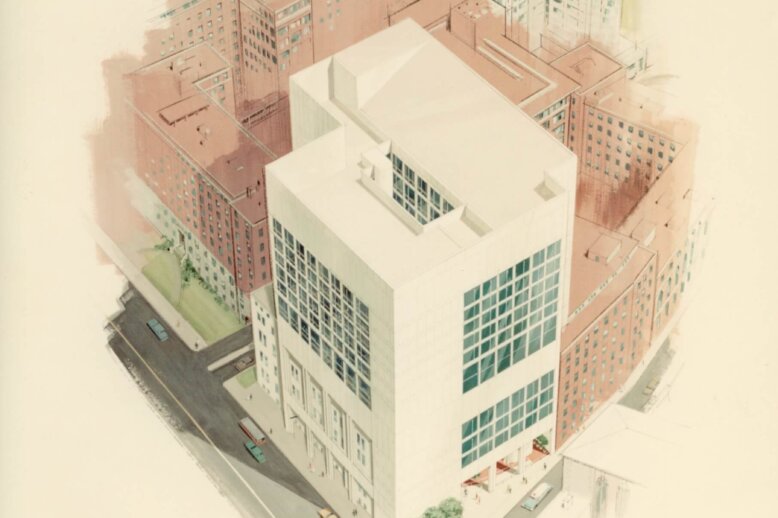
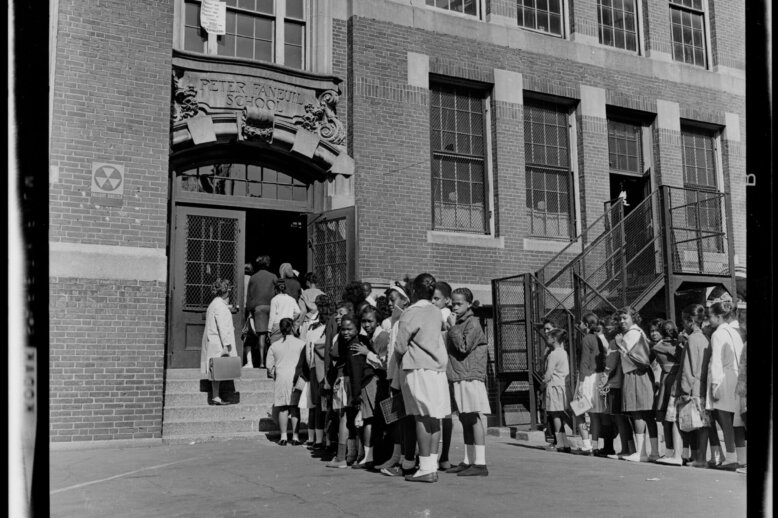
Built in 1910 to relieve over-crowding in West End Schools, the Peter Faneuil School would go on to be the final West End School operating after urban renewal destroyed the rest of the neighborhood. It was the first school in Boston to attempt intra-city busing and later hosted an experimental school integration program.
This is the second in a series on Schools of the Old West End.
Read article
In the Early Republic period, the newly independent Commonwealth of Massachusetts allowed private mill owners, turnpike corporations, and landlocked landholders to use eminent domain to kickstart industrial development. Mills, canals, and roads were important to the development of the industrial revolution and eminent domain proved to be the best tool to make them possible.
Read article
Rebranded as an “Innovation District” and filled with new glass and steel towers, the Seaport has become a financial asset to the city. Yet, the neighborhood is highly racially and economically segregated. And what happens when sea level rise puts Boston’s most expensive neighborhood underwater?
Read article
Le Corbusier: Building Towers in the Park Le Corbusier (1887-1965) was one of the most influential figures in the international style of 20th century urban design. His monolithic concrete structures left their mark across the world. Like the crow, the bird that gave him his name, Le Corbusier scavenged from diverse inspirations to create a…
Read article
This conclusion to the story of Jewish businesses in the West End explains how small business interacted with the diverse immigrant neighborhood.
Read article
Redeveloping The Seaport, Part 1: Warehouse and Rail to Innovation District Boston’s newest neighborhood sprung up from a rail and wharf district along the South Boston Waterfront. After decades as a sparsely populated industrial and fishing district, the Seaport has quickly become a destination for business, luxury condos, and tourists. How did this rapid change…
Read article
I-91, Springfield’s North End, and Urban Renewal Today the fourth most populous city in New England, in the mid-twentieth century Springfield underwent an ambitious and catastrophic urban renewal project. Highway construction along the Connecticut River and the isolation of a historically immigrant neighborhood led to long-lasting consequences. Four Commonwealth cities – Boston, Cambridge, Salem, and…
Read article