
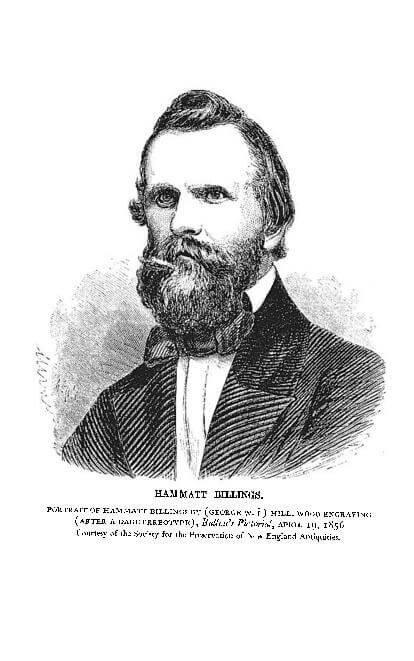
Hammatt Billings: Architect and Illustrator of Abolition
When he died in 1874 at the age of 56, Hammatt Billings was described as, “one of the best known of his profession in the country.” His name was a “household word where art was appreciated.”
He was an architect, illustrator, designer, sculptor, and painter whose illustrations helped shape abolitionist and literary visual culture.
Charles Howland Hammatt Billings was born in 1818 to Ebenezer Billings Jr. and Mary D. Janes Billings. His family ran the Blue Hill Tavern in Milton, MA since the seventeenth century, but settled in the West End of Boston when Hammatt was a child.
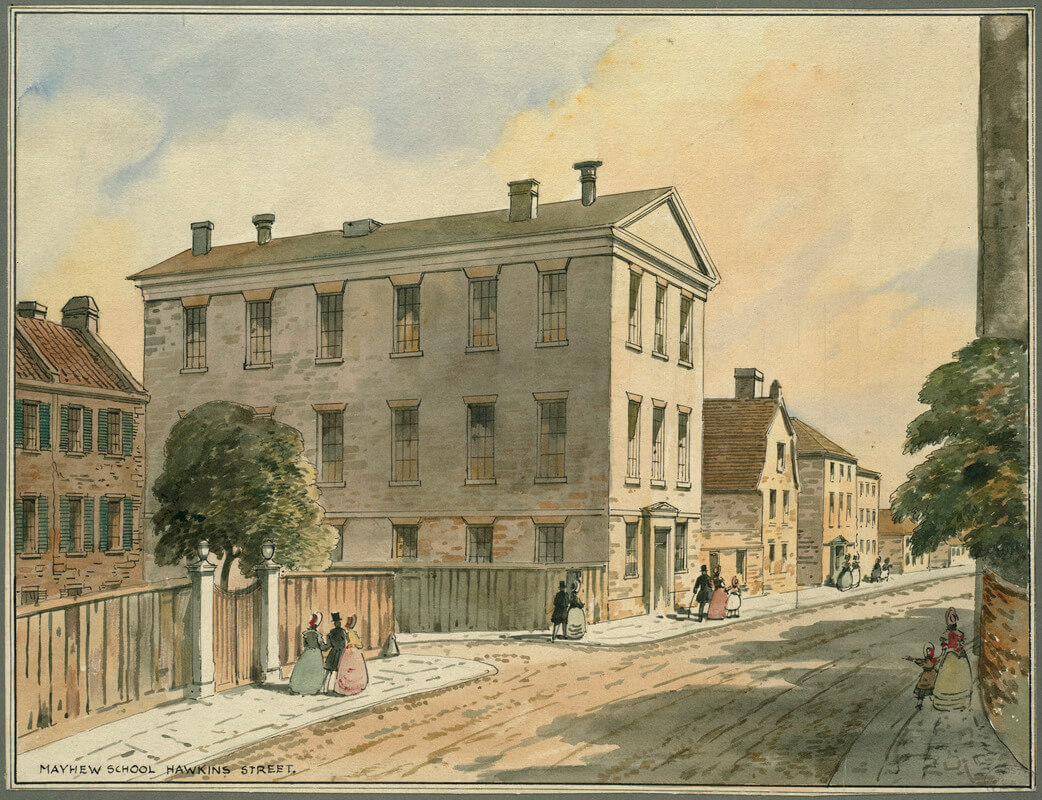
He attended the Mayhew School on Hawkins Street, historically located between Sudbury and Chardon Streets in the West End. According to a school mate, young Hammatt put on puppet shows and, “obtained some celebrity at the West End … by his wonderful skill in cutting minute figures of horsemen, animals and landscapes out of paper.”
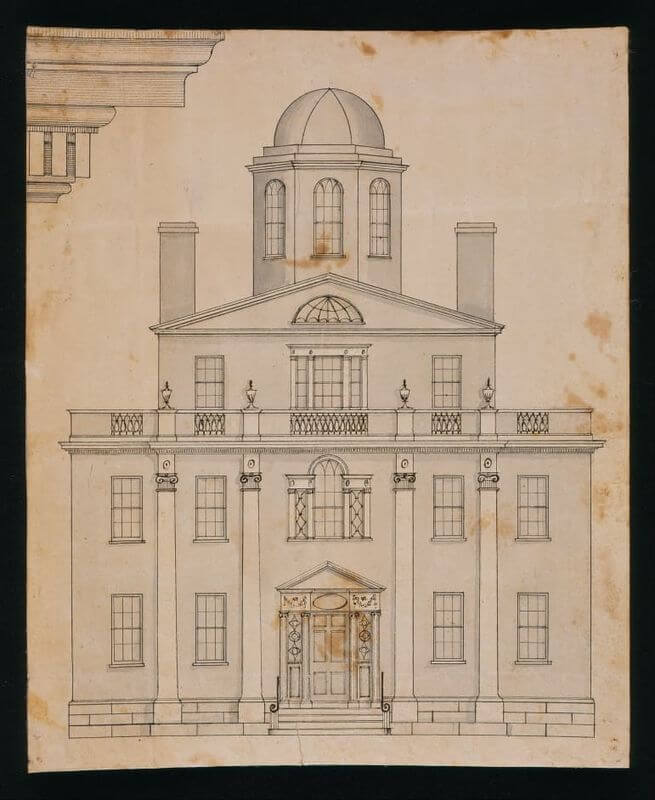
He attended the English High School on Derne and Temple Streets, the first public high school in the United States. English High was built to educate working-class boys in preparation for business, mechanics, and engineering trades. He did not graduate and around 1833 went on to apprentice with graphic artist and wood engraver Abel Bowen. Later he apprenticed with the revered neoclassical architect Asher Benjamin. Benjamin was the architect of several West End Buildings including the Old West Church and the African Meeting House.
Billings established an architectural office with his brother Joseph Billings. Simpson’s Boston Directory listed him in 1843 as an architect and designer. The brothers’ first commission was the Boston Museum, which opened on November 2,1846. Located on Tremont street, it was one of the earliest Renaissance Revival buildings in the United States. The Boston Museum operated as an exhibition space and theater until its destruction in 1903.
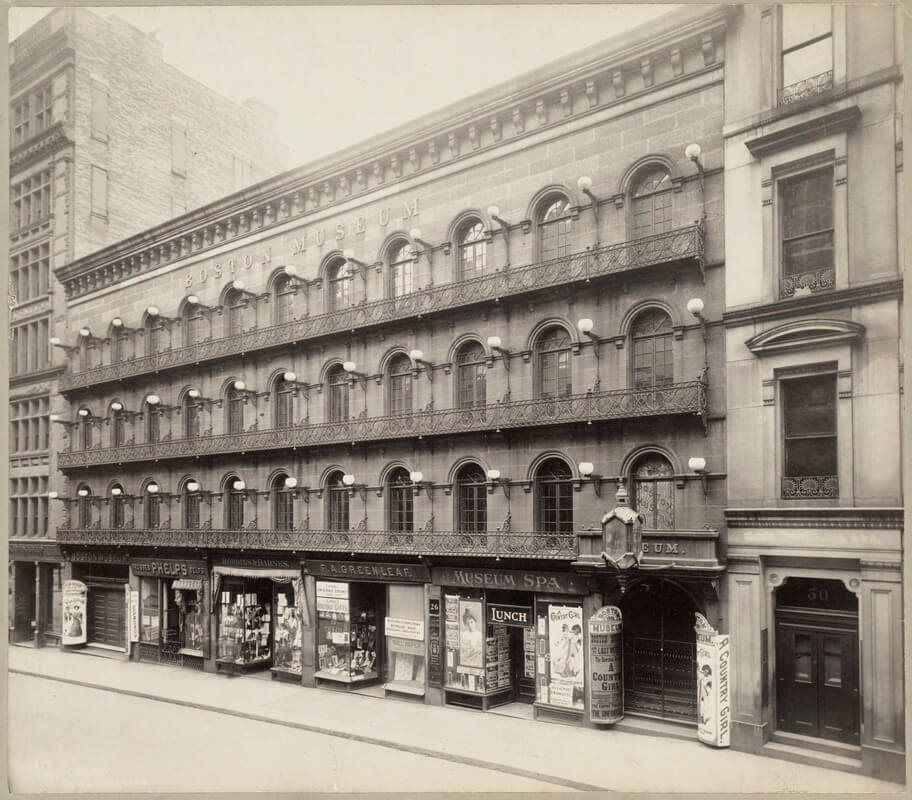
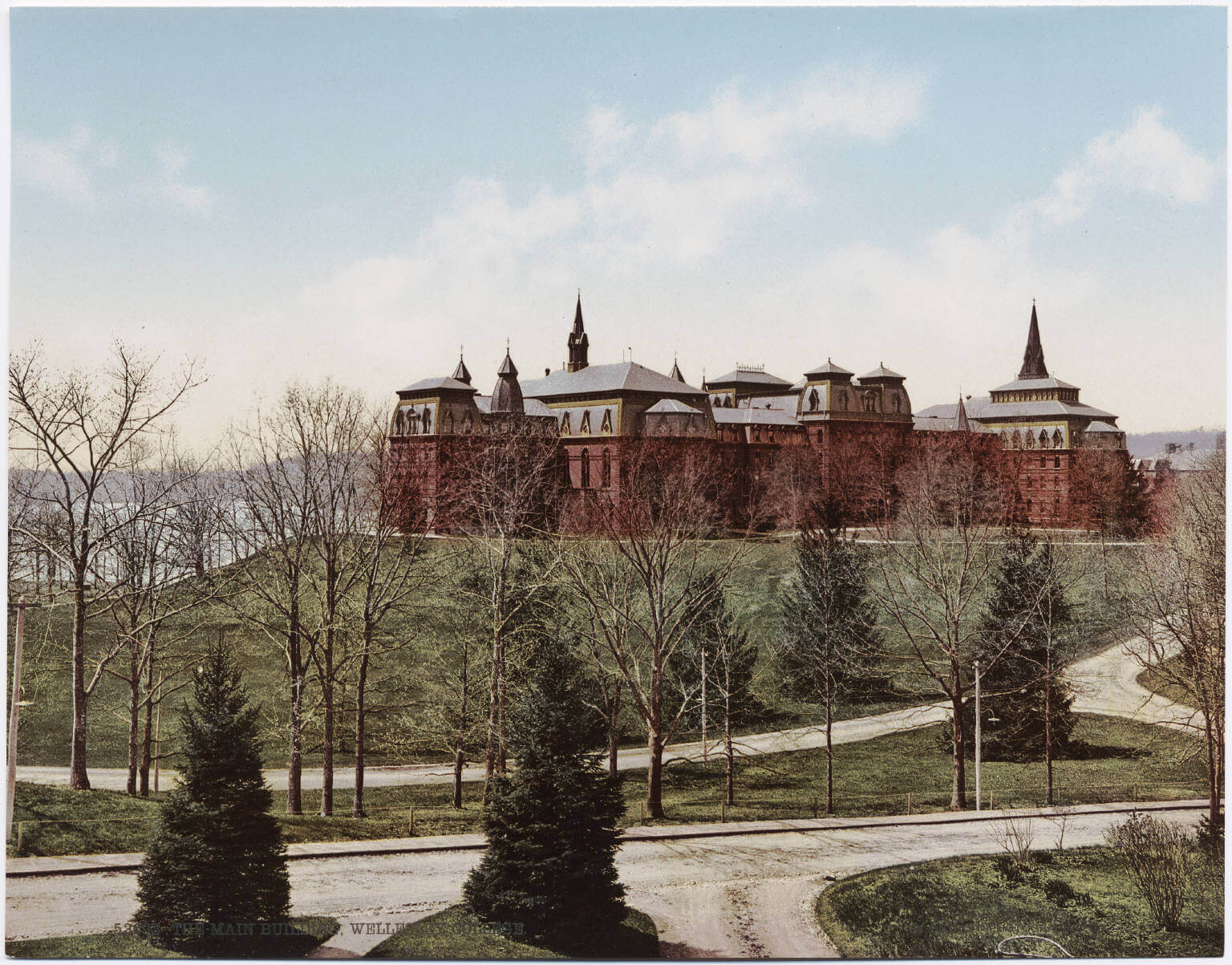
His architectural works included designs for the Boston Athenaeum in 1850, the Massachusetts Charitable Mechanic Association Building at Bedford and Chauncey streets in 1860, and the Tremont Methodist Episcopal Church in 1862 (still standing, converted to condominiums). One of his largest architectural commissions was the first building at Wellesley College, College Hall, in 1871.
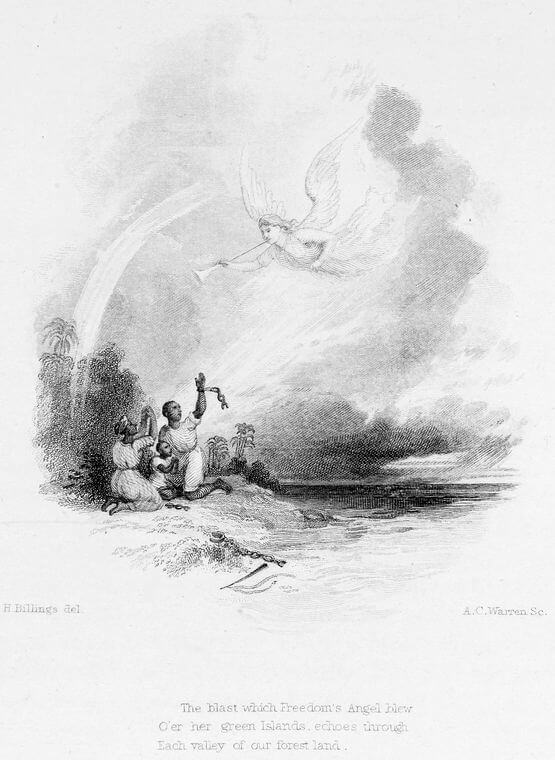
Throughout this time he was a designer of monuments and a prolific illustrator of books and periodicals.
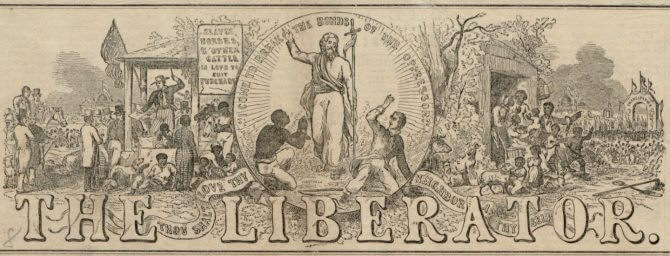
Billings was well known in the city as a gifted illustrator and designer. He moved within circles connected to abolitionism, literary culture, and reform movements. In 1850, he connected with William Lloyd Garrison and offered his services to The Liberator free of charge. He designed a new masthead for the periodical that first appeared in 1851. Billings would shape the newspaper’s visual identity until it ceased publication in 1865. The masthead featured Christ at the center declaring, “I come to break the bonds of the oppressor.” The imagery mirrored Garrison’s belief that abolition was fundamentally a Christian moral crusade.
The illustrator’s work for The Liberator demonstrated that he could translate abolitionist ideals into emotionally powerful imagery for mass audiences. He was thus hired as the principal illustrator for Uncle Tom’s Cabin. Harriet Beecher Stowe’s 1852 book Uncle Tom’s Cabin became one of the most influential works of the 19th century. It fueled abolitionist sentiment before the Civil War.
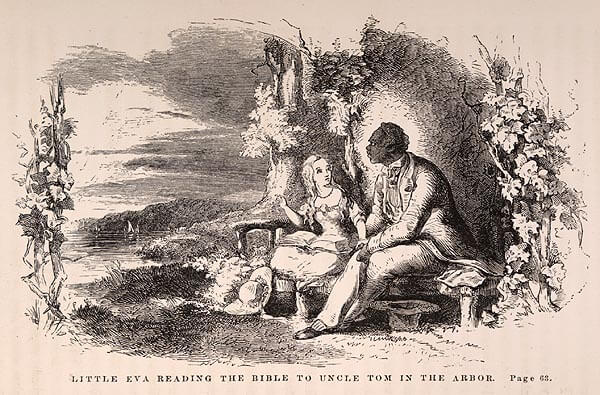
Stowe wrote Uncle Tom’s Cabin as a work of moral persuasion. She aimed to confront readers with the human realities of slavery. Stowe wrote the title character, Tom, as a strong, capable man – a devout Christian minister whose dignity endures the brutality of enslavement. It was initially serialized in the abolitionist newspaper The National Era. When it was published in book form by John P. Jewett and Company, Billings’s illustrations matched the intended emotional and moral force of the story. His depictions of the characters and scenes became part of a larger anti-slavery visual imagery.
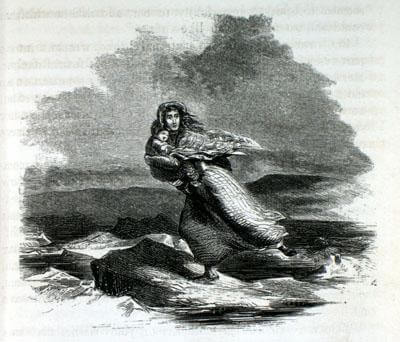
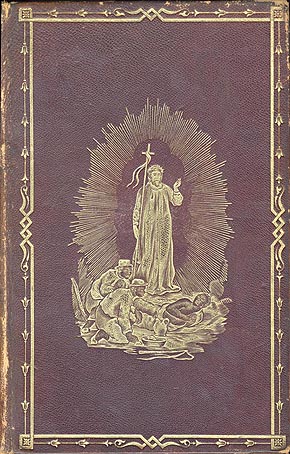
The original book sold an unprecedented 300,000 copies and was translated into several languages. Publishers contracted Billings to illustrate a gold embossed larger gift book version resembling a bible. The popularity of the book contributed to the growth of the abolitionist movement. It also spurred new versions, imitations, and pro-slavery reactions. In later versions of the story illustrated by other artists, Tom was typically depicted as weak, harmless, and incapable. Advertisements using the characters and theatrical adaptations of the book perpetuated racial stereotypes. The term “Uncle Tom” was cemented as a slur by 1910.
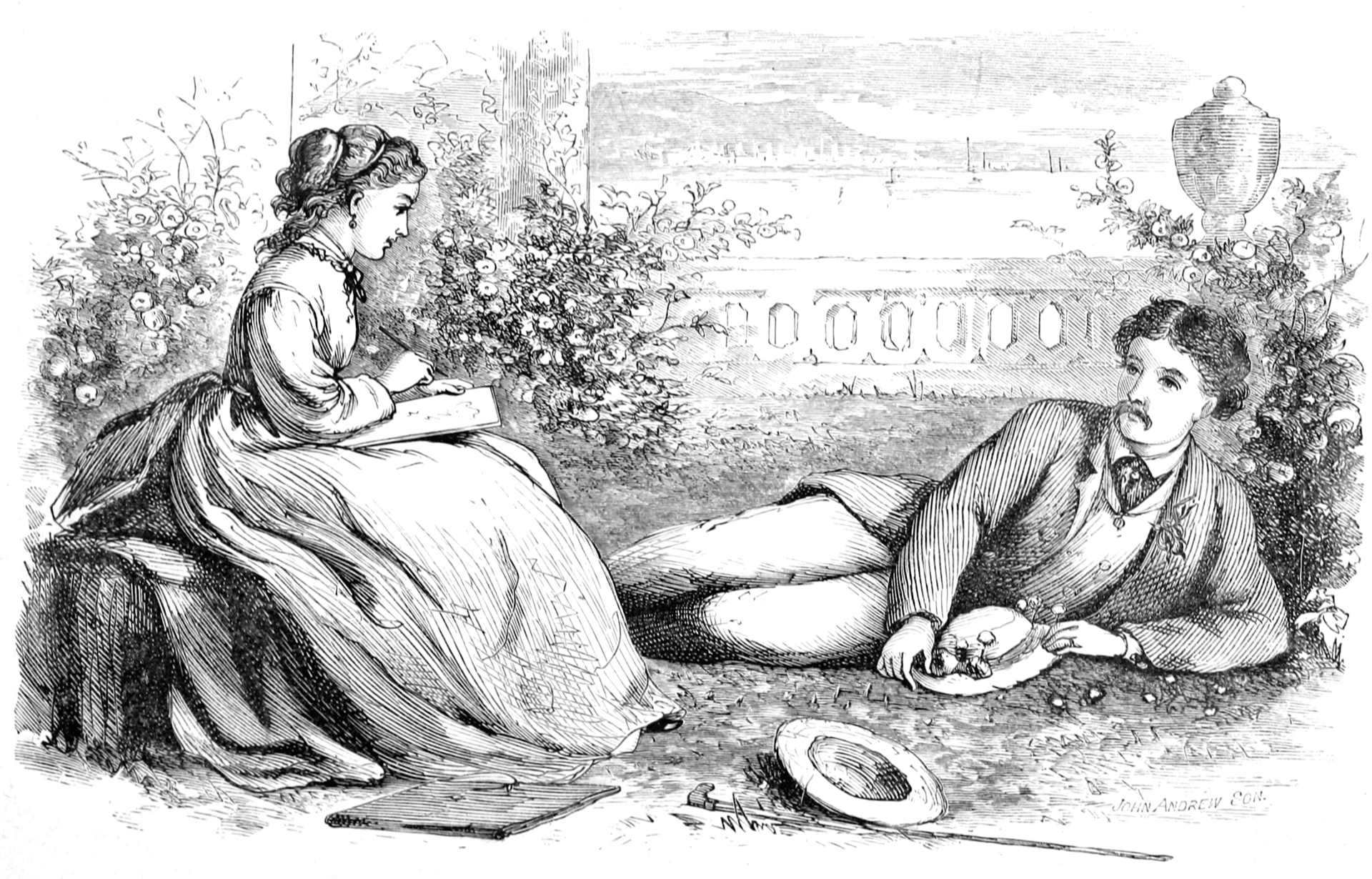
In 1869, Billings’s illustrations were published in one-time West Ender Louisa May Alcott’s Little Women. He also illustrated for Nathaniel Hawthorne, Alfred Lord Tennyson, Grace Greenwood, John Whittier, and others.
His combination of talent and energy, as well as considerable debt and the need to earn a living led Billings to complete an enormous range of work. These included private, commercial, and civic commissions. He designed fireworks displays for Boston Common celebrations, monuments at Mount Auburn Cemetery, and furniture. He also painted in oil and watercolor.
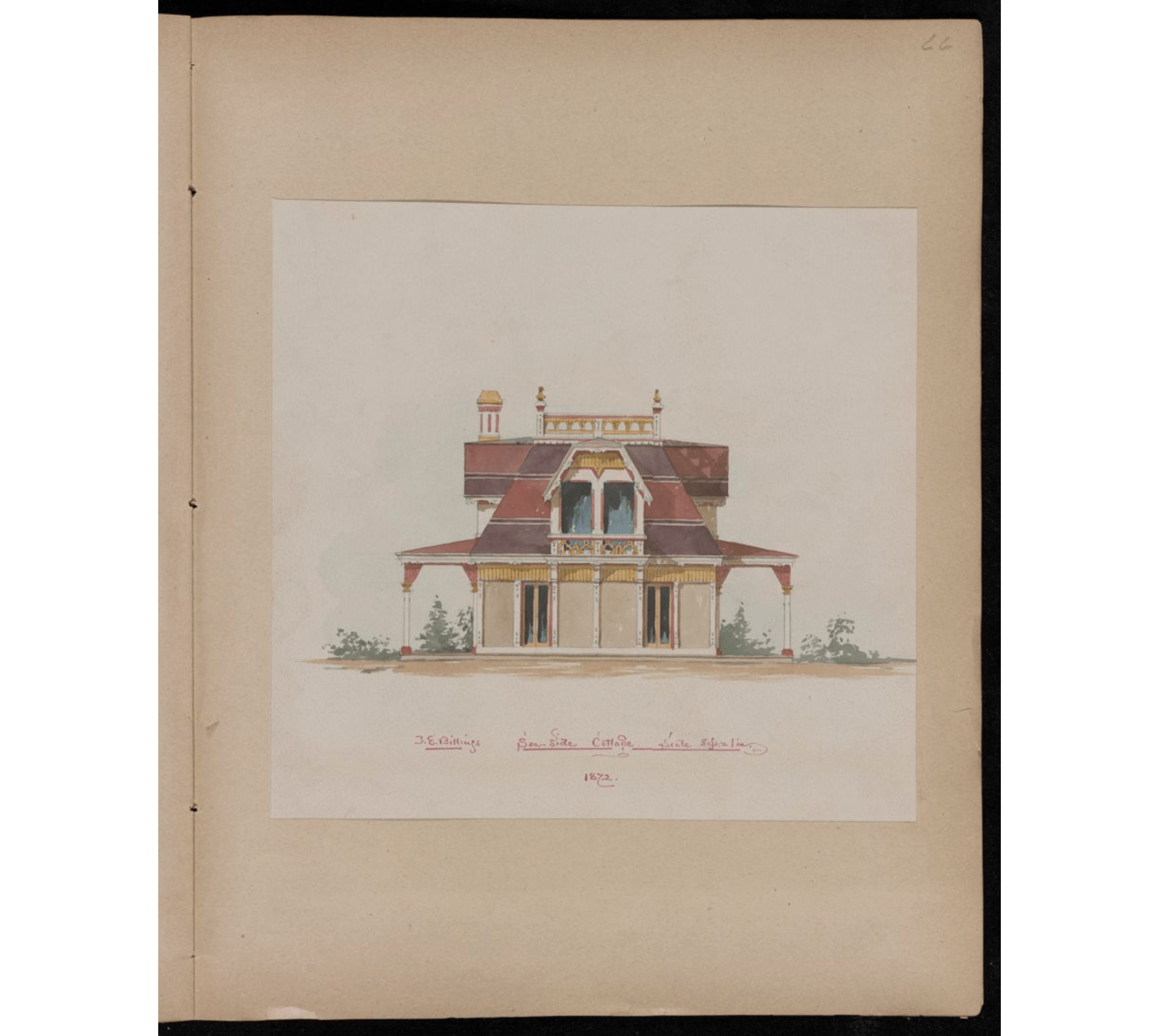
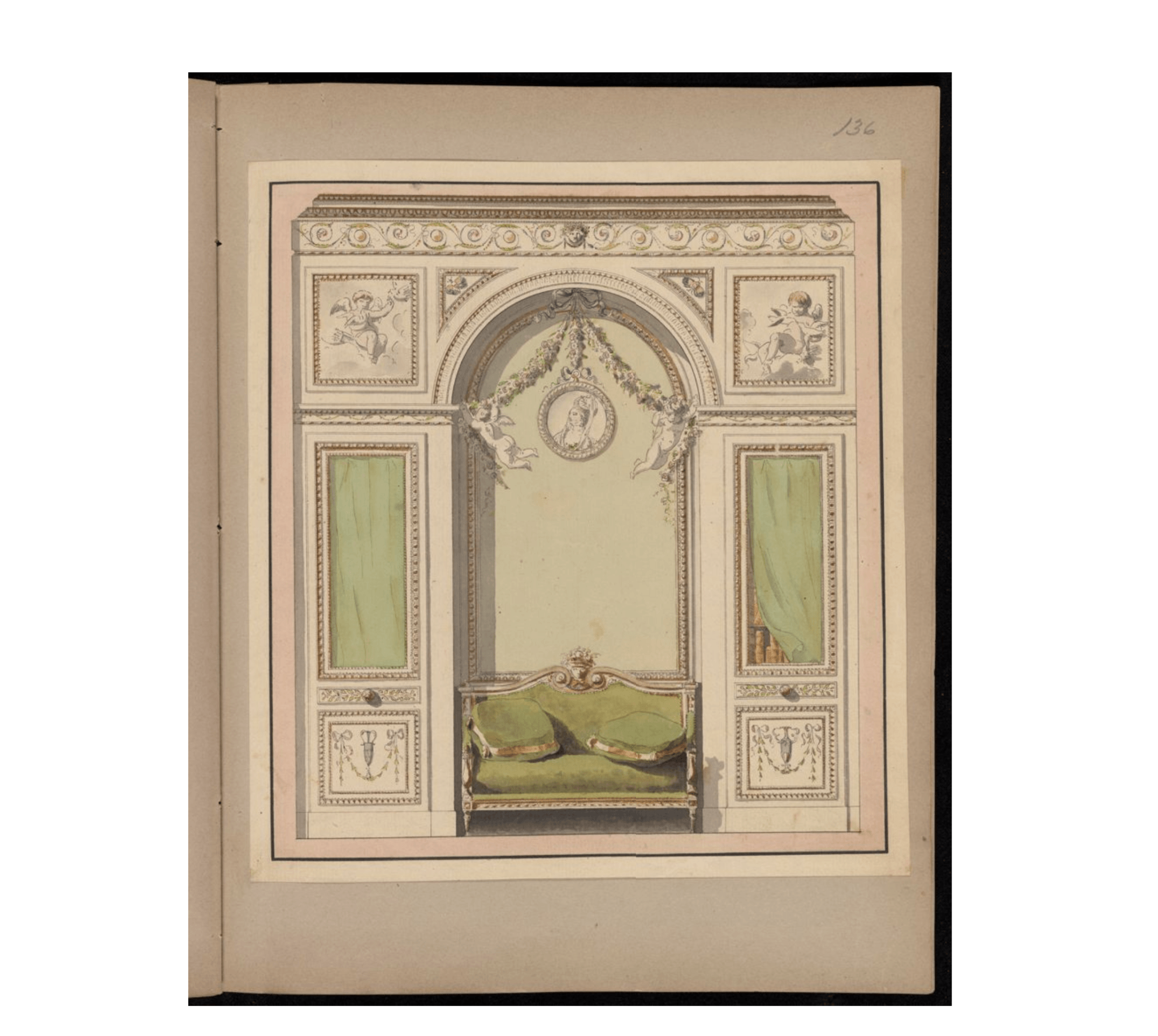
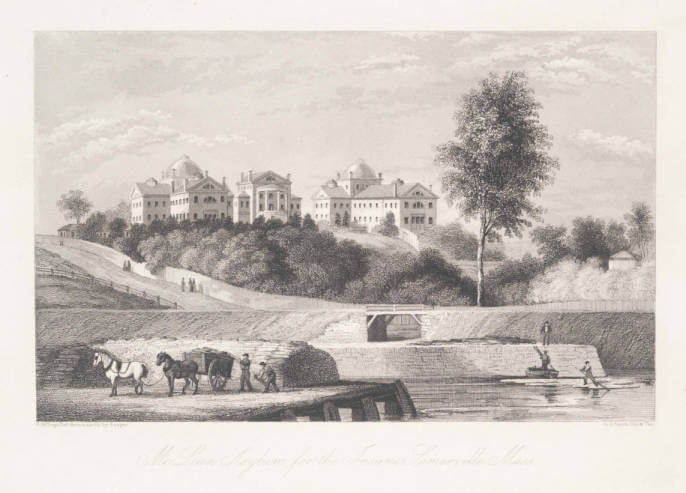
Billings married Sarah Mason in 1841. Roughly a decade later she was committed to what is now McLean Hospital and there is no further record of her. He later married Phoebe Warren, but they separated around 1860. Records suggest Billings lived in boarding houses and apartments in Scollay Square after his separation.
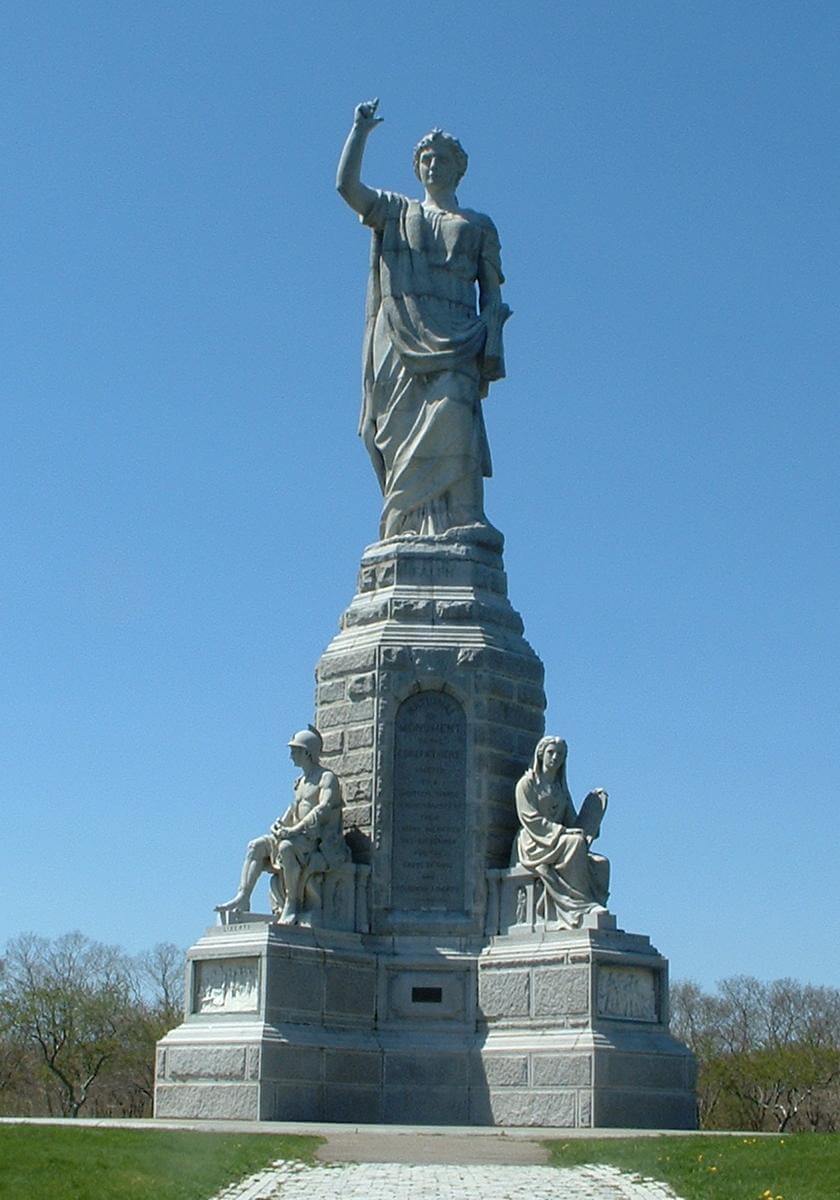
Hammatt Billings died after an illness while visiting his brother Henry in Manhattan on November 14, 1874. At the time of his death, friends wrote about his kindness, generosity, and talent. Thirty-five years after submitting his original design, the National Monument to the Forefathers at Plymouth was completed in 1889. Though much smaller than Billings’s original intentions it is one of, if not the largest solid granite monument in the world.
Article by Janelle Smart, edited by Jaydie Halperin
Sources: Hammatt Billings, “Hammatt Billings Architectural Scrapbook, 1860 – 1873” (Wellesley College Archives); The Boston Globe. Tuesday November 17, 1874; Carleton, The Story of the Great Fire, Boston, November 9-10, 1872 (Boston: Shepherd and Gill, 1872); Kelsey Gustin, “The Liberator” (Boston Public Library Blog, July 26, 2018); Mount Auburn Cemetery, “Shaw Monument & The Massachusetts 54th In Memory: Colonel Robert Gould Shaw of the Massachusetts 54th”; James F. O’Gorman. Accomplished in all departments of art: Hammatt Billings of Boston, 1818–1874. University of Massachusetts Press, 1998; Princeton University – Graphic Arts Collection, “Alcott to Billings: Oh, Please change em!” (May 17, 2017); Stephen Railton & the University of Virginia, “Uncle Tom’s Cabin and American Culture” A Multi-Media Archive, University of Virginia Clifton Walker Barrett Library; Richard Stoddard, “Hammatt Billings, Artist and Architect”. Old-Time New England, Volume 62, Number 227 Winter, 1972.