
Trains to Planes: How the Boston & Maine Became Pan Am
The Boston & Maine Rail Road was a major institution in the West End as it transported people and goods around New England. Yet as the rail industry evolved and faced new challenges the B&M struggled financially. Eventually, bankruptcies and acquisitions led to trains with the logos for Pan Am crossing B&M’s tracks.
Planes and trains might seem like opposing forms of transportation. However, once, on tracks that terminated in the West End, they overlapped. For a brief time, Pan Am, known for its flights across the Americas, owned and operated the Boston & Maine Railway. Kind of. To understand how this came to be, it’s necessary rewind to the dawn of train travel.
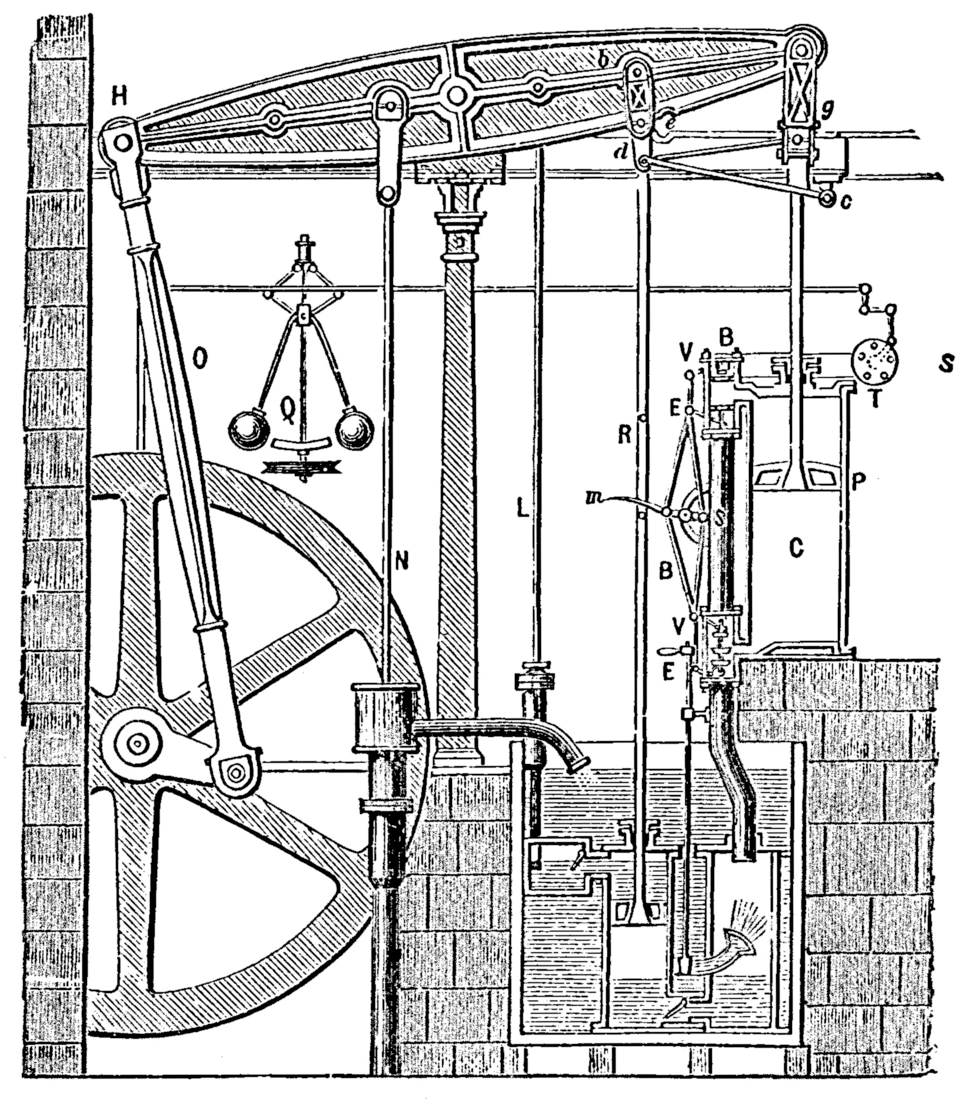
By the end of the eighteenth century inventors such as Thomas Savery, Thomas Newcomen, and James Watt slowly developed steam power. This was the beginning of the industrial steam engine. Engineers used improved steam engines to power newly-invented trains in the early nineteenth century. Steam-powered trains meant that people and supplies could travel much farther in much less time.
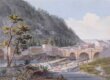
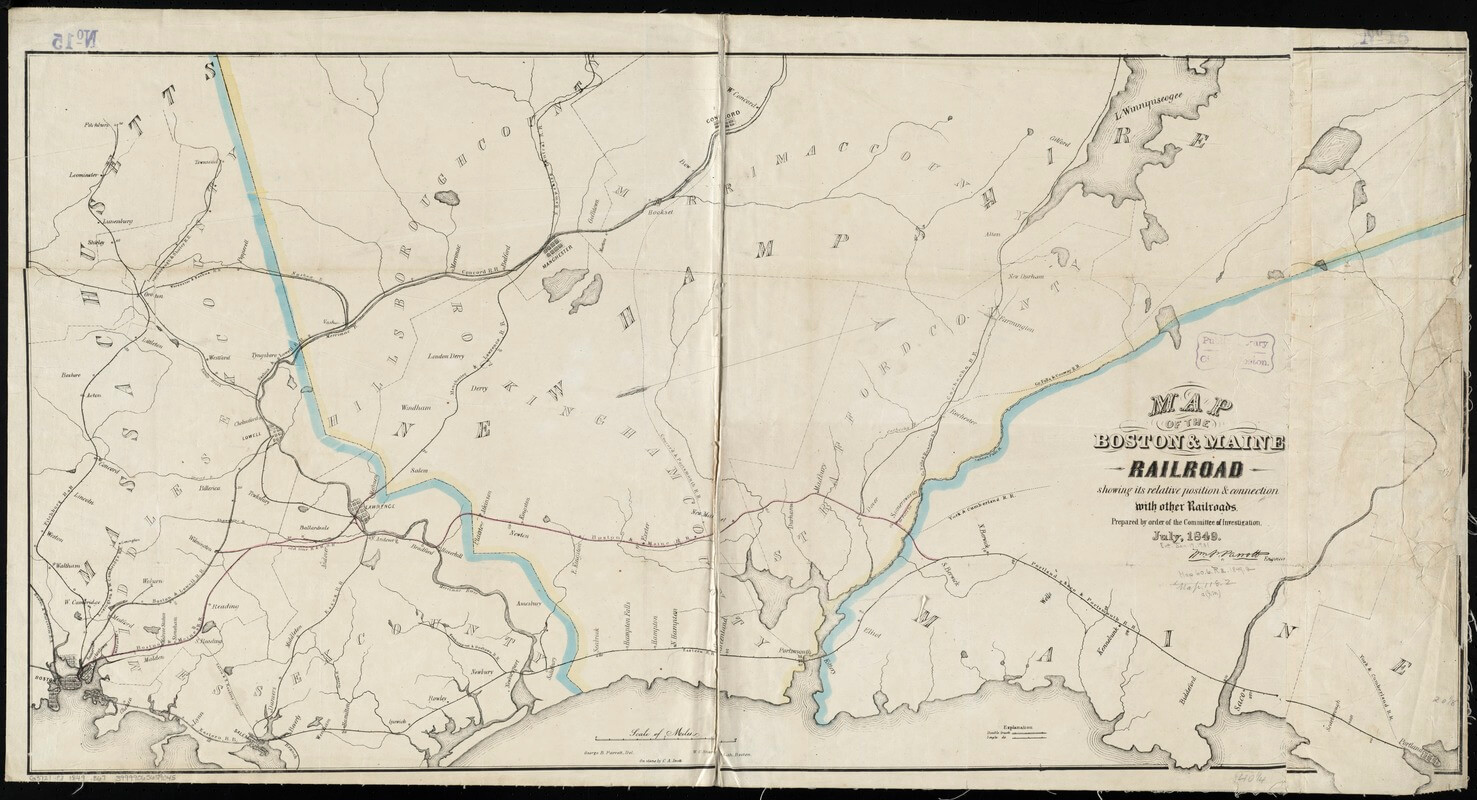
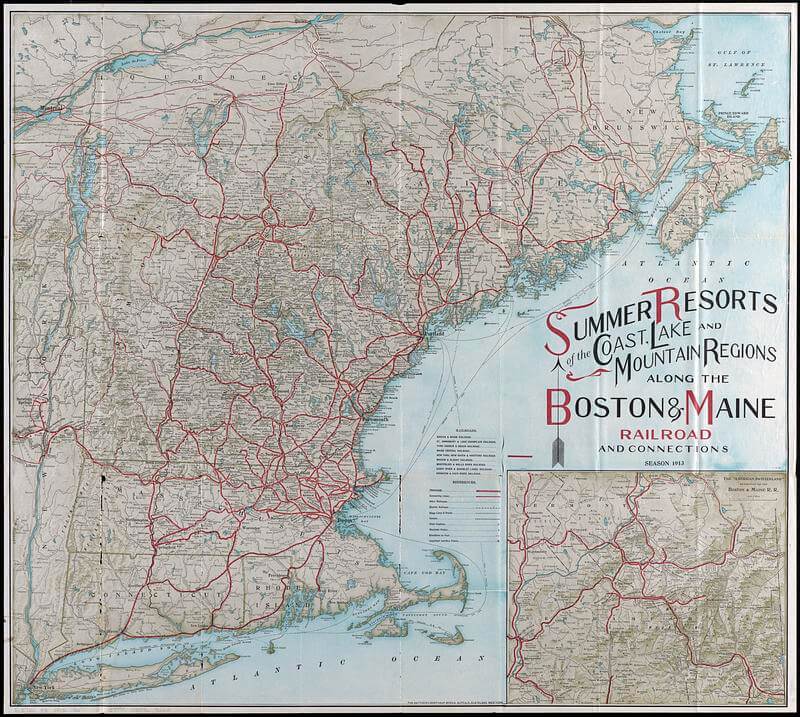
In 1836, the Boston and Maine Railroad (B&M) constructed an uninterrupted route between Boston and Portland. Over the next 65 years, the B&M acquired many rival and smaller, older railroad routes. Some of their new lines included the Eastern, Boston and Lowell, Connecticut and Passumpsic Rivers, Concord and Montreal, Connecticut River, Fitchburg, Portland and Rochester, and Worcester and Nashua. The B&M linked hundreds of cities across northern New England and New York.
From 1845 to 1893, the B&M terminated in Haymarket Square. The station drew some of its workforce from the West End, including Irish immigrants seeking a better life in the United States. When the station was demolished, the railroad moved to Union Station (present day North Station). Situated along Causeway Street, the station hosted multiple railways, but B&M financed a large portion. The West End was a transportation hub that hosted large scale rail along with ever changing commuter services.
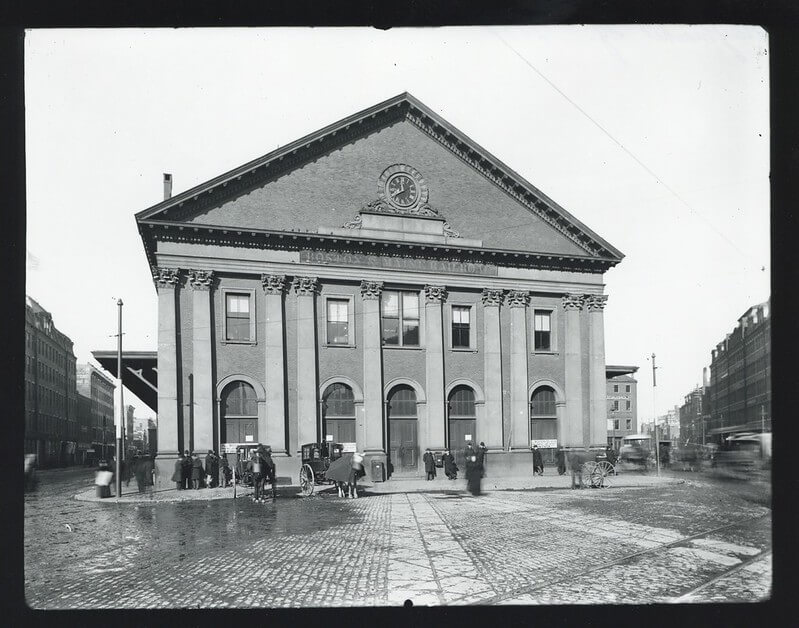
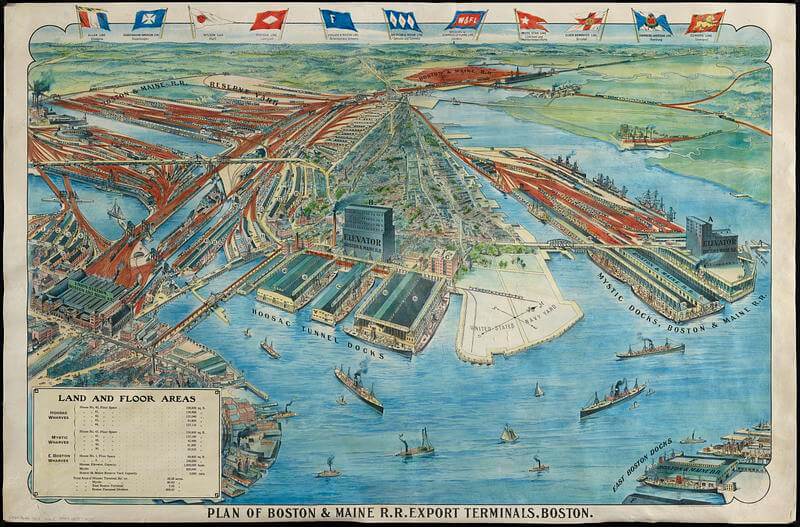
The B&M facilitated industry in New England by shipping grain, ice, lumber, meat, and produce. The railroad helped to expand Boston’s influence as an economic center and port. By the twentieth century, the B&M also drew visitors north. Their passenger service brought tourists to attractions in New Hampshire’s White Mountains and Lakes Region. Through the 1930s and ‘40s, the railroad promoted winter sports by transporting skiers between the city and the mountains.
However, decades of debt accumulation and the rise of newer means of transportation led to trouble. Convenient streetcars and later automobiles (which had grown in popularity by 1915) threatened the B&M’s passenger service. Plus, a decrease in New England manufacturing and increasing truck usage threatened freight service. After the B&M purchased the Fitchburg Line, it increased its debt and the company restructured in 1919 to avoid economic failure.
The railroad continued to combat debt. They ditched unprofitable branches and tracks. At the same time, B&M upgraded utilities, and incorporated new technology such as switch and signal interlocking to modernize their infrastructure. The B&M replaced steam with gasoline locomotives in less frequently trafficked branches. In 1955, Patrick B. McGinnis controlled the railroad as a financial operator. He oversaw the rise of diesel, closed railroad stations, sold equipment, and ended passenger runs. Soon, however, McGinnis was convicted of taking kickbacks on his equipment sales and was imprisoned.
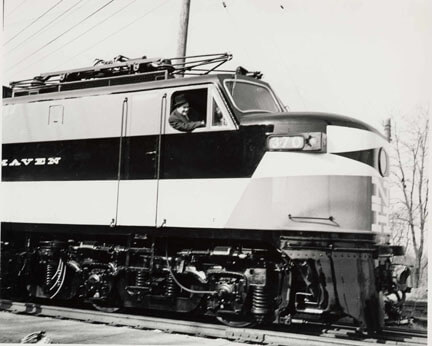
Throughout the 1950s and ‘60s, the B&M plummeted further into debt. Although transitioning to diesel had reduced costs, the railroad still didn’t see a profit. The B&M was forced to give up most passenger service after 1960. Still, it was able to continue its Boston commuter service with subsidies from the MBTA.
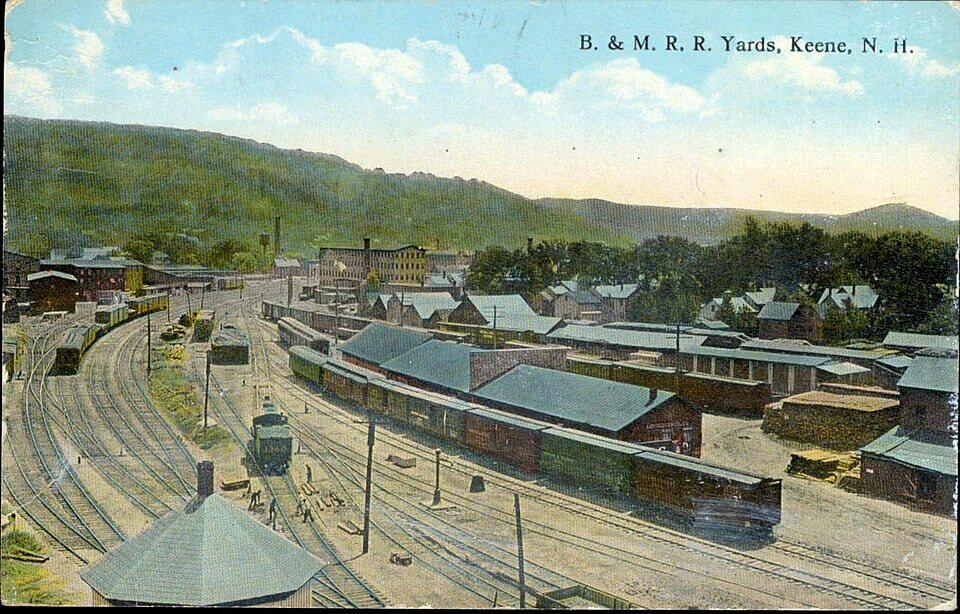
In 1970, the railroad filed for bankruptcy. After becoming the president in 1974, Alan Dustin cut operating expenses, sold rights of way in its commuter zone to the MBTA, and poured the saved expenses into improving the tracks. In 1980, the B&M saw its first profitable year since 1957.
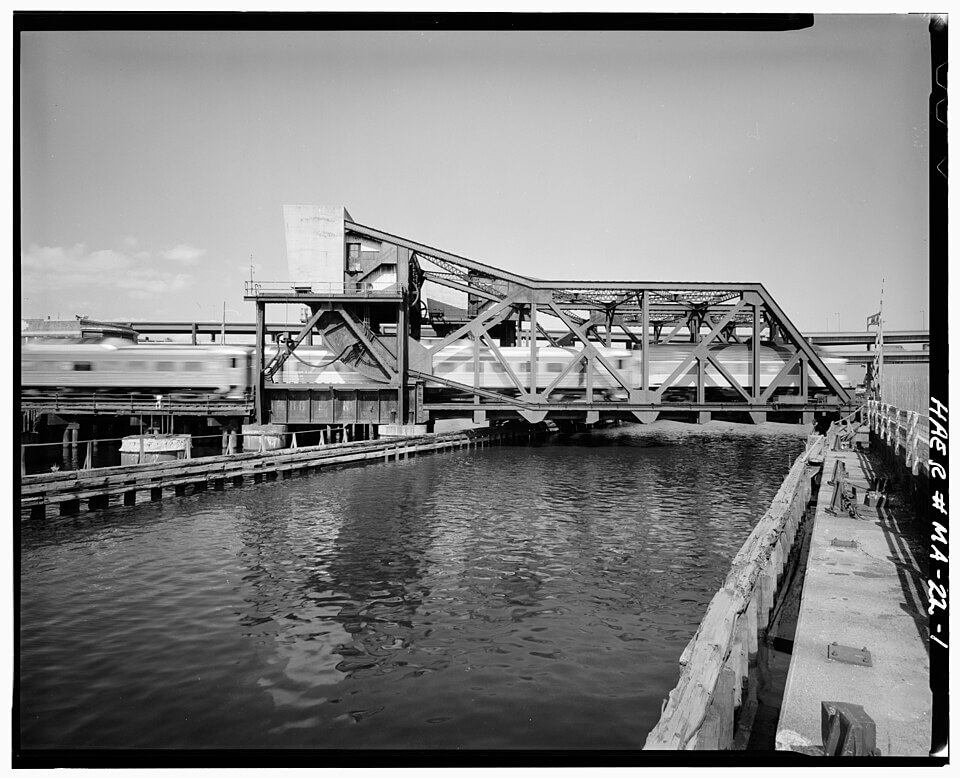
In 1983, Timothy Mellon’s Guilford Transportation Industries purchased the B&M for a little more than $24 million. That same year, the railroad emerged from bankruptcy. The company’s goal was to create a singular, unified New England rail system to rival its regional competitors. After acquiring B&M and Maine Central Railroad (purchased in 1981), Guilford extended into Connecticut and took several track segments from competitor Conrail. In 1986, Guilford leased a B&M track to Springfield Terminal Railway before losing its MBTA contract to Amtrak in 1987.

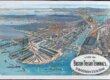
Here’s where the planes come in. Pan American World Airways was founded in 1927, and offered flight service across the Americas and beyond. It is often perceived as the symbol of the golden age of air travel. As fuel costs grew and demand shrank, however, Pan Am’s financial situation deteriorated. With the deregulation of the airline industry in 1978, Pan Am faced harsher competition. It was also prevented from establishing domestic routes by the US government. The company declared bankruptcy in 1991.
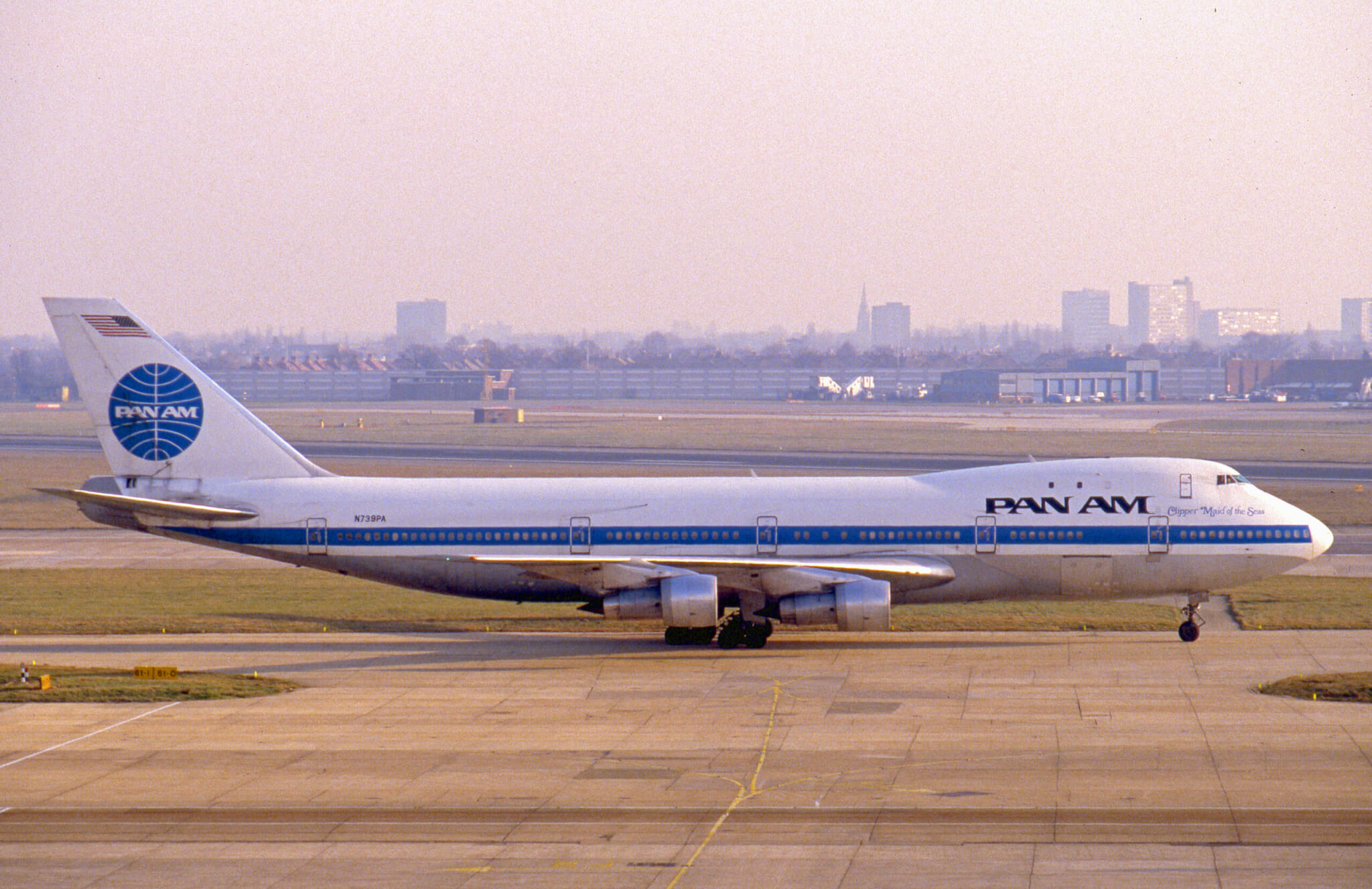
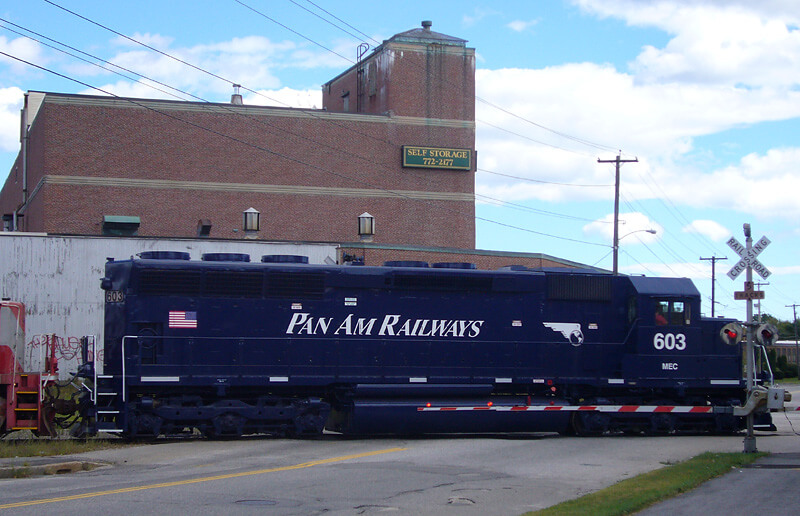
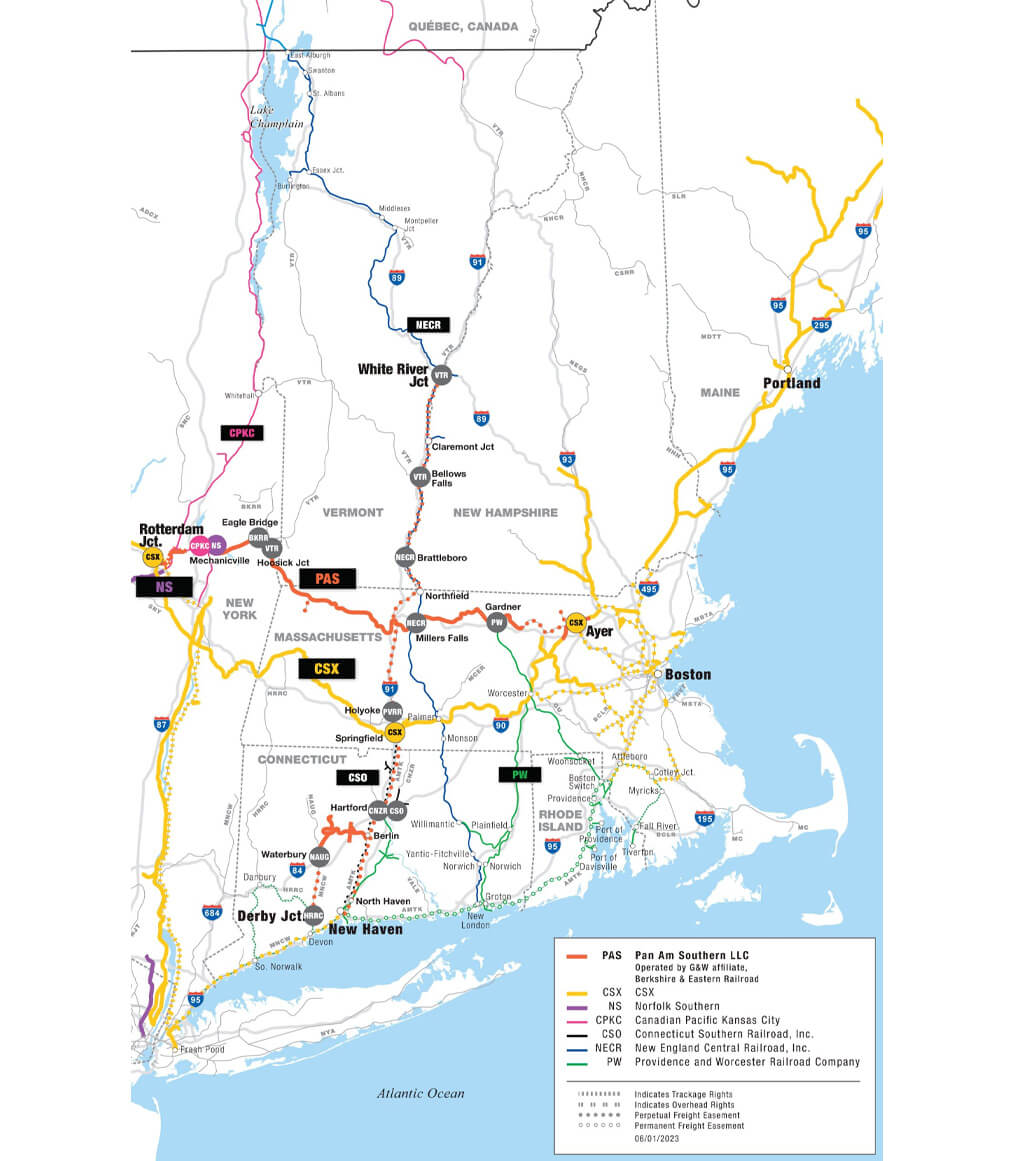
In 1998, Guilford Transportation Industries purchased Pan Am and rebranded itself as Pan Am Systems. In 2006 it rebranded as Pan Am Railways. The Boston & Maine was officially a part of the famous Pan Am (in a roundabout way).
In 1999, the B&M cooperated with Norfolk Southern to run an intermodal train between Massachusetts and New York. This type of train can transport containers between ships, trains, and trucks without unloading cargo. Later, the two railways created the joint venture Pan Am Southern in 2008. Pan Am Southern mainly shipped raw materials via containerized freight. In 2001, Amtrak’s Downeaster Service restored the long-distance passenger service to Maine missing since B&M scaled back in the 1960s.
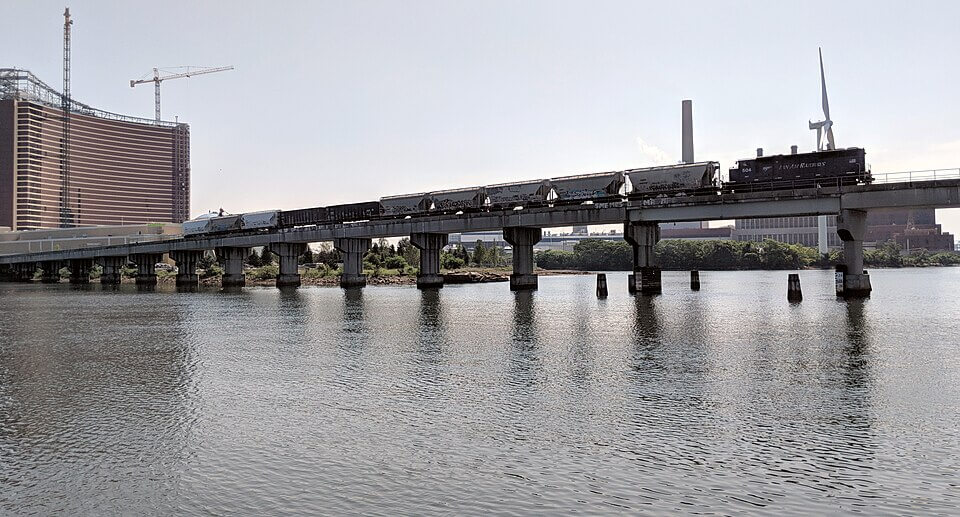
In 2006, the railroad got flack for neglecting to report a hazardous spill and contaminated earth. As a result, Pan Am Railways and three of its subsidiaries were sentenced to three years of probation. Pan Am was ordered to pay $125,000 to the state. The Massachusetts Environmental Crimes Strike Force reported 900 gallons of diesel on the ground near an idle train. Pan Am failed to report the spill within the state’s required two-hour time frame.
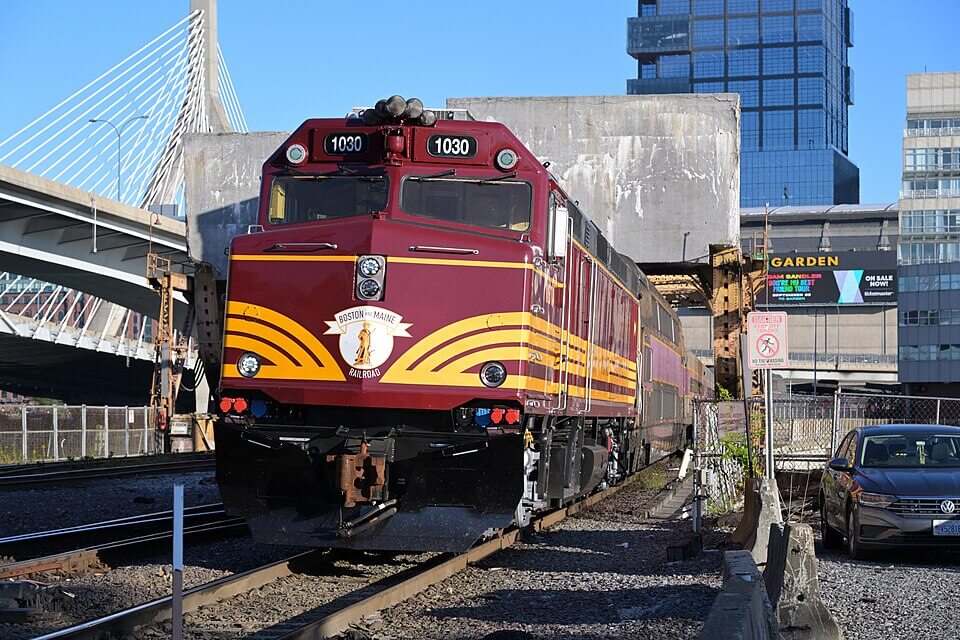
In 2022, CSX acquired Pan Am Railways for $600 million. Today, the MBTA operates former B&M commuter services. They have integrated push-pull equipment (allowing trains to avoid turning around) and constructed modern stations. The T runs the Haverhill, Newburyport/Rockport, Lowell, and Fitchburg Lines over former B&M rails under its own agreement with Keolis. Valley Flyer operates the former Connecticut River Division between Springfield and Greenfield, Massachusetts. The MBTA even introduced commuter locomotives inspired by the historic B&M trains.
At its zenith, the B&M held 28,000 employees, maintained 2,300 route miles of track, and operated 1,200 steam locomotives. The railroad was essential to New England’s industrial economy and brought visitors to the region’s most scenic destinations. Despite its past financial lows, B&M’s continued existence under Pan Am Railways connects it with the historic highs of air travel. Though Pan Am no longer flies quite as high!
Article by Vivian Dykema, edited by Jaydie Halperin
Sources: Buildings of New England, “1845–1893: Former Boston & Maine Railroad Station” (September 15, 2024); Adam Burns “Boston and Maine Railroad: “Route Of The Minute Man” (American-Rails.com, September 16, 2026); Adam Burns, “Pan Am Railways: A Former New England Regional (2006-2022)” (American-Rails.com, August 30, 2024); Thom de Boo, “Pan Am… Railways??” (YouTube, uploaded by Trains Are Awesome, 8 Oct. 2022); Molly Farrar, “MBTA debuts train design to honor historic New England railroad, with more on the way” (Boston.com September 9, 2025); FBI, “History– Pan Am 103 Bombing”; Global Boston, “The West End” Boston College; Great American Station, “Boston North Station, MA (BON),” (Amtrak); Museum of American Heritage, “Dreams of Steam: A History of Steam Power,” (exhibition November 15, 1996 – February 23, 1997); Rick Nowell, “History,” (Boston & Maine Railroad Historical Society, January 23, 2024); Pan Am Southern LLC, “Pan Am Southern (BERX)”; Lisa Remond, “Pan Am, Three Others Fined in 2006 Ayer Oil Spill” (Lowell Sun, April 1, 2009); Laura Smith, “46th Anniversary of the indictment of Patrick B. McGinnis” (U Conn, Archives and Special Collections Blog, August 14, 2009); Unis Co, “Pan Am Railways.” (Regional Railway Directory).