
Theatre, Community, and the Augusta Fraternal Association During the Great Depression
During the Great Depression, an unusual collaboration between immigrant mutual aid groups, the federal government, and the arts came together on a Boston stage. The Federal Theater Project raised funds for the Augusta Fraternal Association in a one night only performance. Explore this snapshot of the 1930s New Deal era and vibrant immigrant community life.
Curtain Rises
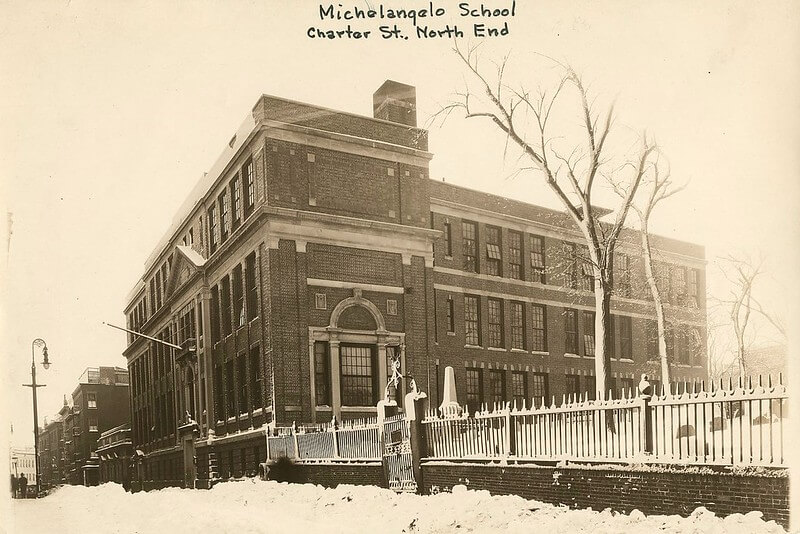
On a December evening in 1937, members of Boston’s Italian community gathered at Michelangelo School Hall in the North End. Some had likely finished long days working around the city before gathering for this unique event.
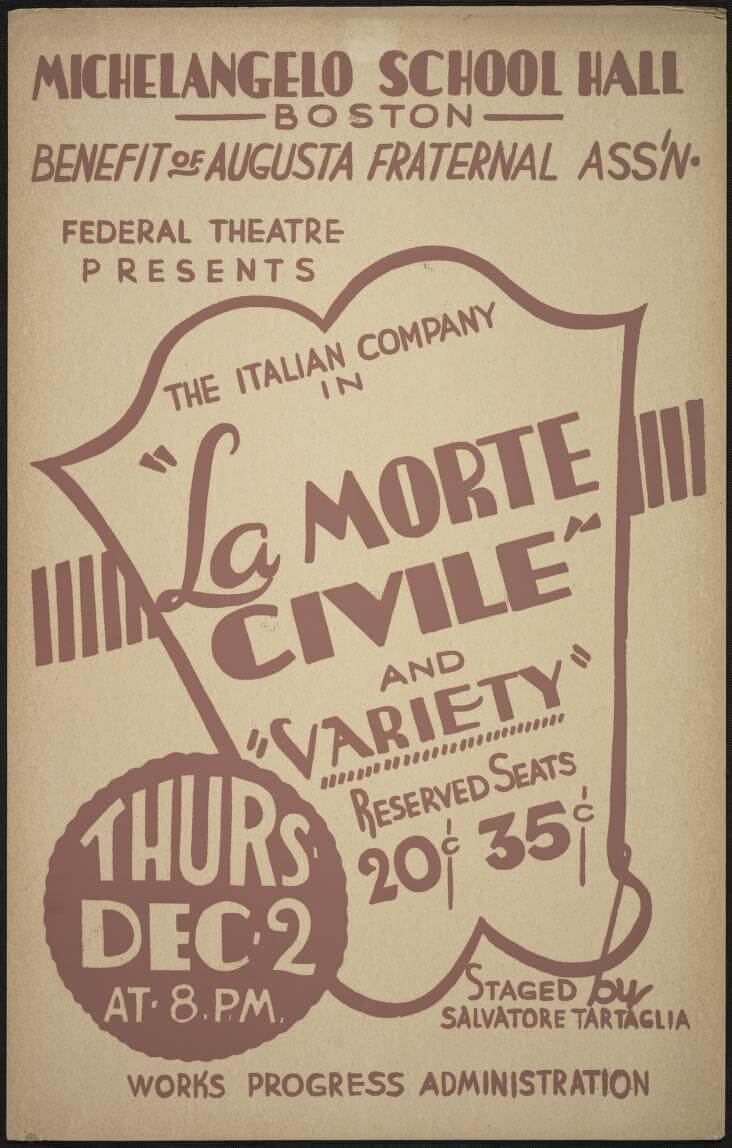
A poster outside announced an Italian-language performance of La Morte Civile (“Civil Death”). The play would be performed by the Federal Theatre Project’s Italian Company. Reserved seats cost twenty or thirty-five cents. The performance was a benefit for the Augusta Fraternal Association (AFA). This young organization was founded by immigrants from Augusta, Sicily. For one evening, Michelangelo School Hall united theatre, government relief programs, and immigrant culture.
Why would a federal theatre company perform an Italian tragedy to benefit a small Sicilian immigrant association? The answer explains how theatre during the Great Depression could be about much more than entertainment.
A Home Away from Home: The Augusta Fraternal Association
The Augusta Fraternal Association was established in Boston’s West End in 1936 by immigrants from Augusta, Sicily. For many years it was located on the second and third floors of a building on Staniford Street. Though modest in size, the AFA was part of a larger tradition of immigrant organizations in Boston. Mutual aid societies gave immigrants places to meet, build friendships, and support one another. They maintained hometown connections and cultural traditions while building new lives in America. A similar organization from the Vilnius region of Lithuania (“Vilna” in Yiddish) began as a source of mutual aid before founding the Vilna Shul.
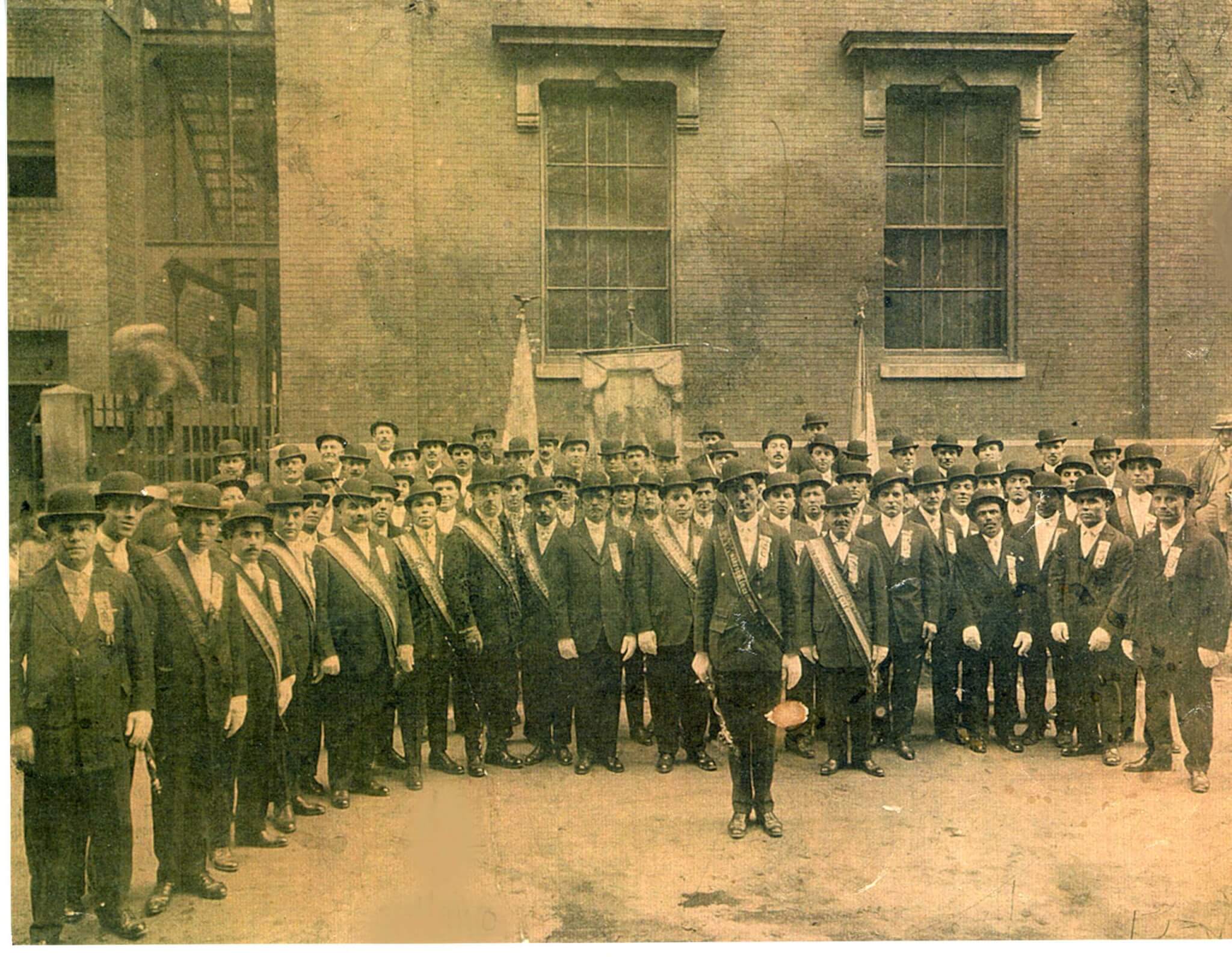
The AFA’s records indicate they hosted social gatherings, cultural celebrations, and created educational scholarships. The AFA’s involvement in the 1937 theatre performance shows the organization reaching out to Boston’s wider Italian-American community only a year after its founding. The organization also helped preserve traditions from Augusta for future generations. Many Augustani settled in Boston’s West End before later moving to East Boston. Urban renewal displaced many West End Italians in the late 1950s and early 1960s. Even as families moved, organizations like the AFA helped maintain a sense of community. Their legacy extended long past the displacement of the West End population. In 2002, the AFA adopted a new name, the Augusta Boston Club, preserving a connection to a shared heritage that started with the original association.
The Federal Theatre Project
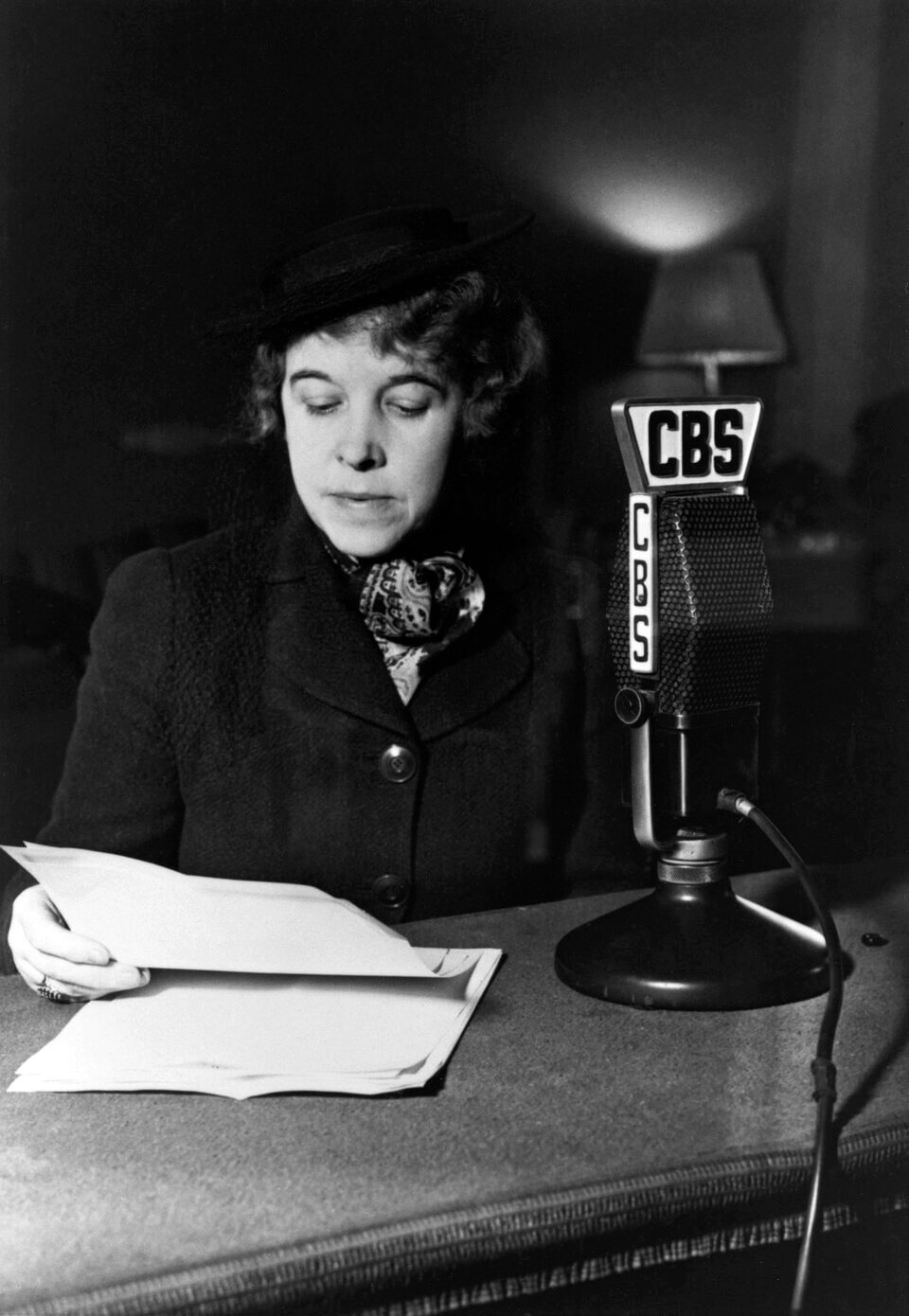
During the Great Depression, unemployment affected all sectors of the economy. This included artists, actors, directors, musicians, stagehands, and playwrights. In 1935, the Works Progress Administration, supported by First Lady Eleanor Roosevelt, created the Federal Theatre Project. Under the direction of Hallie Flanagan, the project aimed to provide work for theatre professionals and share live theatre across the United States.
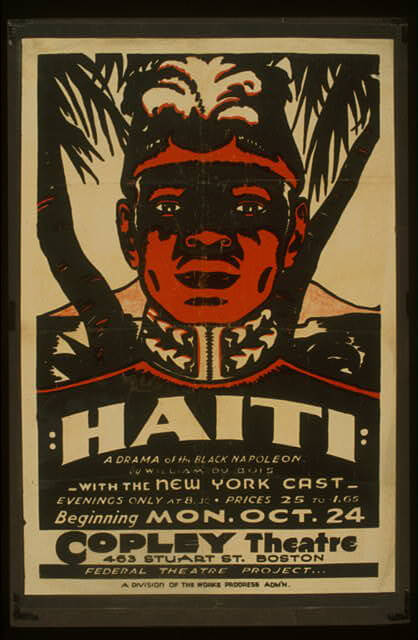
The project did not limit itself to large commercial theatres. Productions took place in schools, churches, lodge halls, community centers, and other small spaces. The project included companies who performed in several languages including English, Yiddish, Spanish, German, and Italian. There were also troupes of Black artists who produced both contemporary and classic plays, including the famous “Voodoo” Macbeth directed by a young Orson Welles. Boston was one of the project’s regional centers. Its Italian Company performed for the city’s many Italian-American communities.
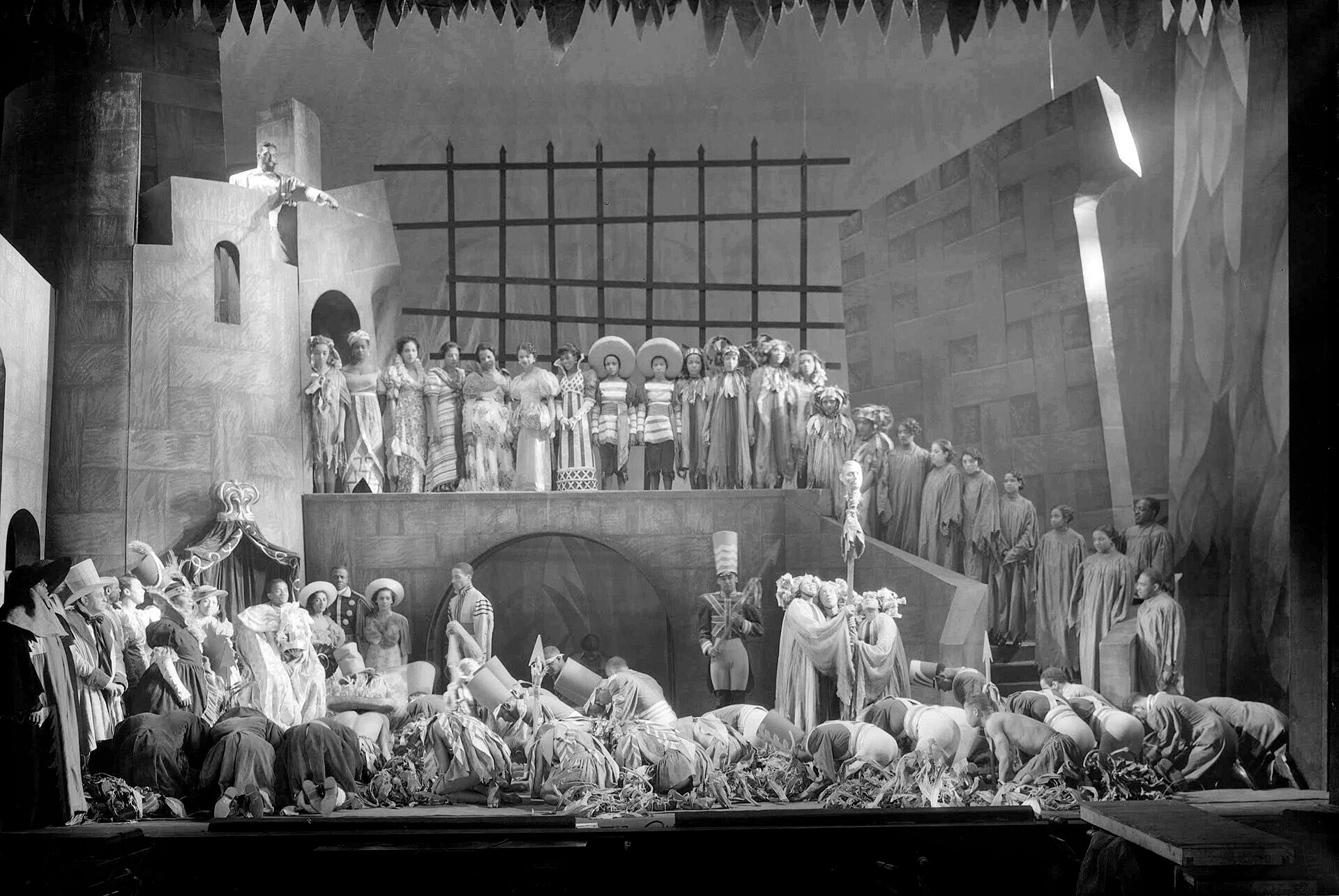
For immigrant audiences, these performances offered the chance to see professional theatre in a familiar language. Tickets were often free or inexpensive. This especially made performances accessible during a difficult economic period.
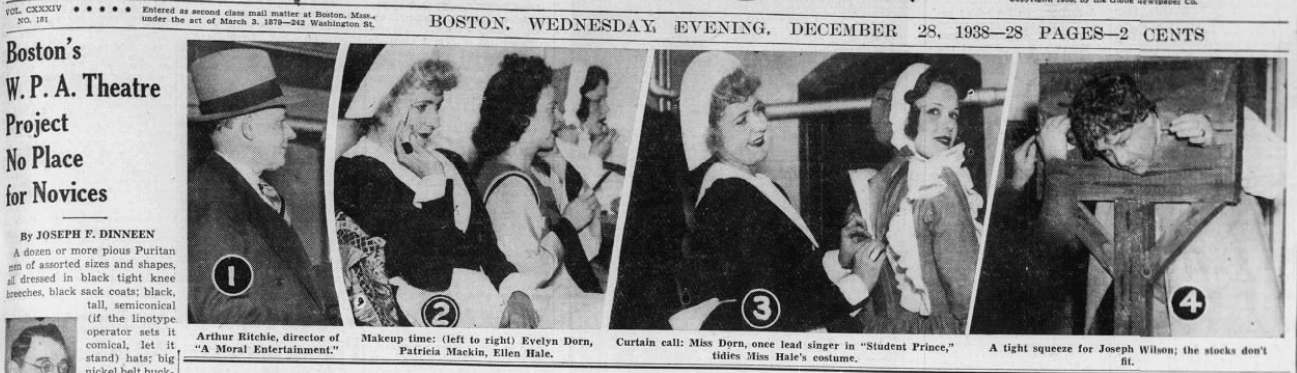
The theatre companies also worked with local organizations. Benefit performances could raise money for community groups while bringing audiences together. The AFA’s 1937 benefit performance connected federal theatre initiatives and immigrant community life.
Why La Morte Civile?
Written by Italian playwright Paolo Giacometti, La Morte Civile tells the story of Corrado, a man imprisoned for life. When he returns to his home, Corrado finds that his wife and daughter have built new lives without him. The title, which means “civil death,” refers to the loss of a person’s legal rights and place in society.
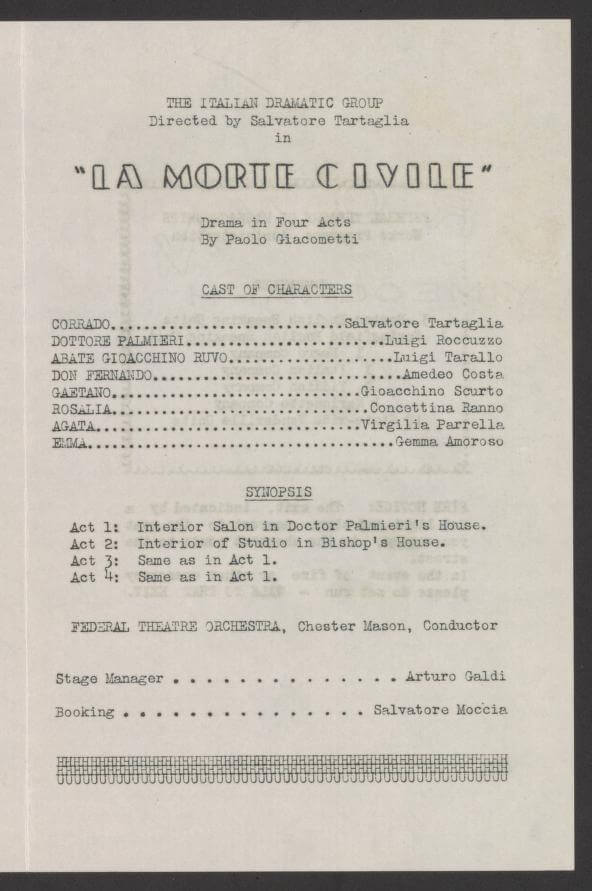
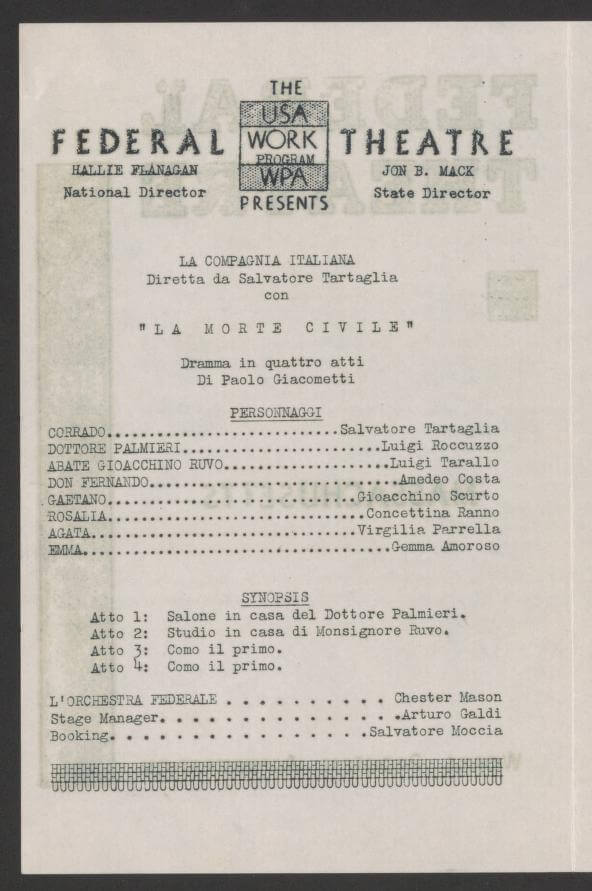
The story centers on separation, family, displacement and loss. These themes may have had particular meaning for immigrant audiences. Many had left families and hometowns behind to build new lives in the United States.
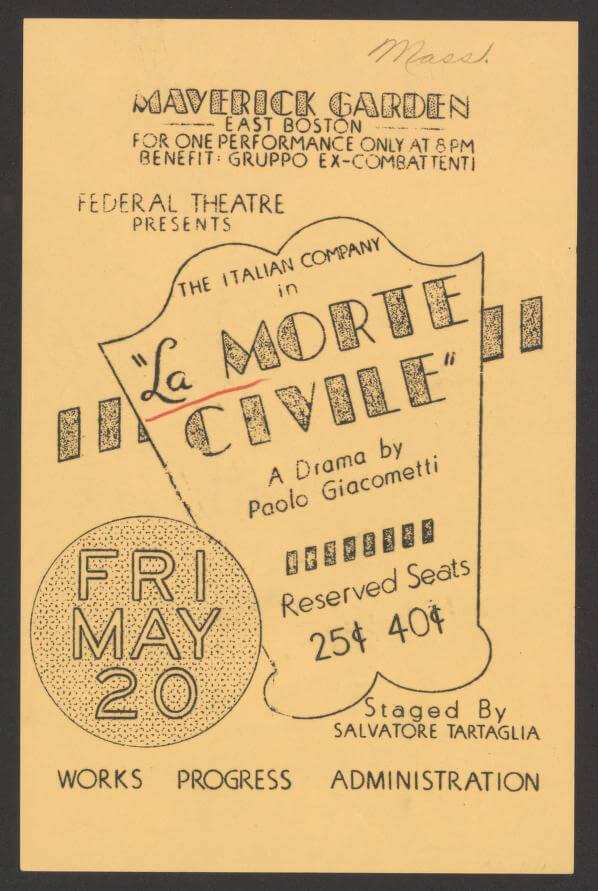
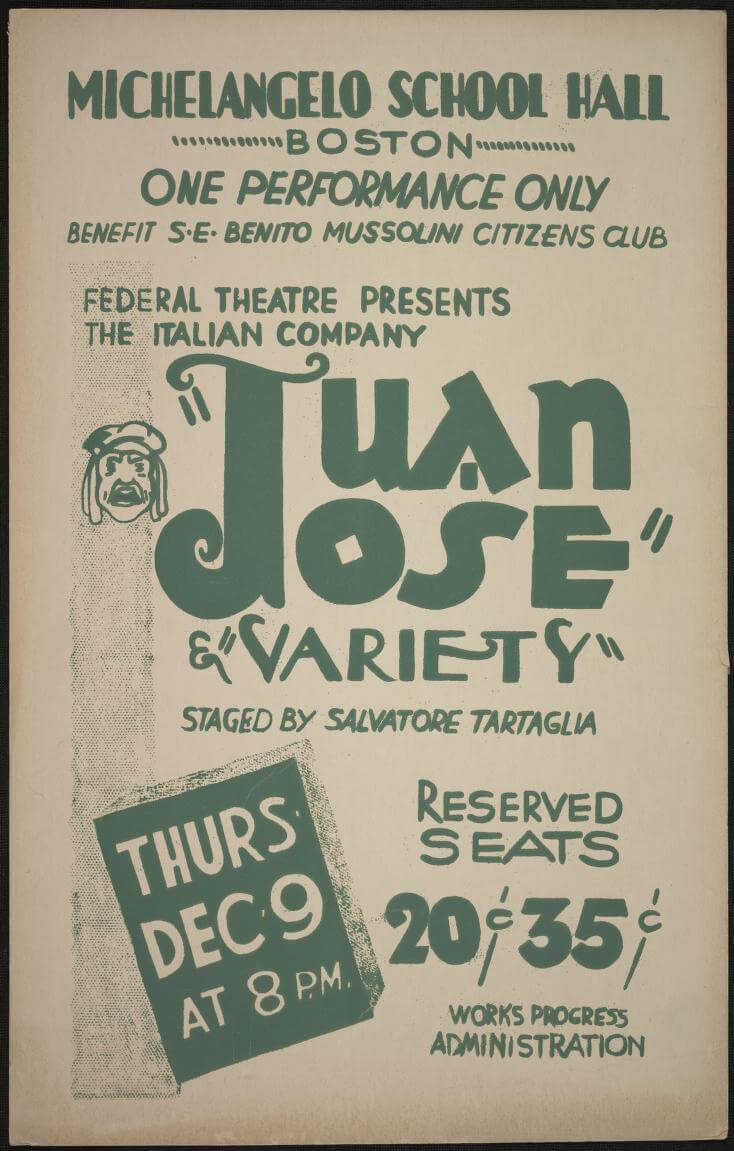
The 1937 performance for the AFA was not the only Italian language performance by Federal Theatre Project in Boston. Only a week later, the company presented Juan José as a benefit for the S.E. Benito Mussolini Citizens Club of Boston (a pro-Italian club, with unclear affiliation with Italian Fascism, based in the North End). Months later, the company performed La Morte Civile again in East Boston as a benefit for the Gruppo Ex-Combattenti (Ex-Serviceman’s Group). The Italian Company connected professional theatre with immigrant organizations and communities around it.
Why It Still Matters
The Federal Theatre Project posters may look like simple ads for inexpensive evenings of theatre. But they tell a larger story. They capture a moment when federal investment in the arts met the everyday life of immigrant communities. Theatre provided work for artists. It brought Italian-language performances to Boston audiences. And through benefit performances, it could also support local organizations. The Augusta Fraternal Association was more than a social club. It gave immigrants from Augusta a place to maintain connections to one another and to the traditions they had brought from Sicily.
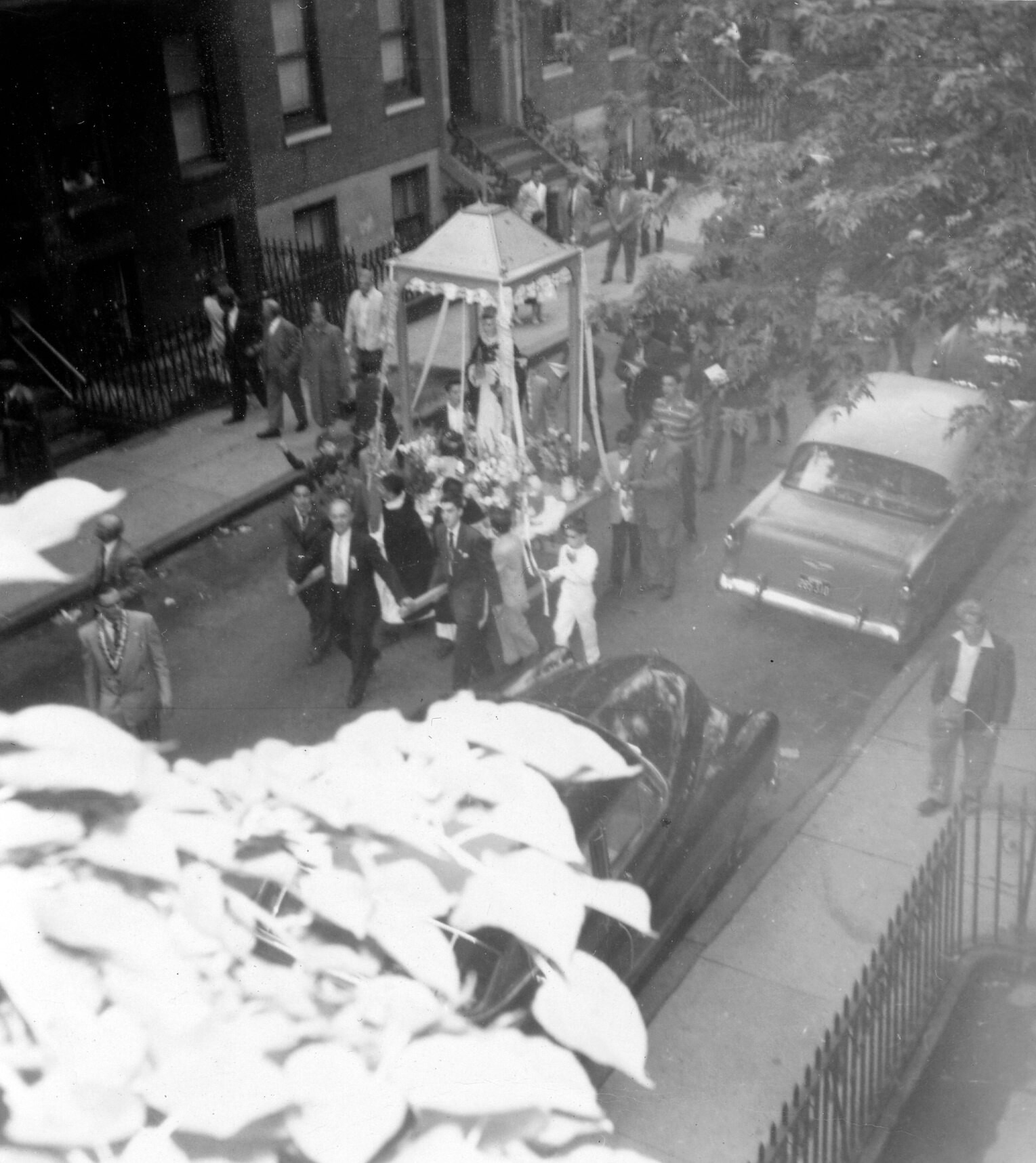
The posters preserve an investment by the federal government into the arts and immigrant communities. The AFA survived because generations of members continued it. Together, they show that culture is not simply something people inherit. It is something communities build, support and share – even when their circumstances change.
Article by Rupa Rama, edited by Jaydie Halperin
Sources: Bobby Agrippino, “The North End Wasn’t Always Italian, Here’s How It Became Boston’s Proudest Neighborhood,” (North End Boston Food Tour, February 23, 2026); Emelise Aleandri,“Italian-American Theatre,” (Altreitalie, January- June 2004); Jill Stapleton Bergeron, “Federal Theatre Project” (EBSCO Research Starter, 2022); Boston Post-Gazette January 16, 2009, January 22, 2010, January 28, 2011, February 17, 2012, February 21, 2014, February 27, 2015; Gregory W. Bush, “Federal Theatre Project (FTP)” (Encyclopedia of the Great Depression, Encyclopedia.com, July 10, 2026); Olivia Kate Cerrone, “Revisiting Joseph Caruso’s ‘The Priest’ & The West End’s Sicilian Immigrant Community,” (The West End Museum, March 29, 2025); Andrew Child, “Looking Back to Look Forward, Part Two: Revolutions” (Broadway World, September 10, 2010); James Michael Curley, “James Michael Curley Scrapbooks Volume 5,” (College of the Holy Cross, Special Collections, 1929); Eric Ferrara, “The Dark and Forgotten History of Italian Immigration I bet You Didn’t Know” (Lower East Side History Project, March 26, 2025); Olivia Hussey, “Italians in East Boston,” (Boston College, Global Boston, 2016); Library of Congress, “The WPA Federal Theatre Project, 1935-1939”; Living New Deal, “Tag Archives: Federal Theater Project” (Living New Deal, April 25, 2022); Christopher Newton, “”In Order to Obtain the Desired Effect”: Italian Language Theater Sponsored By The Federal Theatre Project In Boston, 1935-39”, 12 no. 2 (Italian Americana, Summer 1994), pp. 187-200; Trav S.D. “On Hallie Flanagan and the Federal Theatre Project” (Travalanche, August 27, 2025); Adam Tomasi, “Italian-American West Enders’ Fight for Citizenship in the 1950s”(The West End Museum, November 24, 2021); Travis Tomchuk, “Transnational Radicals: Italian Anarchist Networks in Southern Ontario and the Northeastern United States, 1915-1940” (dissertation, Queen’s University, Kingston Ontario, November 2010); Sarah Vandewalle, “Banned In Boston: Censorship and Self-Censorship in Boston’s Federal Theatre Project” (Honors Thesis, Tufts University, 2016).