
Urban Renewal in Easton, PA’s “Syrian Town”
The mid-size industrial city of Easton, PA was home to a thriving population of Lebanese-Americans living in a diverse neighborhood. However, city officials deemed their neighborhood a slum and used urban renewal funding to displace thousands of residents. This article tells the story of Easton’s brush with urban renewal and offers a case study on how urban renewal affected smaller cities.
Urban renewal and the displacement caused by bulldozer redevelopment was not only a big city phenomenon. Many are aware that large east coast cities undertook major urban renewal projects that displaced thousands. For example, New York destroyed San Juan Hill to make way for Lincoln Center and Boston brought down the West End for Charles River Park. However, smaller cities were also affected. Easton, Pennsylvania is the home of Lafayette College and a former industrial town on the Lehigh Canal. It was the site of major urban renewal projects that disrupted the racially and ethnically diverse area known at the time as “Syrian Town.”
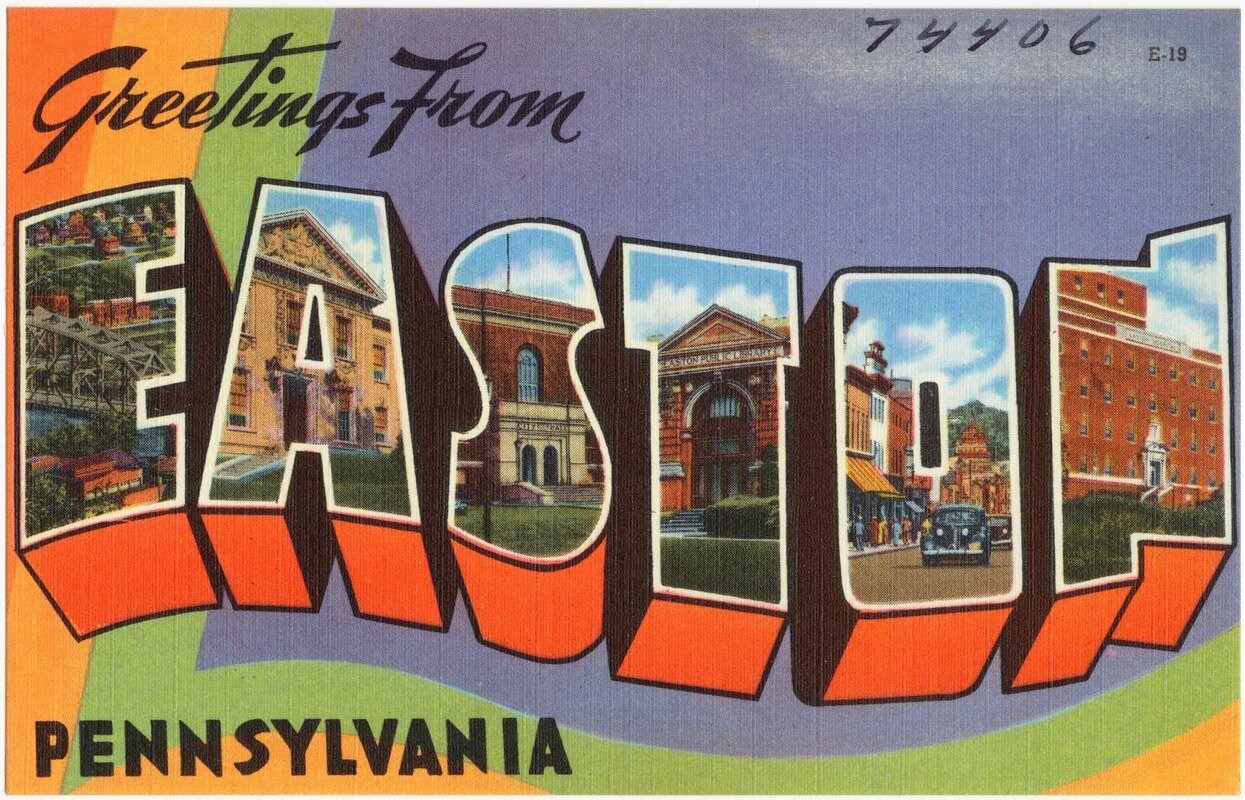
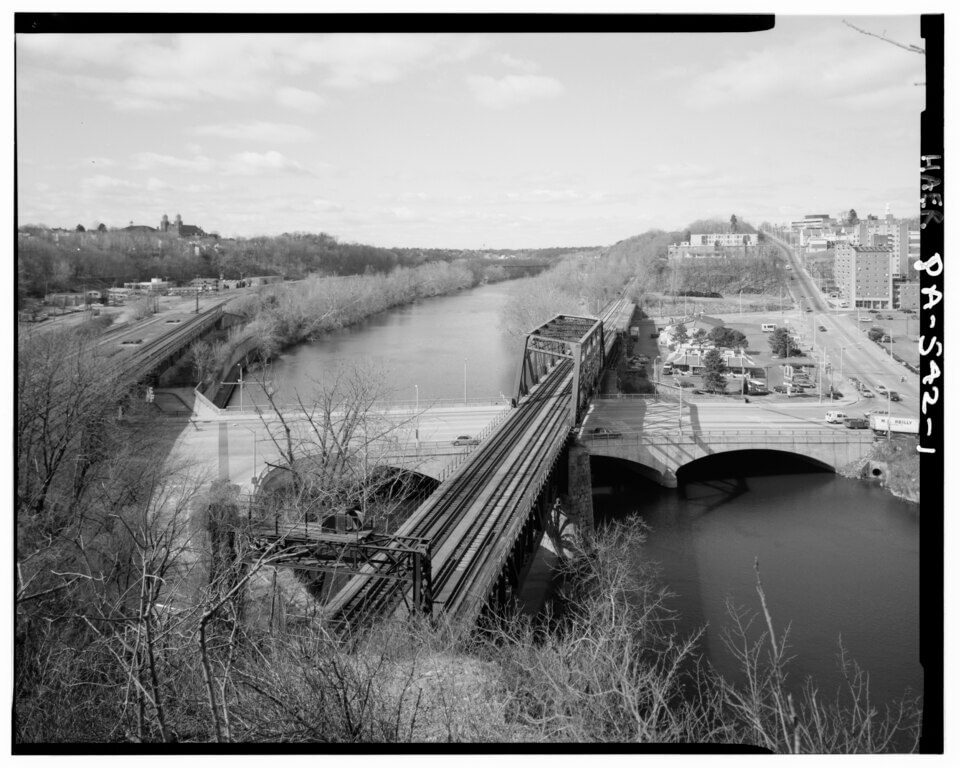
Easton, the seat of Northampton County, dates back to the early settlement of Pennsylvania. It is located in the Lehigh Valley; a significant industrial center in the nineteenth and early twentieth century. Thanks to its location along the Delaware and Lehigh rivers and neighboring canals, it was an ideal place for a rail and river-boat transit hub and to build factories. Easton grew to become one of the wealthiest and populated cities in the region. The economy was sustained by factories and local commerce. The area was, and still is, home to the world headquarters of Crayola.
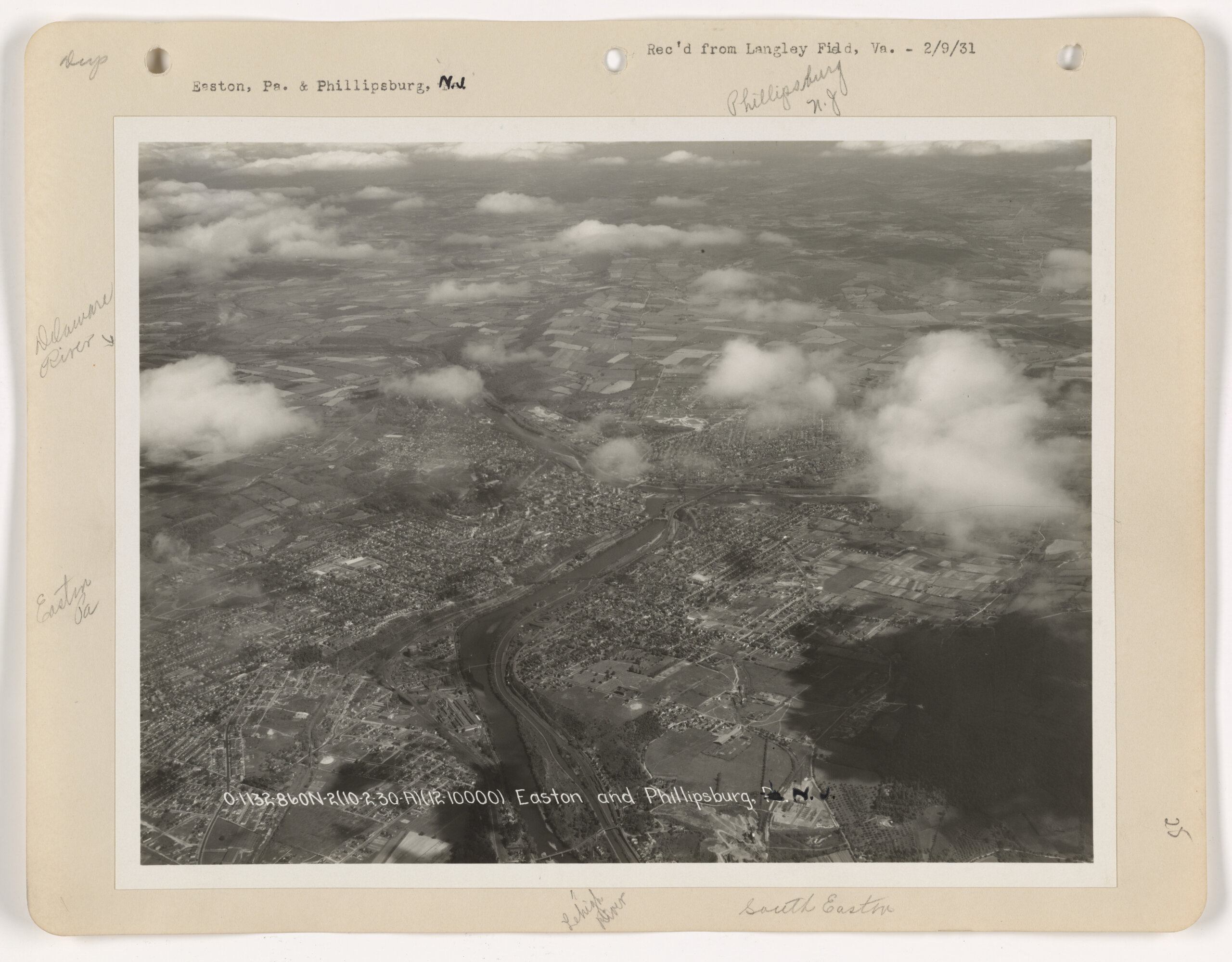
Easton, like many mid-twentieth century cites, was home to a large number of first and second generation working class Americans. They often lived in close knit communities that Herbert Gans would term “urban villages.” In Easton’s case, the neighborhood along Lehigh and Washington Streets had been home to waves of immigrants. Italians, Russian Jews, and Irish had moved through the neighborhood, but by the 1960s, these groups had relocated to other parts of the city.
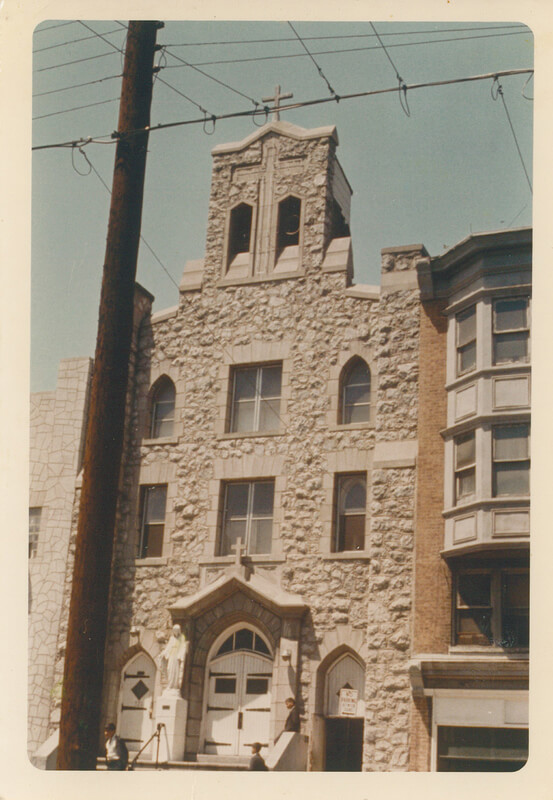
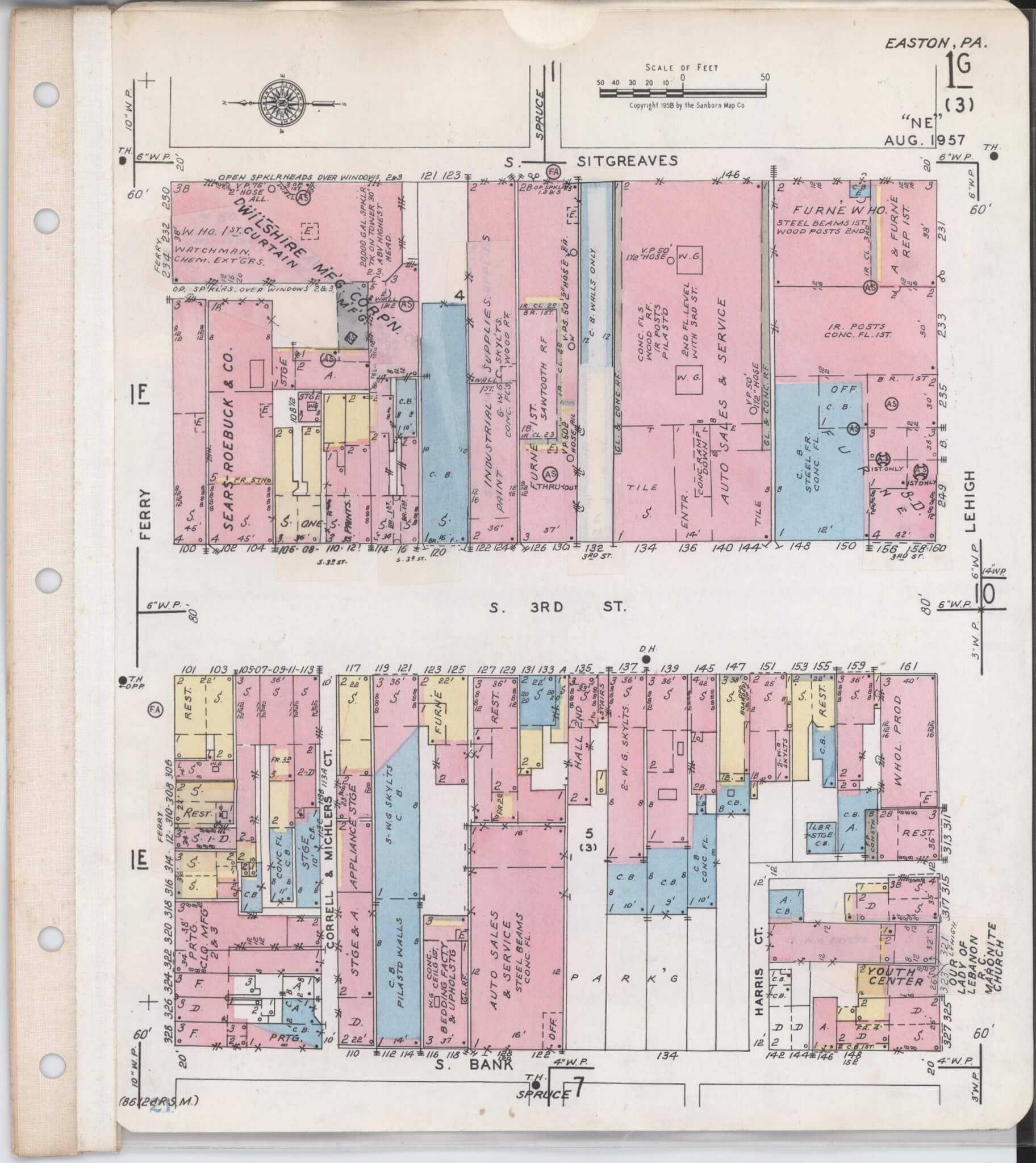
A large Christian Lebanese population had immigrated to Easton from the village of Kfarsghab in the Ottoman Province of Greater Syria (roughly the area encompassing the Levant) between the 1870s and 1930s. They arrived seeking economic opportunities and most started their American careers as peddlers. They founded Our Lady of Lebanon Maronite Church, which still remains a center of worship and community for Easton’s Lebanese-Americans.
Most Lebanese lived in the district along the river. This group was erroneously known as “Syrian” by many native-born Americans, but they originated in modern day Lebanon. By the period after World War II, many Lebanese families were homeowners, business owners, and factory workers. Also living in the neighborhood were a large concentration of Black Americans, along with some Italian-American and Jewish families.
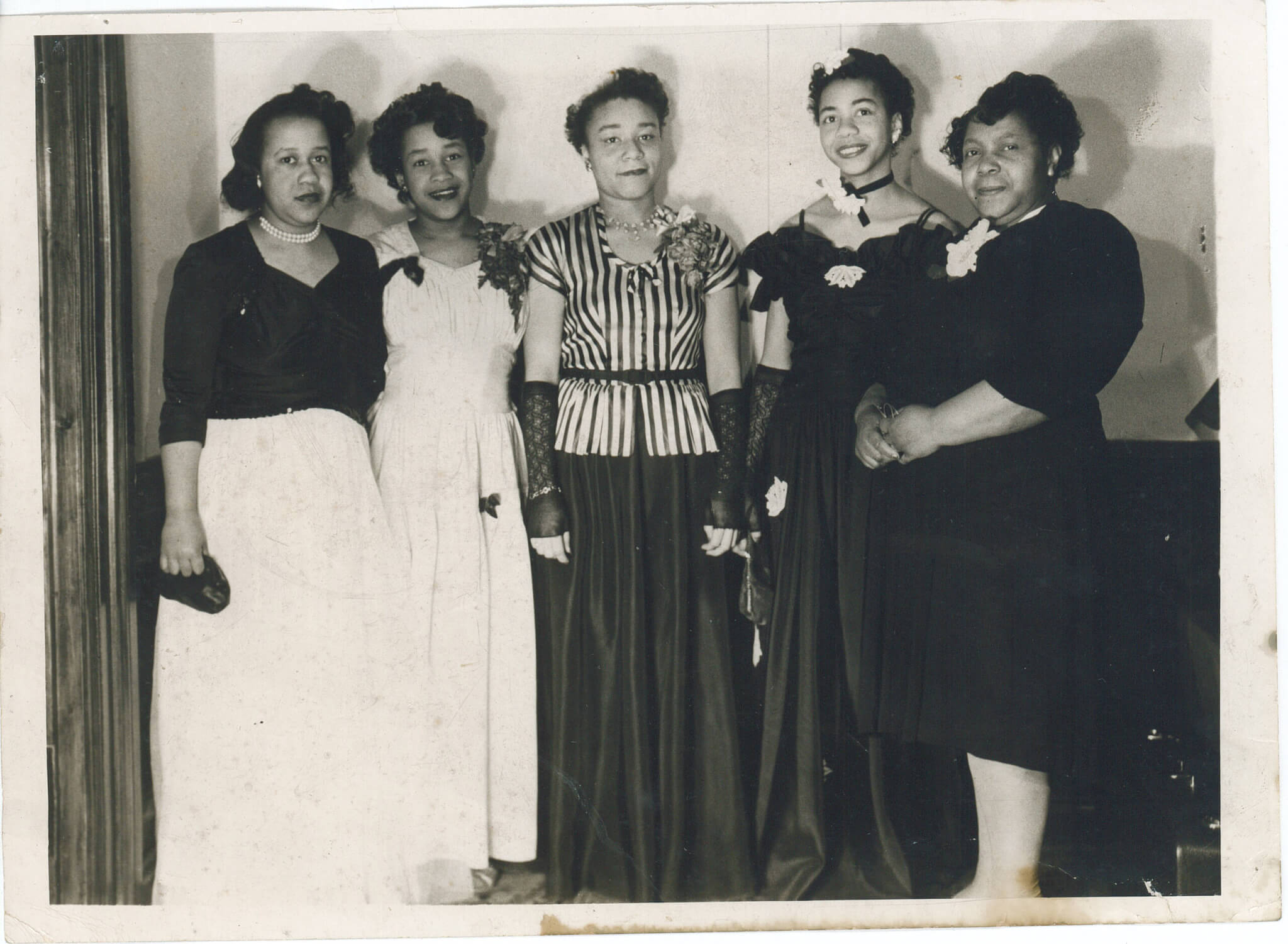
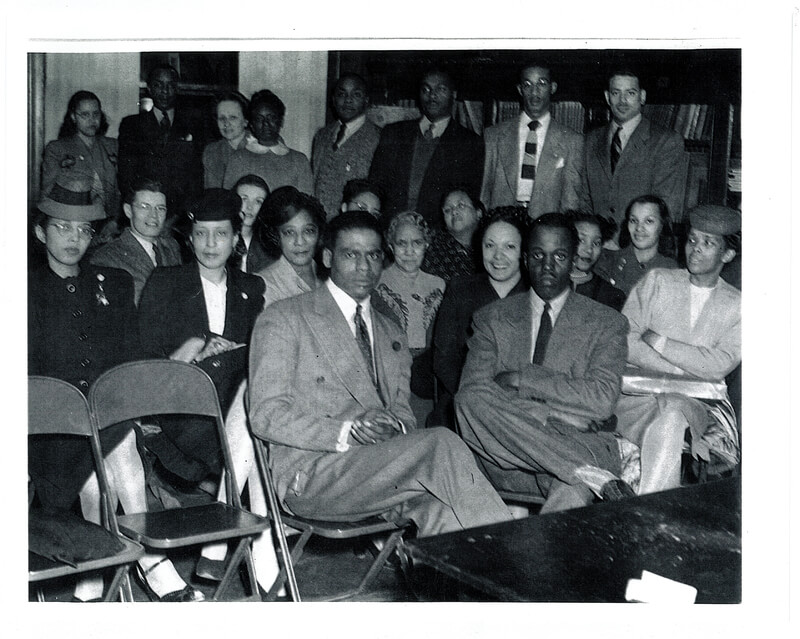
Displaced residents of the Leigh and Washington area fondly remembered their community. In interviews with anthropologist Andrea L. Smith, they described a multi-ethnic and racially diverse community that, in general, got along. The streets were always active and people looked out for each other. No one locked their doors. As one resident admitted to Smith, most people were poor, but they did not feel it on a daily basis.
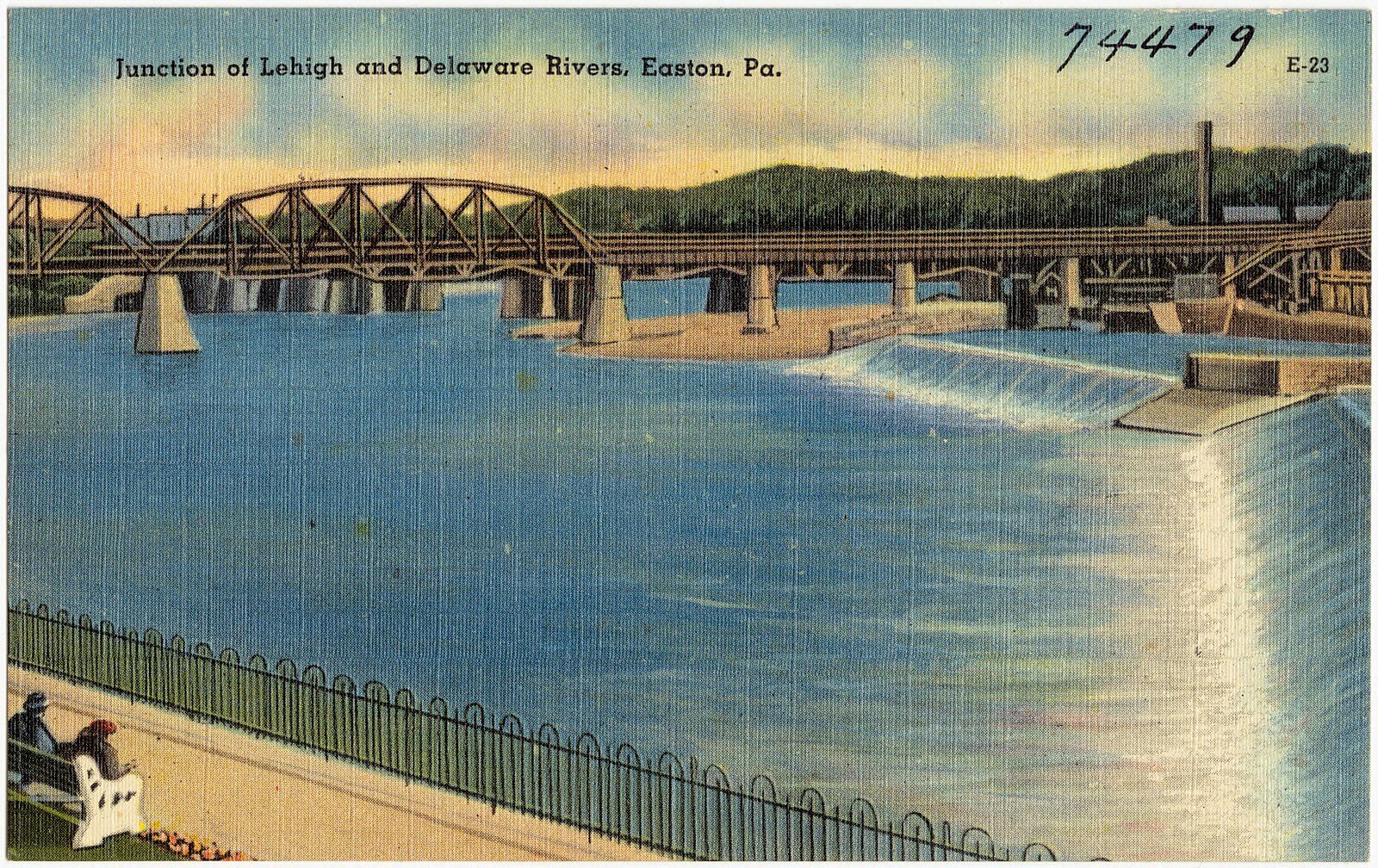
Unfortunately for Lebanese Town, Easton officials wanted to take advantage of urban renewal funding that was available from the federal government. The factories began closing down and the rail and canal economy wasn’t what it used to be. The city saw an opportunity with urban renewal to remake the city. Following a flood in 1955 along the river banks, the city leaped at the opportunity to replan 197 acres of land using urban renewal funds. They applied for the project in the early 1960s and designated the area as a slum.
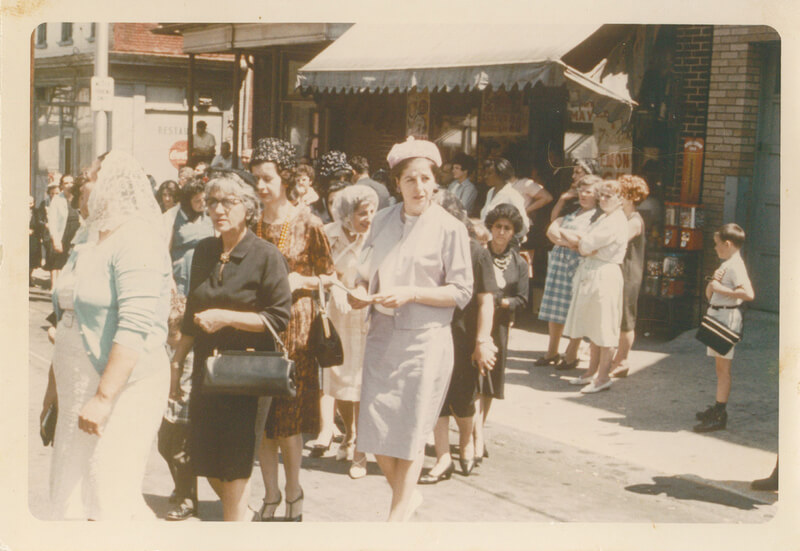
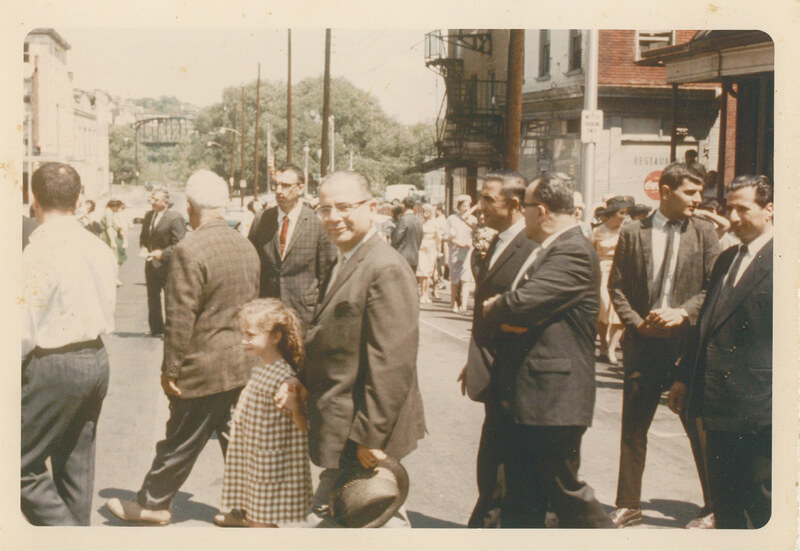
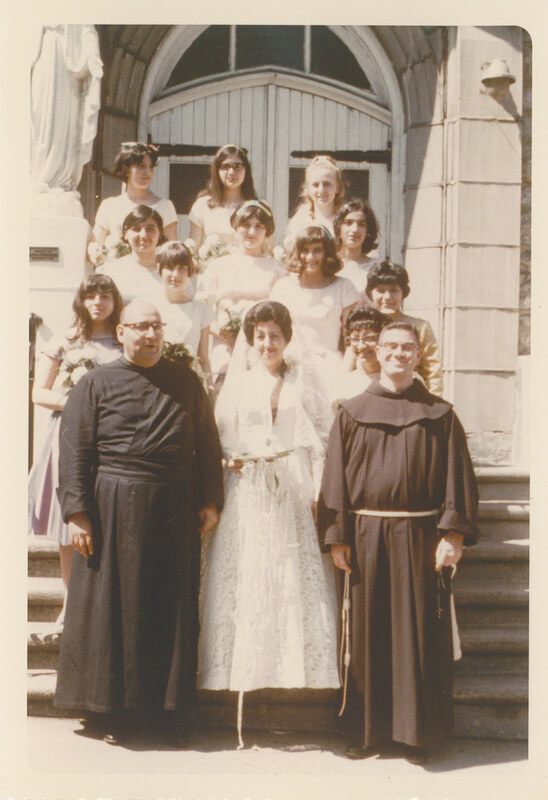
Our Lady of Lebanon’s May Crowning Procession in Lebanese Town, near 4th and Lehigh Streets, May 29, 1966, (Contributed by Julia Stevens, Courtesy of the Sigal Museum).
Like the West End, the residents of Lebanese Town loved the neighborhood. Outsiders, however, viewed it as a neighborhood full of “blight”. The residents protested the project on the basis that most of the buildings were in fine condition. Despite public resistance to the plans, the city plowed ahead and cleared the land by late 1967. Over 1,100 buildings were destroyed and around 10,000 residents displaced. The character and much of the character of the city was destroyed.
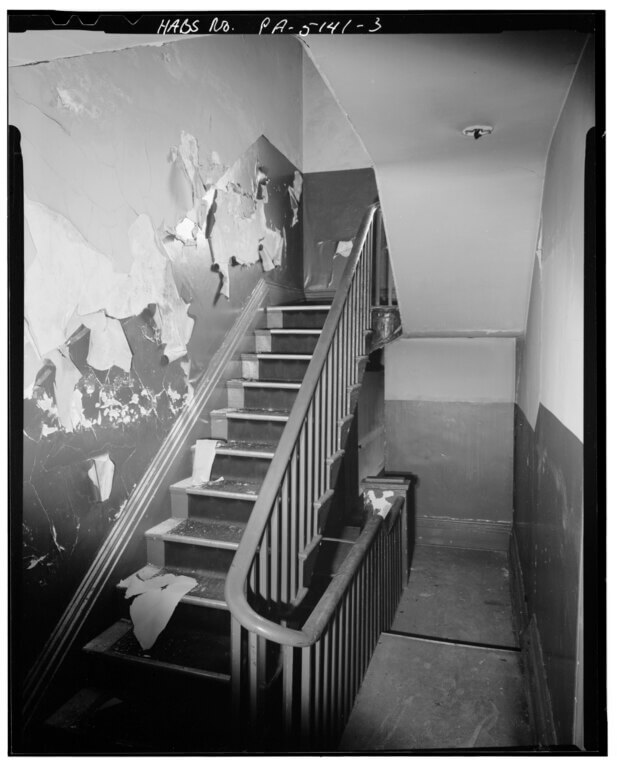
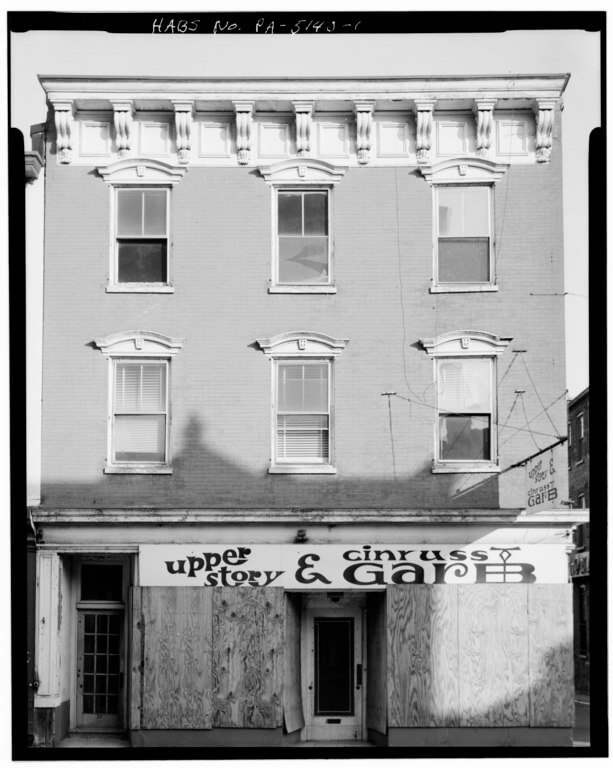
These undated photos taken by the Historic American Buildings Survey, show the state of buildings a few blocks north of Syrian Town. 33-35 North Fourth Street (right) and 31 North Fourth Street, (Library of Congress).
Some former residents came to the conclusion that officials viewed the Lebanese people who lived in the neighborhood as the real blight. The Lebanese, they believed, were viewed with suspicion for their foreign origins. Others saw the integration between immigrant and Black populations as another slight against it for redevelopment officials. Black and other minority communities bore the brunt of urban renewal across the nation. Black neighborhoods were often targeted and residents faced challenges after displacement due to racial barriers in housing.
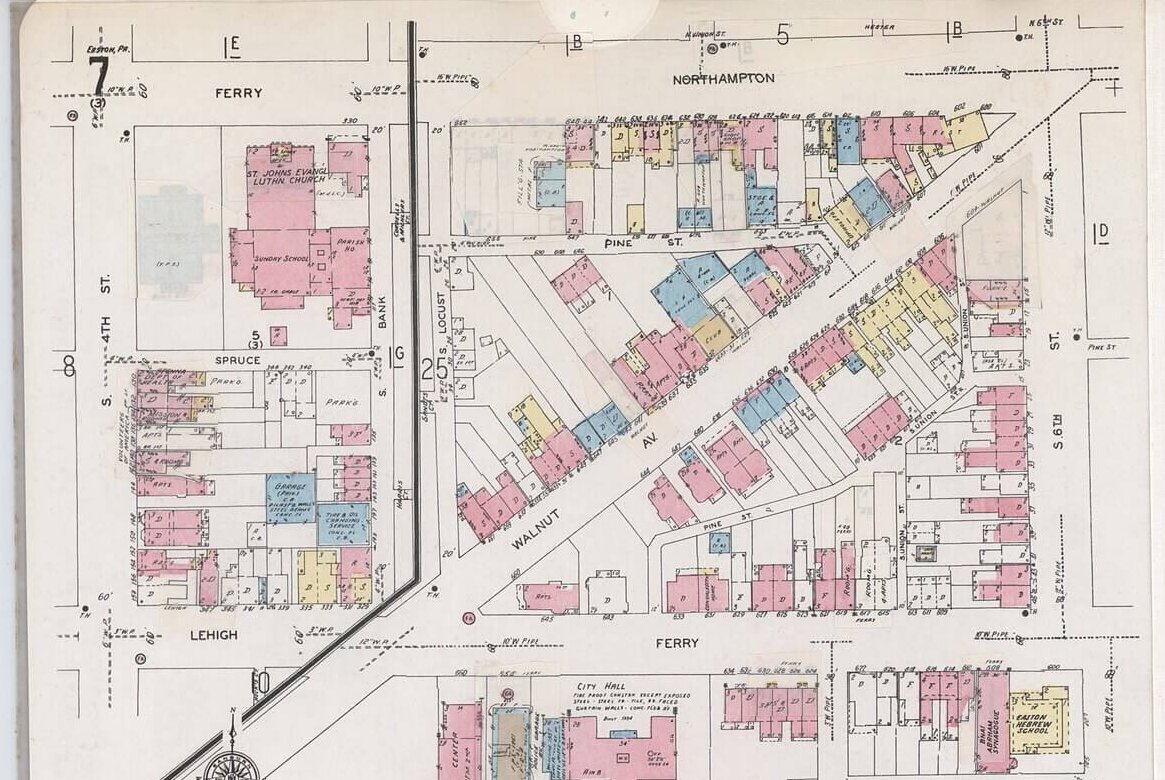
In Easton, 61.8% of the city was razed between 1945 and the mid 1980s and thousands of residents were displaced from their homes. The luxury housing that planners promised would replace the “blighted” neighborhood never materialized. Instead, a few private businesses, several parking lots, and two senior living facilities have gone up in what was once a bustling neighborhood. The city did not gain the fabulous tax revenue they planned for, but it was already too late to turn back.
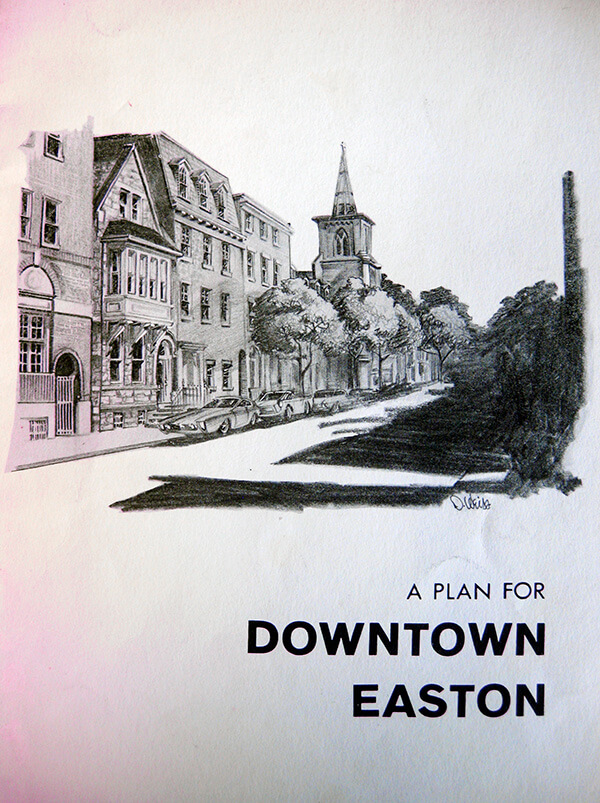
In the years that followed, displaced residents mostly moved to the suburbs or other parts of the city. They lost their communities and tight knit neighborhoods. As time passed, they came together in church basements and school cafeterias to reconnect with old neighbors. As Dr. Smith noted, the former residents of Lebanese Town didn’t just want to see old friends. They wanted to tell their stories to someone who understood what they had gone through.
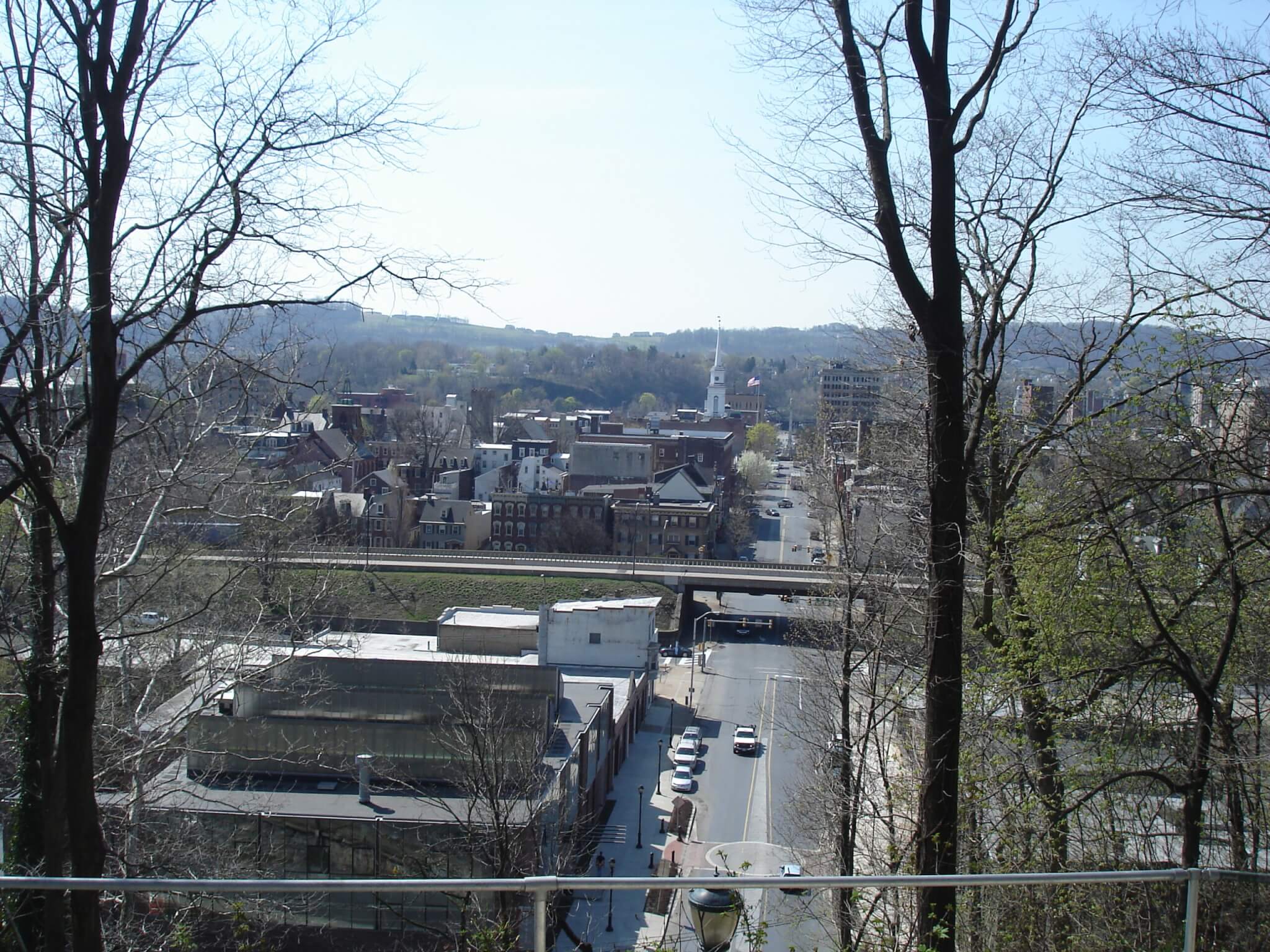
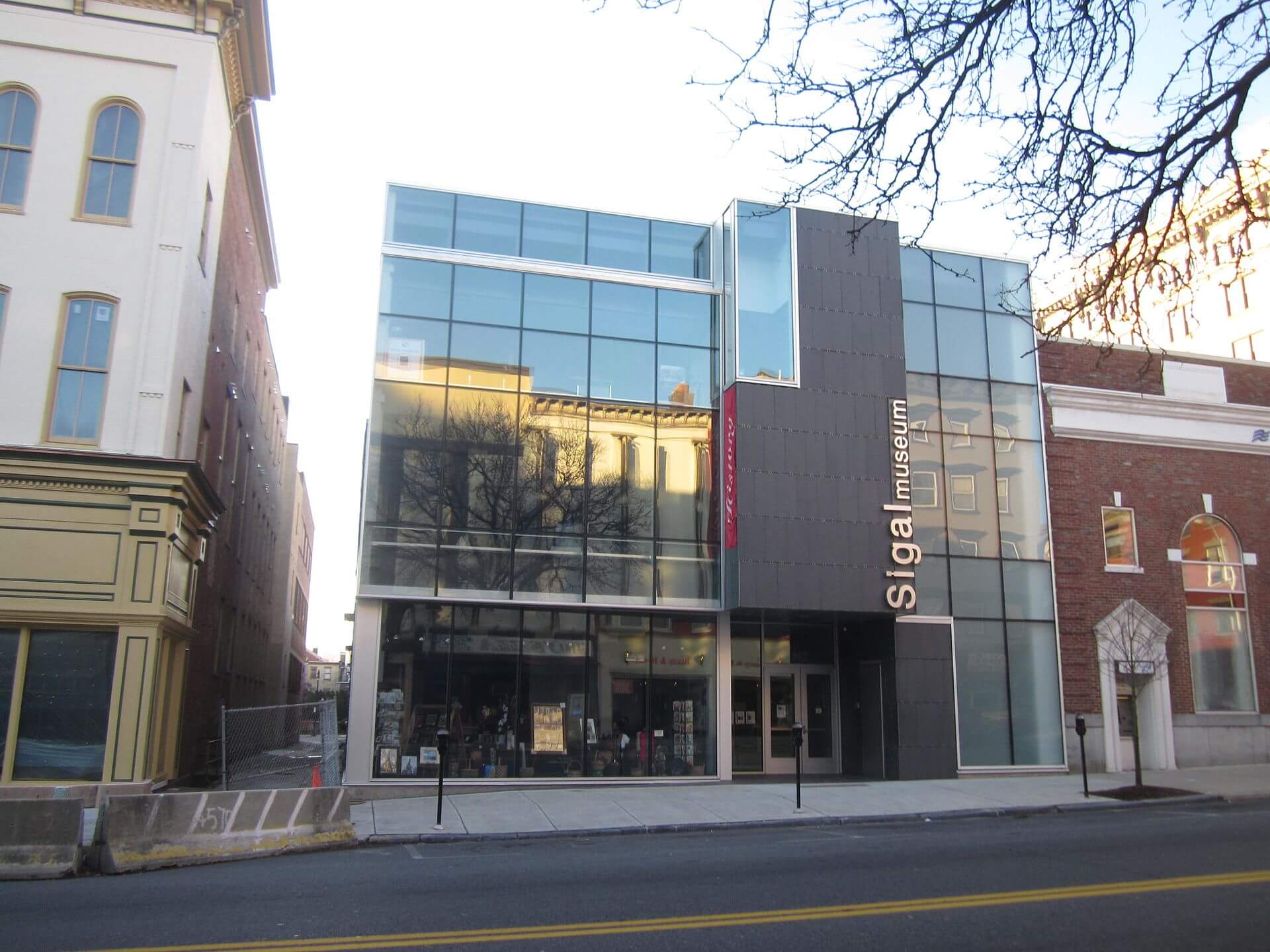
The memories of urban renewal in Easton have been preserved in part by the oral history work of Dr. Smith and her students. Also significant in telling this story is the Northampton County Historical & Genealogical Society as well as the exhibits at their Sigal Museum in Easton. The Sigal serves as the county museum and tells many stories of this diverse corner of the state. One of the central themes of their permanent exhibition, Destination: Northampton County, is the immigrant experience in the county. They cover multiple waves of immigrants who came to the county for opportunity. The exhibit uses these groups’ displacement due to urban renewal to discuss what a community is and what forces can destroy a community. The Sigal maintains a strong relationship with the NAACP chapter, the local Lebanese church, and the Jewish community to preserve and collect the histories of the destroyed neighborhoods. Today, Easton hosts a large yearly Lebanese cultural festival to celebrate the community that still remains a significant presence.
While Easton has begun to reckon with its urban renewal past, it still faces challenges ahead. The city became a COVID boomtown. Professionals from New York City, Newark, Jersey City, and Philadelphia moved there to take advantage of lower home prices and work from home policies. In the first half of the 2020s, Easton has seen a building boom. In a 2022 opinion article, Mayor Sal Panto Jr. touted over $1 billion in upcoming investments in the city and the groundbreaking of many new housing projects. Despite more housing being built, affordable housing has become scarce in Easton. Moving forward, urban planners in Easton will have to confront problems of the present without repeating the mistakes of the past.
Article by Jaydie Halperin, edited by Bob Potenza with contributions by Megan van Ravenswaay
Interested in learning more about urban renewal in Easton? Join the West End Museum for “Rebuilding Shattered Worlds: Book Talk and Panel”, June 4, 2026 at 6pm. Click here for tickets.
Sources: Merhej Hanna Sassine Boulos, Florence (Sar) Frangos, Joseph Mikhael Elias Daniel, and Peter Karam, “History of the Church” (Our Lady of Lebanon Maronite Catholic Church, c. 2024); Dave Caldwell “Easton, Pa.: A Gritty River Town Being Transformed” (The New York Times, June 8, 2022); Crayola, “About us”; City of Easton, “History”; David Hochfelder and Douglas Appler, “Introduction to Special Issue on Urban Renewal in Smaller Cities” Journal of Planning History 19:3, 139-143; Melissa Kelly, “Press Release: The City of Easton breaks ground on a $16M project promising to build its economy and pay homage to the memorable Seville Theatre” (The Valley Ledger, July 5, 2020); Lehigh Valley Engaged Humanities Consortium, “Primary Source Collection – Destination: Northampton County”; The Morning Call, “Remembering ‘Lebanese Town’ in Easton” (The Morning Call, October 2, 2011) | “Hidden History city’s past buried under façades, water, and urban renewal” (The Morning Call, March 13, 1994); Sal Panto, “Your view by Easton Mayor Sal Panto Jr. Exciting times for city with more than 1 billion of new development planned in the next year” (The Morning Call, December 29, 2022); Alexander Romensz, “America’s Rising Cities: Easton” (YouTube, April 6, 2025); Anthony Salamone, Lindsay Weber, and Jenny Roberts, “A tale of three cities: Allentown, Easton, Bethlehem struggle to address affordable housing crisis” (The Morning Call, April 25, 2023); Andrea L. Smith and Anna Eisenstein, Rebuilding Shattered Worlds: Creating Community by Voicing the Past, (Lincoln and London: University of Nebraska Press, 2016; Interview with Megan van Ravenswaay, executive director, The Sigal Museum