
Charles Angoff
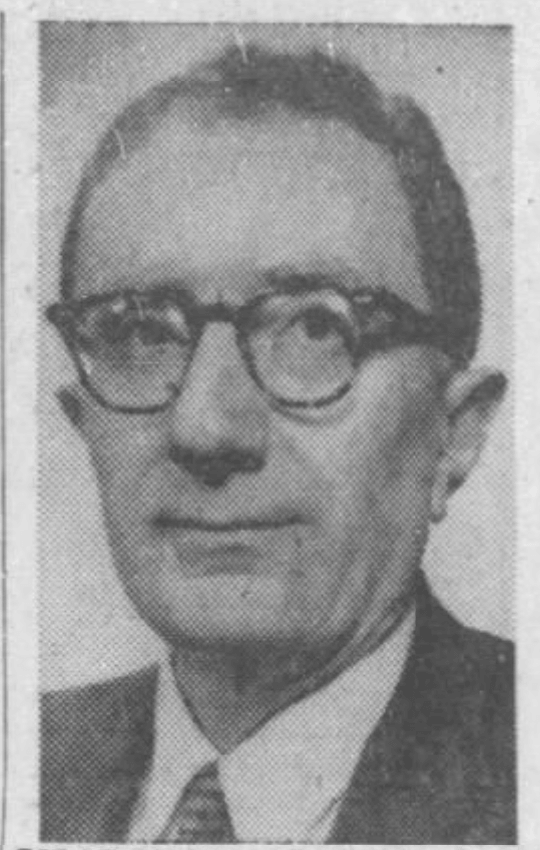
Charles Angoff (1902-1979) was a West Ender originally from Minsk who went on to a career in writing and publishing. His series of semi-autobiographical novels following the immigrant Polonsky family reflected on his youth in the diverse West End neighborhood and his experience as a Jew in America. His writings offered a glimpse into a lost era of Boston’s history.
Charles Angoff was born on April 22, 1902 in Minsk. At the time, Minsk, which is today the capital of Belarus, was a part of the Russian Empire. Between the late nineteenth and early twentieth centuries, it is estimated that about half the population of the city was Jewish. Angoff was the youngest of five children of tailor John Jacob Angoff and Anna Pollak.
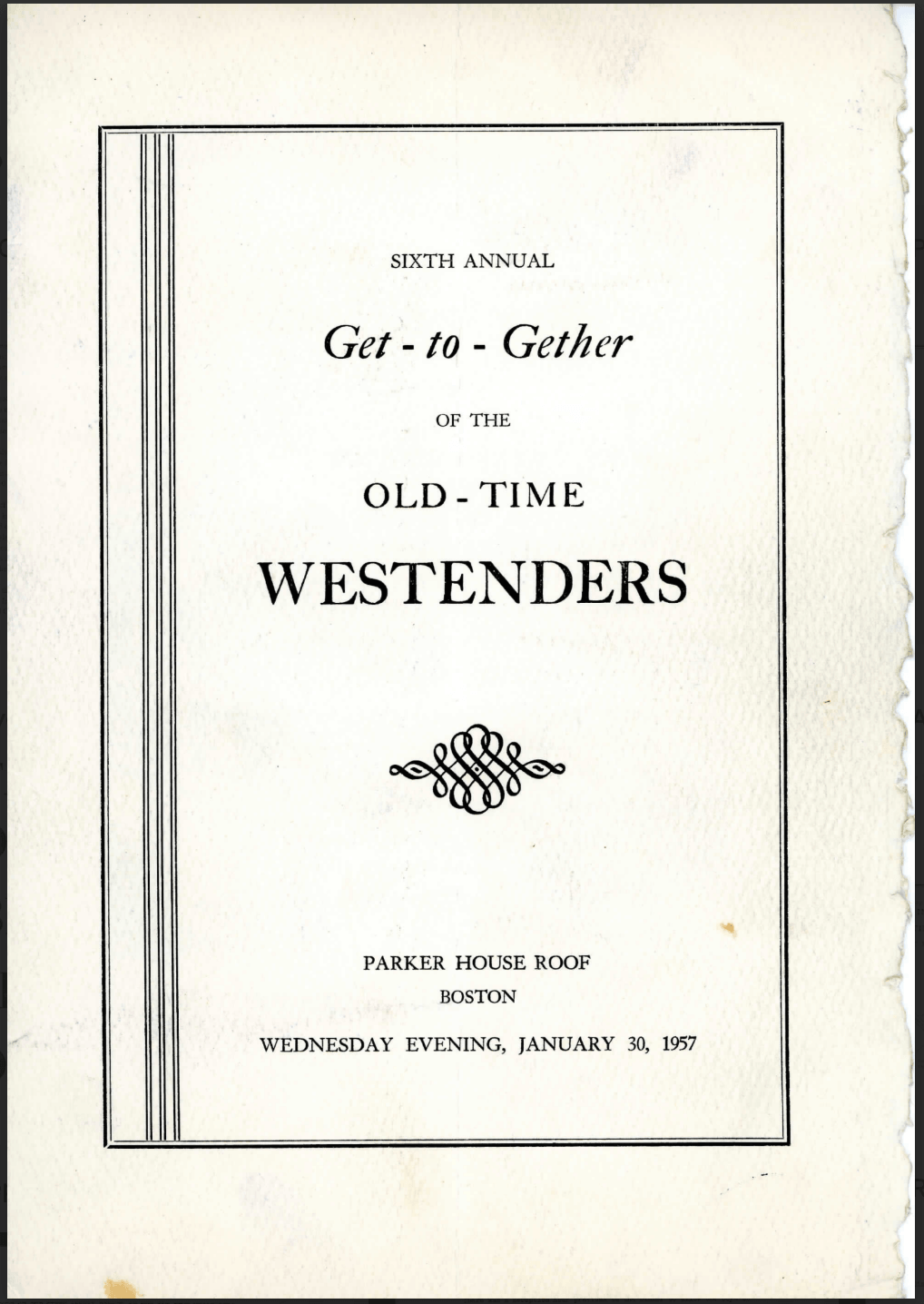
In 1908, the Angoff family fled the Russian Empire and eventually settled in Boston’s West End. In this period, Eastern European Jewish immigrants comprised a quarter of the West End’s population. About 20 to 25 synagogues operated in the neighborhood between 1910 and 1920 and they acted as centers for culture and religion.
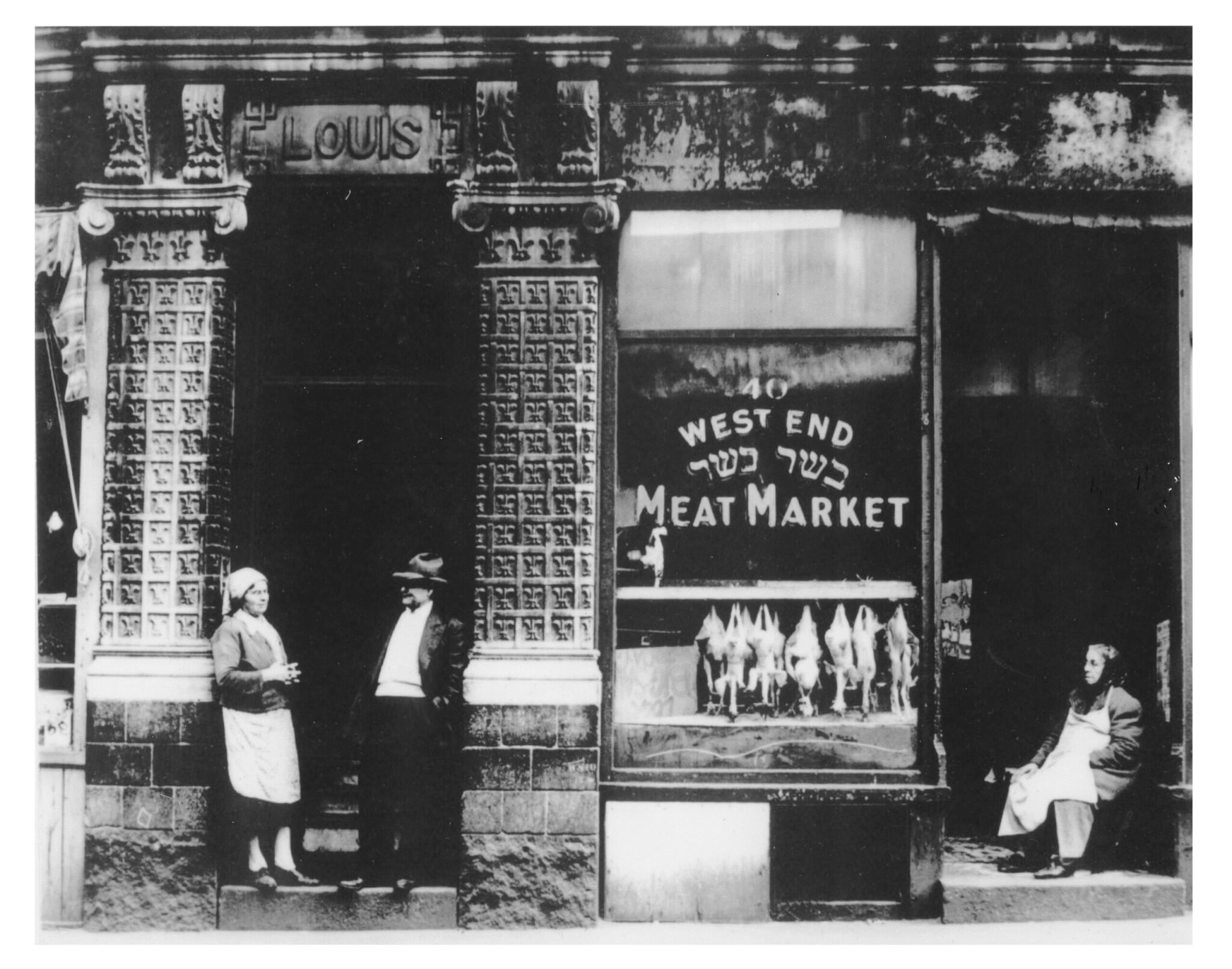
The Angoff family lived in a three room apartment on Phillips Street on the North Slope of Beacon Hill. The parents and children shared two rooms and rented out the third room for extra money. For about a year, they rented the room to a young woman named Goldie Talbak. She paid the Angoffs $3.50 a week for the space and home cooked meals.
At school, Angoff bragged to his classmates that she was from a rich family in Pennsylvania, but in reality no one knew where she came from. Talbak assisted Mrs. Angoff with cleaning, errands, and cooking, and often bought trinkets and clothing for the children. With a fascination for her “sparkle and jingle,” Charles and Goldie became friends. In one of his essays, “Memories of Boston,” Angoff describes daydreaming on the Esplanade, when Goldie came by. She reminded him “young boys should never be sad. Only older people like myself have the right to be sad.” Unfortunately, she fell sick with tuberculosis and moved to Mattapan.
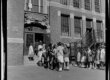
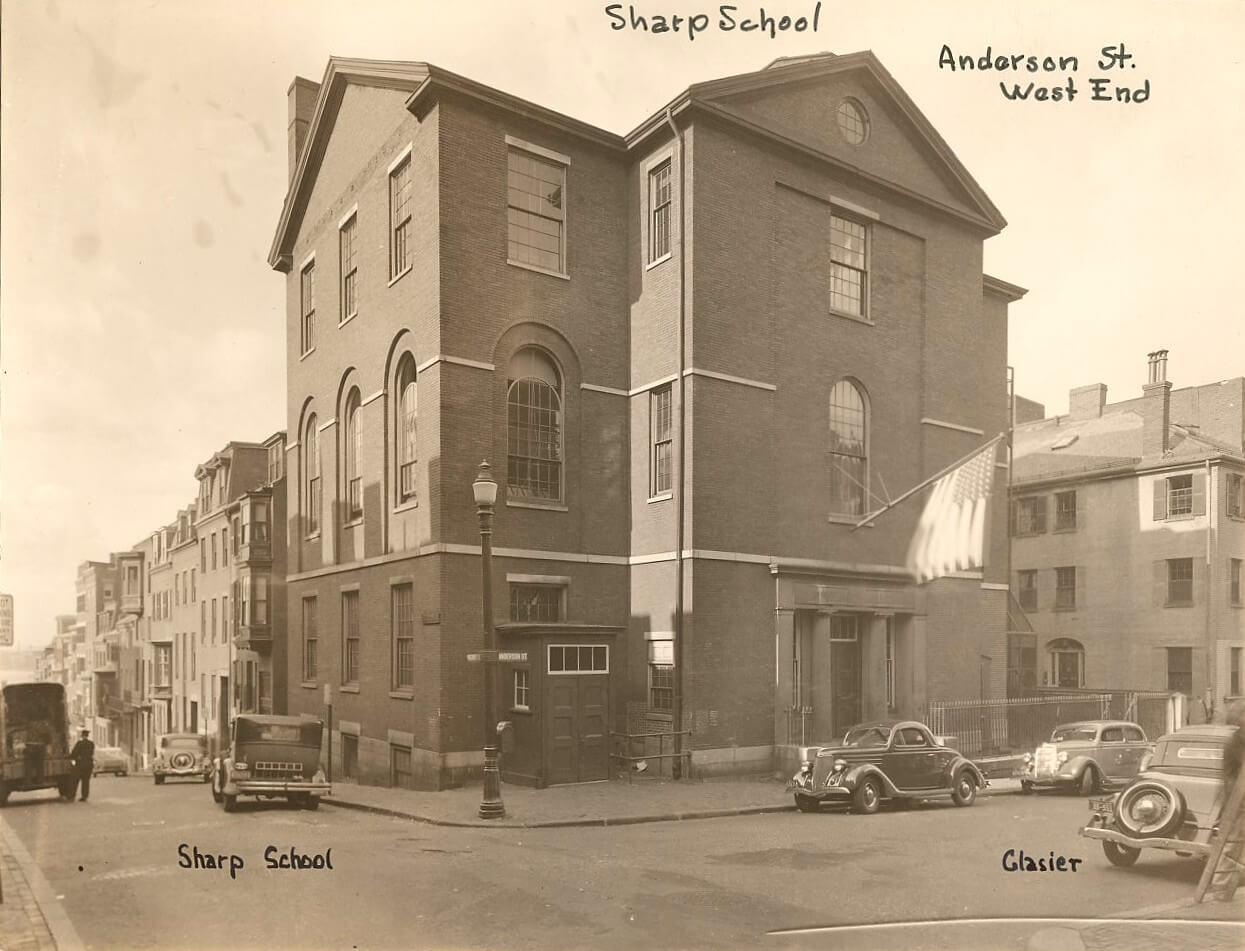
Angoff attended the Sharpe School located at the top of Anderson Street where it intersects with Pinckney Street. In Miss Brown’s third grade class he met one of his greatest friends, a nice and quiet boy named Curly.
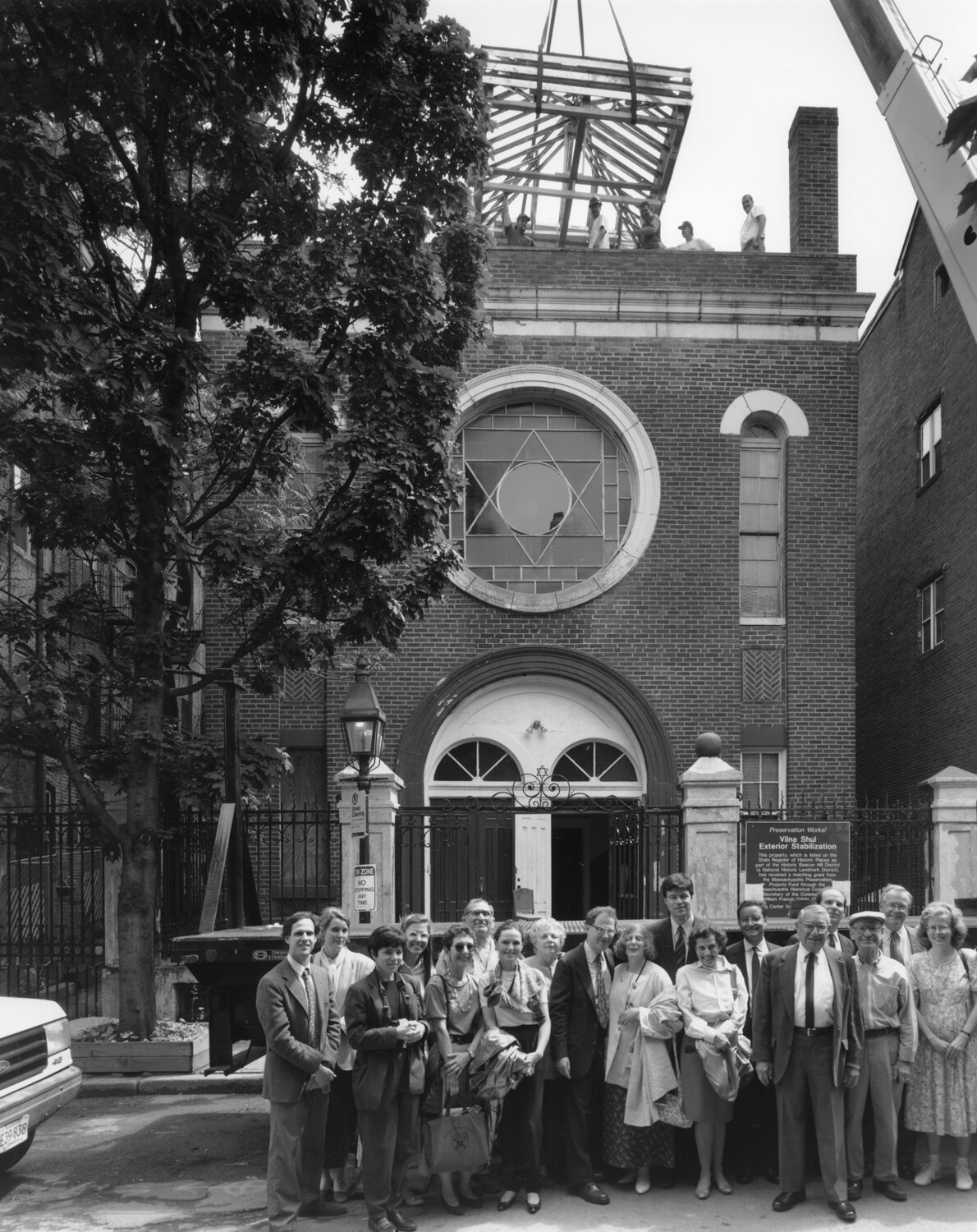
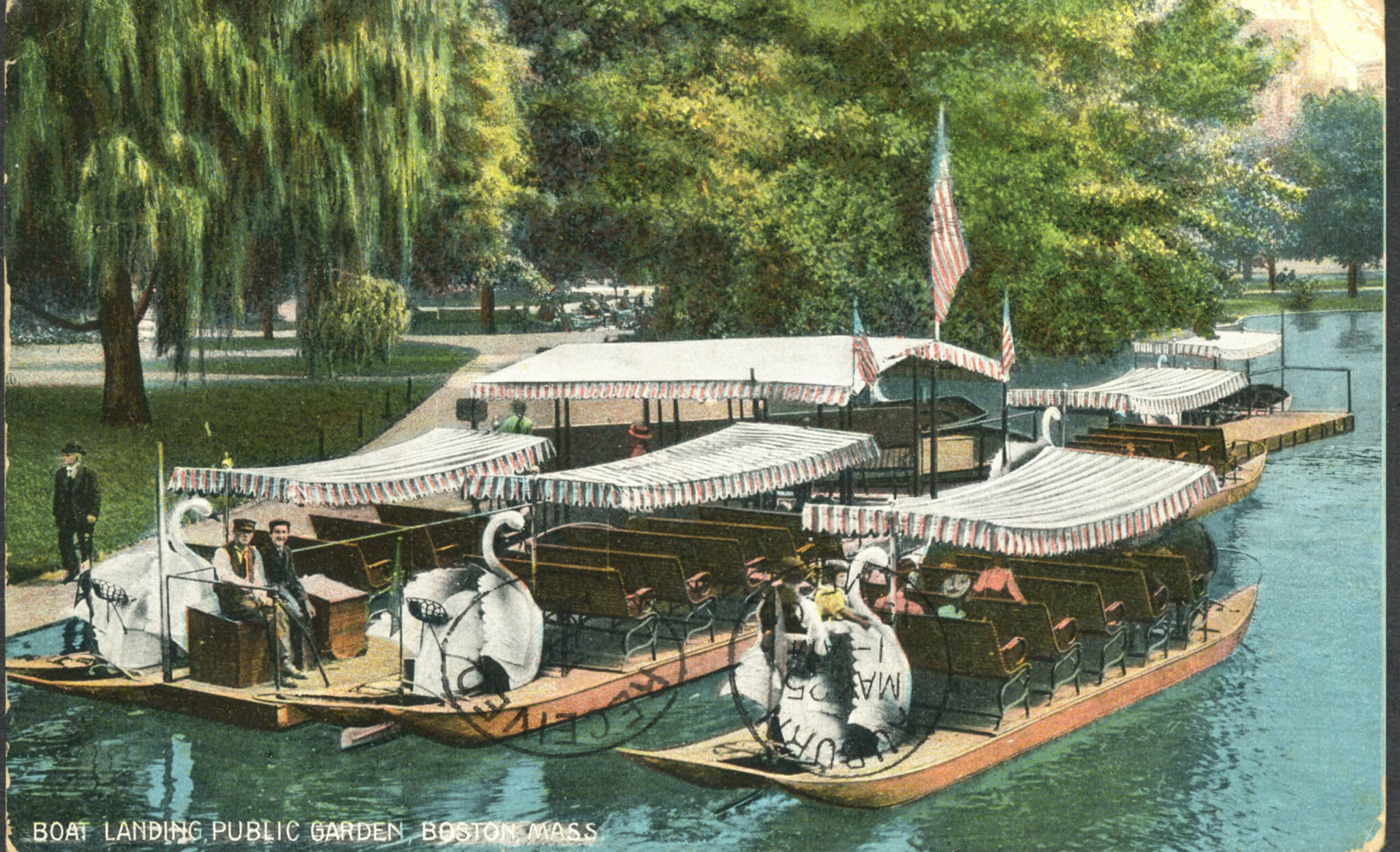
Galavanting around Boston, Curly and Charles walked around the whole city. They saw places like Fenway Park, swan boats in the Public Garden, and the Old North church. They wrote notes to each other exchanged through a hole in a tree in Beacon Hill. Praised for their voices by Miss Brown, they joined the choir at the Vilna Shul on Phillips Street. This synagogue was more modest than others in the neighborhood and only retained a choir on Rosh Hashanah and Yom Kippur.
At the beginning of his essay “Memories of Boston,” Angoff explored Boston as a platform for Jewish life and the impact that had on his home, education, and community dynamics. He wrote, “Between 1910 and 1920, the total population of Boston was less than 500,000, about a tenth of whom were Jews. Compared to the Jewish population of New York City, this was a very small community indeed. But what a center of activity it was! For almost twenty years it was the cultural capital of American Jewry.”
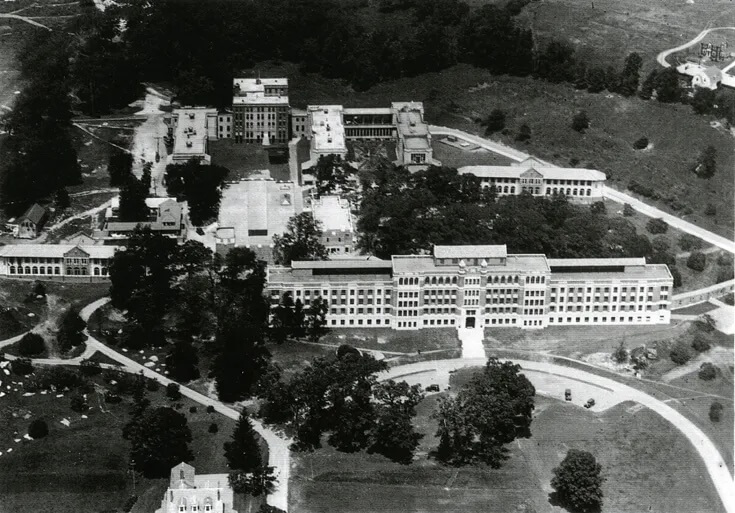
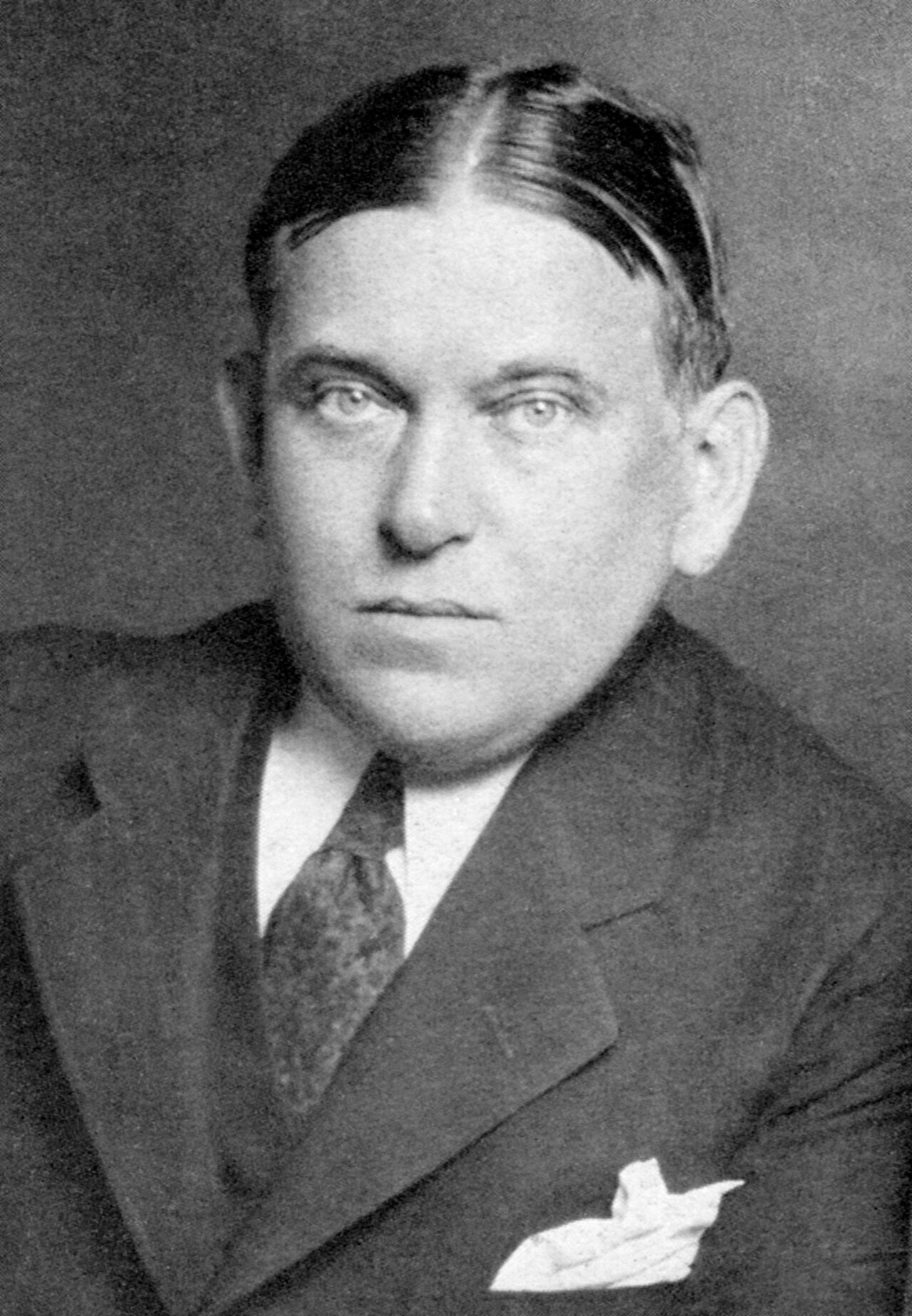
By the time Angoff was 12, his family’s economic status improved and they moved out of the West End and into Roxbury, or as he described it, “the country.” Although Roxbury’s Jewish population was significantly lower than that of the West End, they still had a major presence. Selected for a scholarship, Angoff attended and studied philosophy at Harvard University from 1919 to 1923. After graduating, he became a naturalized citizen of the United States and started working at a suburban weekly newspaper. In 1925, he secured a position as co-founder H.L. Mencken’s assistant for The American Mercury magazine.
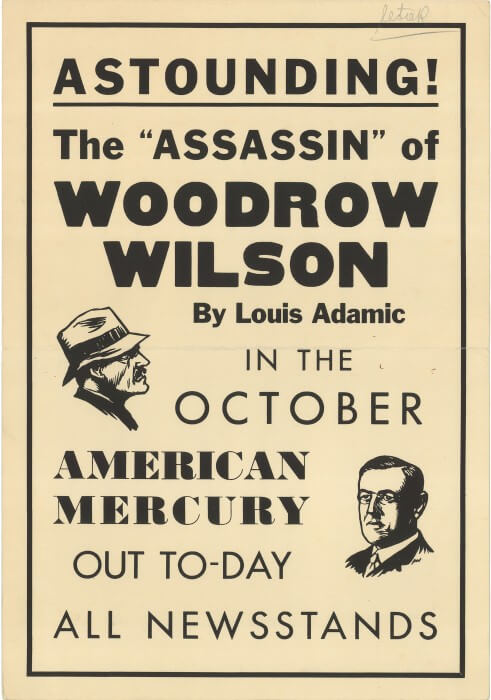
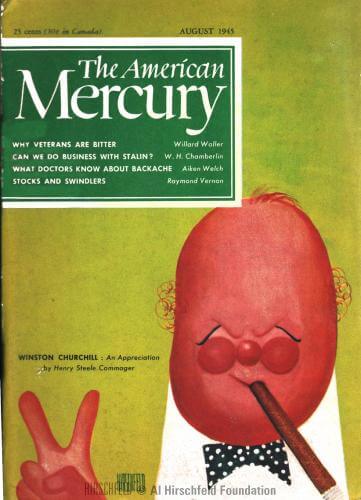
Published monthly in New York City, The American Mercury was made for the “the intelligent, solvent, urbane American” as explained by Mencken himself. The magazine published well-known writers like William Faulkener, F. Scott Fitzgerald, and Sinclair Lewis in its pages. At the same time, regular people, like taxi drivers, clergymen, dishwashers, and outdoorsmen were invited to submit. Anything related to “Americana” was reviewed. Angoff published in the magazine under several pen names.
Referred to as “one of the best managing editors in America,” by Mencken, Angoff took over as managing editor in 1931. He worked for a brief time for two other magazines between 1935 and 1937 after Mencken sold the magazine. Angoff married Sara Freedman in 1943 and the same year he returned to American Mercury, where he remained until 1950. Even through their disagreements, Angoff fostered a working relationship with the often incorrigible and sometimes antisemetic Mencken. This culminated in Angoff publishing the biography H. L. Mencken: A Portrait From Memory in 1961 which detailed the editor’s wide ranging political beliefs.
Besides his editorial career, Angoff published an extensive collection of novels, essays, poetry, and plays. Angoff often drew inspiration from his Jewish-American life. Many featured his fictional alter ego David Polonsky. Pieces such as Journey to the Dawn fictionalized the immigrant experience. It was a chronicle of the Polonsky family as they moved from Russia to Boston. Mirroring his own experience immigrating from Minsk, Angoff wrote about “their disillusionments, their happy surprises, their slow Americanization, half eager and half begrudged.”
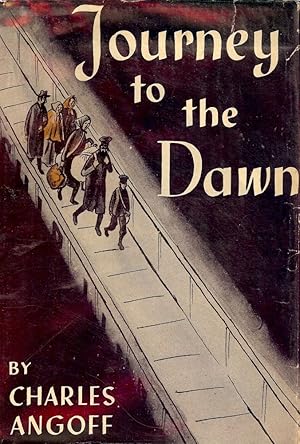
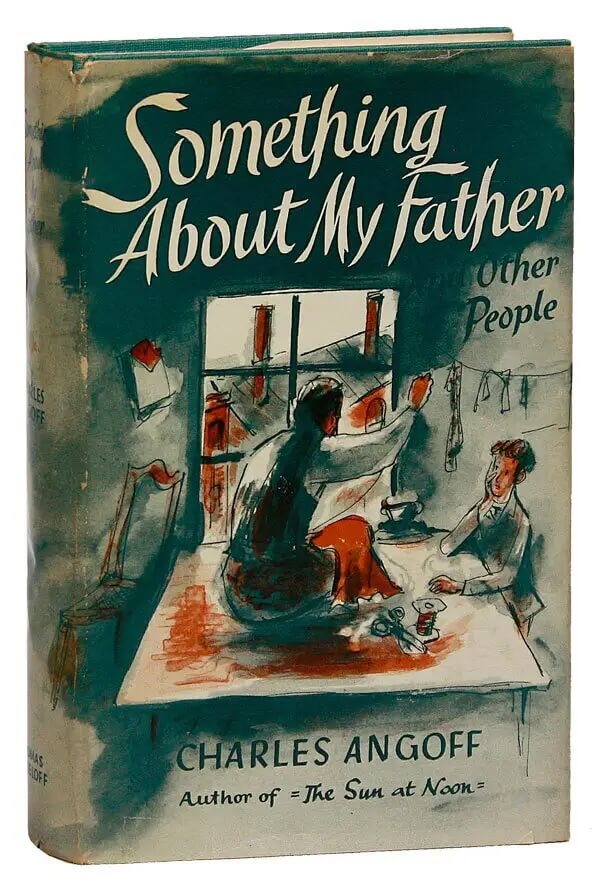
Later publications, including When I Was a Boy in Boston, Something About My Father and Other People, and his essay “Memories of Boston” in The Menorah Journal, turned to autobiographical reflection.
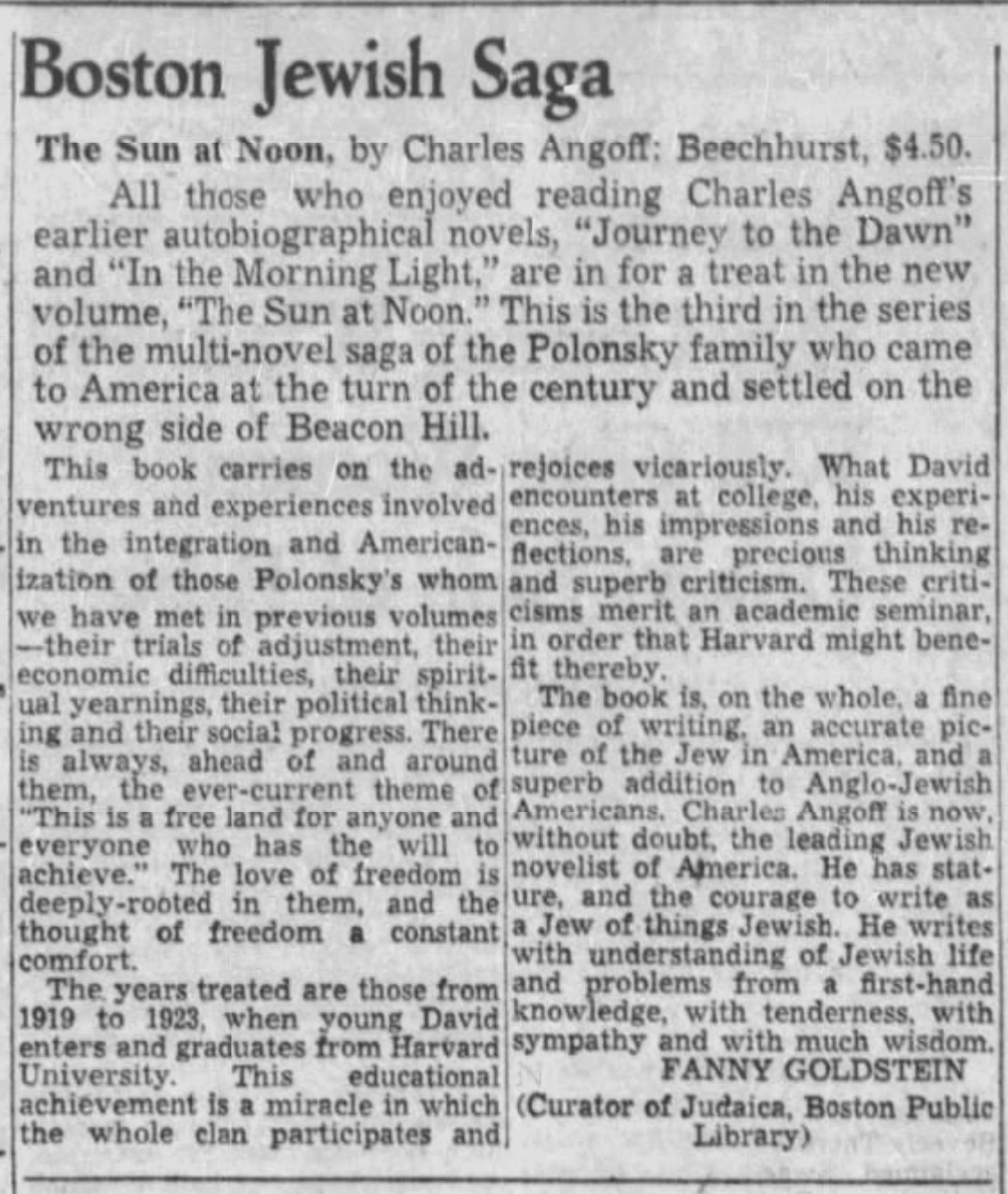
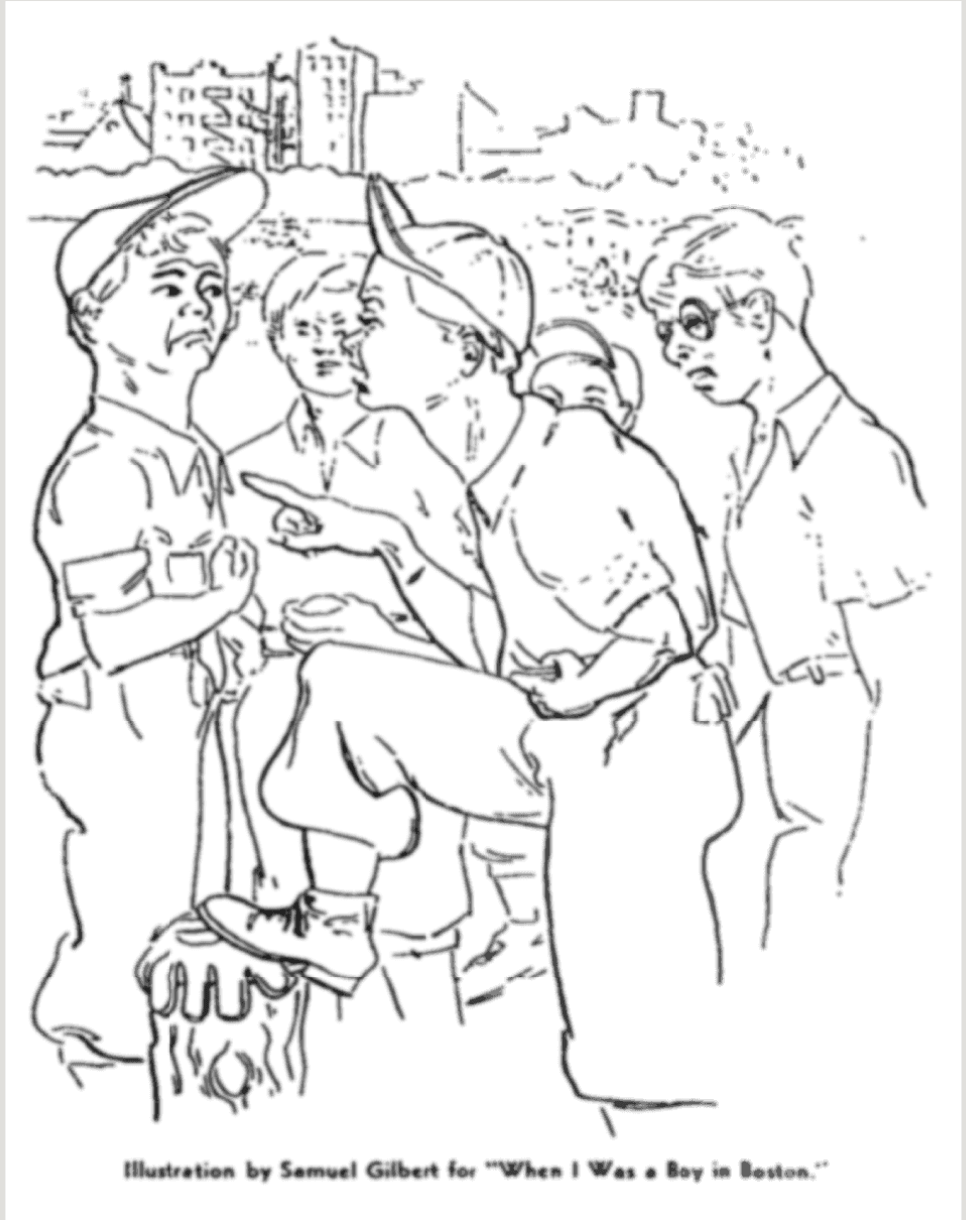
Reviewed in The New York Times, Mary McGrory framed When I Was A Boy in Boston (1947) as a “backward glance at the important people of his youth.” The collection included lightly fictionalized short stories about his friends, family members, and other community members. McGory saw his tone as somber due to his childhood in a poorer neighborhood with strict parents. Yet he included cheerful anecdotes, such as his old world father’s “wary acceptance of American ways.” He wrote, “Father had great contempt for low shoes, ice cream, baseball and ketchup.”
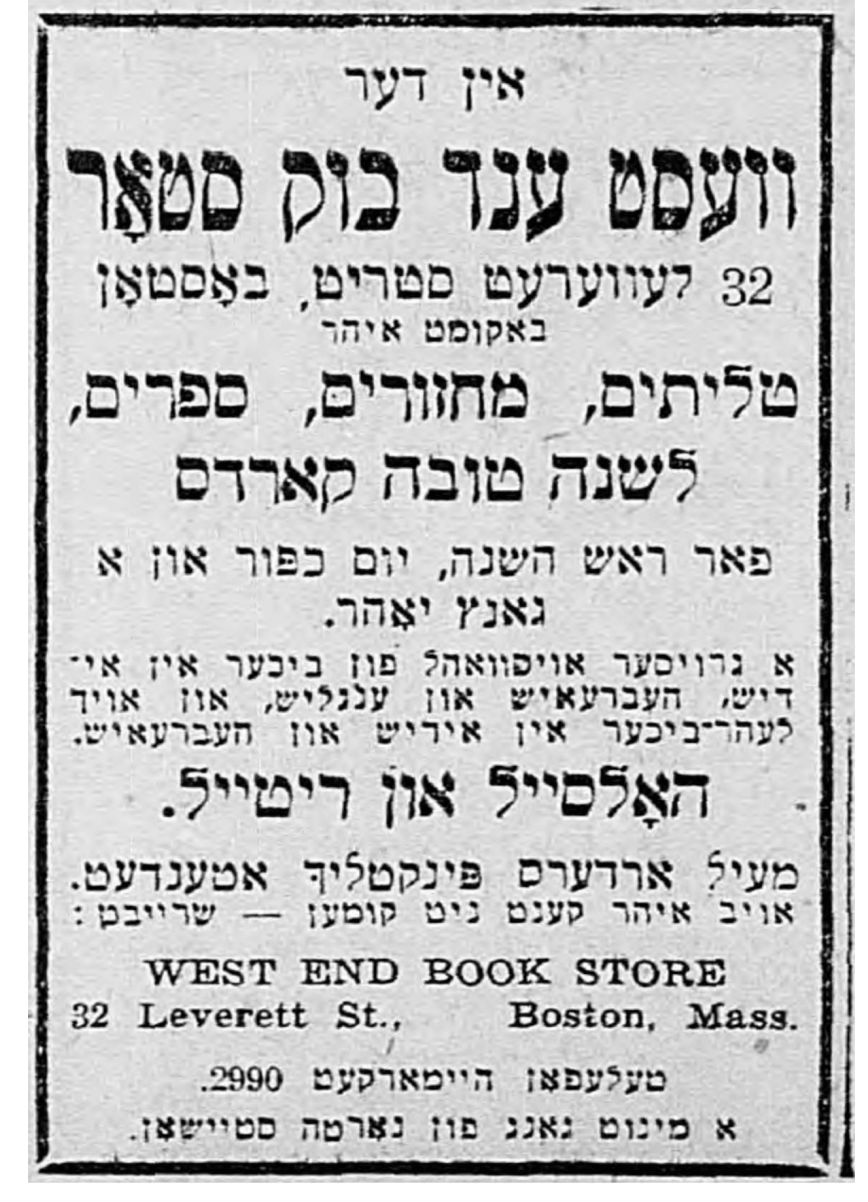
Something About My Father and Other People (1956) was a collection of short essays. They also focused on Angoff’s family members, childhood friends, religious role models, and community stewards. He shared personal memories that captured an in-depth individual experience of growing up as a Jewish immigrant in the West End. In the book, Angoff discussed routines and special occasions. He discusses the romance of Leverett Street lined with Yiddish and English bookstores, Schwartz Hall, and the used furniture store. At The Olympic Theater in Bowdoin Square, he and his mother would go see two full pictures for five cents.
Angoff wrote, “At the beginning of our summer vacation we spent some time with our gang, made up mostly of classmates and young boys living in our neighborhood … For July the Fourth we looked forward to fireworks on the Charles River in the evening, and we planned to see a baseball game in the Common during the morning. We had nothing special planned for the afternoon.” Scrub baseball and softball games, walks up the Esplanada, Swan Boat rides, and walking around the Boston Public Garden and Boston Common filled his summer vacation days.
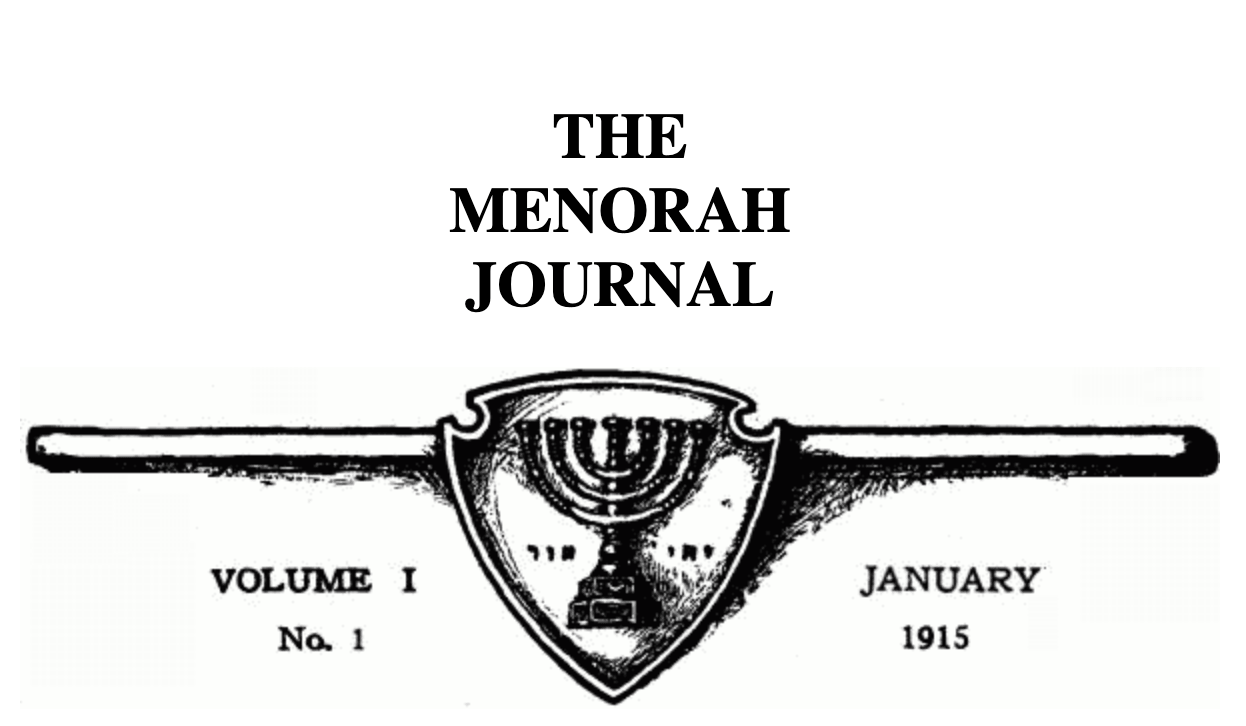
In 1962, for the final issue of The Menorah Journal, Charles Angoff wrote “Memories of Boston.” The essay recounted his childhood growing up Jewish in the West End. The Menorah Journal was the leading English language Jewish intellectual and literary journal of the era. The journal was published in New York City and founded by the Menorah Society, a group of 16 Jewish students at Harvard in 1906. The Menorah Journal sought to inspire philosophy and repel prejudice in order to establish a Jewish cultural identity in the English language and American intellectual life.
In the essay, Angoff described different figures in the Jewish community and the shuls of his neighborhood. In one memorable section he recalled his bar mitzvah which took place at the Vilna Shul early on a Thursday morning. He expressed his loneliness as he left the shul: “I had become a full, mature Jew-and most of Boston was asleep, and didn’t care. The few people who passed me on the street didn’t care either.” As he arrived home, his mother celebrated the bar mitzvah as a holiday. She used the fancy tablecloth, prepared hot rolls and cinnamon cakes, ginger jam, and cups of cocoa.
The end of the essay reflected on the Boston he grew up in compared with the Boston he had visited after being gone for some years. He noted changes in the community, but not in the charm or spirit. He wrote, “some of the old spirit of Boston Jewry persists. Community glories diminish in richness, but they do not completely vanish, certainly not in a few decades.”
Angoff spent the last two decades of his career as an English professor at Fairleigh Dickinson University in New Jersey. He continued to publish novels, poetry, and non fiction and founded a literary magazine. He settled on the Upper West Side in New York City. He retired in 1977 and passed away on May 3, 1979.
Article by Catherine Stowe, edited by Jaydie Halperin
Sources: Charles Angoff, Something About My Father, and Other People. (New York: T. Yoseloff, 1956); Charles Angoff, When I Was a Boy in Boston, (New York: Beechhurst, 1947); Howard Gotlieb Archival Research Center Repository, “Charles Angoff Collection,” (Boston University); Mary McGrory, “Quiet Glance Backward; WHEN I WAS A BOY IN BOSTON. By Charles Angoff. Illustrations by Samuel Gilbert. 182 pp. New York: The Beechurst Press. $2.75” (The New York Times, August 3, 1947); Bennett Muraskin, “The Menorah Journal,” (Jewish Currents, July 13, 2016); The New York Times, “Charles Angoff, Writer, Dies at 77” (The New York Times, May 4, 1979); Howard O. Sackler, “Journey to the Dawn, by Charles Angoff” (Commentary, April 1951); UMKC Libraries Finding Aids, “Angoff, Charles, 1902-1979” (University of Missouri-Kansas City).