
The West End (Of Cincinnati) and Urban Renewal
Cincinnati’s West End neighborhood was a center of Black life in the city. Originally settled by self-emancipated Black residents and developed by meatpacking and other industries, the area went on to become a segregated but well-loved area of the city. Much like its Boston counterpart, the West End was destroyed by urban renewal. In the years since, former and current residents have worked to ensure more equitable development.
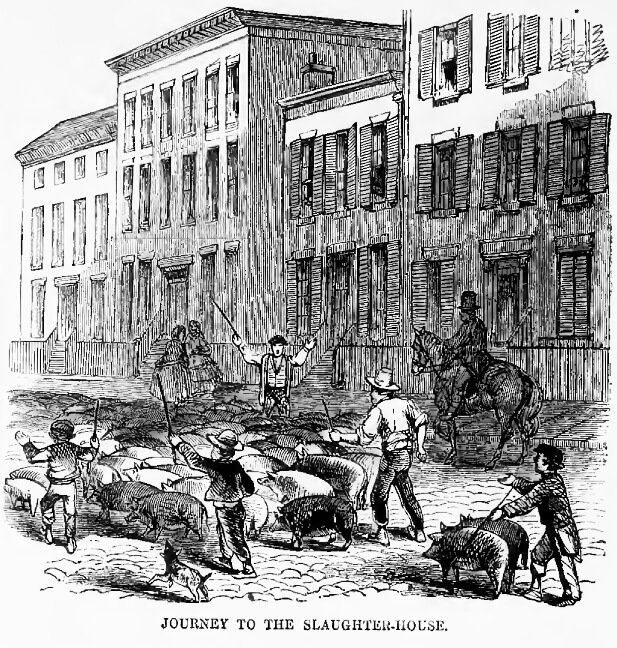
Many who think of Cincinnati immediately envision a buckeye, the state tree of Ohio. Others might refer to Cincinnati not as its official name – but as “Porkopolis.” Believe it or not, the city owes this nickname to another West End. Cincinnati’s West End neighborhood was well-known for its meatpacking industry. Like the Boston neighborhood that shares its name, the West End of Cincinnati faced destruction by urban renewal in the mid-20th century.
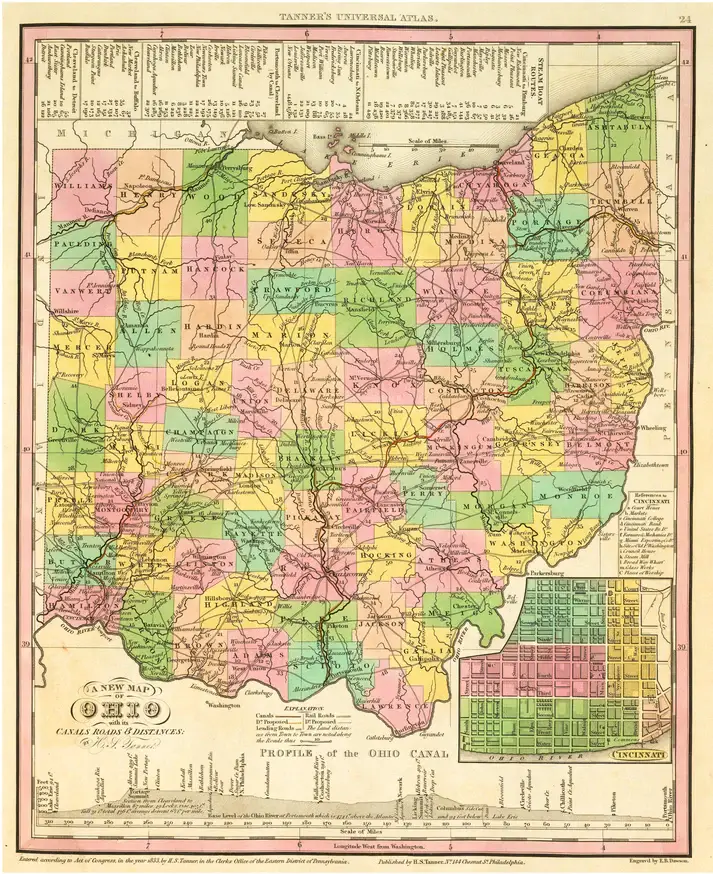
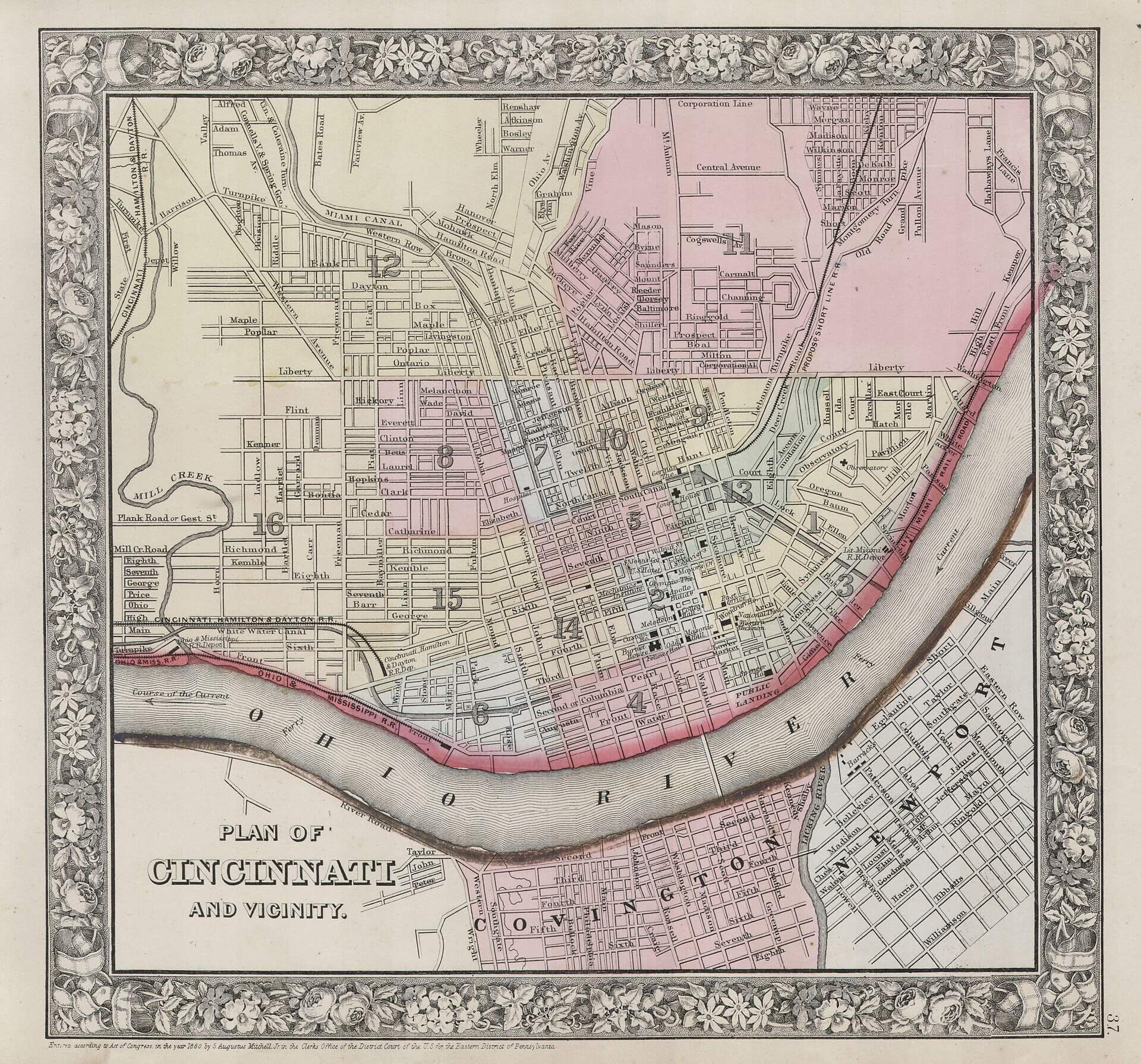
After its incorporation in the early nineteenth century, Cincinnati offered opportunity to those fleeing enslavement. It sits on the north bank of the Ohio River, which divided the North from the South. The city was a common destination for self-emancipated slaves to settle after their flight north. Migrating to the city offered increased economic opportunity and a higher degree of safety. Black families mainly settled outside commercial districts in Cincinnati. During the first half of the nineteenth century, the community rapidly expanded. In 1826, Cincinnati had 690 Black residents. By 1860, their population had grown to about 3,600.
The area where most Black Cincinnatians settled in the West End became known as “Bucktown.” It was surrounded on the north and west sides by thriving Irish communities. Two separate upper and lower class white Protestant communities extended from Fourth to Laurel Street. Over time, the West End grew more diverse in its industry as the meatpacking, brewing, and soap making sectors flourished.
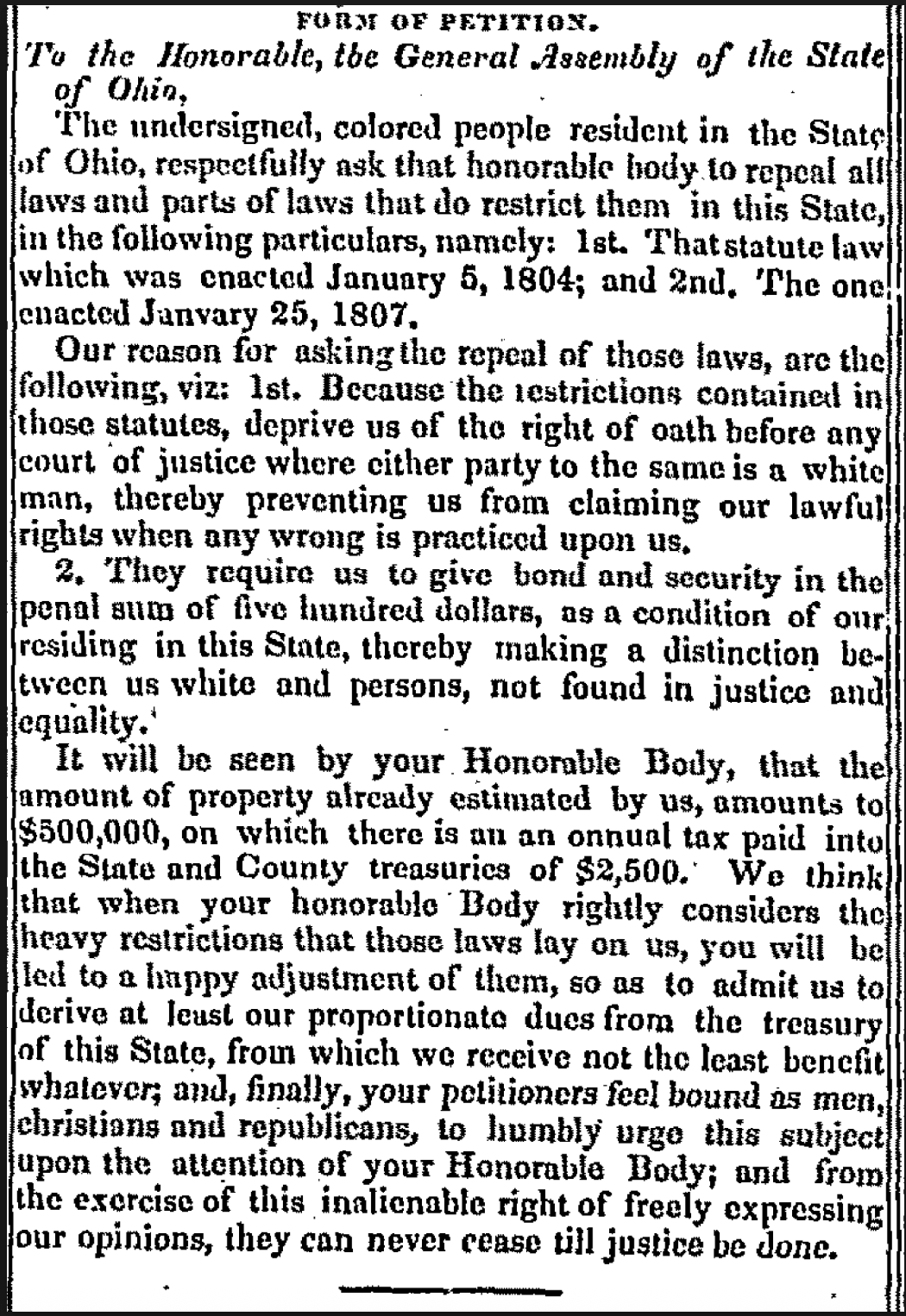
Although Ohio was a free state, it was not an equal one and many legislators were as racist as their southern counterparts. Ohio imposed segregation as early as 1804, only a year after becoming a state. They added “An Act to Regulate Black and Mulatto Persons” to their state constitution in 1807. This deprived Black Ohioans of their court rights. The law was repealed in 1849 to allow Black residents to testify in court and attend (segregated) public schools.
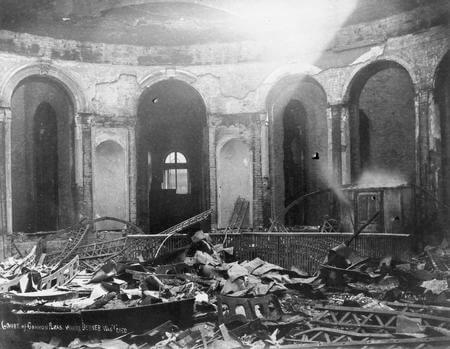
There were race riots in 1829 and 1836. As industrial output increased, rising tensions and crime rates led to more riots in 1841 and 1884. The riot in 1841 was especially violent. A group of white Kentuckians crossed the Ohio River and assaulted every African American they encountered. A group of white Cincinnatians joined in, shooting cannons. When Black men tried to defend themselves with weapons, local officials arrested over 300 of them for “their own protection.”
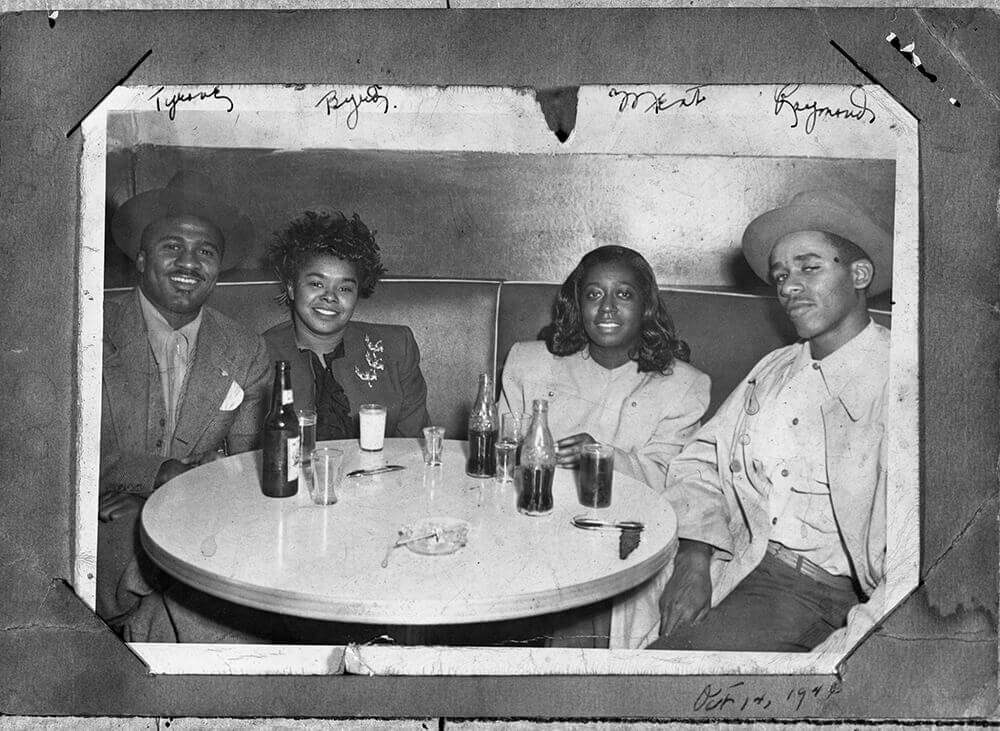
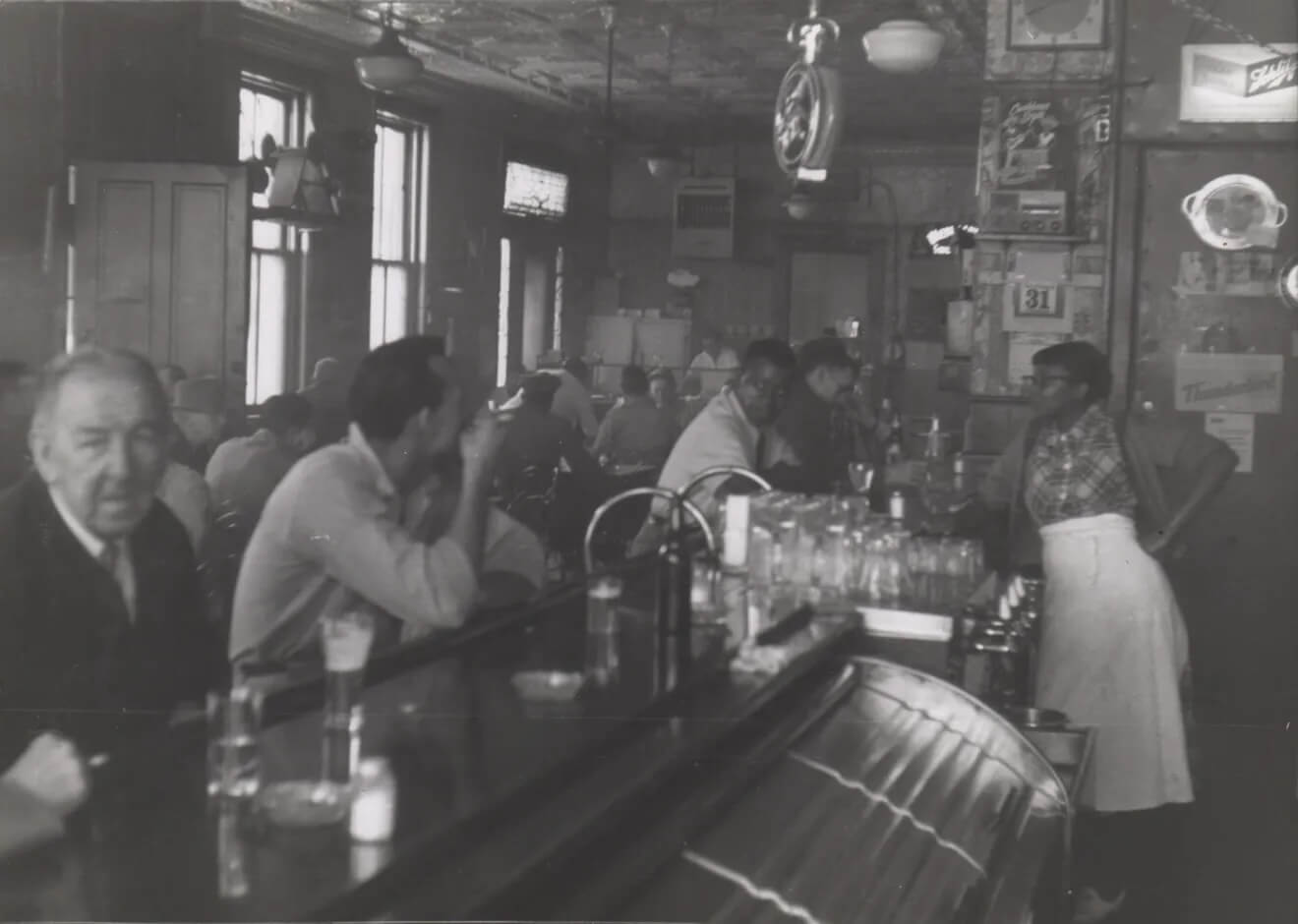
Despite the overt racism of many of their neighbors, municipal officials, and state governments, Black Americans continued to settle in the West End through the early decades of the 20th century. In response to violence, the community established their own institutions to protect themselves. The Zion Baptist Church, the second oldest Black church in the city and a former stop on the Underground Railroad, maintained an active congregation. Black Cincinnatians opened their own stores and entertainment centers, including Cincinnati’s Cotton Club. According to Dr. Eric Jackson, “[w]hen people migrate to Cincinnati during the Great Migration in the early 1900s they end up in the West End not as a happenstance. They hear that the West End is the place to go because everything they need is in the West End.” Jackson went on to characterize the neighborhood as the “hub of everything.”
Although lively, the West End was impacted by racial divide. Cincinnati was still segregated. In 1910, 6% of the city was African American, and 44% of African Americans in Cincinnati resided in the West End. By the 1930s, 70% of the city’s Black population lived in the neighborhood. At the same time, affluent whites were fleeing to the suburbs. Industry left with them.
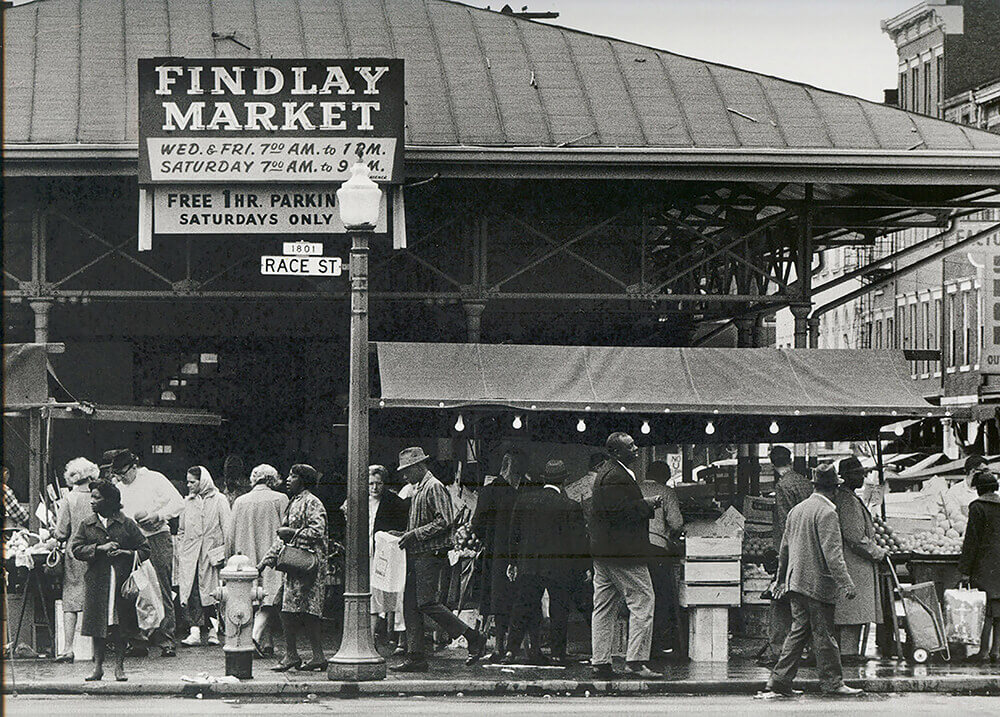
After World War II, public officials and city planners began to grow concerned about Cincinnati’s advancement. It experienced economic decline and had to handle thousands of returning servicemen. For some time, the West End had been losing business and residents to Cincinnati’s seven hillsides. On November 22, 1948, the Cincinnati City Council proposed the 1948 Master Plan. This plan initiated urban development and proposed highway construction. The 1944 Federal Highway Act increased the impact of the plan by encouraging the development of highways across the nation.
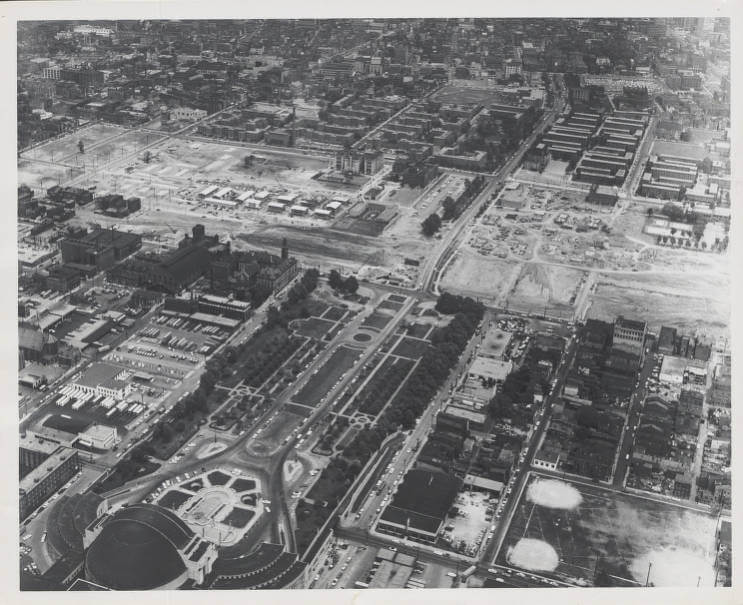
The Master Plan had a devastating effect on the West End community. Demolition began in 1959 and continued to displace people through the 1960s. In order to make way for the construction of a highway and public housing, the government forced 27,000 residents out of the West End. Almost all were Black. Those living in the Kenyon-Barr project area, which was 98% Black, were acutely affected. West End residents scattered into the surrounding communities of Evanston, South Cumminsville, and Avondale, the current location of the Zion Baptist Church. Areas of Avondale continued to face housing shortages. Some residents were displaced in later rounds of housing rehabilitation.
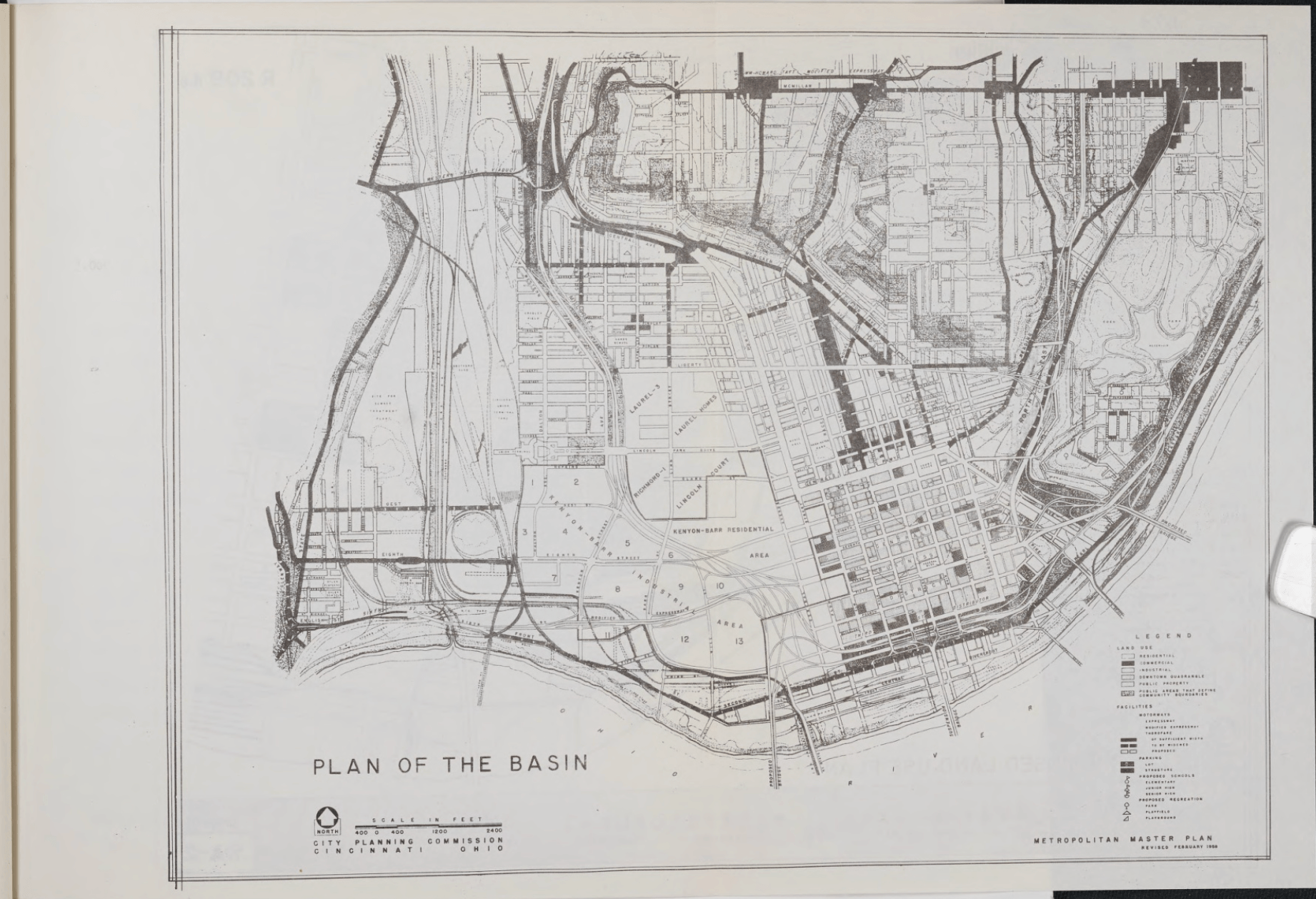
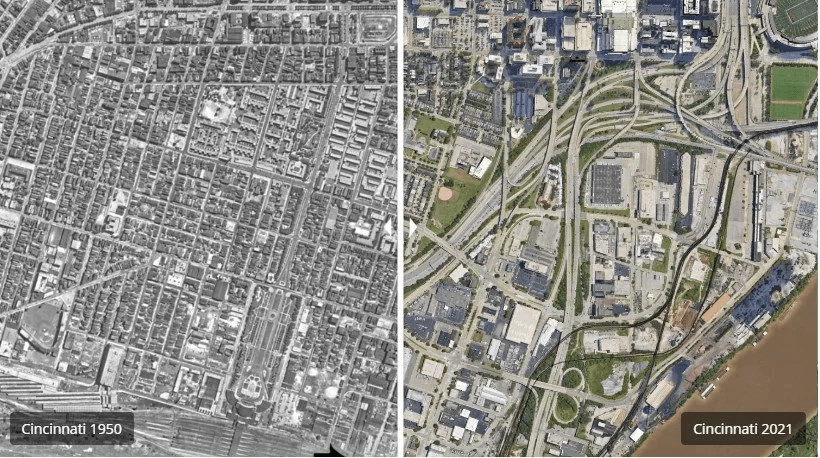
Displacement shut down hundreds of local Black businesses and organizations, including the Ninth Street YMCA and the Cotton Club. Over a hundred years of organic development and cultural contribution were wiped away for the sake of a highway and a housing development.
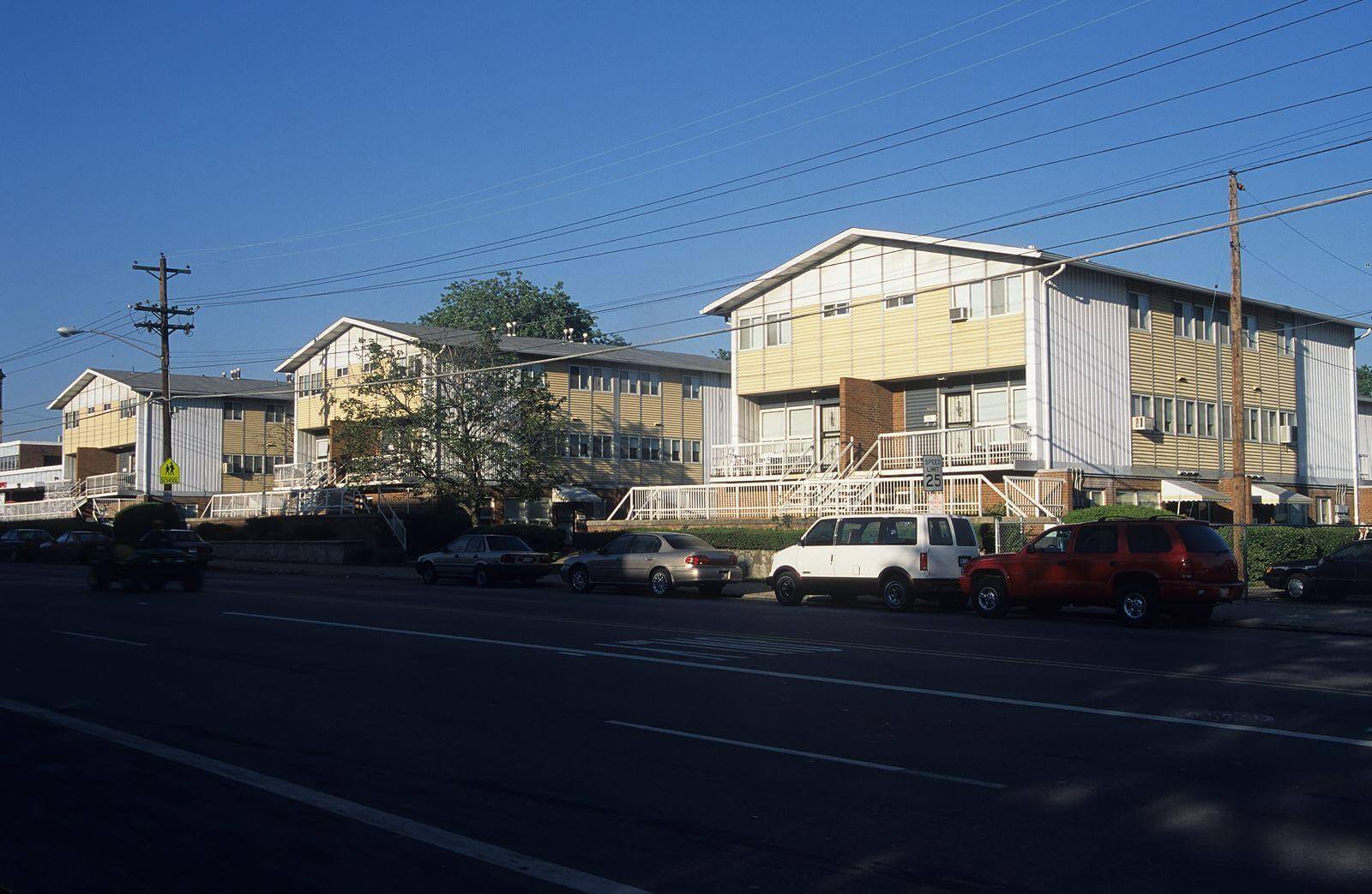
Despite the obvious negative impacts of the urban renewal, many who stayed in the West End were able to move to the new Park Town Homes. This was a “cooperative community.” Homeowners had stock in the whole housing project, rather than just their specific unit. This development benefitted each member of the now reduced community as they were able to stand together to become “a social force to be reckoned with.”
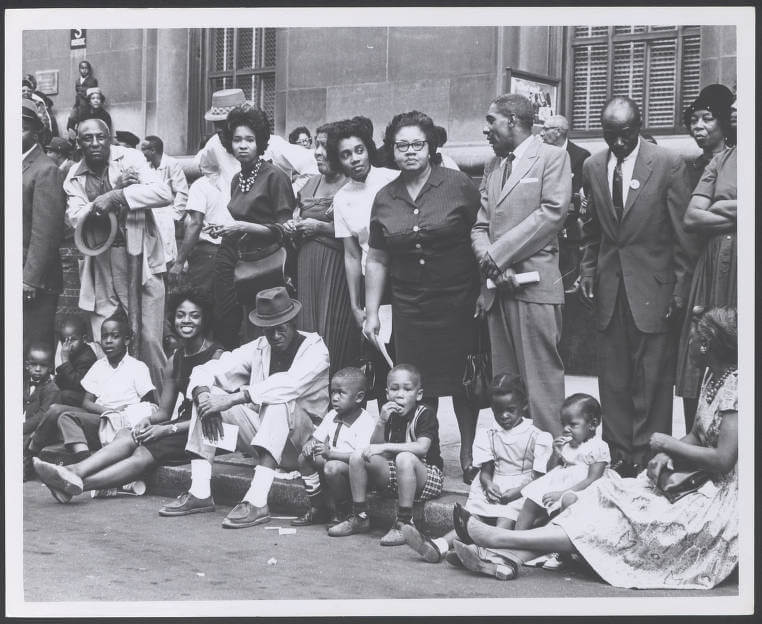
In the sixties and seventies, the remaining Black residents of the West End began to organize to hinder further development. In 1963, they founded the West End Community Council (WECC). Its goal was to prevent future urban renewal developments. They shared information through The Park Town Crier newspaper and held meetings at the Park Town community center. Park Town residents also fought for issues like integration, civil rights, traffic safety, and access to childcare. However, in the eighties and nineties these organizations progressively lost their political influence.
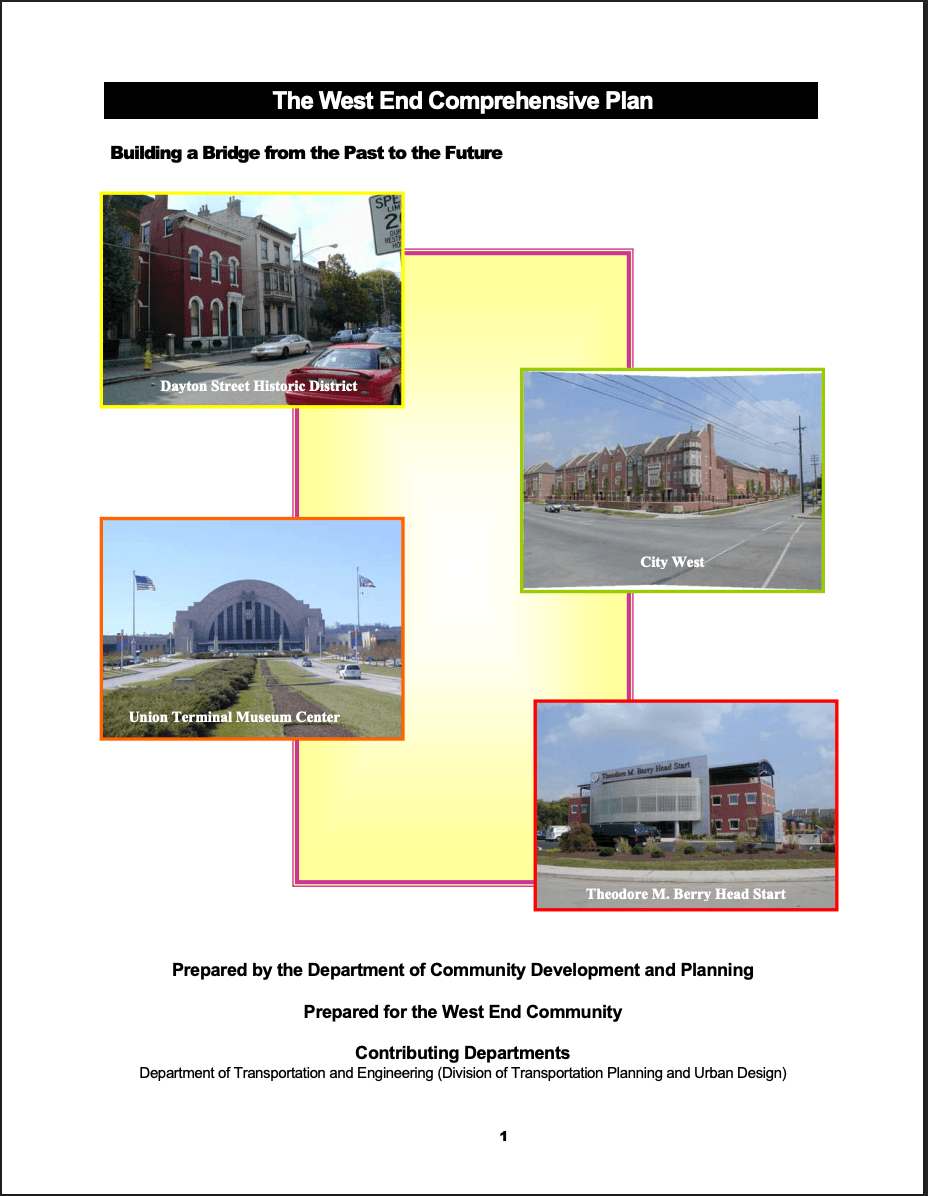
The 1948 Master Plan negatively affected the vast majority of West End residents. The highway separated the neighborhood from the downtown, and many original residents never returned. Many buildings were empty or deteriorated. Some multi-family homes became single-family homes. In 2001, a new plan was proposed to reinvigorate the neighborhood’s once thriving industry. The City Council converted the traditionally low-income area into middle-income apartments. This time, it gathered input for the new plan from the community to focus on current residents over hypothetical wealthier ones.
In 2023, Cincinnati Mayor Aftab Pureval delivered a public apology on behalf of the city for its role in destroying the West End community in the 1950s and 1960s. He signed a proclamation acknowledging how systemic racism enabled the city government to displace the Black community without working to rehouse them. Cincinnati’s West End story is part of a larger trend of municipal governments disproportionately sacrificing the needs of minorities for the sake of a few. Yet, like the West End of Boston, Cincinnati’s West End residents found ways to preserve and recreate their communities. While the harm done to the neighborhood continues to echo down to the present, its citizens work hard to ensure that when development does come they get the respect and attention past West End residents were denied.
Article by Vivian Dykema, edited by Jaydie Halperin
Sources: Sarah Baldauf, “CCR Documentary Inspires Apology from Mayor, City Council to Cincinnati’s Lower West End.” (Center for Community Resilience, Milken Institute School of Public Health, George Washington University, 20 June 2023); Dan Biddle “Ohio’s ‘Black Laws.'” (Equal Justice Initiative, April 1, 2025); Center for the City, “Zion Baptist Church at 630 Glenwood Avenue” (Clio: Your Guide to History. January 15, 2026) ; Cincinnati Museum Center, “Shaping Our City: 1920 to Today- West End” (Virtual exhibit); Cincinnati Public Library, “CHPL Photo Collections,”; City Planning Commission, “Master plan for redevelopment of the Kenyon-Barr Urban Renewal Area” (Cincinnati, OH, July 1959); Natalie Clare and Sam Kerns, “Our History Unfolds,” (Cincinnati Playhouse in the Park, October 5, 2021); Coalition For Transit and Sustainable Development, “The Impact of Urban Renewal and I-75 on Cincinnati’s Historically African-American West End Neighborhood.” (Sustainable Cincy, January 14, 2023) Department of City Planning and Buildings, West End Comprehensive Plan (City of Cincinnati, 2004); Deqah Hussein-Wetzel, Vanessa Quirk “Lost Voice of Cincinnati – West End Film Short” YouTube (Urban Roots Podcast, July 19, 2021); Eric Jackson, “West End Neighborhood.” (Cincinnati Preservation Association);Christian McCord, “Organizing in the Housing Projects of Cincinnati’s West End”, Black Perspectives, (African American Intellectual History Society, November 2, 2024); Mary Ann Olding and Michael Jackaman, “Irish.” (Cincinnati: A City of Immigrants, November 2009); Zinn Education Project, “Oct. 17, 1837: Petition to Repeal Black Codes in Ohio”.