
Behind Closed Doors: Illegal Gambling at 11 Irving Street
In August of 1949, Boston Police raided an apartment at 11 Irving Street. Inside they found evidence of illegal gambling connected to a nationwide baseball betting racket. This raid and the coverage it received in the Boston Globe offers a glimpse into how illegal enterprises existed alongside the tenement communities of the Old West End.
In the mid-20th century, there was more to Boston’s West End than its crowded tenements and immigrant families. Behind apartment doors and storefront windows, small-scale gambling operations ran quietly. They were part of a larger underground economy that stretched across the city. Boston’s most famous gangsters were the focus of newspaper headlines. However, many illegal betting operations were far less glamorous. They took place inside ordinary homes and involved residents trying to profit off the popularity of professional sports.
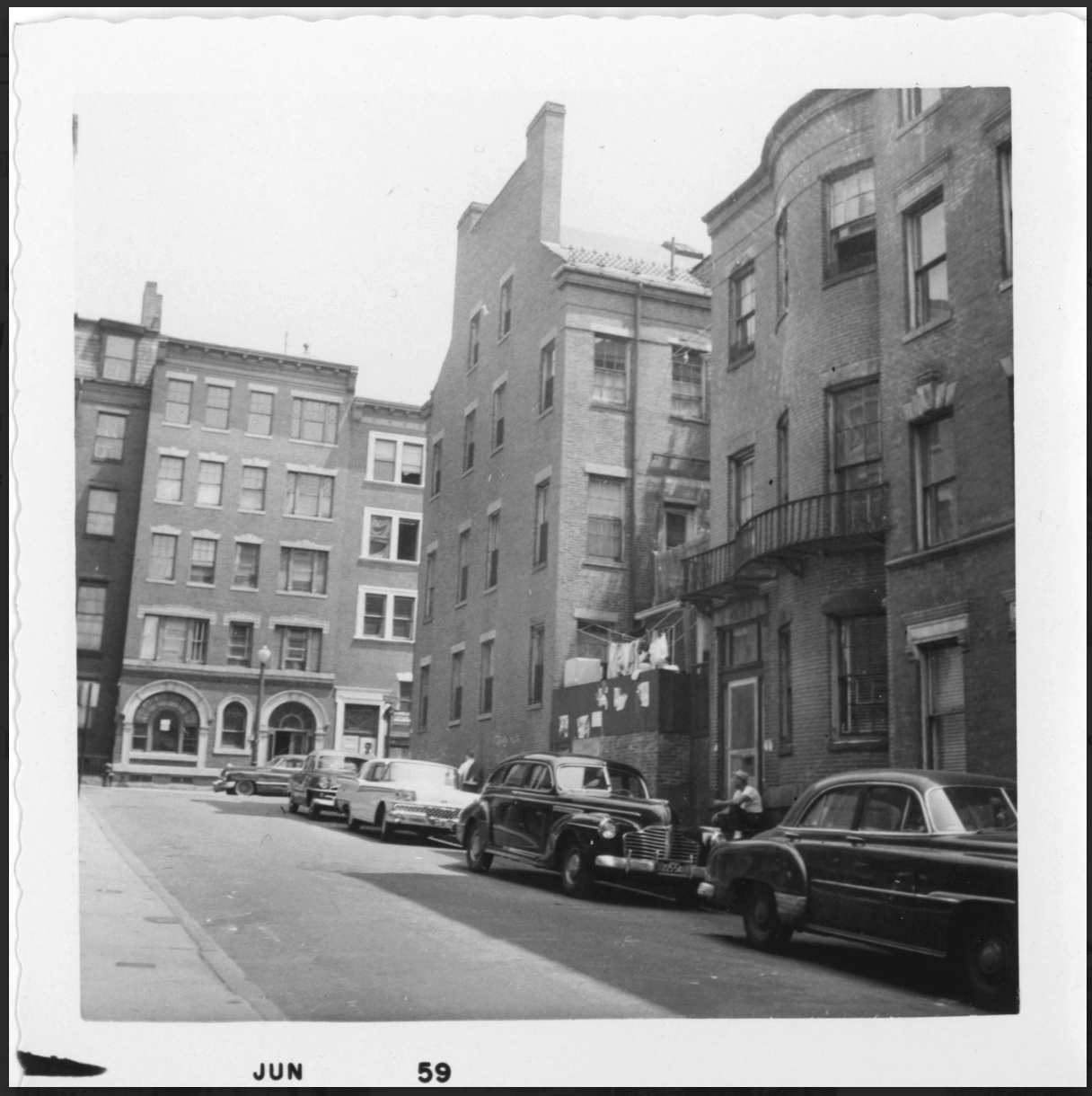
One Boston Globe report in August 1949, described a police raid on a small apartment at 11 Irving Street in the West End. There, officers uncovered what they believed was part of a nationwide baseball gambling syndicate. The Globe’s coverage offers a glimpse into the organized betting networks embedded into everyday neighborhood life.
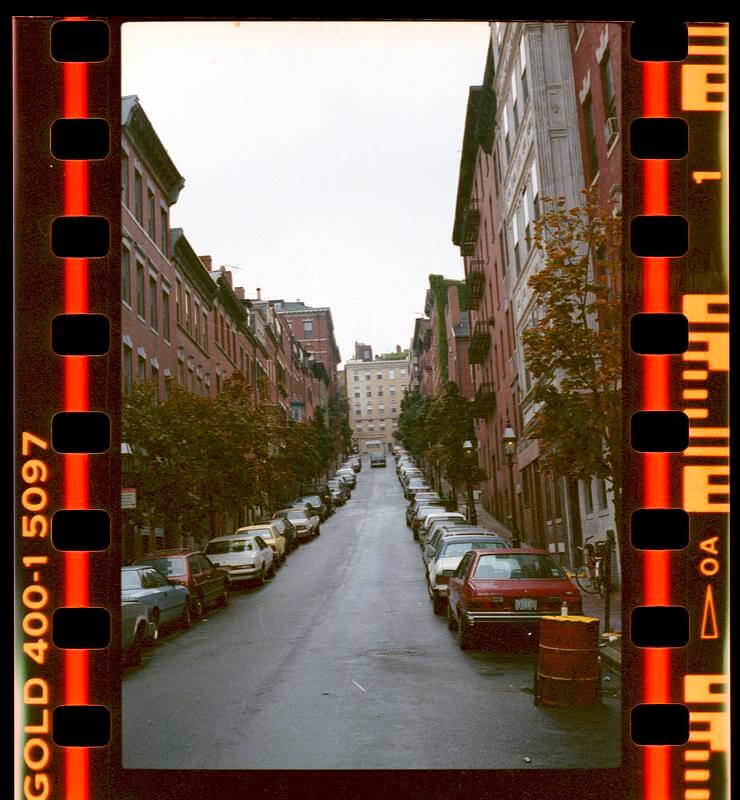
During the early to mid-twentieth century, the West End was one of Boston’s most densely populated immigrant neighborhoods. Diverse immigrant communities lived in tightly packed tenement buildings. Nearby were industrial buildings, factories, markets and the city’s waterfront economy. Many residents worked long hours in unstable or low-paying jobs. Because of this, informal economies often developed alongside ordinary neighborhood life.
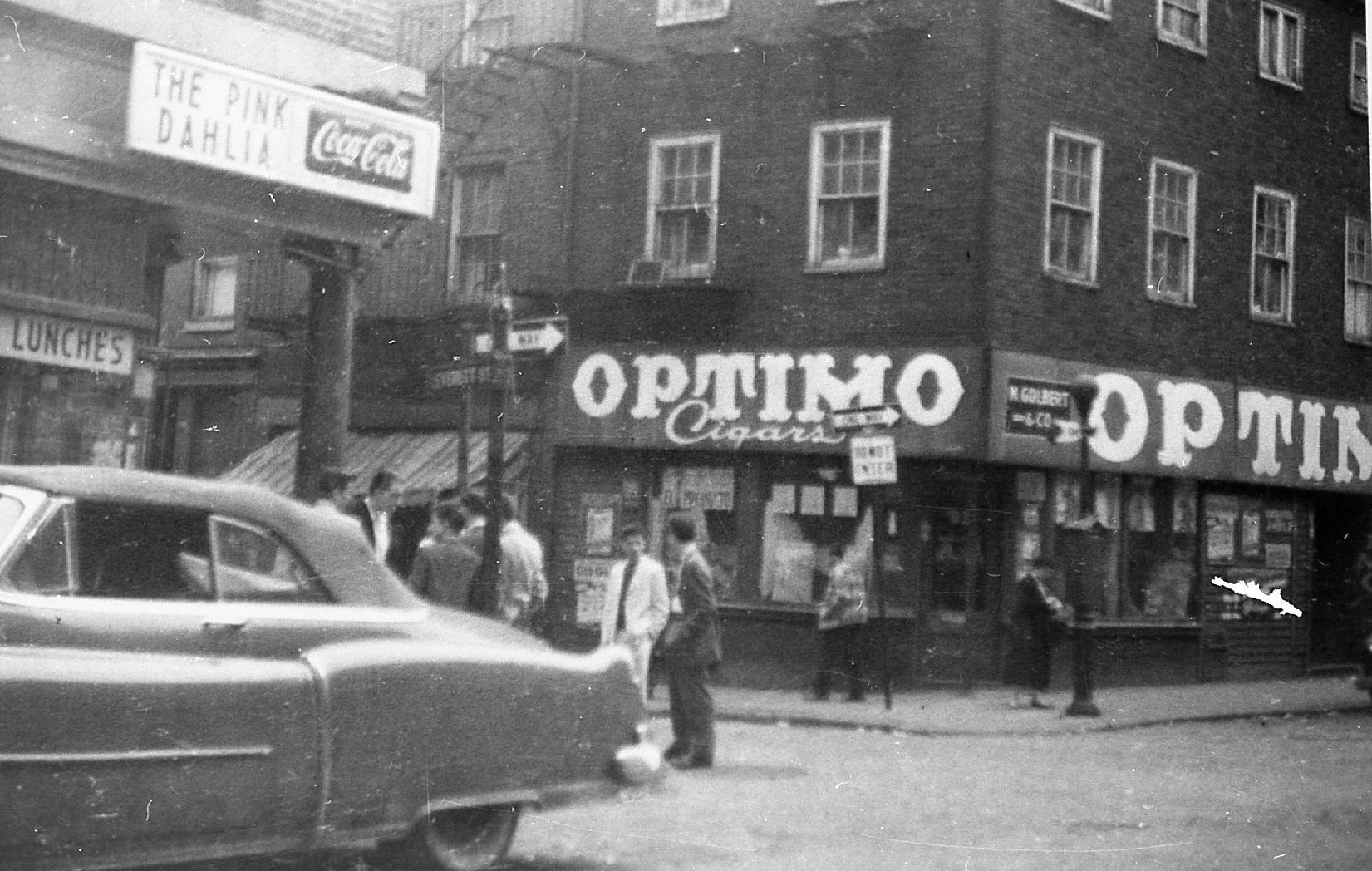
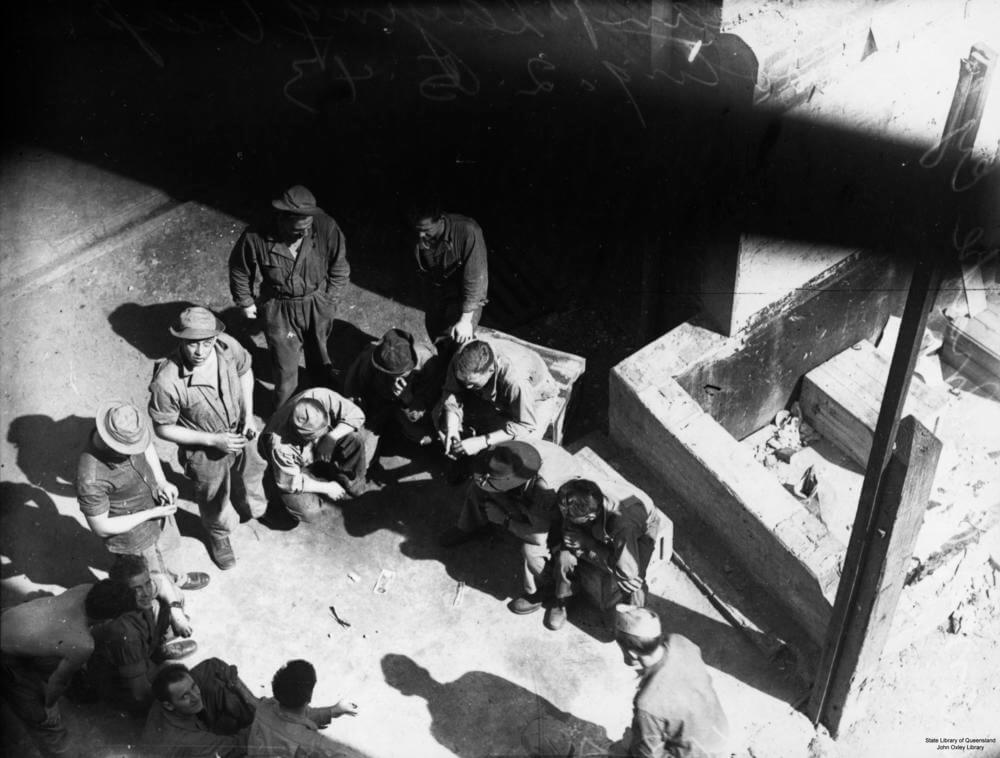
Gambling was one of the most common forms of illegal activity in Boston during this period. Betting on horse racing, boxing, and baseball attracted people across class and ethnic backgrounds. Large organized crime figures profited from major gambling operations. Still, smaller betting rooms and “bookmaking” apartments operated throughout the city’s many neighborhoods. Some residents viewed gambling as entertainment. City officials and reformers saw it as evidence of growing criminal influence.
According to a Boston Globe article published on August 24, 1949, police officers from Boston’s racket squad initiated a raid on a second-floor apartment at 11 Irving Street in the West End. They were investigating what they believed to be a part of a coast-to-coast baseball betting operation. Armed with a search warrant, officers reportedly crashed through the door. Inside, two men were accepting telephone bets on Major League Baseball games. Officers arrested Louis Sherman of Brighton and Elliot Price of Mattapan.
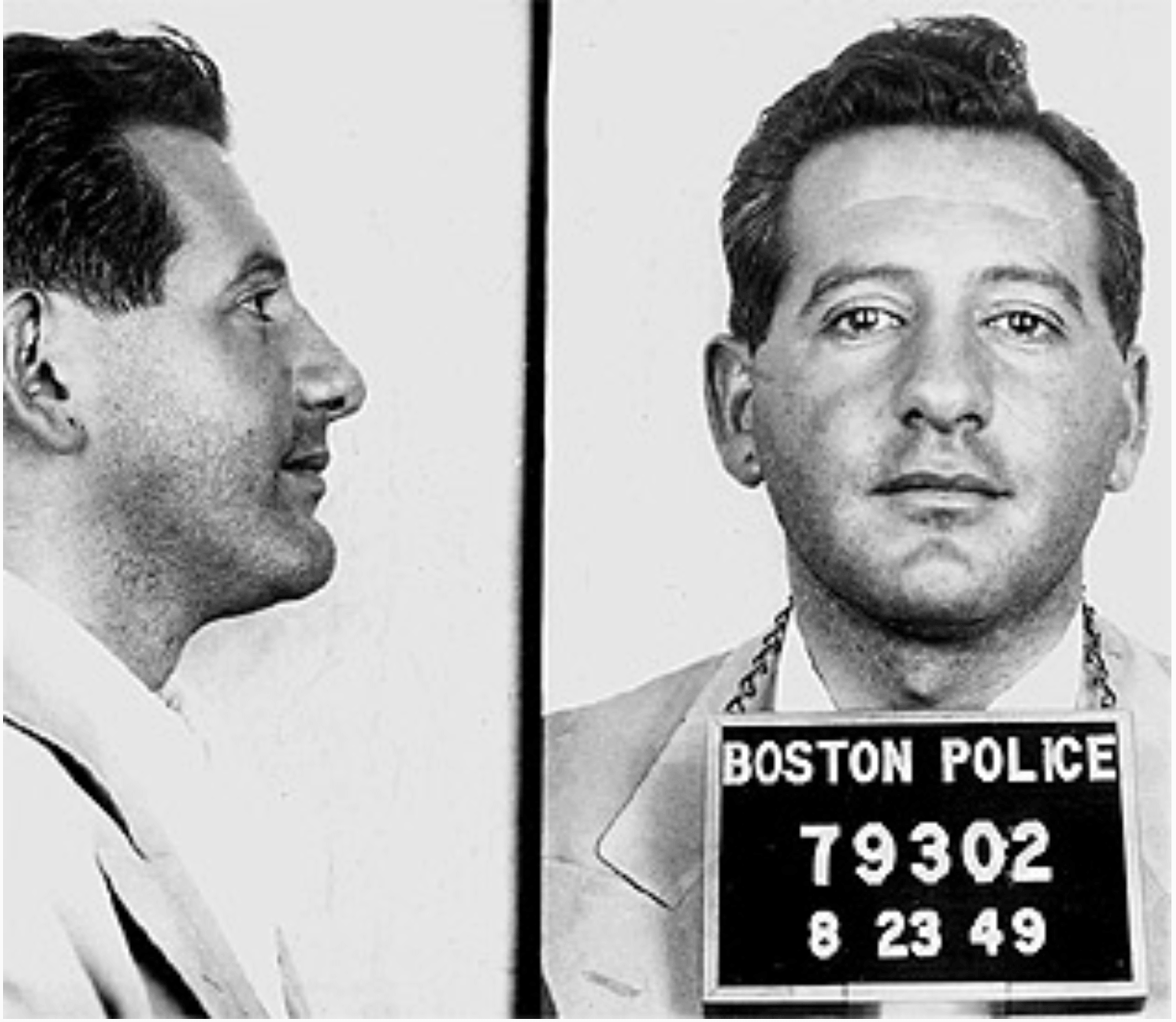
The Globe reported that officers discovered the men working with two telephones and a portable card table inside the bedroom. Police seized betting slips representing more than $30,000 in wagers from that day alone. Newspapers described the raid as one of the first local arrests connected to a growing national baseball betting scandal.
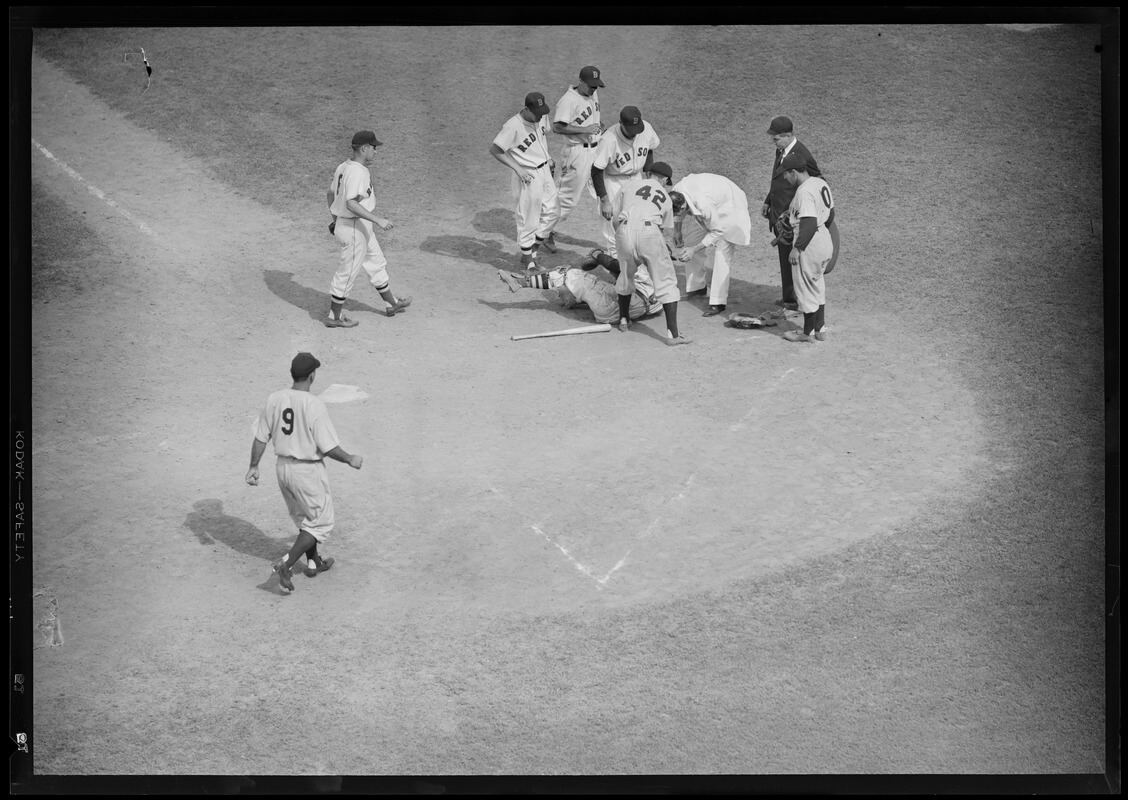
This raid, resulting in only two arrests, was on the front page of the Globe. The language used in the article reflected growing public concern about organized crime in American cities. Newspapers frequently described gambling networks as part of the “underworld.” They portrayed police raids as dramatic battles between law enforcement and criminal organizations. Terms such as “racket squad” and “betting nest” helped shape a negative public image of urban crime in Boston.
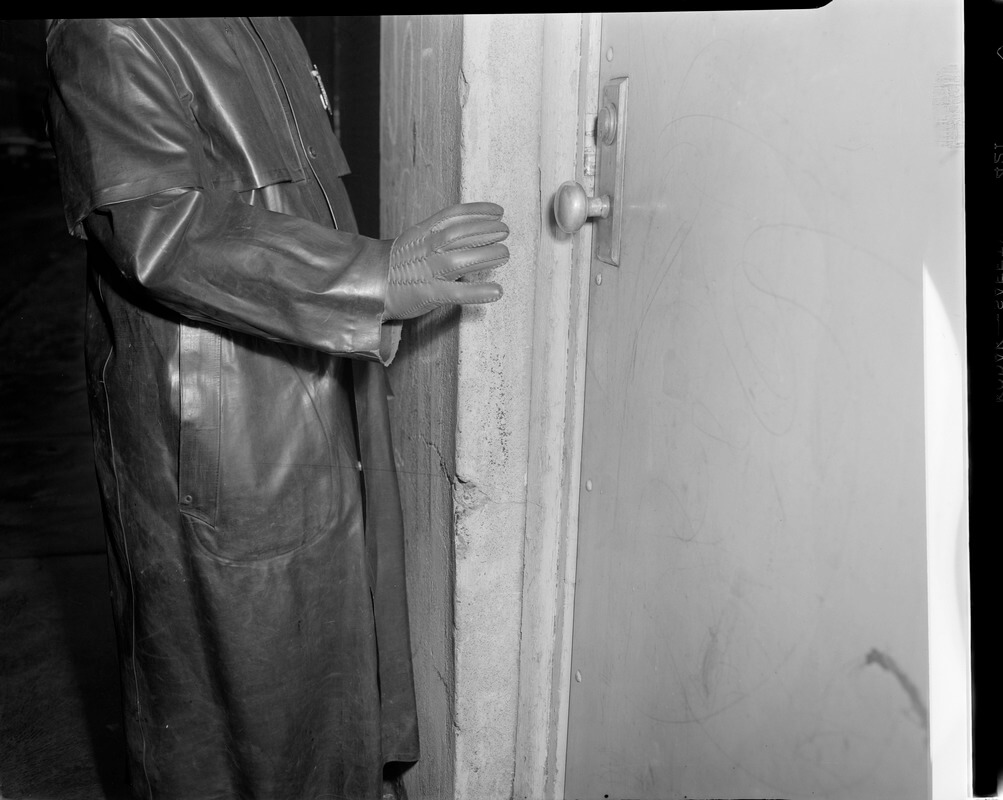
As for Sherman and Price, the two men arrested in the 11 Irving Street raid, they were arraigned on charges of being present in a place with baseball betting supplies. Sherman was acquitted after claiming that he was just dropping by the apartment to borrow a car. Price was found guilty and paid the resulting fines. Neither man seemed to have stopped their gambling careers after this case. In 1951, Sherman was now a part of the Row Club, which claimed to only be a place to discuss sports. However, he was named in connection to gambler Sidney Brodson and the Row Club was constantly under police watch. Price, meanwhile, eventually moved to Los Vegas, but was dragged back to Boston in 1979 as a defendant in a horse-race fixing case. Price claimed a co-defendant gave perjurious testimony to convict him. However, his long career in Boston gambling makes that hard to believe.
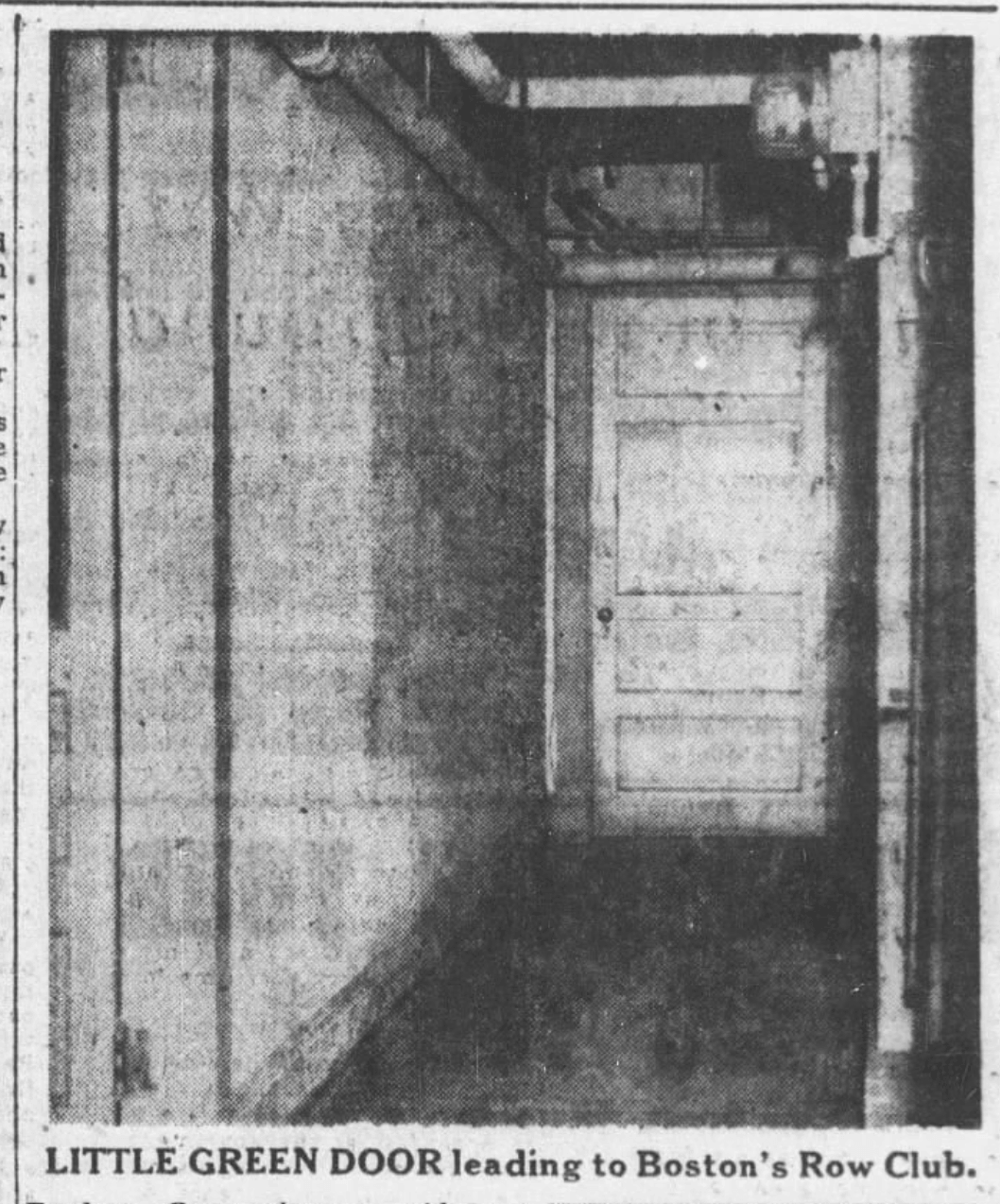
Yet the details of the Irving Street raid also reveal something quieter and more complicated. This “betting nest” wasn’t located in a secret nightclub or back alley. Instead, it ran from inside a modest apartment in the middle of a residential neighborhood. Illegal gambling in the West End was often woven into ordinary daily life. It existed alongside family apartments, small businesses, and working class social networks.
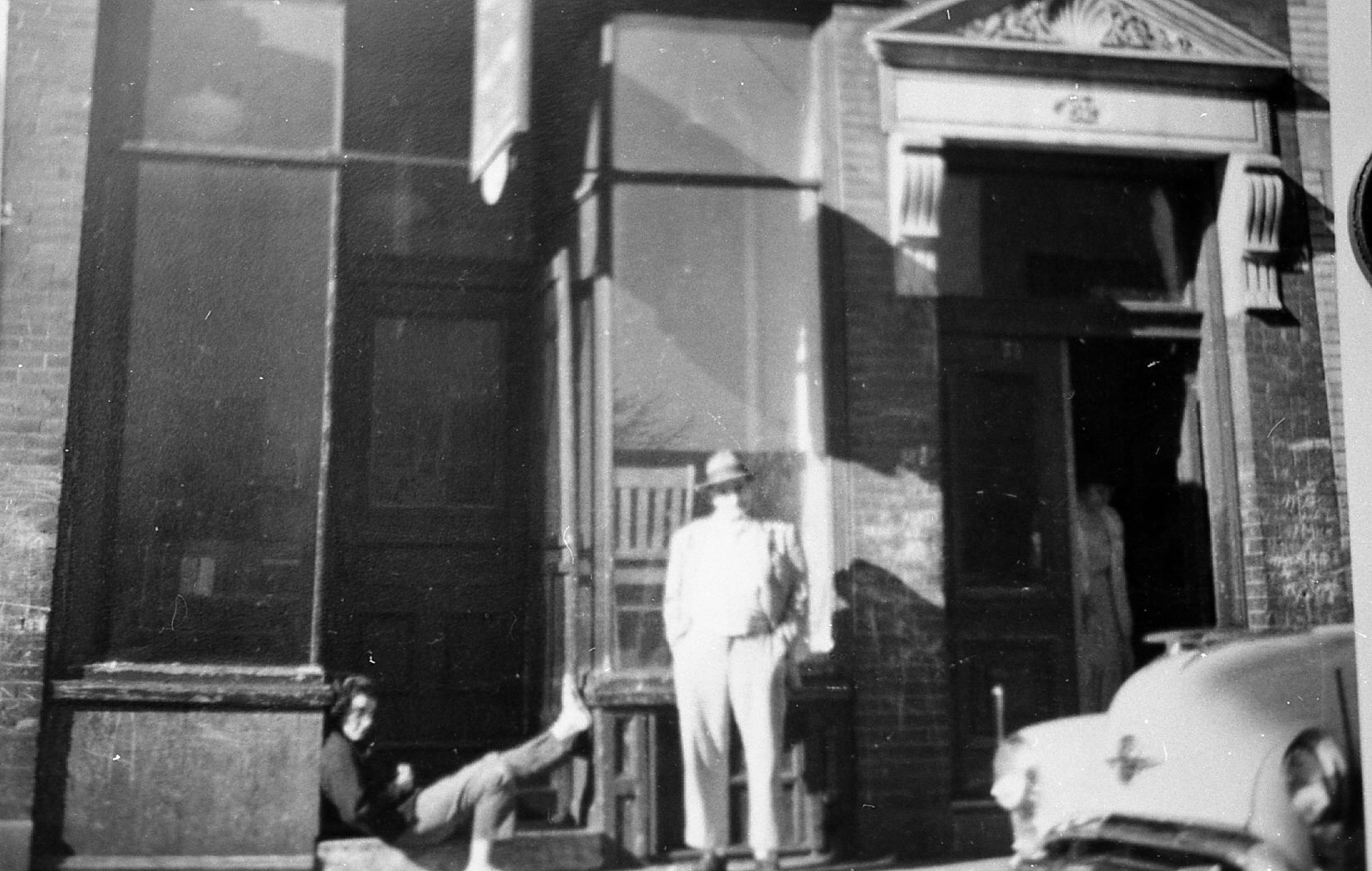
The overlap between neighborhood life and “underworld” economies was not unique to the West End. Across Boston, illegal gambling operations appeared in overcrowded tenement districts where residents faced economic instability. Historians have noted how informal networks – legal and illegal alike – often developed within close-knit immigrant communities.
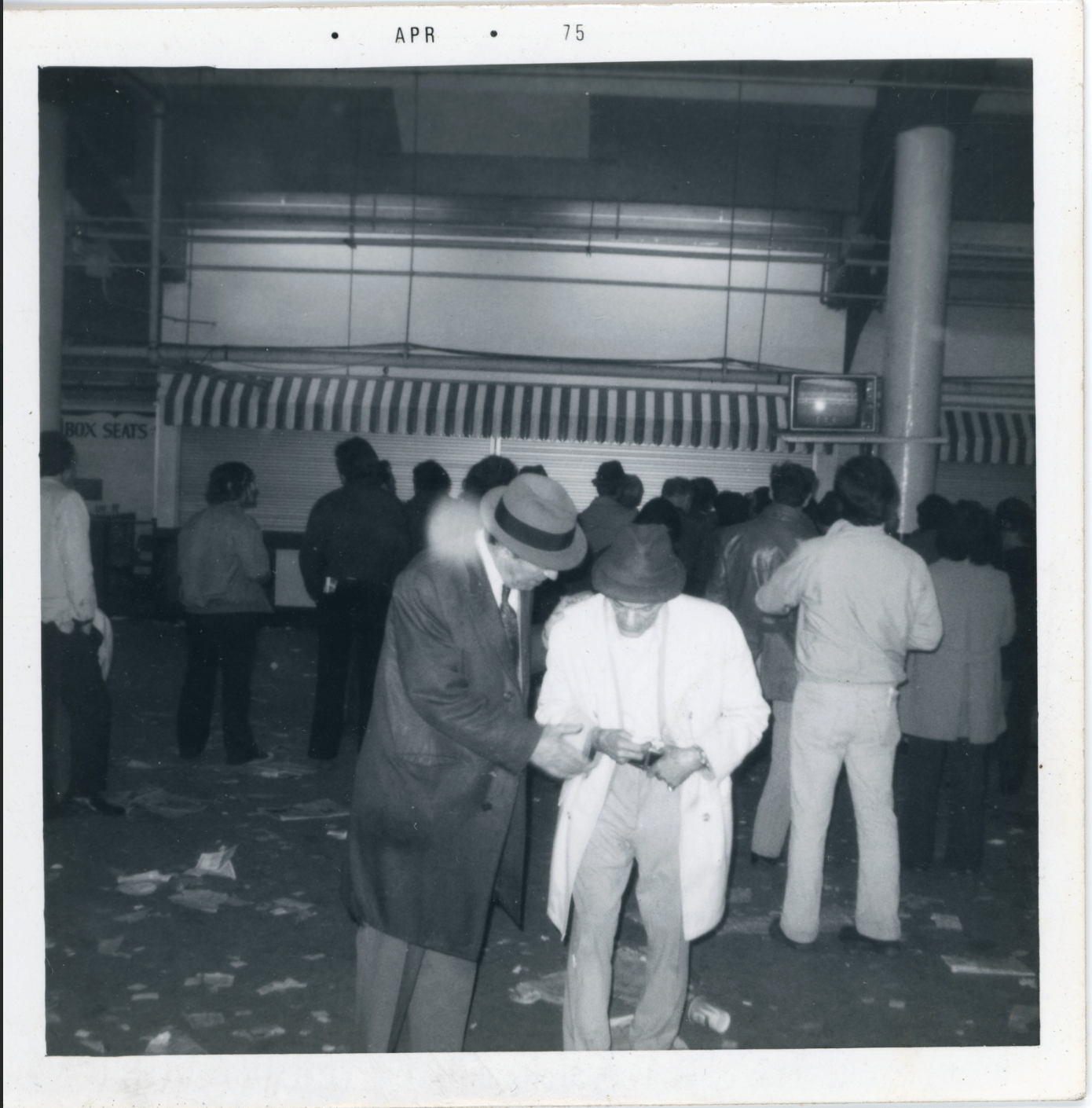
Police raids such as the one on Irving Street rarely eliminated gambling for good. Betting operations often reopened in different apartments or moved to nearby neighborhoods. Still, newspaper coverage of these raids helped shape perceptions that the West End and other neighborhoods were “blighted” during the urban renewal period. Stories like the Irving Street gambling bust offer small but revealing glimpses into the everyday realities of life in the old West End. It was a neighborhood where ordinary domestic spaces could be places to build a better life or become part of Boston’s hidden criminal economy.
Article by Rupa Rama, edited by Jaydie Halperin
Want to learn more about crime in the West End? Visit our special mini-exhibit “Wild Times in the West End: Secret Speakeasies, Liquor Raids, and Gangland Warfare” curated by Emily Sweeney of the Boston Globe. But don’t wait! It is only on display June 3 – June 14, 2026.
Sources: The Boston Globe, August 24, 1949, pg 1, pg 12, August 25, 1949, September 7, 1949, March 25, 1951, pg 1, pg 40, May, 7, 1967, February 6, 1979, May 18, 1979, June 13, 1979, June 29, 1979, July 3, 1979, July 20, 1979, August 21, 1979.