
How One Address Became the Geography of My Life
Cindy Strousse has lived in Longfellow Place for over thirty five years. From her apartment, she has watched historical events unfold, seen fireworks and public displays, and run a business. This personal reflection on life in the West End since 1977 explores how places can become a part of one’s identity and life story.
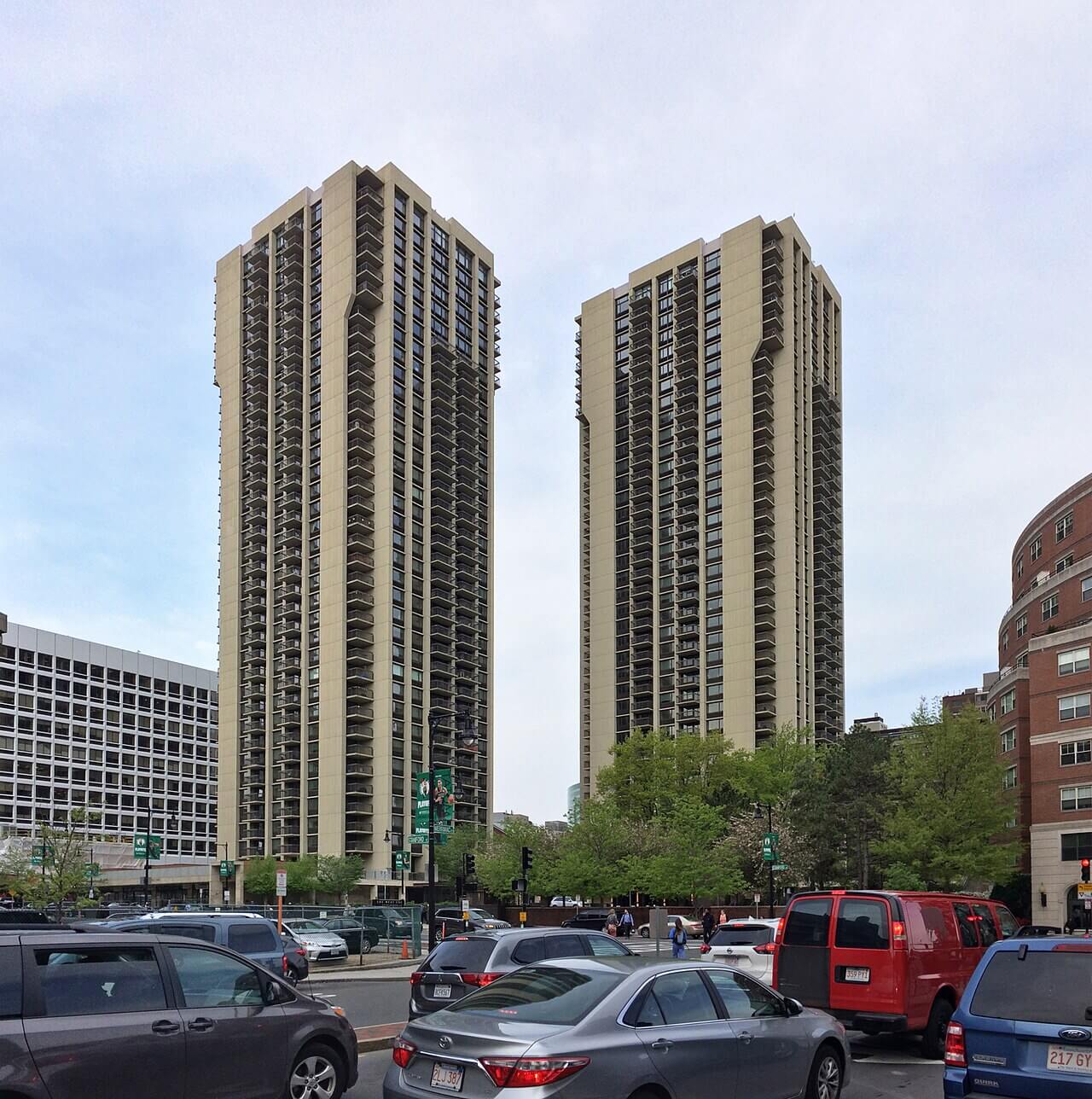
I have lived at Longfellow Place long enough to become part of its history. Over the course of thirty-five years, I lived in four different apartments: Apartment 503 (1977–1982), Apartment 817 (1996–2010), Apartment 622 (2010–2017), Apartment 2122 (2017–present). Each apartment belonged to a different era of my life.
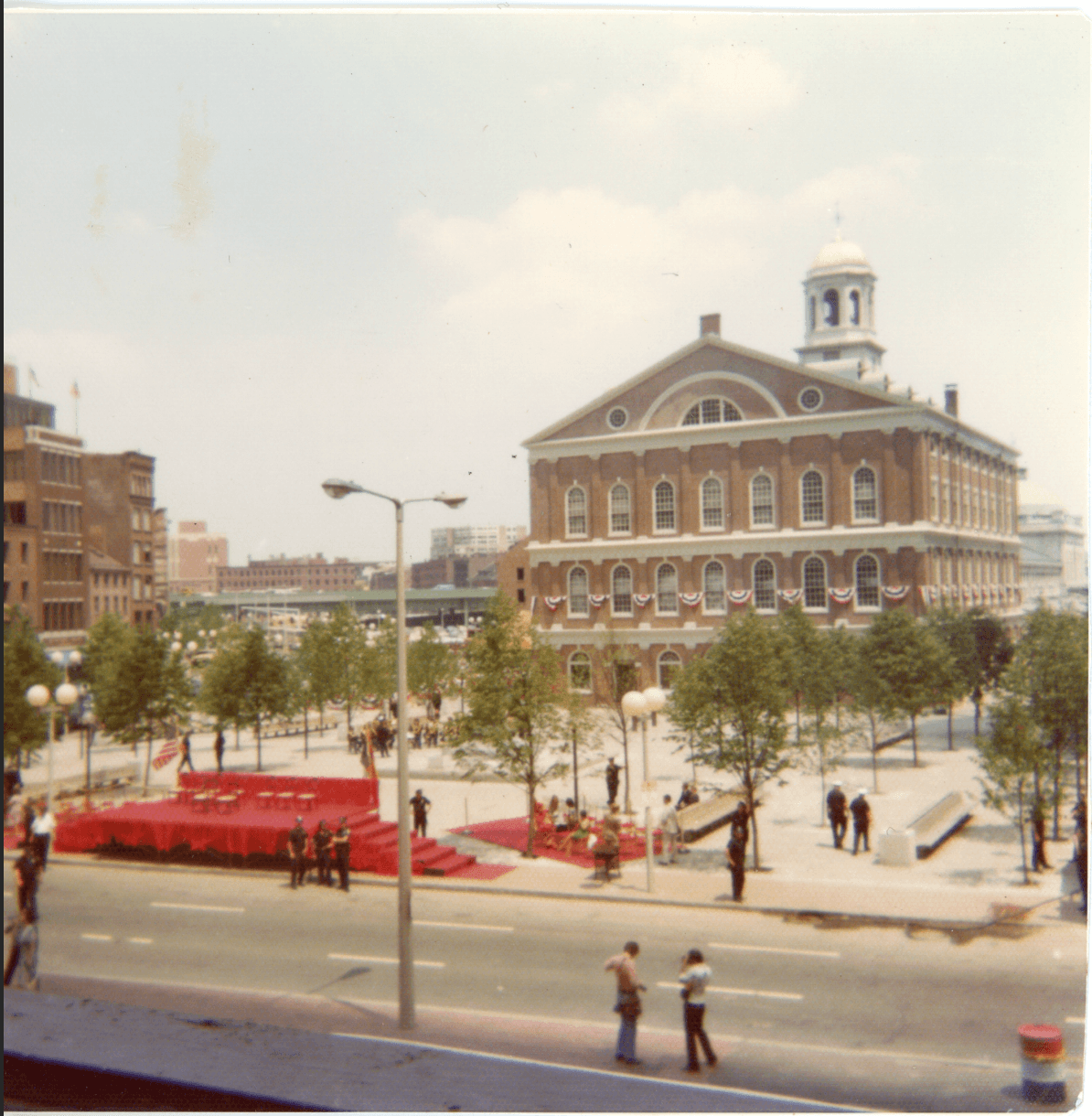
I chose to live at Longfellow Place in Boston’s West End largely because of its proximity to my office—it was only a block and a half away. But it was also a block and a half from what felt like the center of everything that was happening in Boston at the time: Faneuil Hall. Boston was reinventing itself in the late 1970s, and in many ways, so was I.
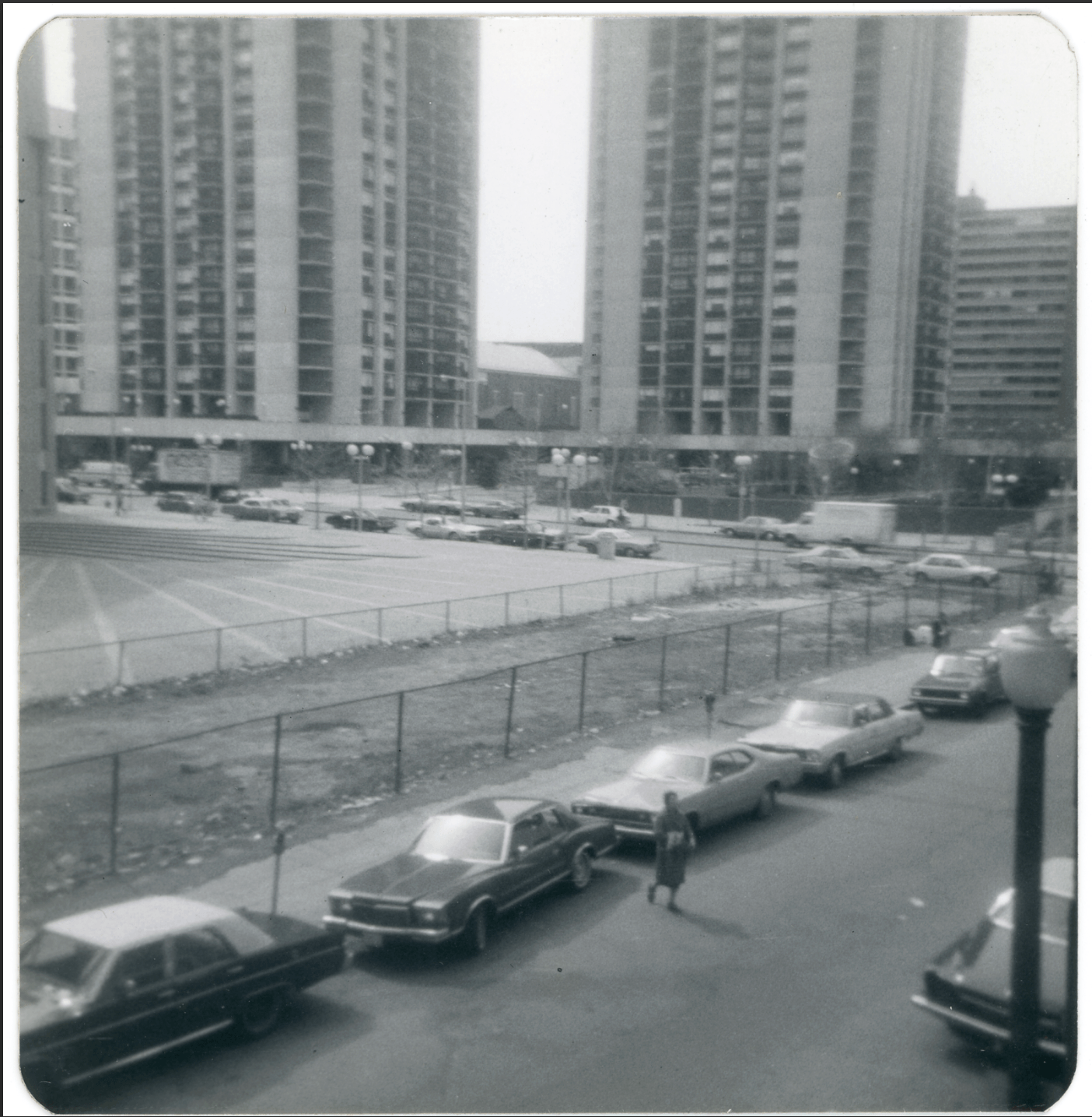
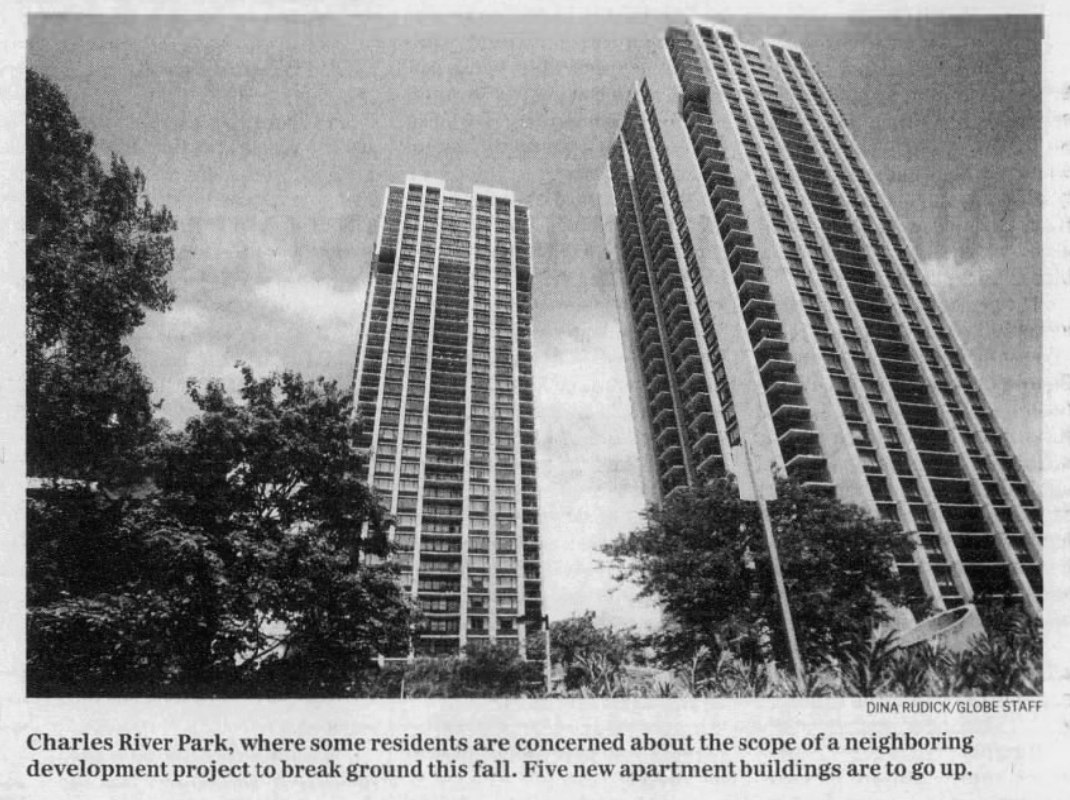
The irony, which I understood only much later, was that Longfellow Place itself stood on top of a vanished neighborhood. By the time I arrived, most of the old West End was gone. What remained was a world of high-rise residential towers. Longfellow Place was the tallest and newest among them. I was young and honestly a little intimidated. I remember being afraid to wear jeans in the lobby because of the celebrities who lived there.
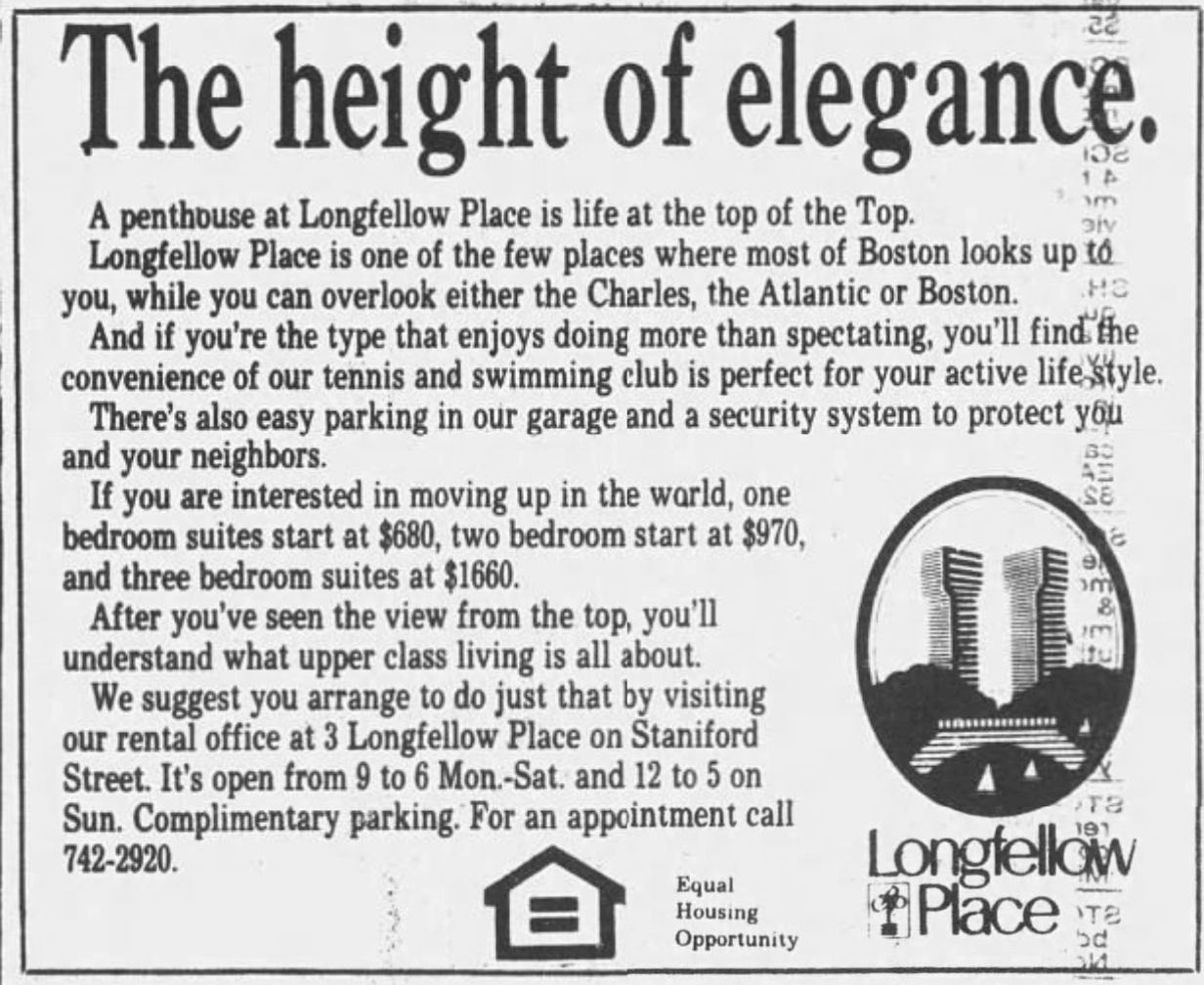
When I first moved into Longfellow Place, the building was still under construction. I could choose any apartment, on any floor, with any floor plan. I chose apartment 503, a very large studio apartment on a lower floor. I chose furniture that could follow me through different homes and different stages of life. The dressers did not look like traditional bedroom furniture, and each piece could function in more than one room. Yet in that one-room apartment, I had a queen-sized bed, a perfect two-sided bookcase that separated the sleeping area from the rest of the room, and furniture I still own nearly fifty years later.
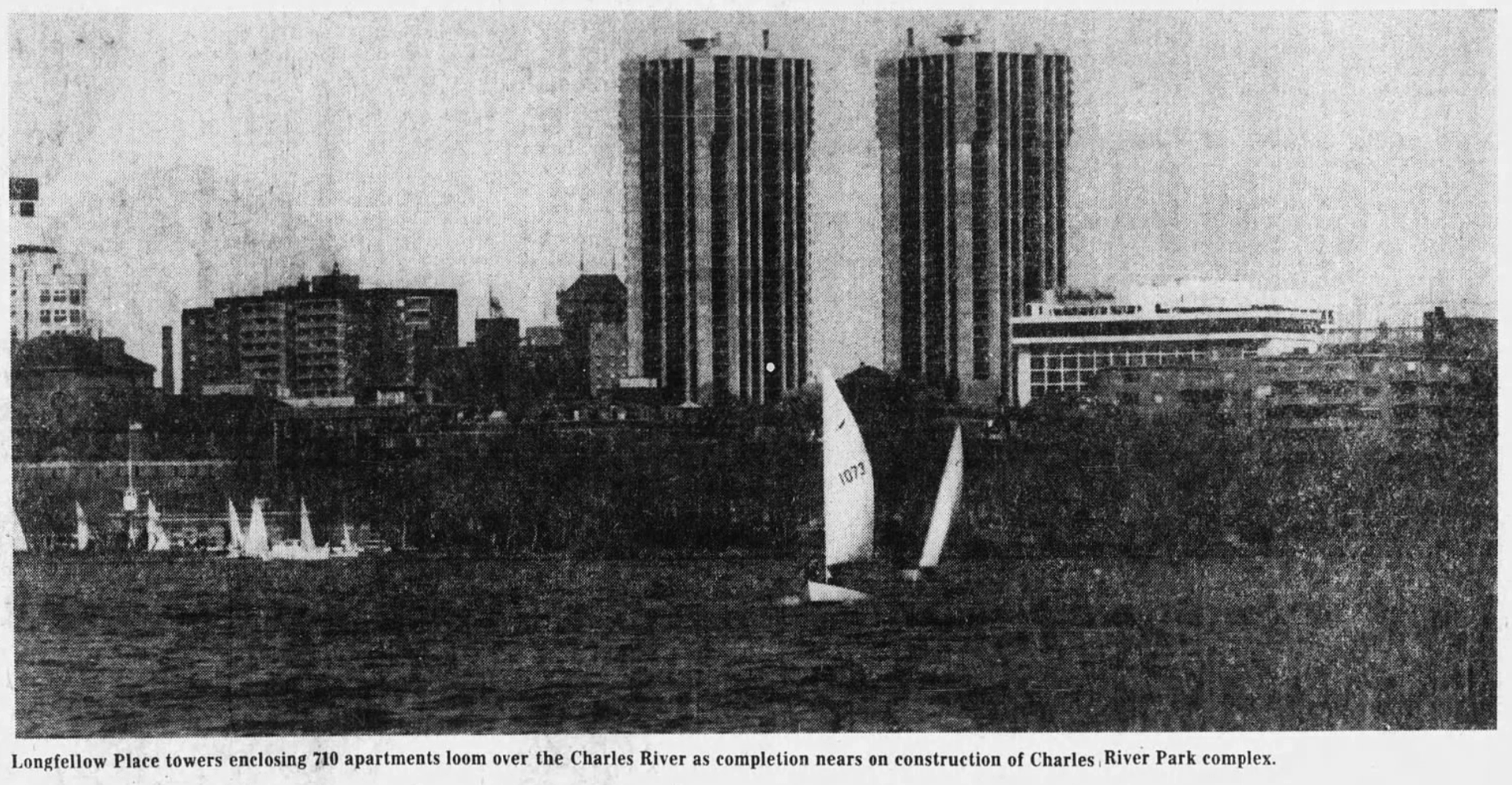
There was a living room section, dining area, desk space, and enough closets for my large wardrobe. Every apartment at Longfellow Place also included a balcony, which I always considered a separate room. I took full advantage of that outdoor living space in the middle of the city.
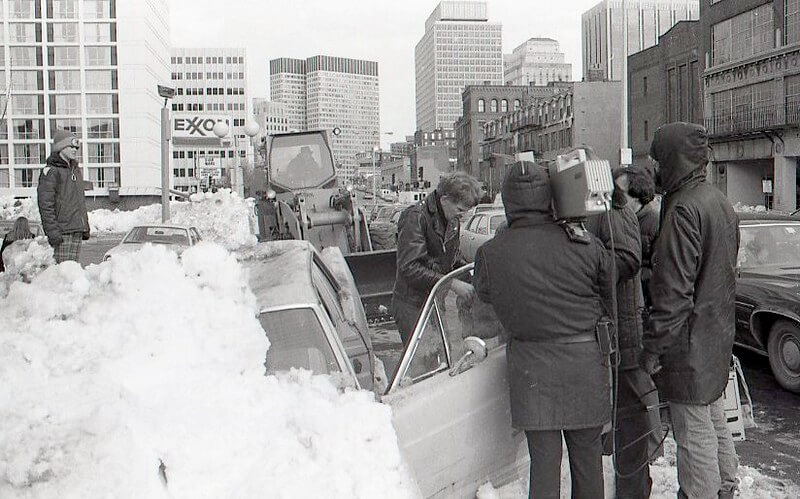
Living at Longfellow Place gave me a front-row seat to some of Boston’s most memorable moments. On the first evening of the Blizzard of 1978, all the staff in my office had left earlier in the day. I stayed late since I had only a block-and-a-half walk home. When I finally looked out the window, I was shocked by how much snow had already fallen.
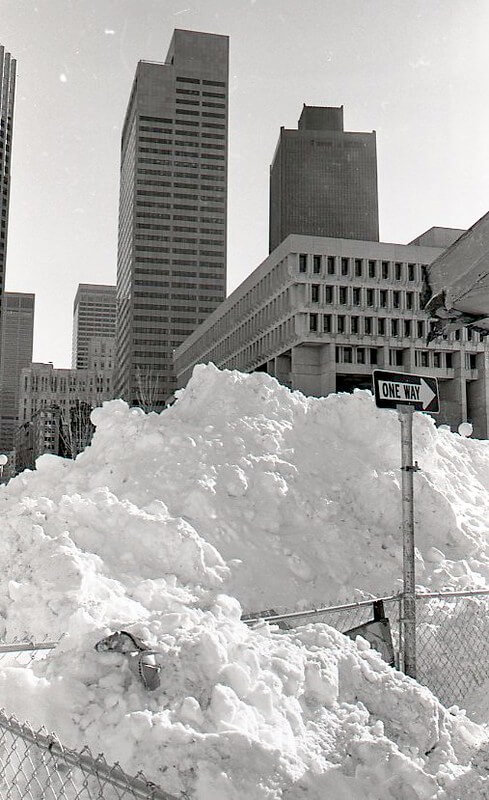
I started walking toward Longfellow Place, but the wind was so strong it knocked me off balance. At some point, a snowplow driver stopped and offered me a ride for the remaining block because the storm had become almost impenetrable. A day after the storm had passed, I stood on my balcony and waved at a cross-country skier gliding down Staniford Street. The skier called out that fresh fruit was available at Quincy Market. It felt like the city was slowly coming back to life.
Apartment 503 faced north toward the nineteen-story Hotel Madison. It gave me the perfect view to host an implosion party in 1983 and witness another dramatic moment of change in the city.
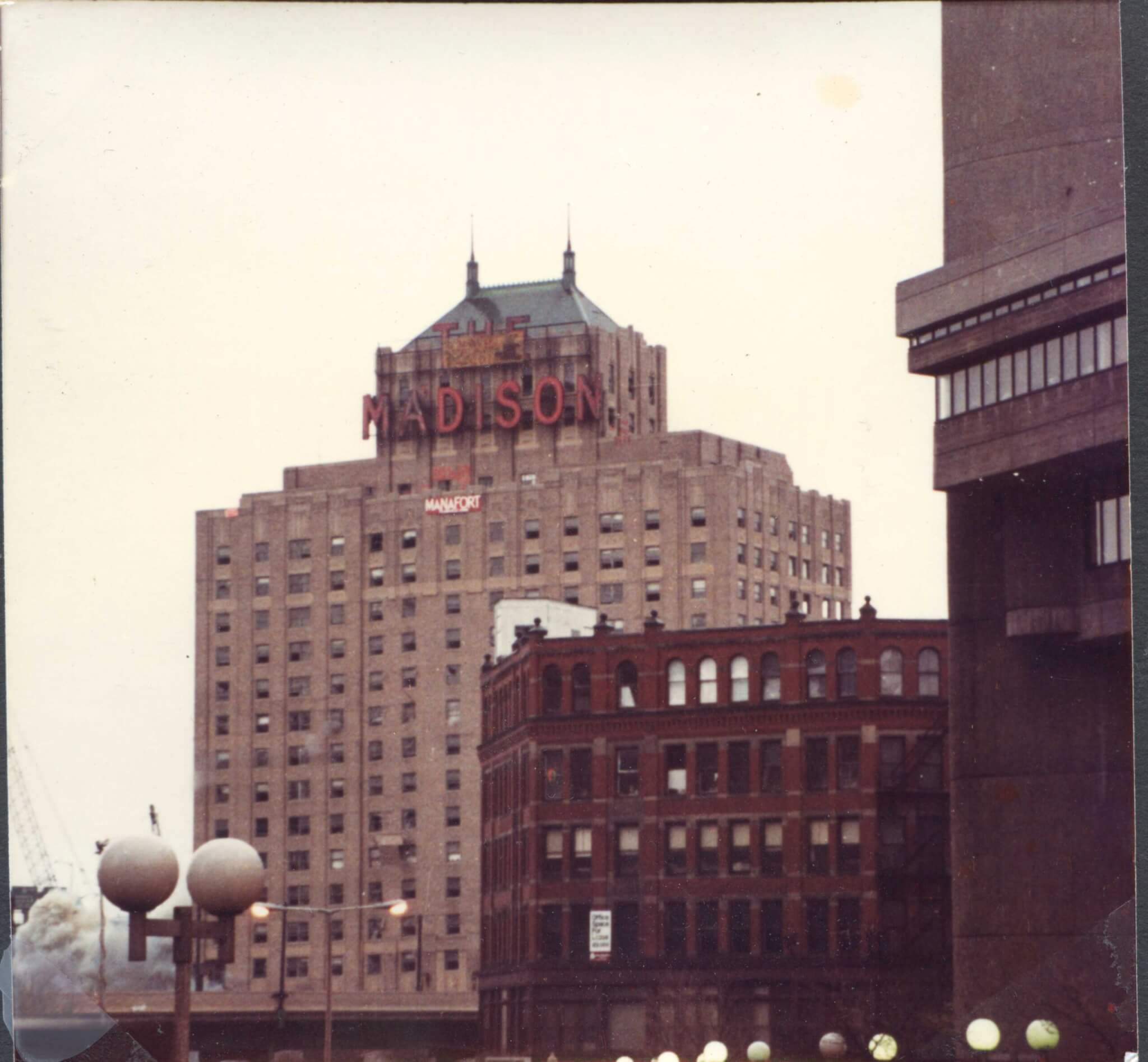
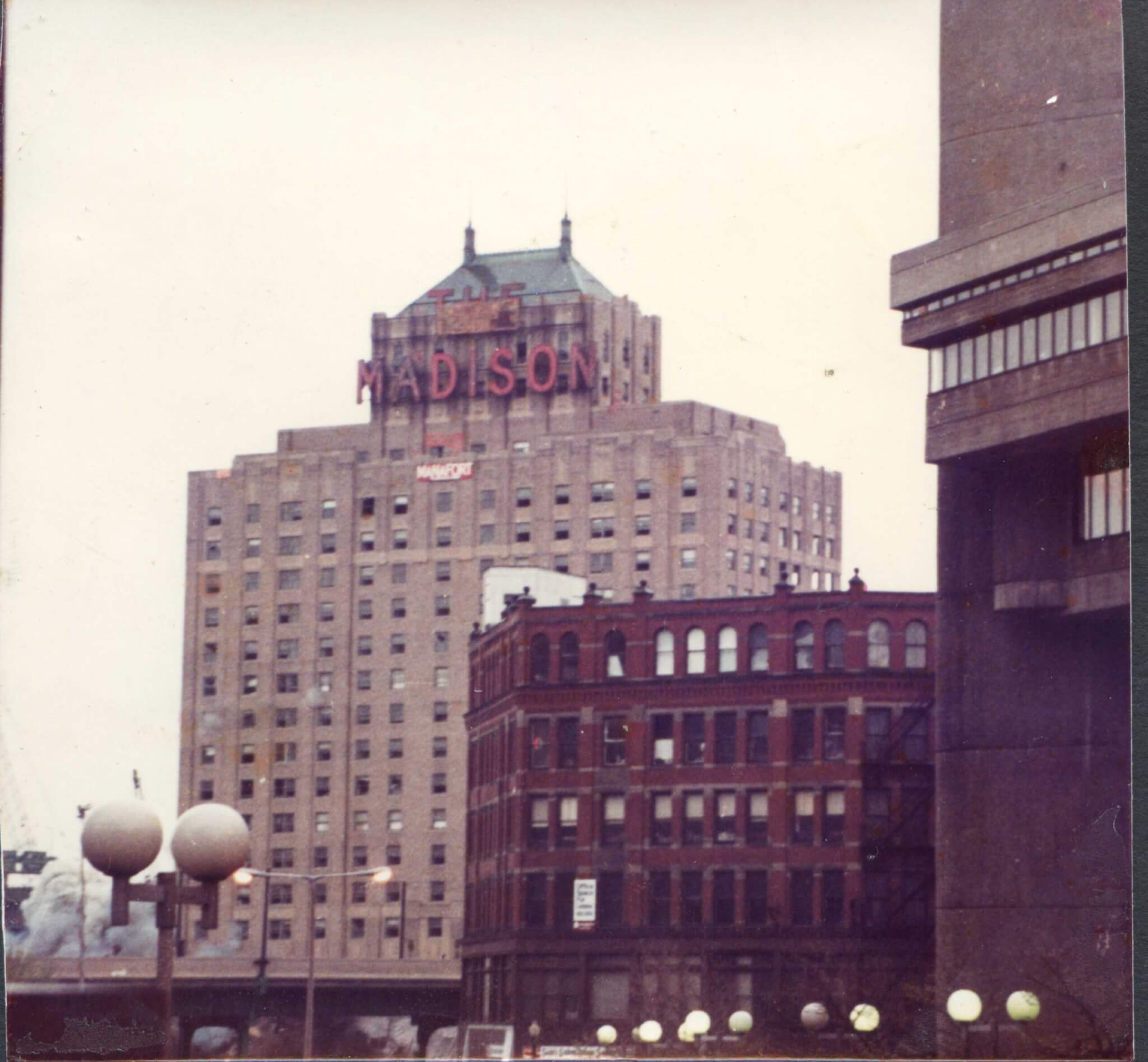
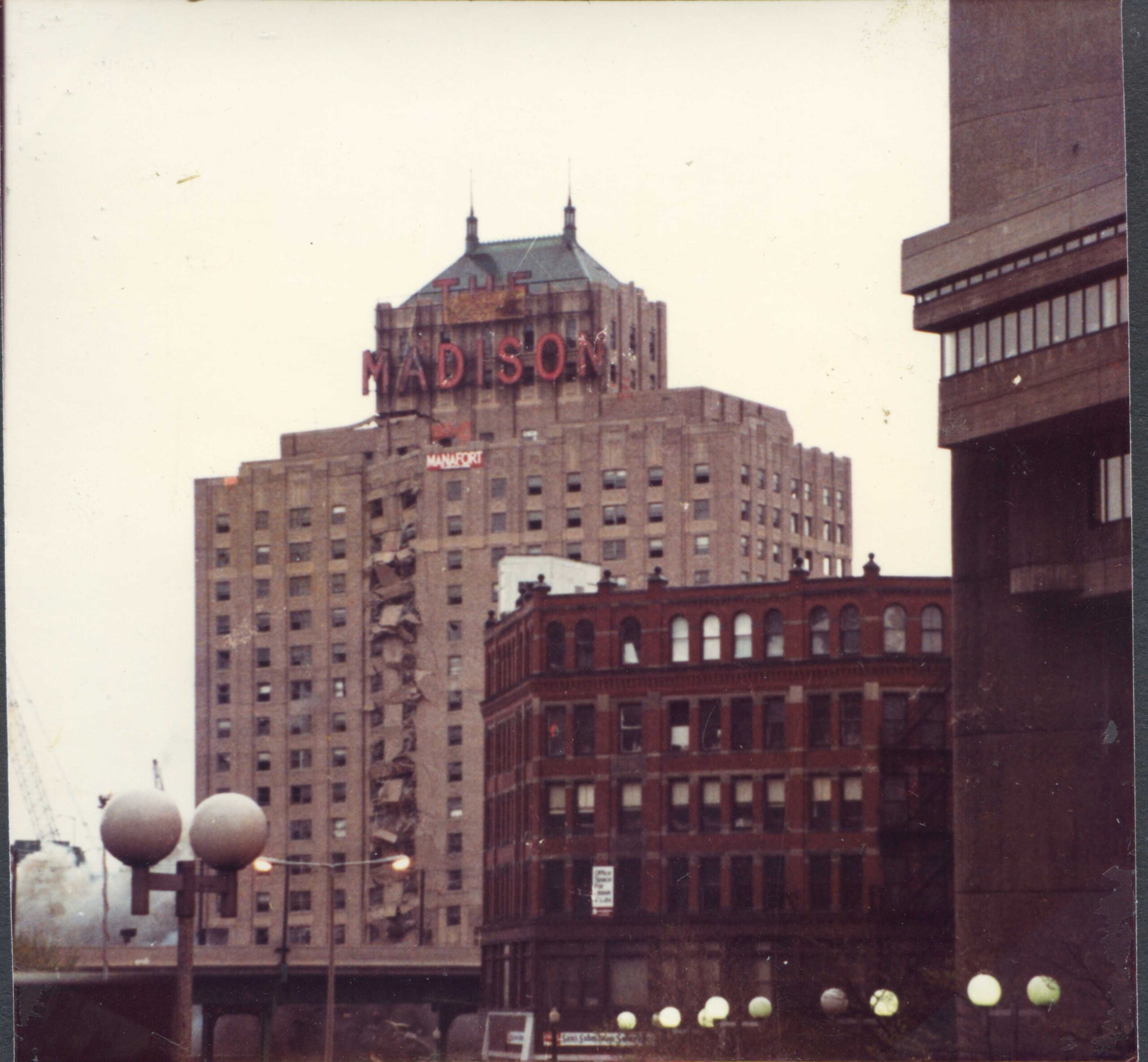
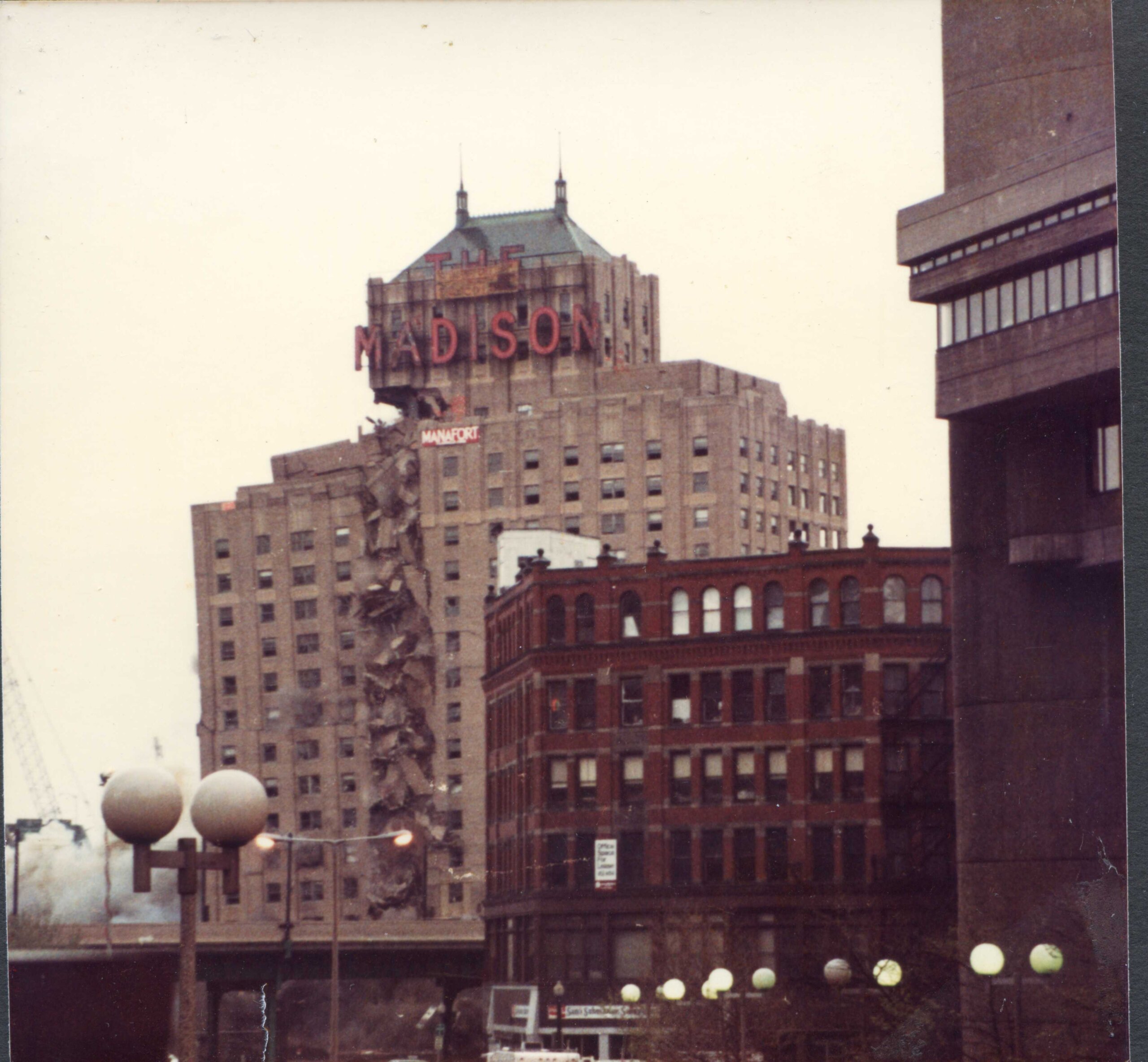
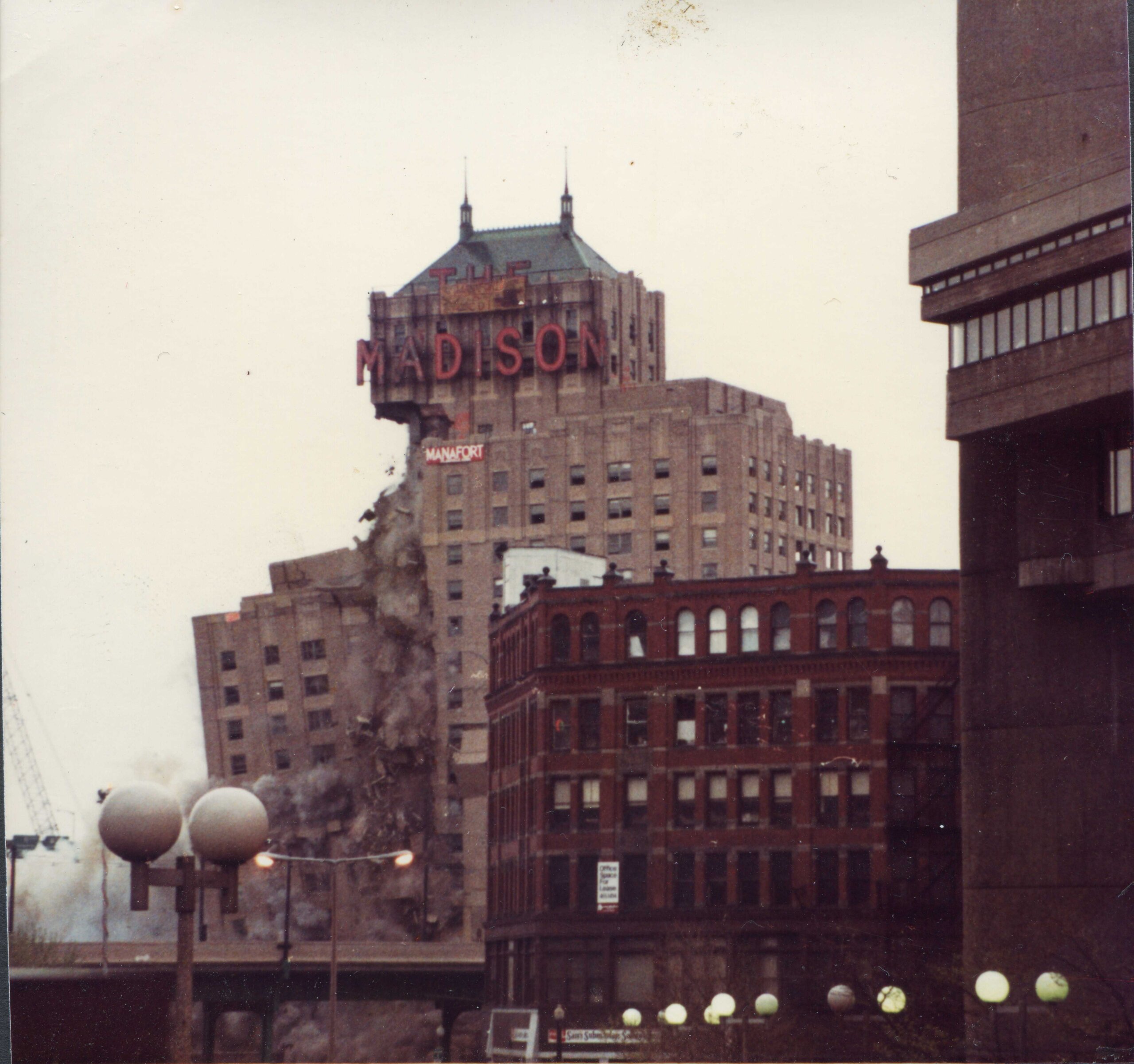
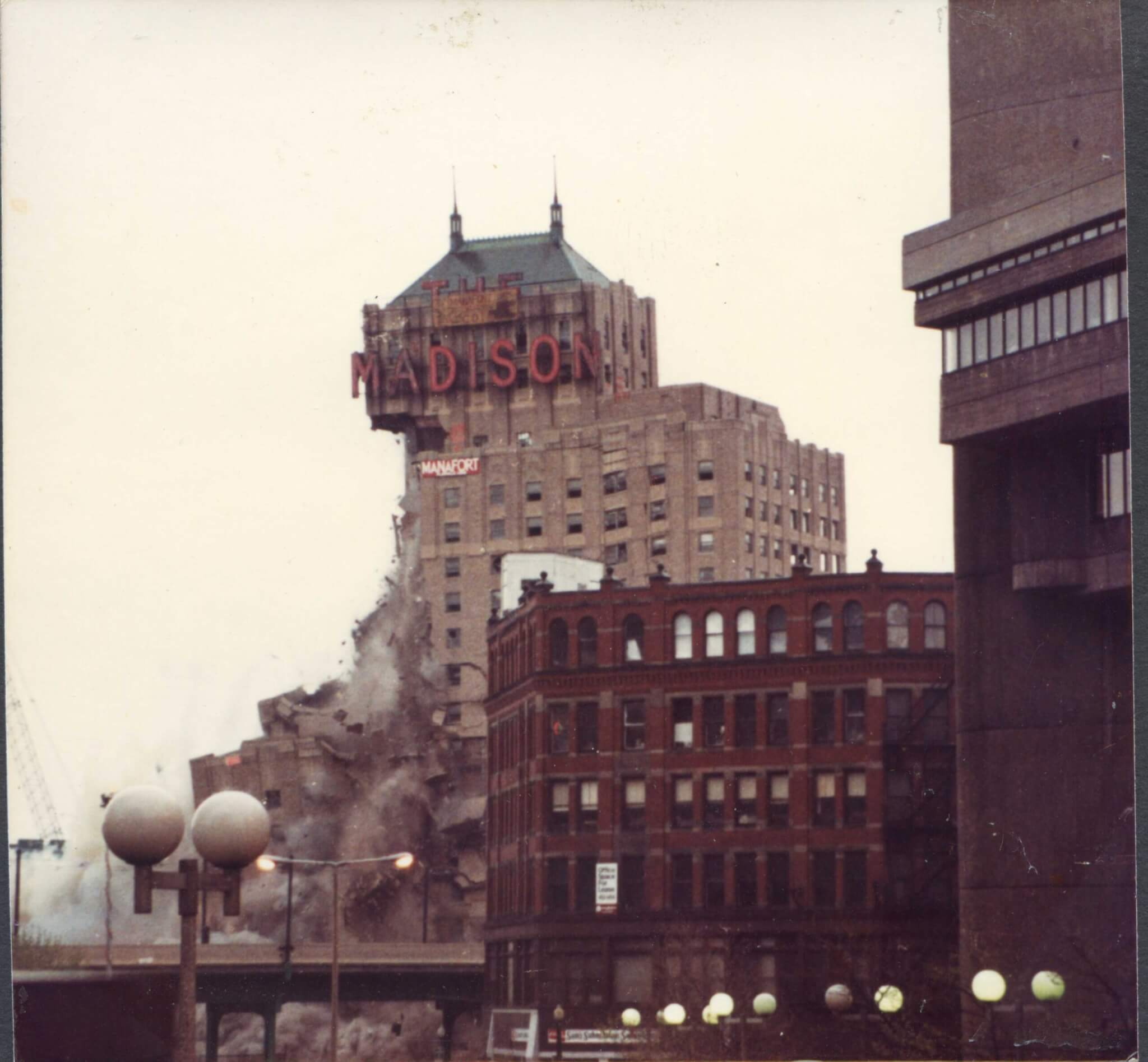
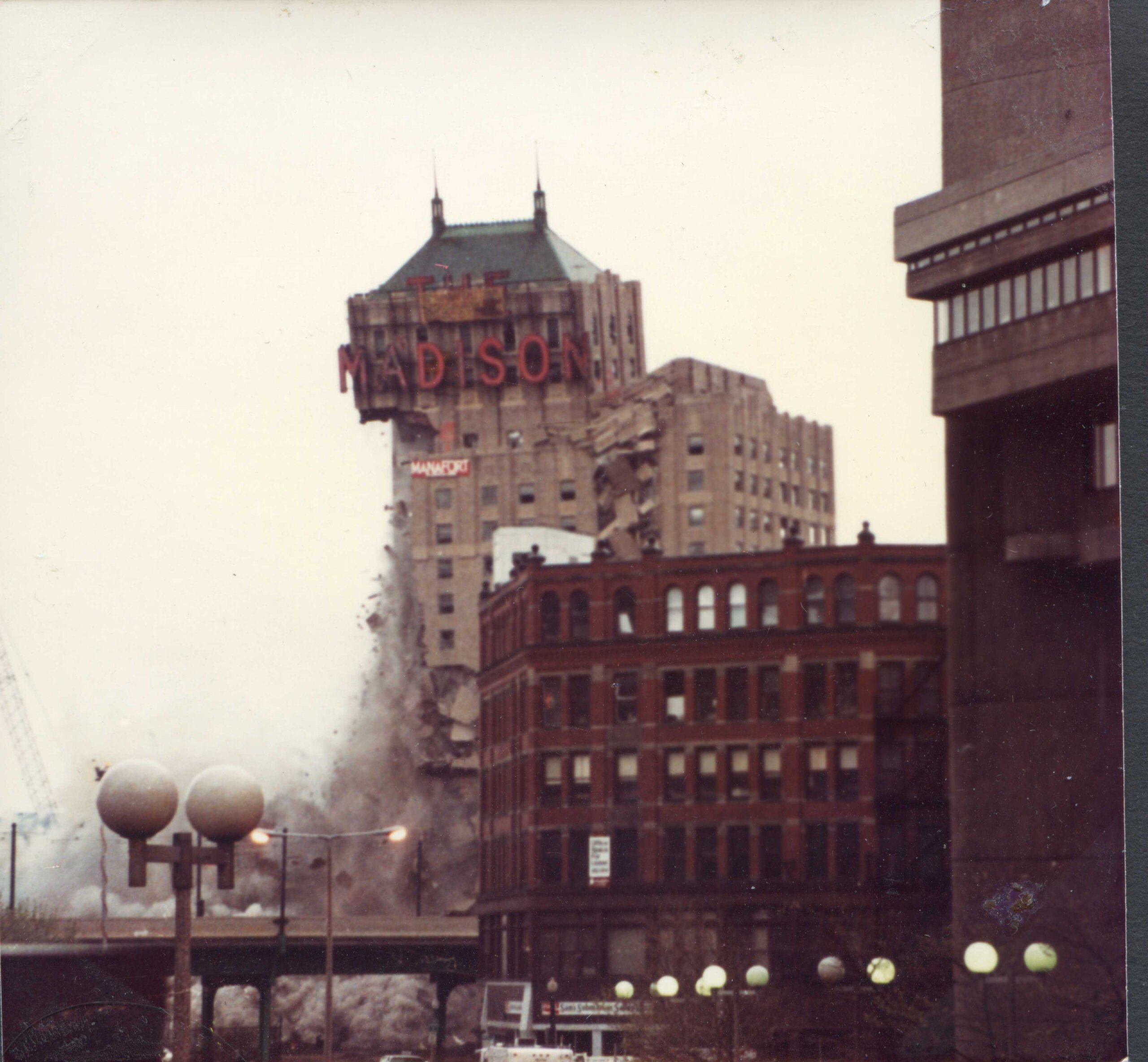
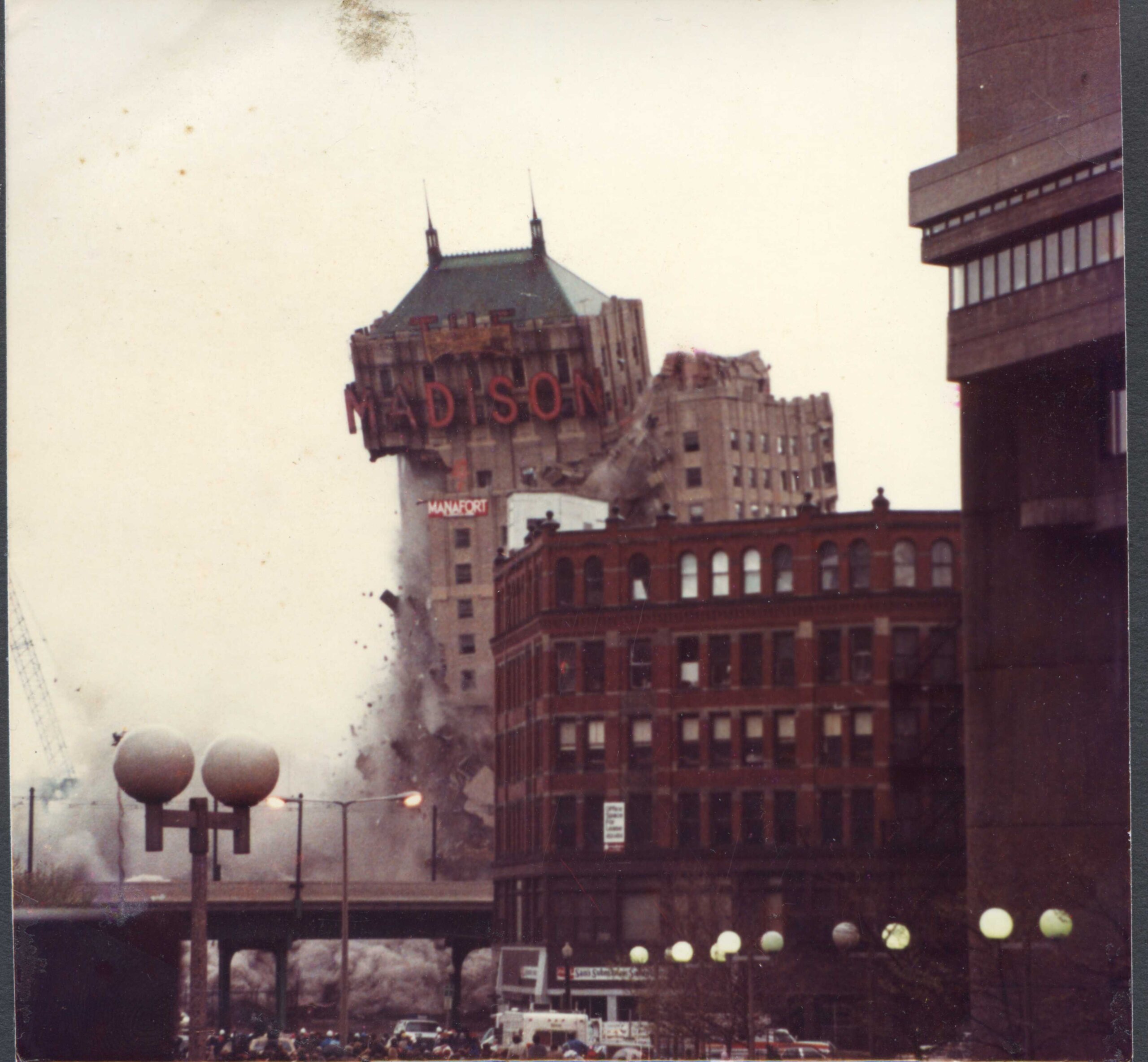
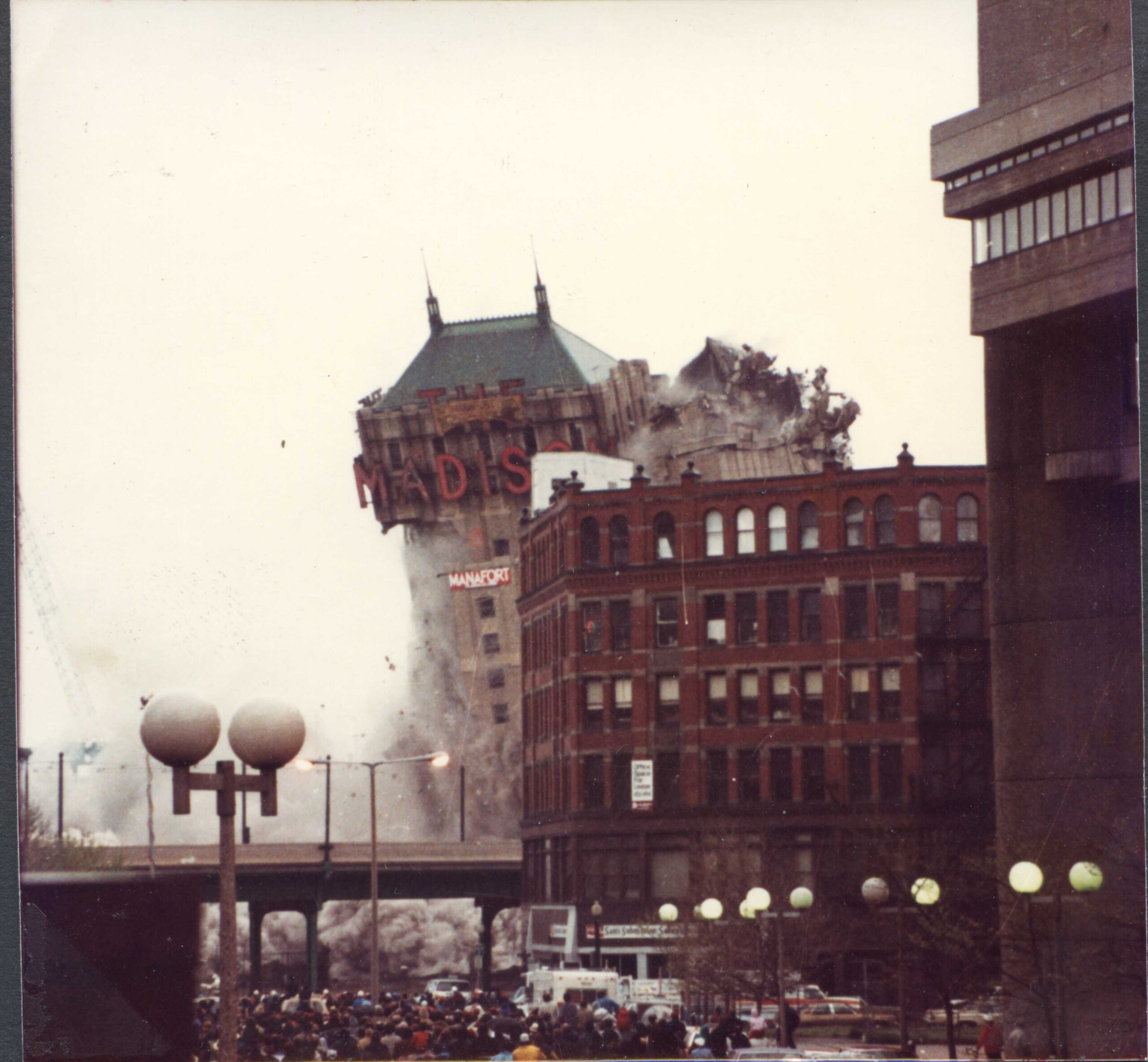
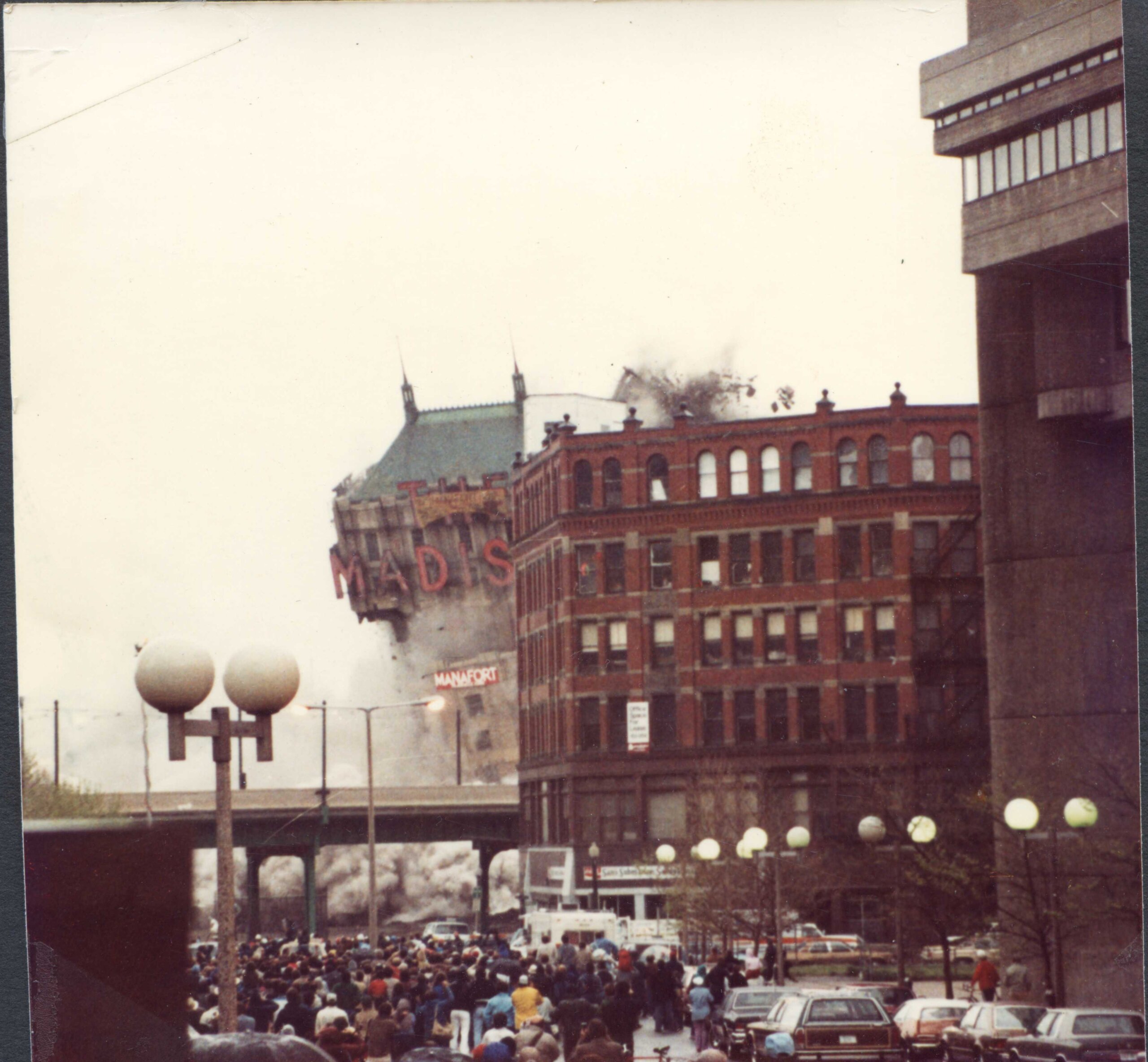
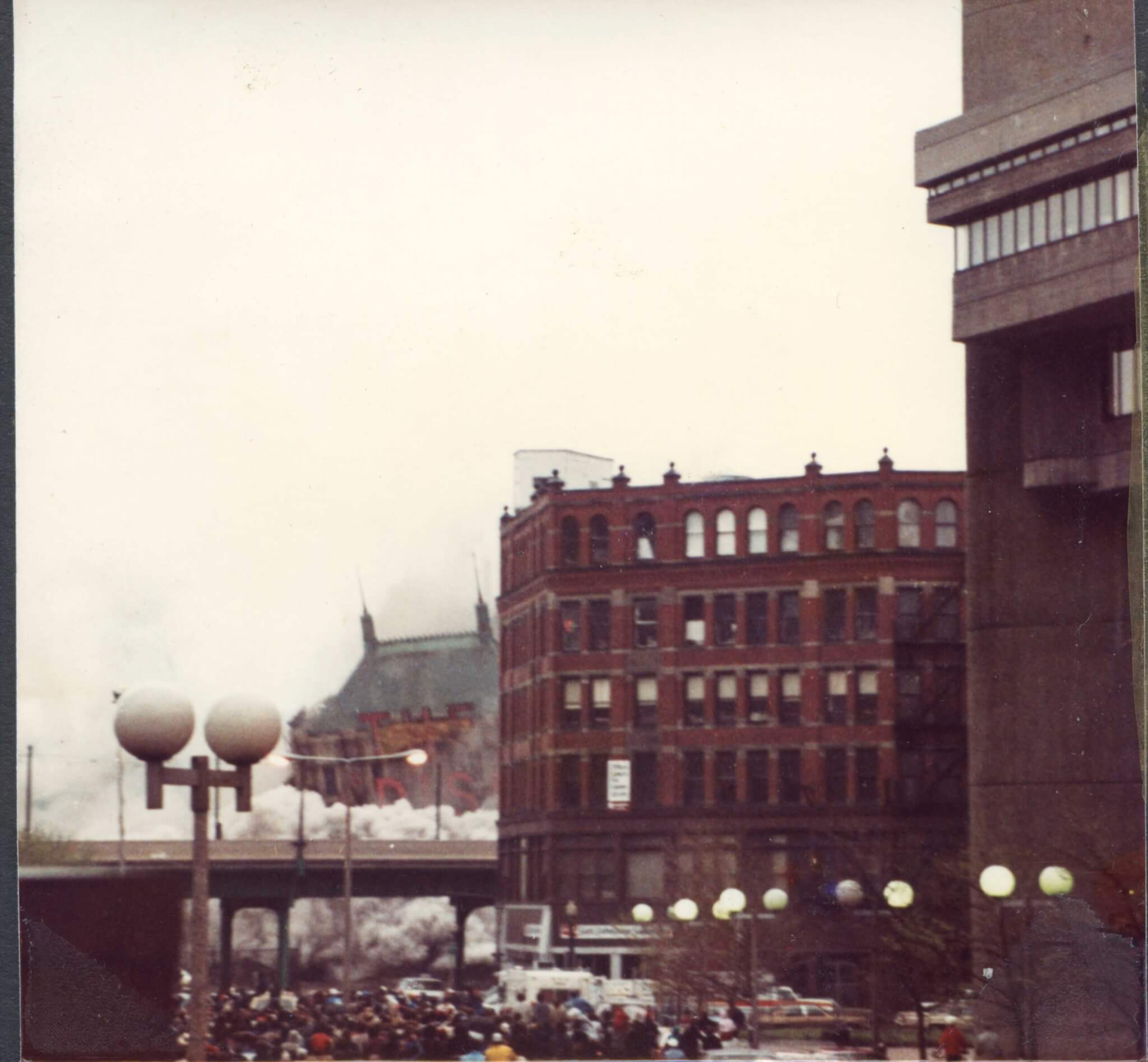
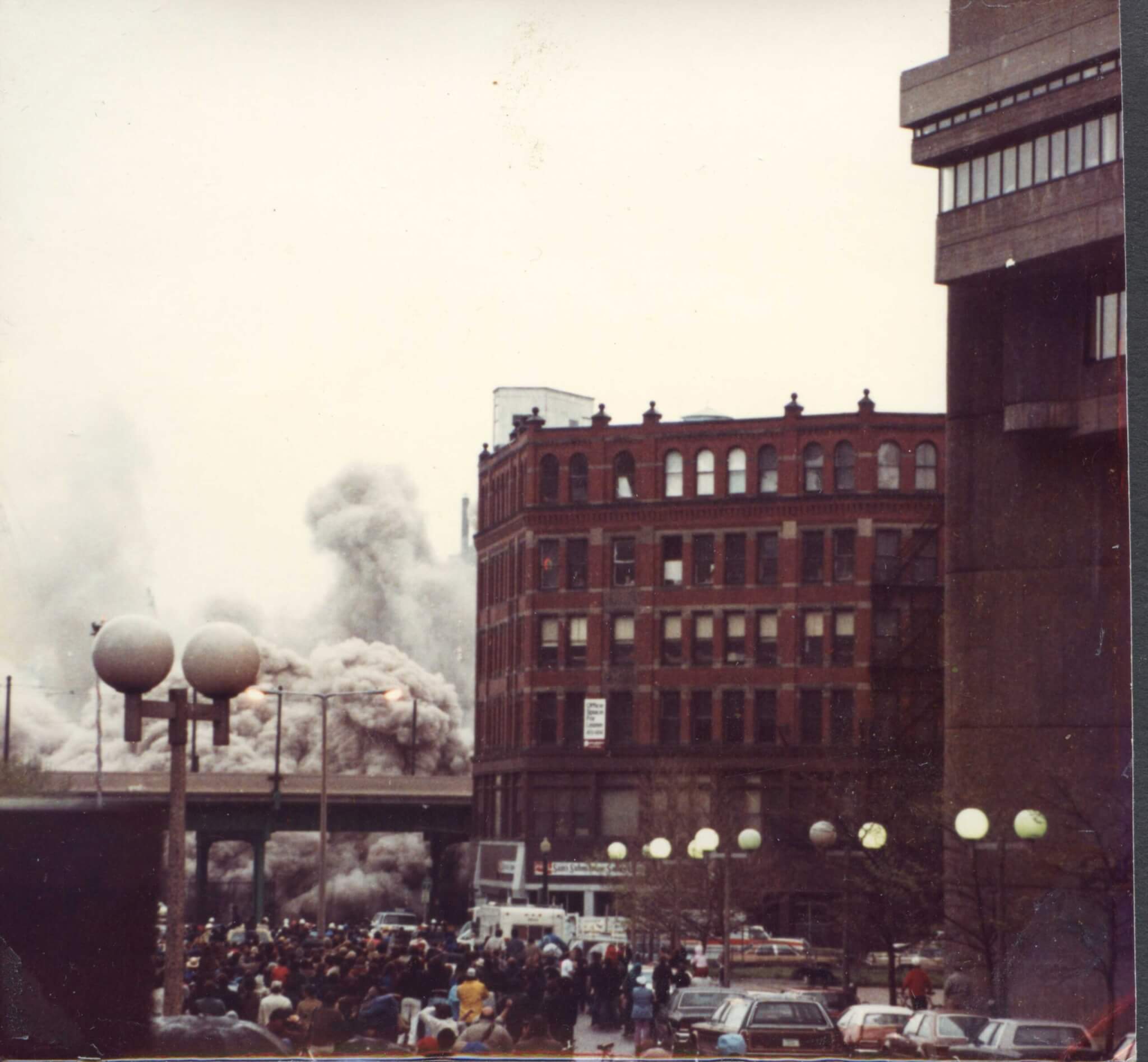
Photos of the implosion of the Hotel Madison in 1983. Photos by David Newcomb, donated by Joseph Saia (The West End Museum).
I used the apartment as my office and was comfortable having clients visit when necessary. For two years, the studio also housed my consulting business. Eventually, my life moved beyond that first apartment. For the next fourteen years, I lived in a Victorian house near Harvard Square in Cambridge. Next I lived in a three-story walk-up in the middle of Boston’s North End. Finally, it was a renovated two-bedroom brick warehouse in the Charlestown Navy Yard. I especially loved living in Navy Yard. But when the apartment was converted into a condominium, I realized I did not want to buy it.
I looked at many rental options before eventually returning to Longfellow Place and Apartment 817, another studio. What surprised me most was how well maintained and modern the building still felt after fourteen years away. Luckily, all of the furniture from the two-bedroom apartment, including pieces I had first bought in 1977, fit well into the studio apartment floor plan.
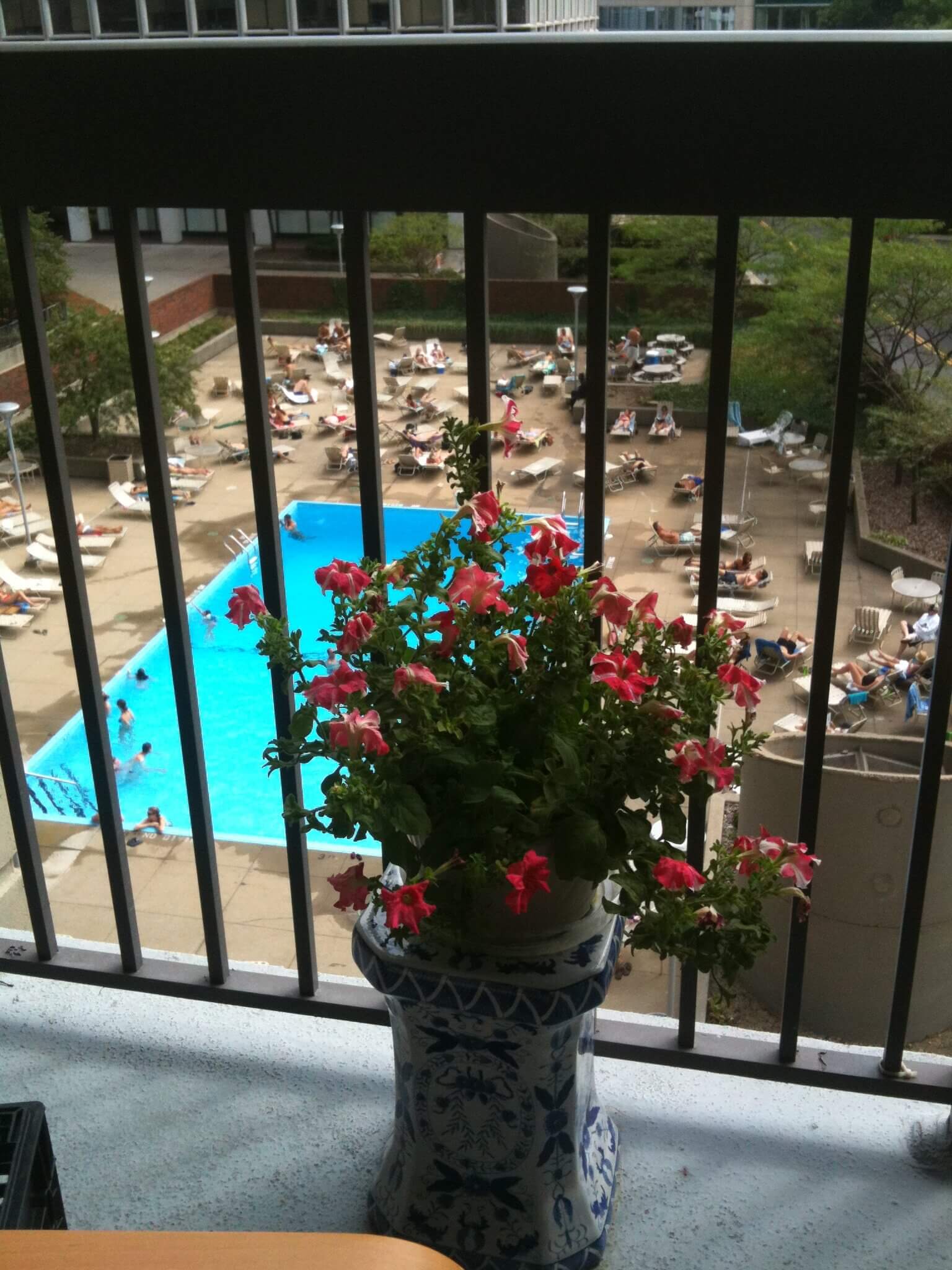
One of the things I especially valued about returning to Longfellow Place was the outdoor pool, open from Memorial Day through Labor Day. In the middle of the city, it felt like an oasis that I came to covet. I met many of my neighbors there over the years, and the pool became part of the rhythm of summer life at Longfellow. Every summer, a white squirrel—or perhaps generations of the same family—would appear on the pool deck. Some say the rare sightings were harbingers of good luck.
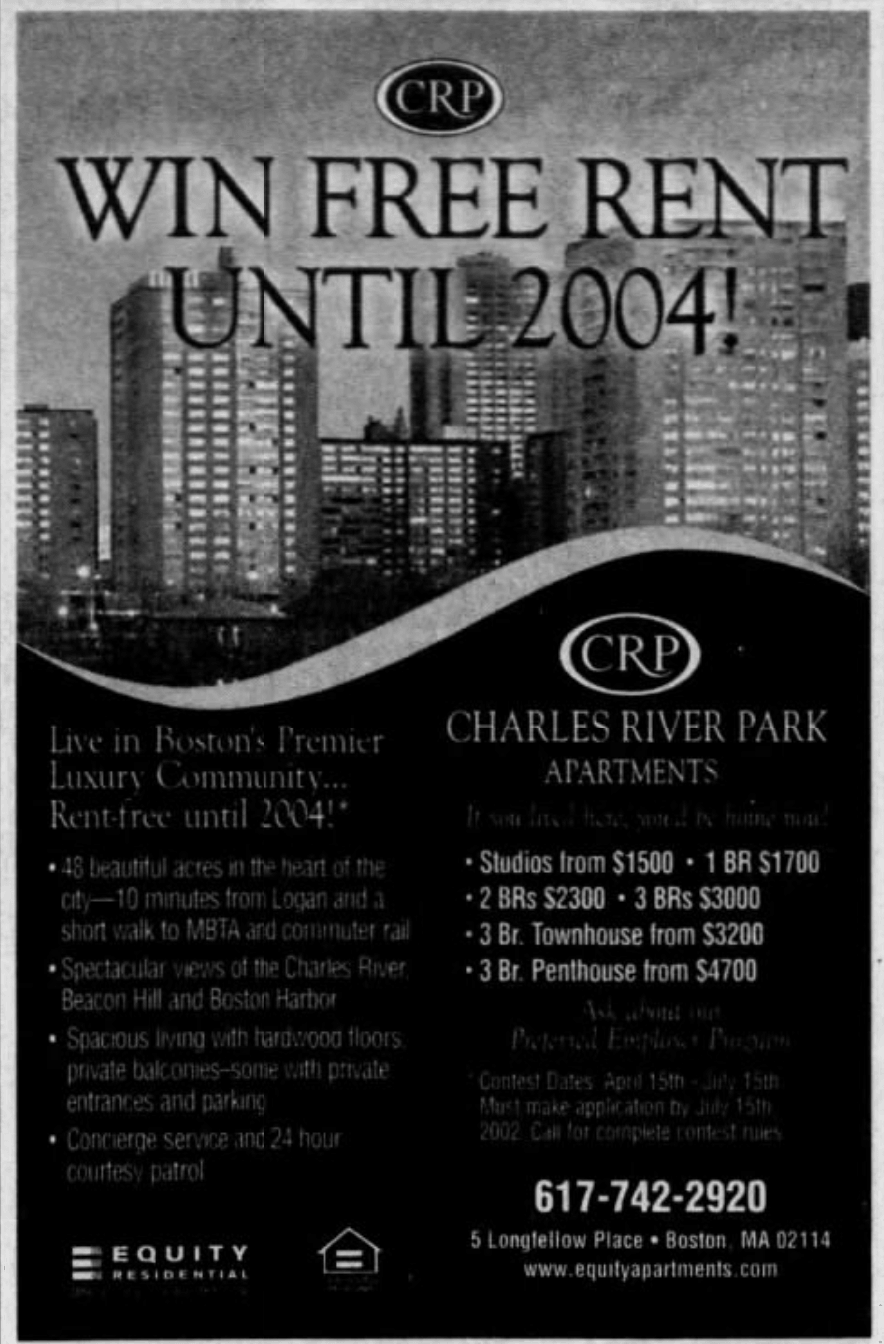
By 2010, I was ready to graduate to a one-bedroom apartment. I already knew there was a particular floor plan at Longfellow Place with four walk-in closets, along with a coat closet and a linen closet. This was something almost unheard of in a one bedroom apartment and there would be lots of space for my things. There was only one such apartment on each floor, and when one finally became available, I transferred to Apartment 622.
The balcony in Apartment 622, overlooking the pool, was twice the size of the studio balconies and offered a level of privacy I never had before. Because of its southern exposure, I was able to garden on the balcony. During the winter months my windowsills were like greenhouses with flourishing plants.
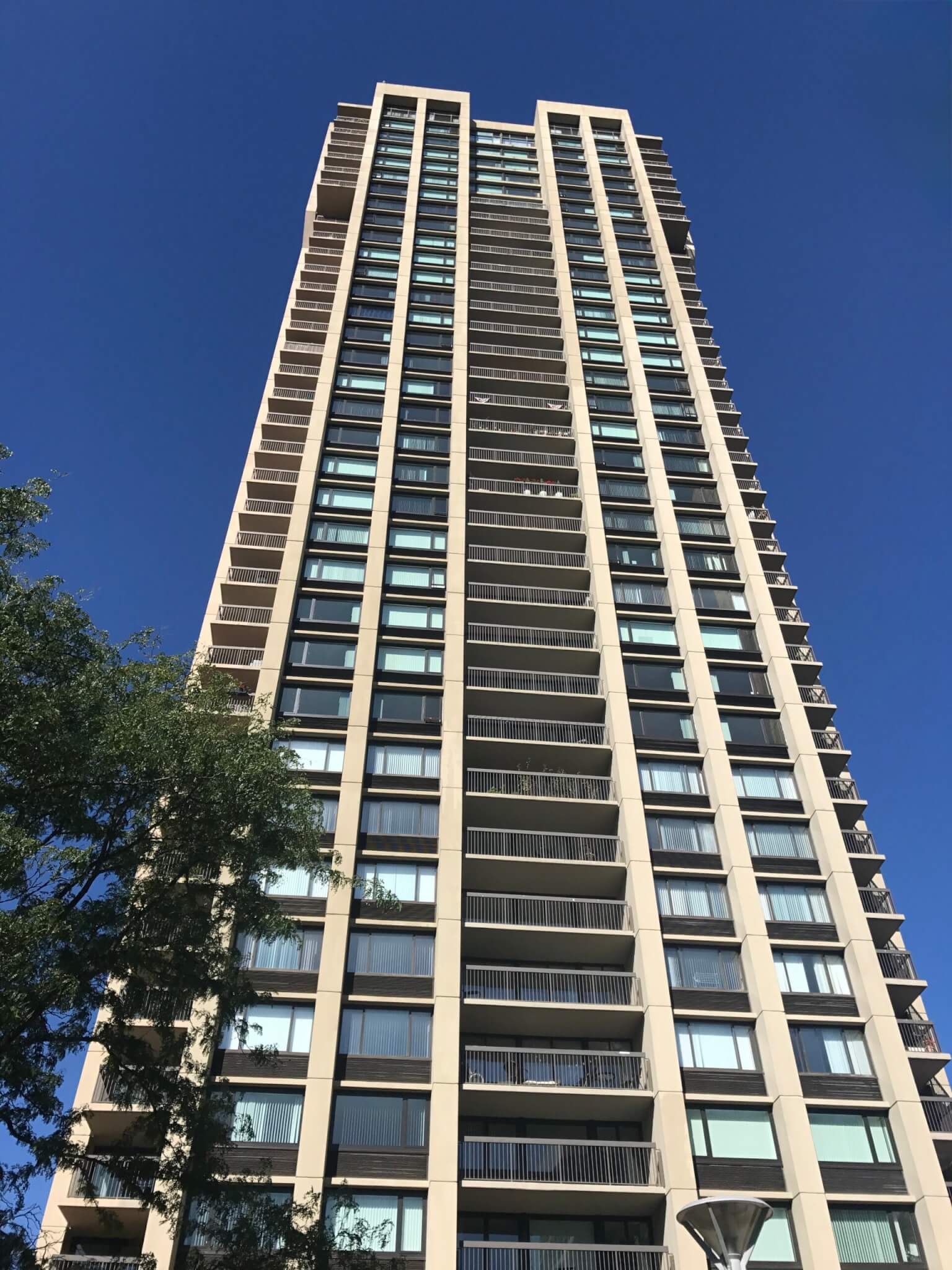
As I approached retirement age, I spent a great deal of time thinking about where and how I wanted to live the next chapter of my life. After consulting with financial and life planners, I realized I did not want to move to another state. I was happy with my apartment, my floor plan, and the lifestyle I had built at Longfellow Place within the city. The only thing missing was a view of the sky.
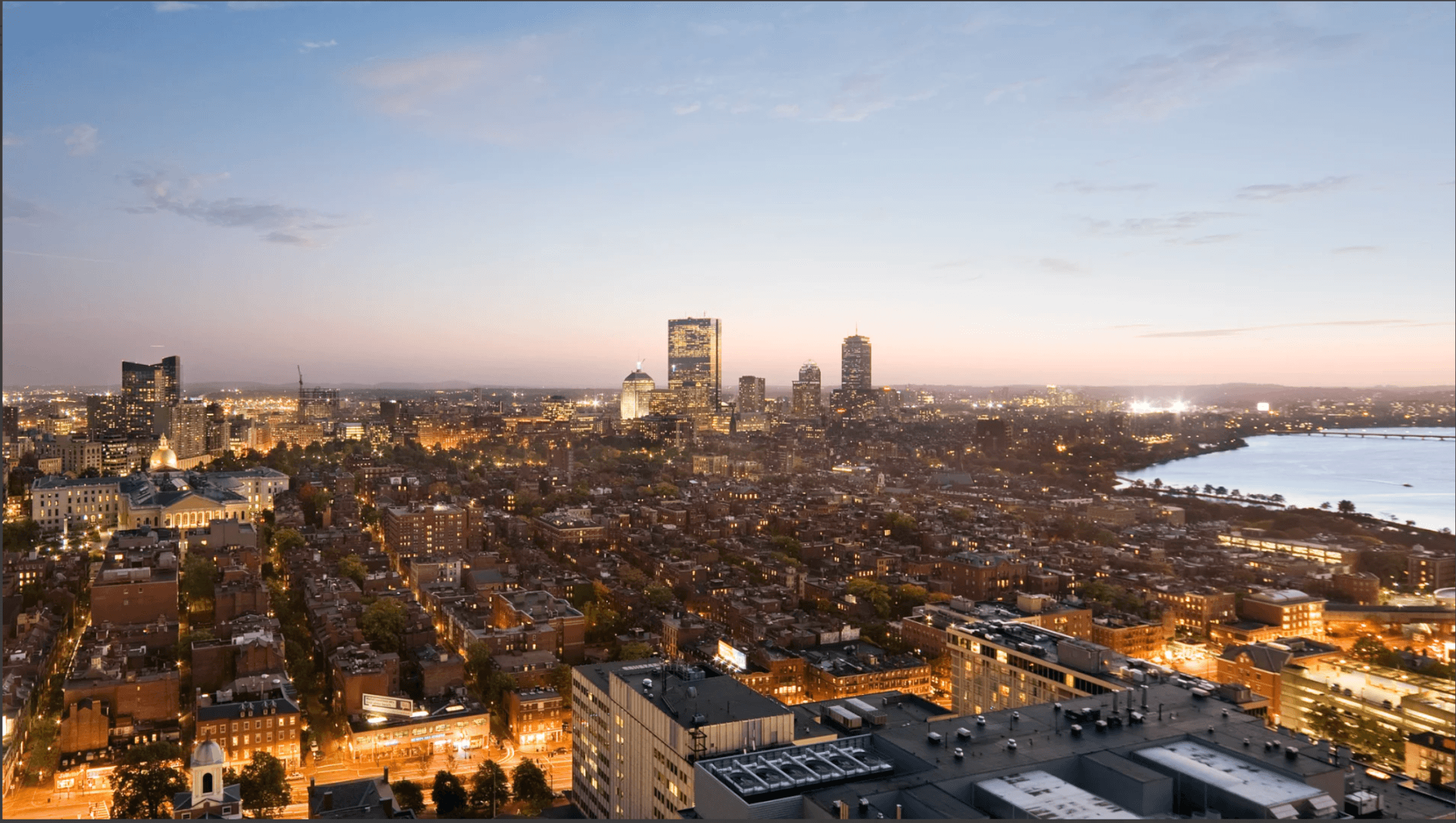
After a great deal of practical and financial deliberation, I chose to remain at Longfellow Place for the foreseeable future. However, I wanted an apartment with a broader horizon. From my current apartment, 2122, I not only found a view of the sky, but a sweeping view of Boston itself. I could see the back of the State House and Beacon Hill, the Back Bay skyline, Charles River, Boston University, and Mass General Hospital. And when I looked down, I could see the pool.
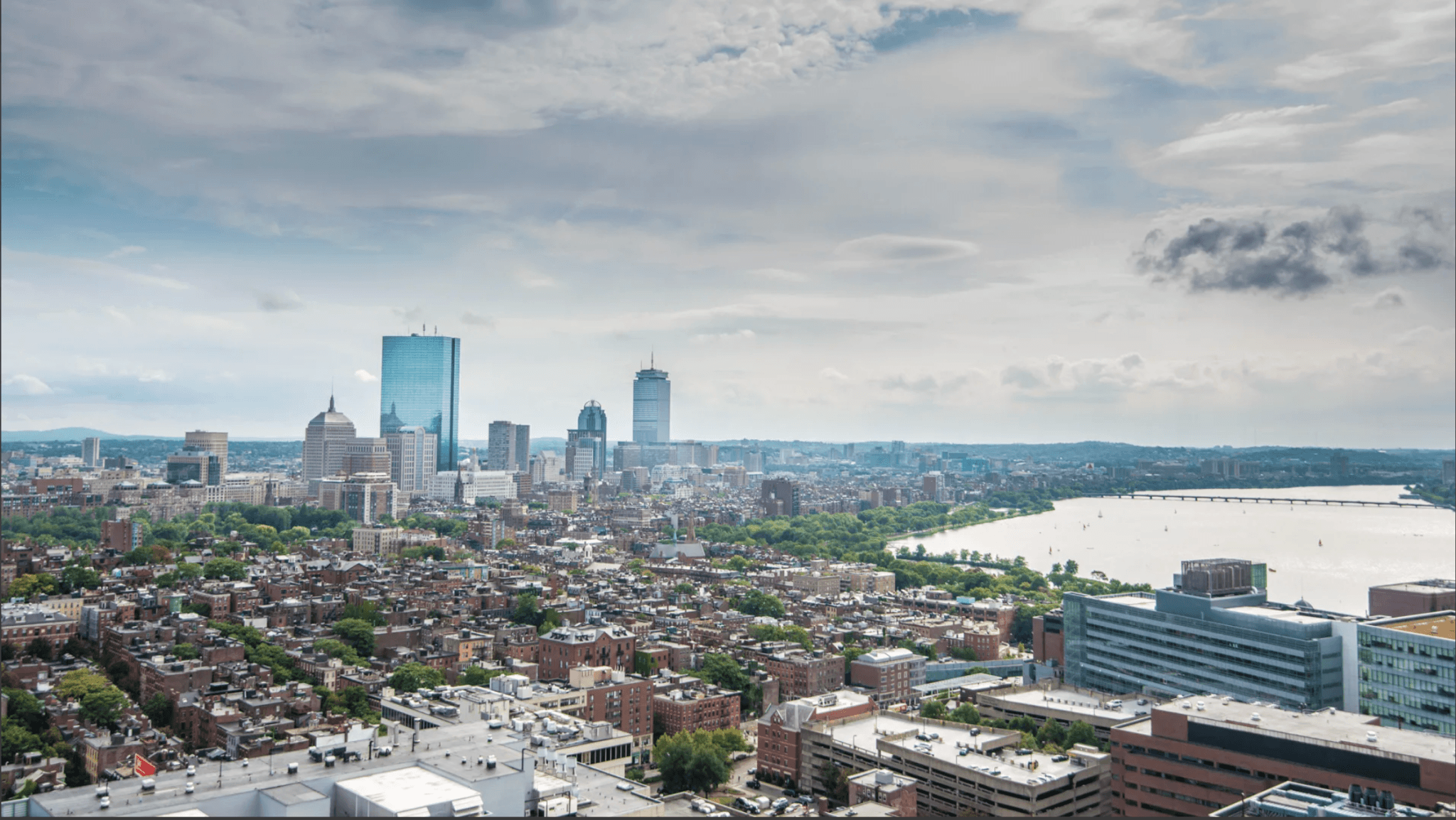
Because I planned for Apartment 2122 to be my forever home, I hired a painter so the walls were no longer stark white. The bedroom and foyer are sage green, and the living room and entrance are apricot. When the movers arrived, I instructed them to move each piece of furniture into the same relative position on the twenty-first-floor apartment as it had occupied on the sixth floor. I even told them to transfer each row of clothes from one closet directly into the next. It turned out to be an extraordinarily simple move. The movers tied up the bookcases and carried everything from one floor to another, and very little needed to be unpacked afterward.
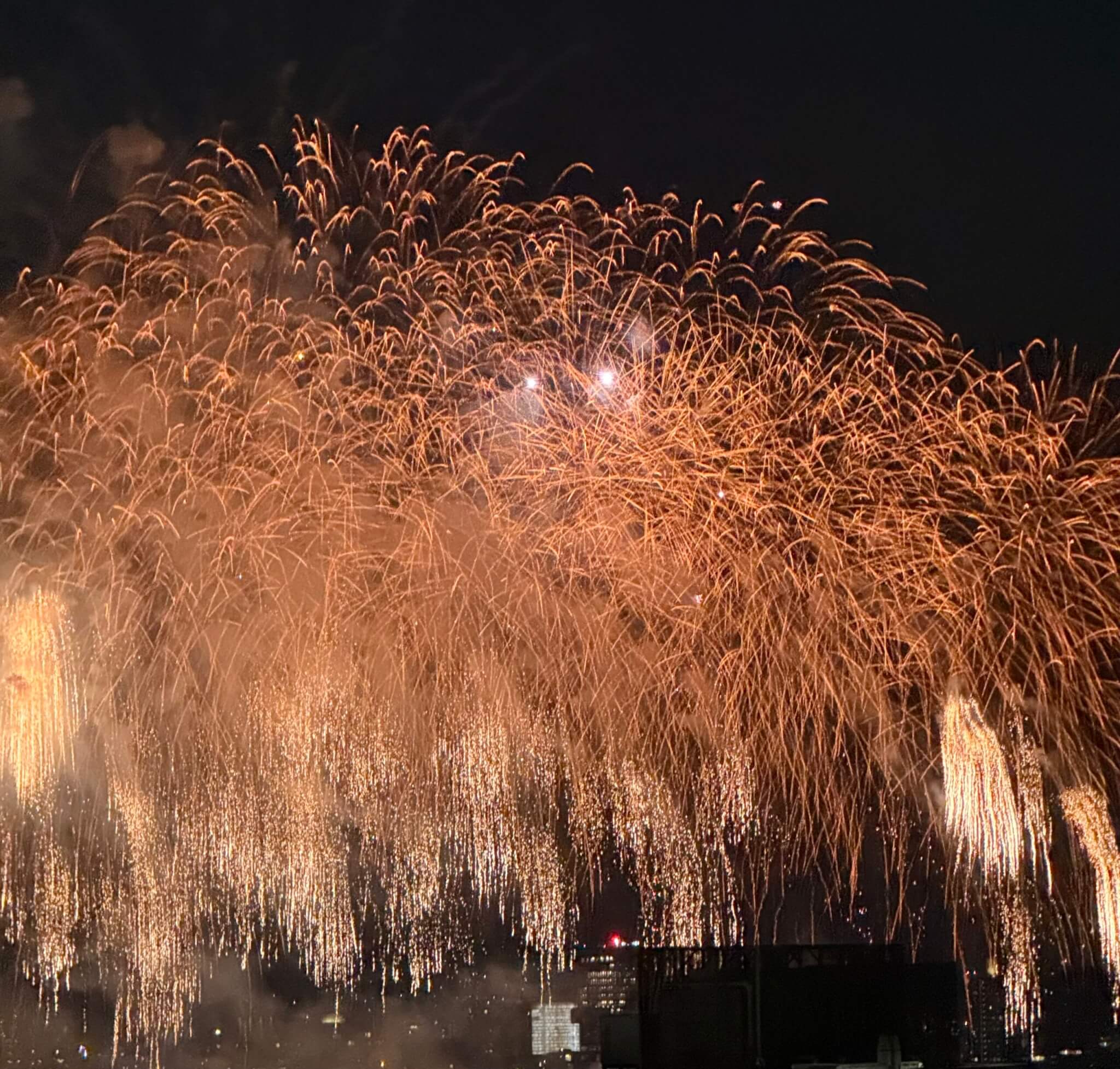
An unexpected benefit of living on the twenty-first floor was having a clear view of both the Fourth of July fireworks and the early evening New Year’s Eve fireworks launched for children from the Boston Common. From my balcony perch on the 21st floor, I found a level of contentment I had never expected from city living.
Apartment 2122 became more than simply a place to live. It became the platform from which I reinvented my life with intention. During COVID, the apartment sustained me as I volunteered, consulted through Zoom, and gardened on the balcony. It was the place I lived when I began volunteering in the neighborhood at the West End Museum.
I was initially drawn to the West End Museum because I wanted to volunteer locally and contribute to the community. But after meeting the staff and seeing how thoughtfully and professionally the Museum had been curated, I became deeply excited about being involved. I wanted to support what the Museum represented: honoring and preserving the stories of my neighborhood. The Museum’s mission resonated deeply with me. Documenting the lives of a neighborhood did not feel very different from reflecting on the objects and places that shaped my own memories.
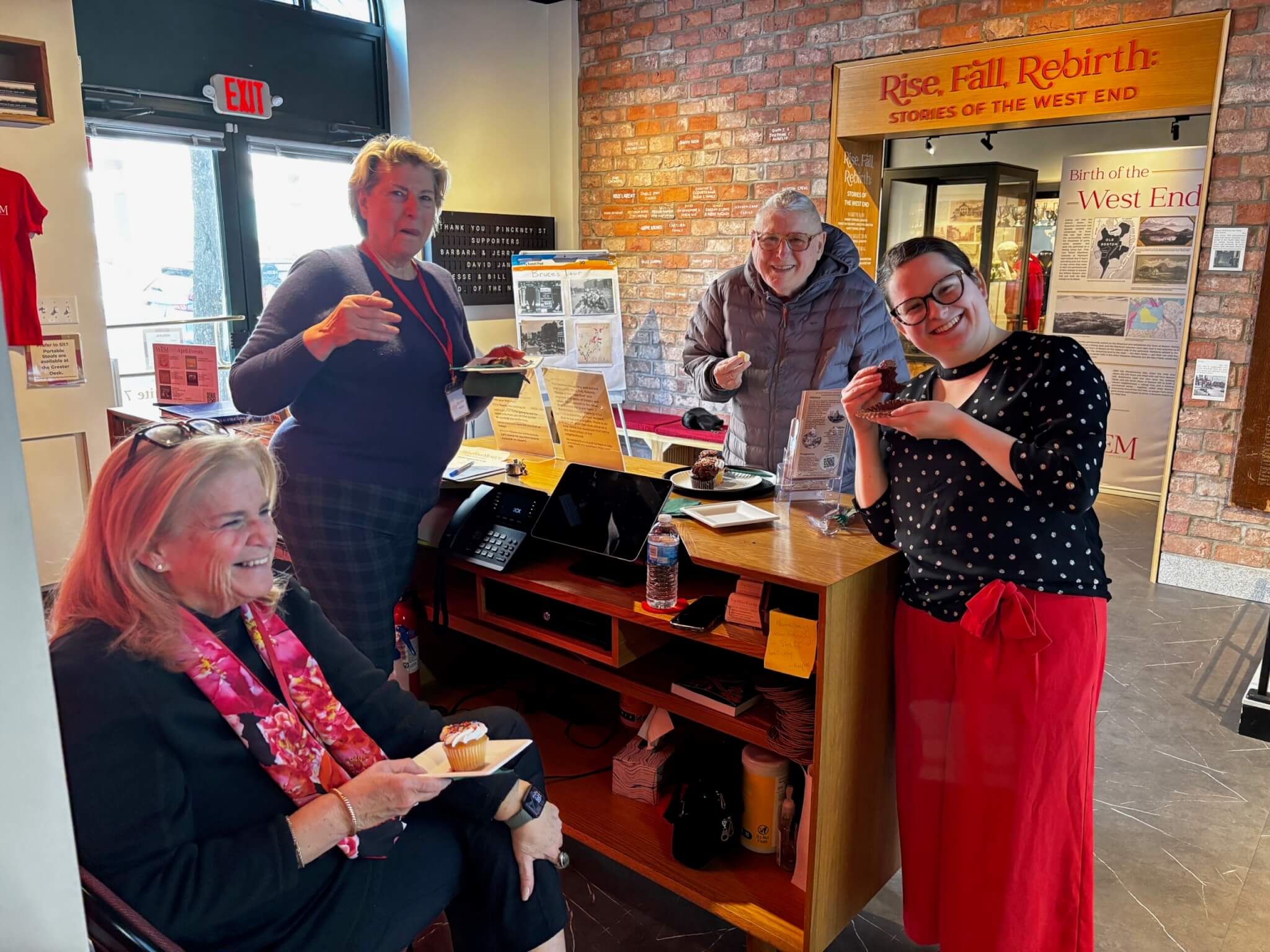
It took me decades to fully appreciate the layers of lives that had existed in the West End before mine. Eventually, the Museum even invited me to record my oral history as part of its collection. Over time, I came to understand that I had also become part of the neighborhood’s continuing history.
Article by Cindy Strousse, edited by Jaydie Halperin
Sources: Memories and Oral History of Cindy Strousse.
This reflection is part of a broader exploration that became Memoir of Things™—tracing the memories and meanings that remain.
Explore more at memoirofthings.com.