
Edmonia Lewis: Sculptor of Boston Abolitionists
Black and Ojibwe sculptor Edmonia Lewis began her career in Boston by sculpting many significant white abolitionists at the forefront of the movement. Over a several decade long career, Lewis countered racist prejudices with determined skill and creativity. Though she faded from art historical records for many decades, in recent years her contributions to the medium have begun to be celebrated again.
Mary Edmonia Lewis, most often called Edmonia, was one of the first American sculptors of both Black and Native American descent. Though there is little reliable information about her early years, Lewis was likely born in 1844 in upstate New York. Her father, Samuel Lewis, was a free Black man from the West Indies, most likely Haiti. Her mother was Black and Chippewa (also known as Ojibwe). Both of Lewis’ parents passed away by the time she was five years old. She lived with her mother’s family near Niagara Falls, New York. In 1859, Lewis attended Oberlin College. It was the first college in the United States to admit Black students and to grant bachelor’s degrees to female students. However, Lewis faced several racist incidents, including false accusations of theft and poisoning. This led to her leaving the school.
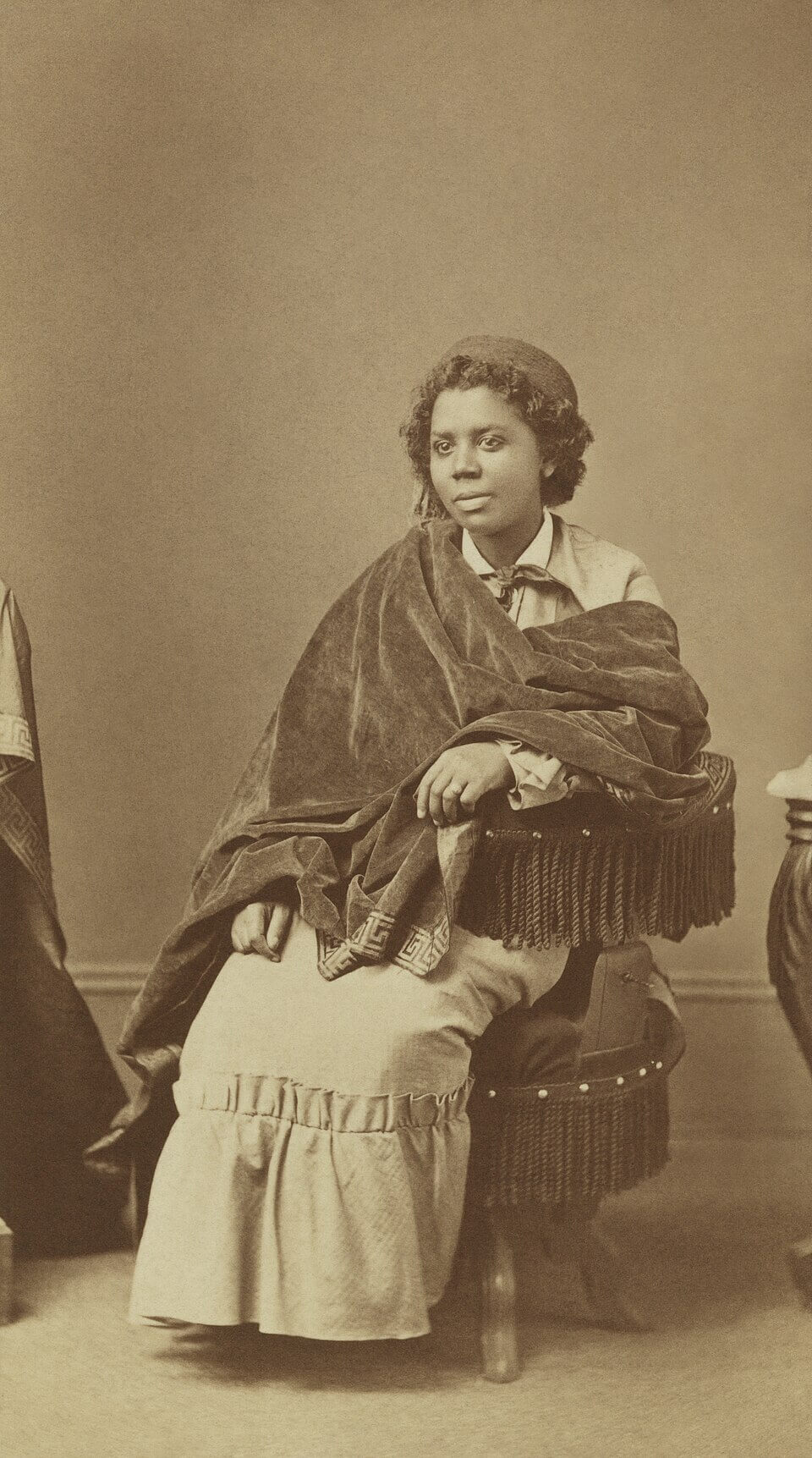
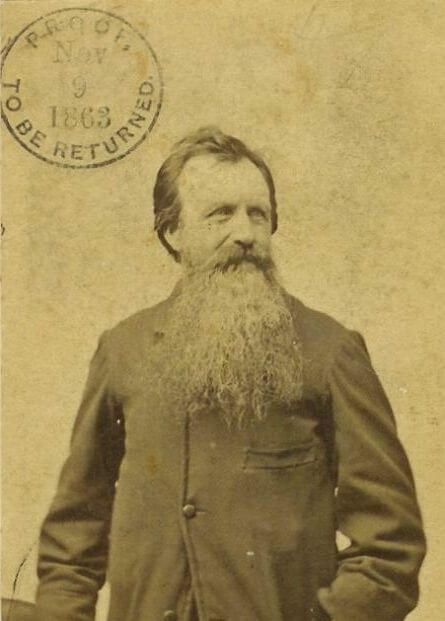
In 1863, Lewis moved to Boston to study sculpture. Unsurprisingly, she also experienced racial and gender barriers to furthering her artistic education. Eventually, sculptor and abolitionist Edward A. Brackett recognized her talent and accepted her as an apprentice. Lewis’ works were influenced by her Native heritage, the Bible, literature, and mythology. However, a recurring theme and inspiration in her career is the abolitionist movement. Her years in Boston established her ties to the local abolitionist community. Many of her friends and subjects were prominent figures in this movement during and after the American Civil War.
Lewis worked and most likely lived out of her studio, located at 120 Tremont Street in Downtown Boston. Today the site is the location of Suffolk University Law School. While there, she made strong connections with notable abolitionists from the city at large, Beacon Hill, and the West End. Lewis was herself a key figure in preserving the image of the anti-slavery movement. She supported and immortalized abolitionists’ great efforts through her art.
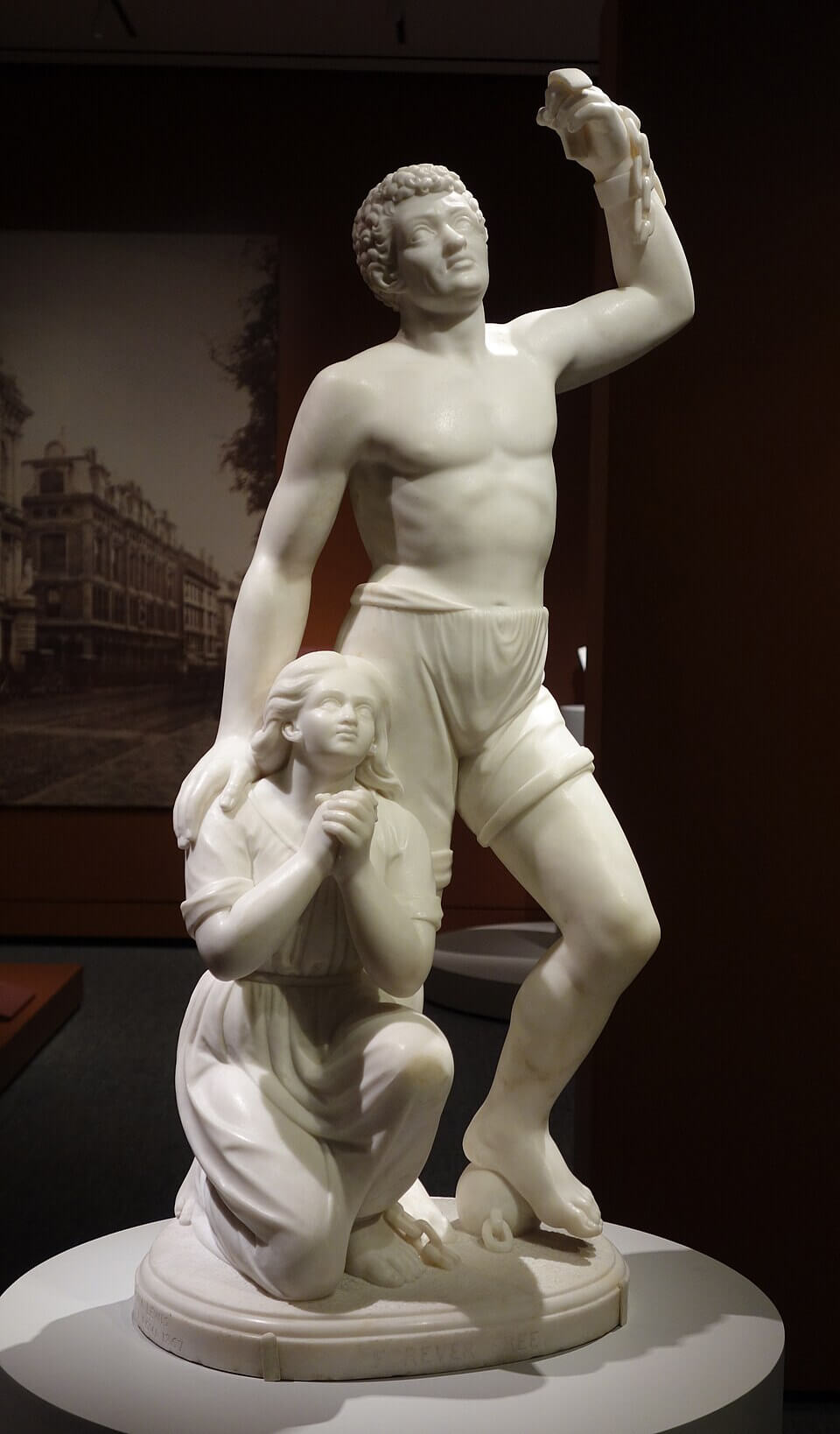
One of her earliest works was a marble bust of Colonel Robert Gould Shaw (1864). Shaw was the commander of the 54th Massachusetts Infantry Regiment, the second all-Black troop to fight for the Union army in the Civil War. Shaw had died along with many of his men at the Second Battle of Fort Wagner in July 1863. Lewis based the bust on a photograph she borrowed from Lydia Maria Child, another local abolitionist. Despite Child’s concerns that Lewis was too inexperienced to create a true likeness of Shaw, her sculpture was both delicate and accurate. This early work was Lewis’ first commercial success.
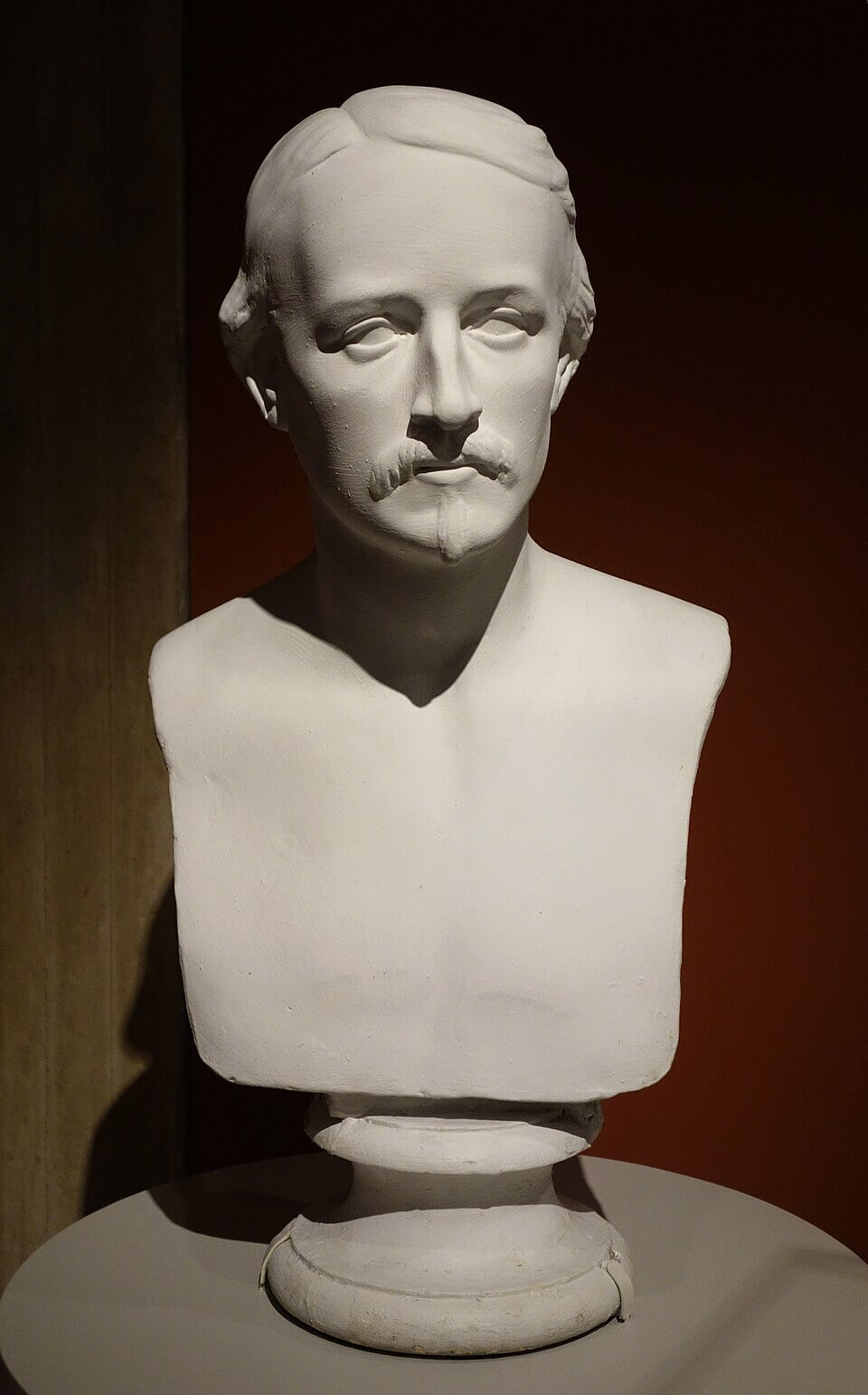
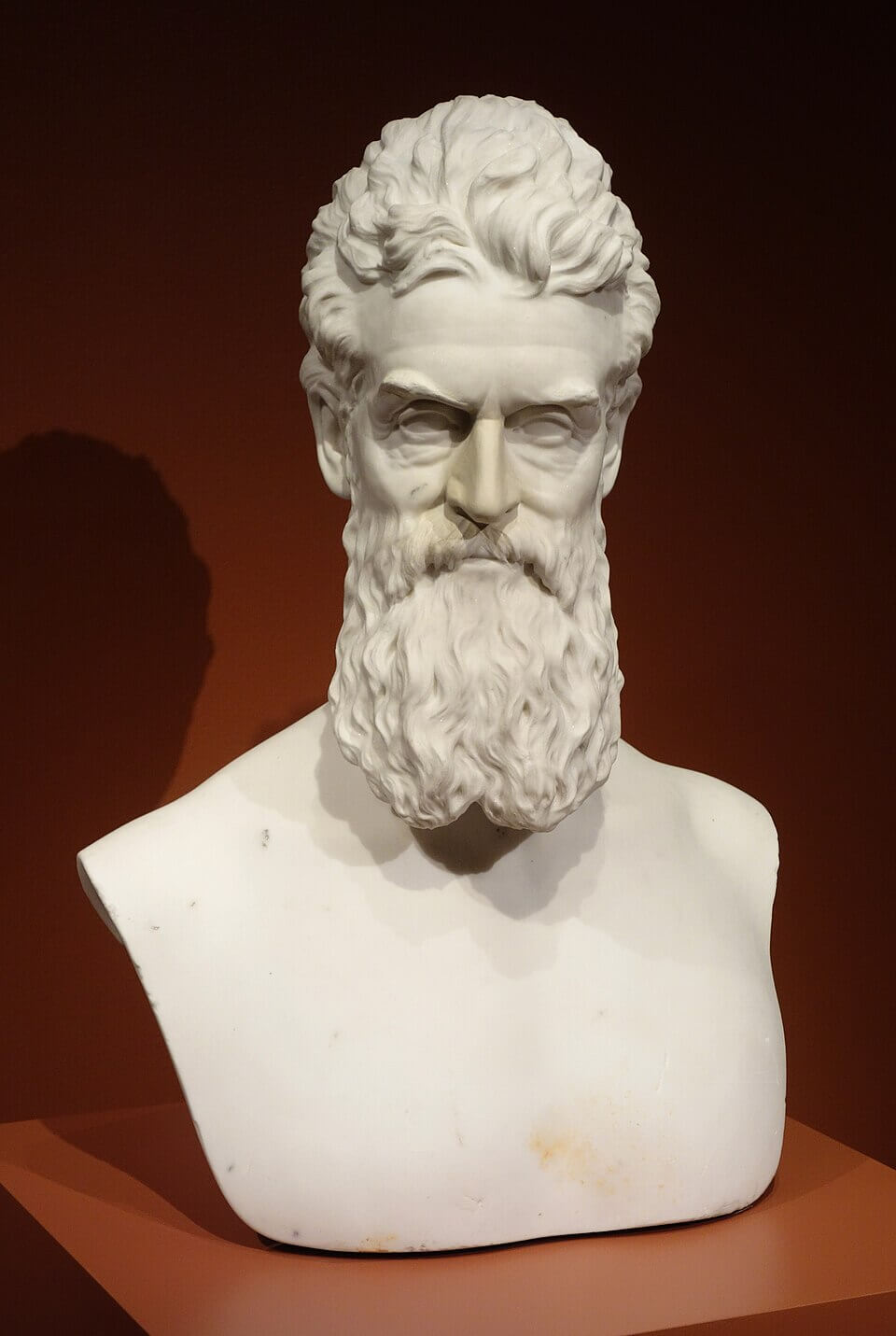
Lewis sculpted commemorative medallions (1864-65) and a bust (1876) to honor John Brown, an unapologetic abolitionist and martyr to the cause of ending slavery. Brown staged a raid of a federal armory at Harpers Ferry, Virginia in 1859, with the goal of starting a slave rebellion in the Southern states. Some of Brown’s planning for this historic raid occurred at the home of Lewis and Harriet Hayden on the North Slope of Beacon Hill. Lewis also tackled a bust of Charles Sumner, statesman and strong advocate of Black civil rights. Sumner, a powerful voice among the liberal Republicans, lived for many years on Beacon Hill. He was in the U.S. Senate in 1856 when he was savagely beaten by a pro-slavery representative. This attack on the floor of the Senate was a significant event in the lead up to the Civil War. In 1875, Lewis’s bust of Sumner was presented to the AME Church in Albany, New York. Around 1866, Lewis sculpted a bust of William Lloyd Garrison, the publisher of The Liberator, one of the most prominent anti-slavery newspapers in the country. The bust paid tribute to his powerful contributions to the movement.
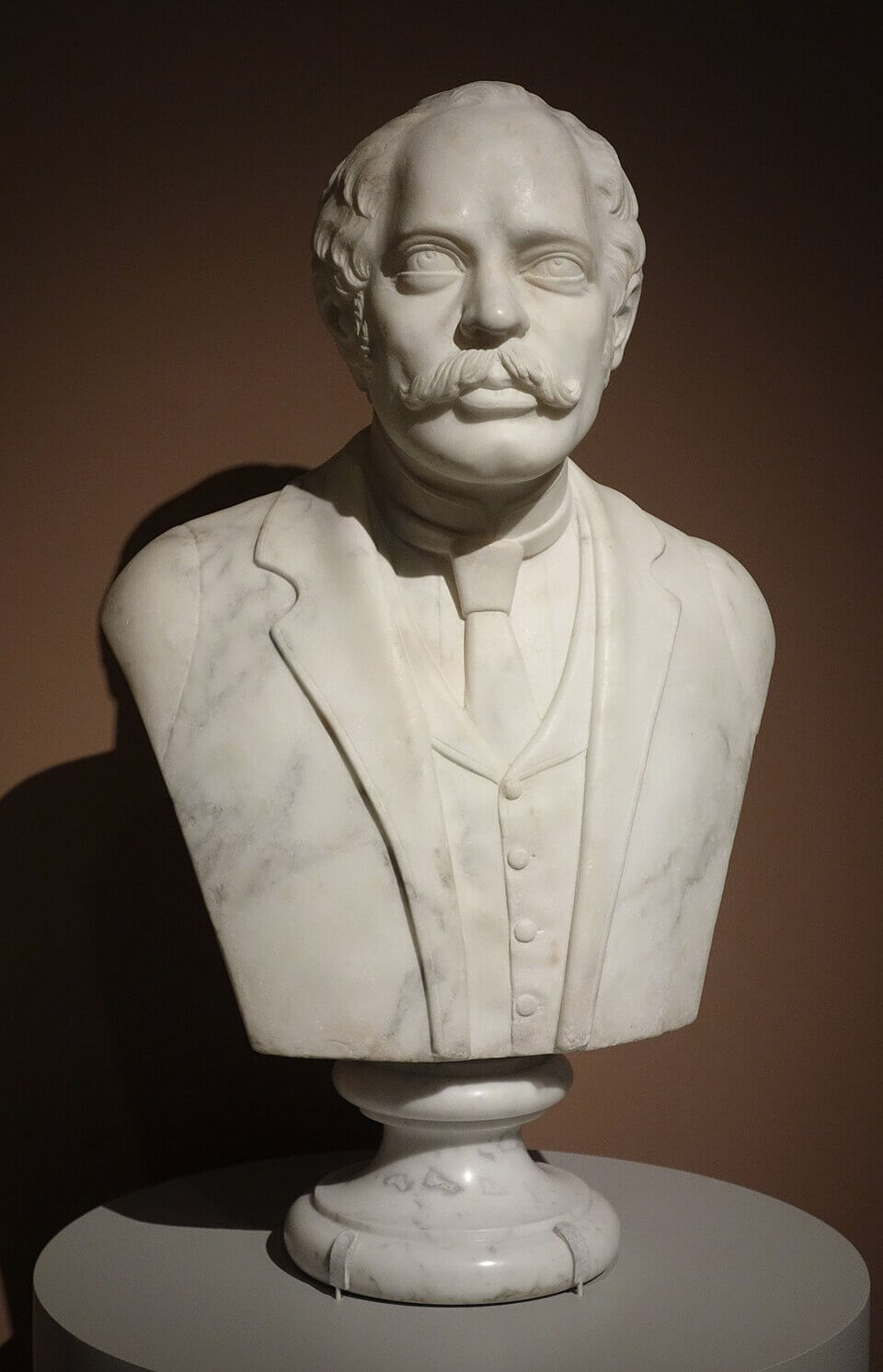
Lewis was also connected to many Black intellectuals and activists, including Christiana Bannister. She led the Colored Ladies’ Sanitary Commission of Boston and the Bannister family owned a hair salon in Boston. This was a culturally and symbolically significant business for the Black community as a place where customers could pursue self-expression apart from white beauty standards. Lewis sculpted several prominent white women in the abolitionist movement and supporters of Black civil rights such as Maria Weston Chapman and Ednah Dow Littlehale Cheney.
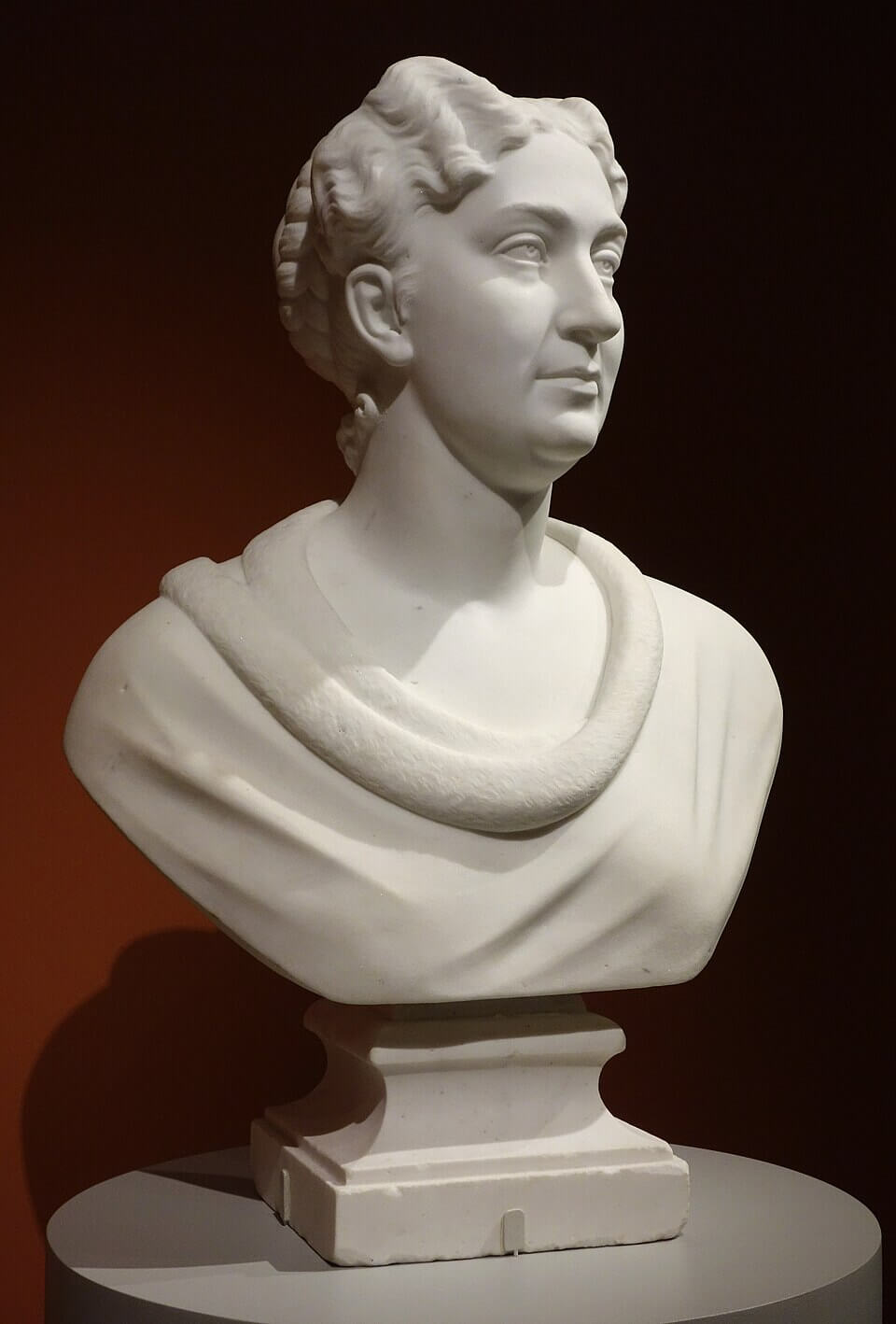
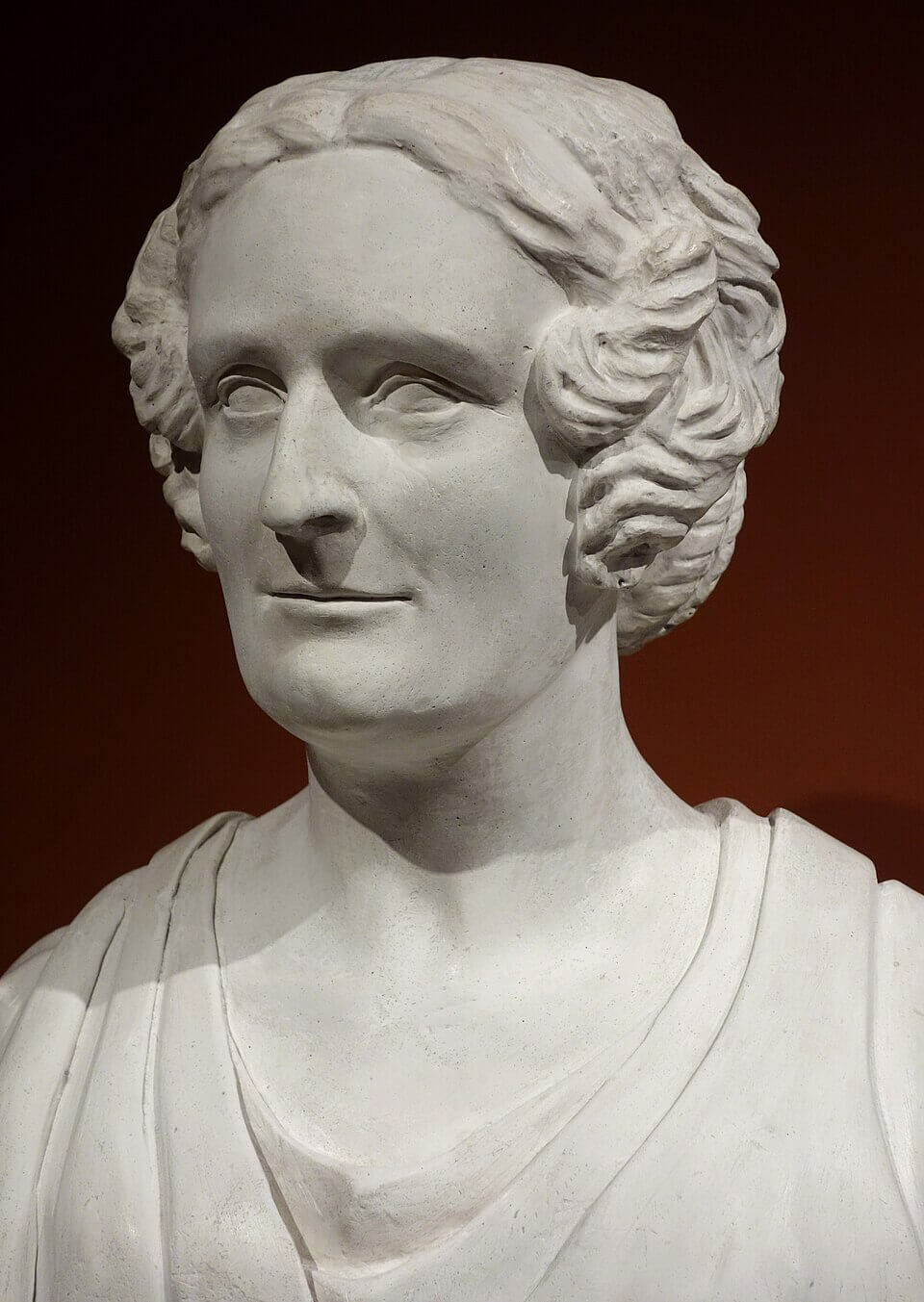
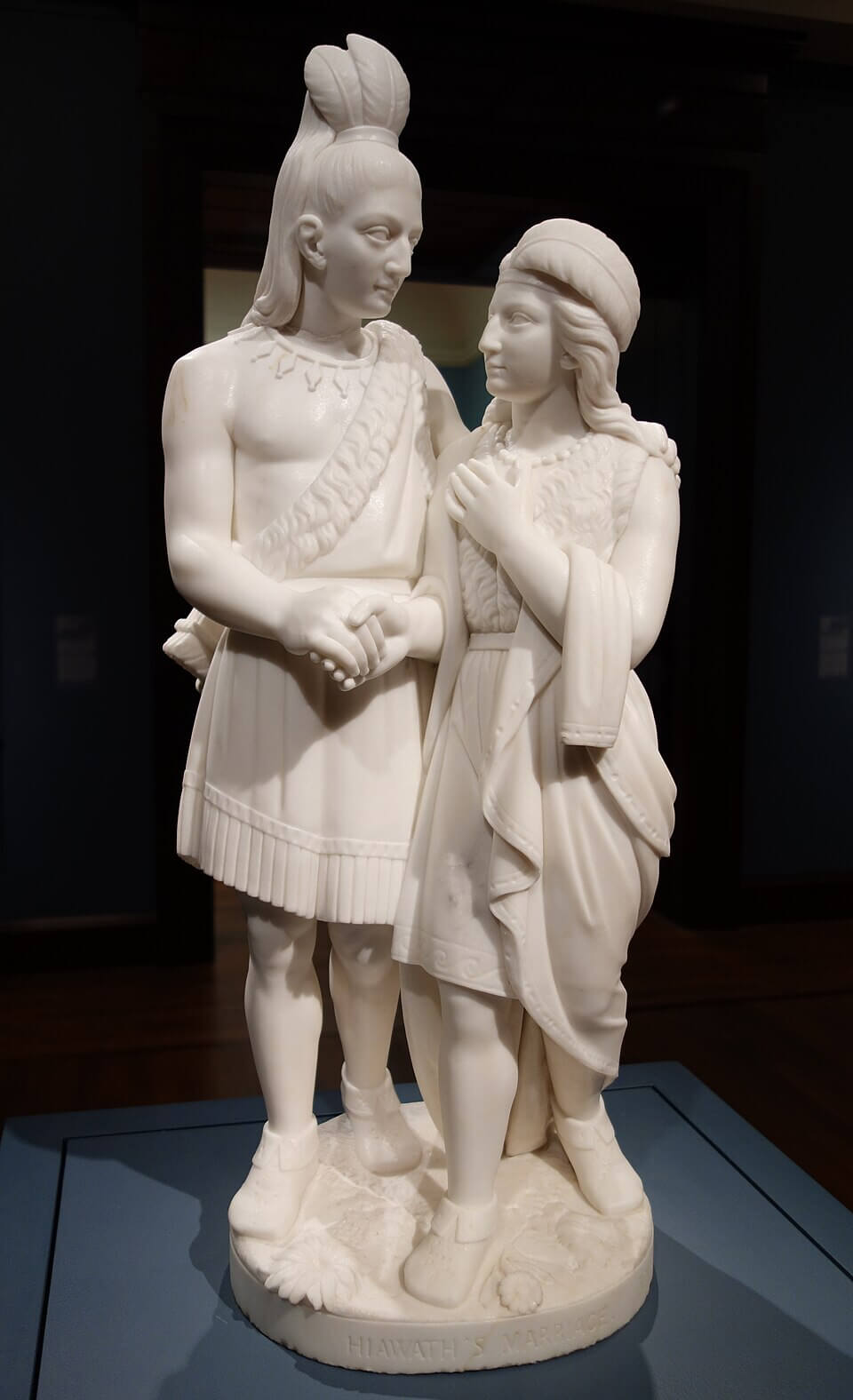
Besides portraiture, Lewis sculpted figures from ancient mythology and contemporary literature. She made several busts and full statues of key figures from Henry Wadsworth Longfellow’s 1855 poem, The Song of Hiawatha as well as Longfellow himself. Her series included Hiawatha (1868), Minnehana (1868), and Hiawatha’s Marriage (1871). Longfellow was a poet with a successful career and a dedicated activist. His Poems on Slavery shed light on the cruel nature of enslavement. Longfellow’s late wife, Frances Appleton, had lived on Beacon Hill during their courtship. Longfellow would travel across the bridge that now bears his name to visit her. She was not only his life partner, but also his partner in shared intellectual pursuits.
Lewis’s commercial successes in Boston funded her move to Italy in 1865. She spent most of her time in Italy, first going to Florence and eventually settling in Rome. In Rome, Lewis further improved her sculpting skills. She joined a community of expatriate American and British sculptors and abolitionists. This community included Anne Whitney, a poet, sculptor and abolitionist who supported women’s rights. Lewis also met Emma Stebbins, a painter and sculptor, and her partner, Charlotte Cushman. The latter was an actress from Boston who was known for her skills in playing both male and female roles. Both women admired and promoted Lewis’s works.
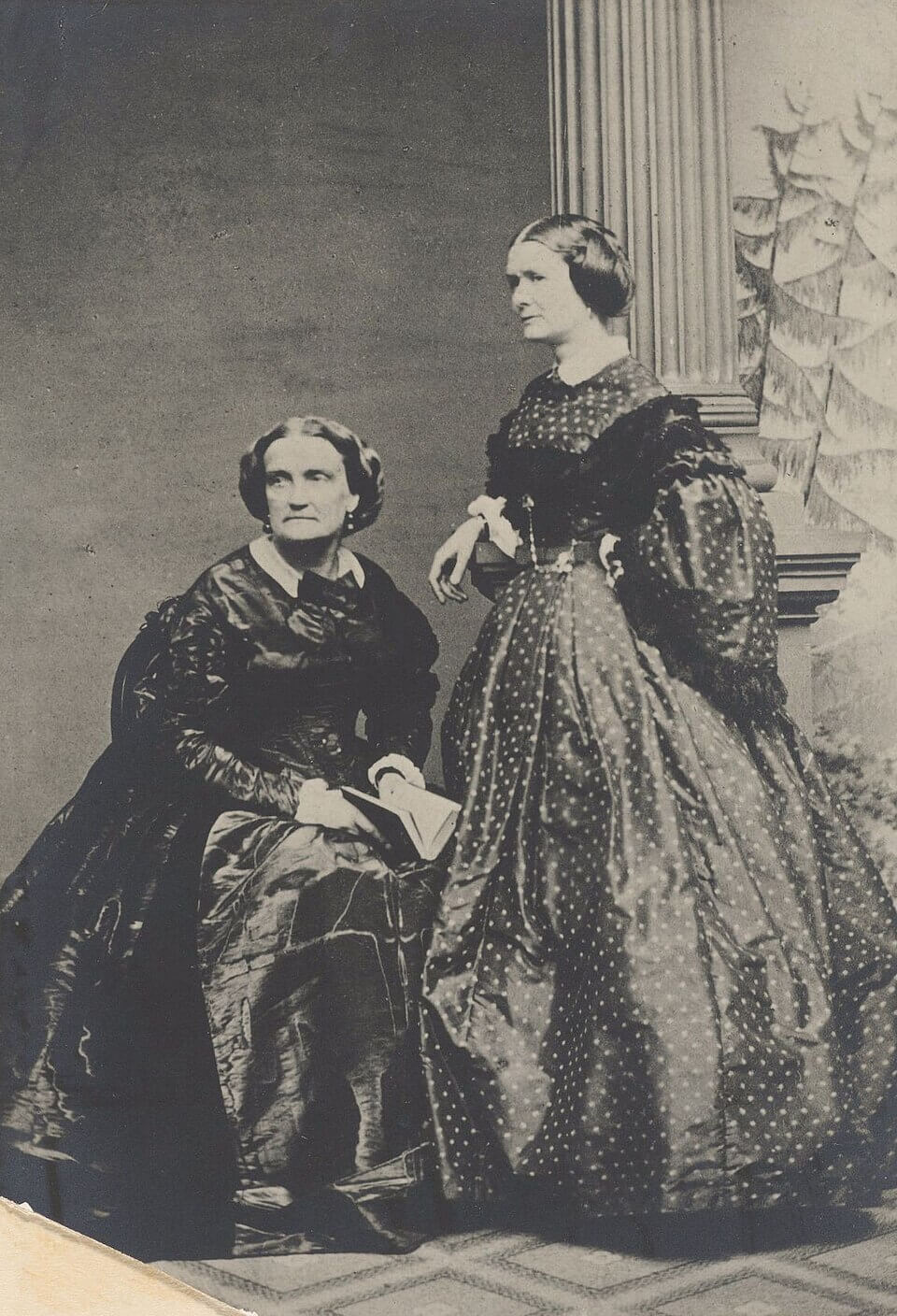
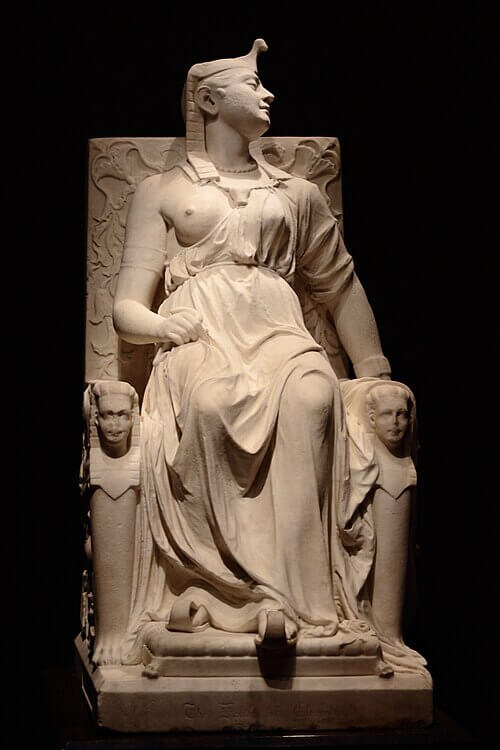
By her later years, Lewis was well known. She was often accused of being a fraud due to racism against her Black and Indigenous heritage. To combat this accusation she carved her sculptures without the help of assistants, as was the common practice. Tourists would crowd around her studio as she publicly wielded a mallet and chisel in a display of her strength and skill. She found artistic and financial success in Rome and was regularly interviewed by publications, including The New York Times. Notable figures, such as President Ulysses S. Grant and Pope Pius IX, visited her studios. Lewis also encountered fellow Massachusetts expatriates in the Remond sisters. In the 1880s, Lewis became much more reclusive and little is known about the later years of her life. She seems to have lost most of her fortune by the time she was buried in a pauper’s grave in London on September 17, 1907.
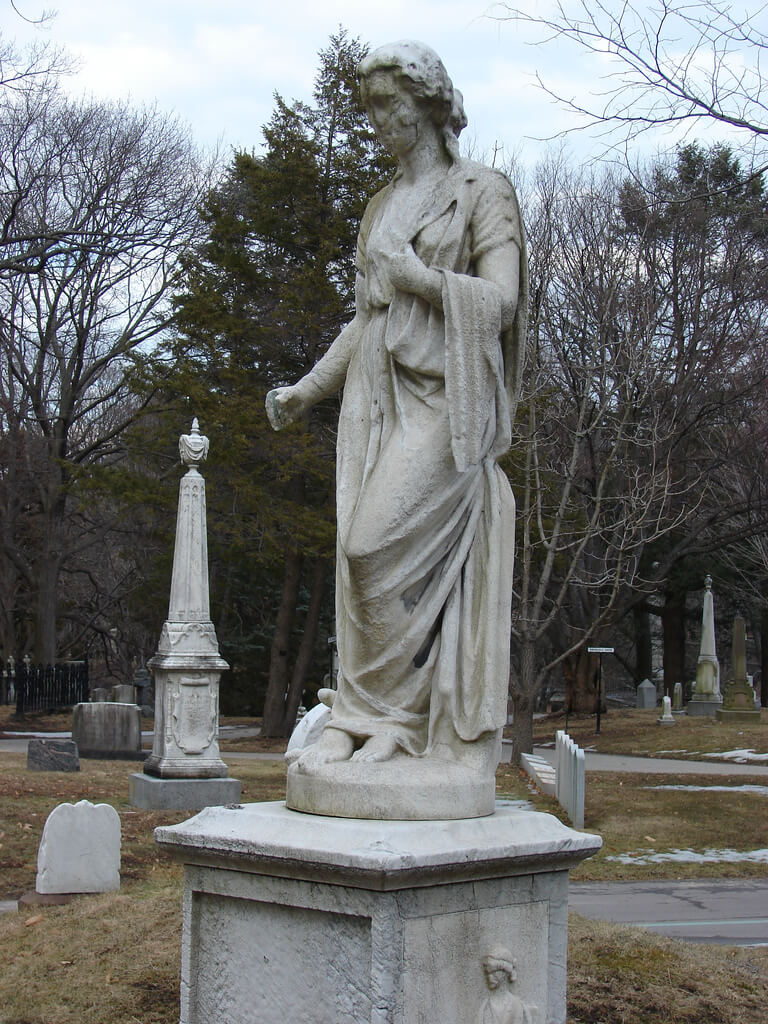
Despite her fame during her lifetime, Lewis faded from public recognition over the decades. Her legacy was kept alive mostly by Black art historians and feminists. However, Lewis and her works have started to regain public attention. She was recently featured in the New York Times “Overlooked” obituary series, which focuses on passed over or forgotten women. Jennifer DeVere Brody, a professor at Stanford University, has worked to bring Lewis’s work back to light. Brody has organized events on Lewis’s work and her book, “Moving Stones,” explored Lewis from a Black, feminist, and queer perspective. Interest in Lewis’s works has surged in recent years. She was the focus of a recent exhibition at the Peabody Essex Museum in Salem called “Edmonia Lewis: Said in Stone.” This exhibit brought together sculptures by Lewis, her contemporaries, and modern artists influenced by her work. A two-part exhibition called “Chisel & Razor: The Artistic Legacies of Edmonia and Samuel Lewis” told the stories of Lewis and her half-brother Samuel who is believed to have helped Lewis fund her formal education. Lewis has seen a profound increase in recognition by the field of art history.
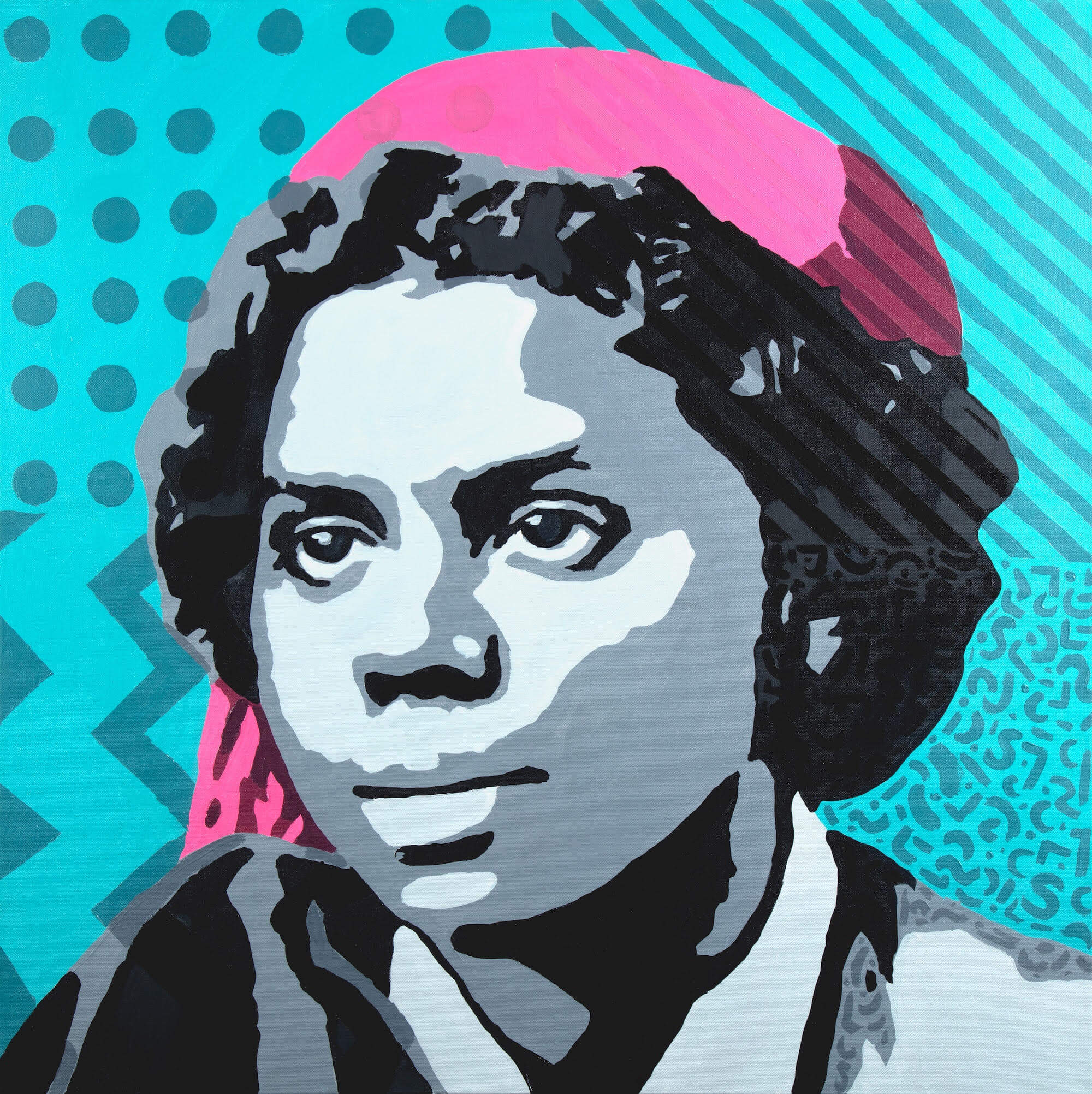
Lewis’s art and the circles she associated with show her deep involvement with the abolitionist cause and the fight for civil rights. She honored and commemorated activists and helped to solidify the image of abolition in the United States and beyond. Though obscure for many decades, Lewis’s work has been highlighted with new exhibitions and has served as inspiration for artists today.
Article by Angelina Hong, edited by Jaydie Halperin
Herself, by Santiago Vergara Mora is on display at The West End Museum as part of the special exhibit “Portrait Project: Honoring 250 Years of Changemakers in Boston”
Curated by Artists for Humanity
On View October 14 – November 15, 2026.
Discover through art the lives and legacies of people like Edmonia Lewis who may not appear in textbooks but whose contributions helped shape the American story.
View powerful paintings, digital prints, and drawings by young creators at the West End Museum, curated by Artists for Humanity.
Source: Allen Memorial Art Museum, “Bust of James Peck Thomas”; Mariana Brandman, “Edmonia Lewis (1844-1907).” (Massachusetts Women’s History Center, n.d.); Britannica Editors, “Charles Sumner, United States statesman,” (Britannica, September 2, 2026); Encyclopaedia Britannica, “Lewis, Edmonia,” (Encyclopaedia Britannia Guide to Black History, 1994-2005); Katherine Mayo “Edward Augustus Brackett.” (Tufts University Digital Collections and Archives, n.d.); Massachusetts Historical Society. “John Brown and the Secret Six,” (n.d.); National Park Service, “Fanny Longfellow,” (Longfellow House Washington’s Headquarters National Historic Site, n.d.); Julie O’Connor, “Edmonia Lewis,” (Friends of Albany History, 2021); Peabody Essex Museum, “Edmonia Lewis: Said in Stone”, on view from February 14 to June 7, 2026, past exhibition; Jeffrey Richmond-Moll, “Artist Edmonia Lewis visited Boston women sculptors in Rome in December, 1865,” (Peabody Essex Museum, December 19, 2025); Hilarie M. Sheets, “Improbably Famous, Then Perpetually Forgotten. Now, the Renaissance of Edmonia Lewis” (The New York Times, February 12, 2026)Smithsonian American Art Museum & Renwick Gallery, “Edmonia Lewis.” (n.d.); The Art Story. “Edmonia Lewis, African and Native American Sculptor.” (n.d.); Adam Tomasi, ed. Sebastian Belfanti. “John Brown: John Brown, Lewis Hayden, and the Abolitionist Support Networks on Beacon Hill,” (The West End Museum, November 11, 2021); Wander Women Project, “Anne Whitney, 1821-1915,” (n.d.); Sandra Weber, “Sculptor Edmonia Lewis: from Albany to Rome, Italy,” (New York Almanack, February 11, 2016); Sahara Willis,“Woman Sculptors in Relation to Antislavery and Women’s Rights Movements,” (Gender & Sexuality in World History, November 29, 2019); Women & the American Story, “Edmonia Lewis: 1844-1907,” (The New York Historical, n.d.); Sara Zaske, “Moving Stones by Stanford professor Jennifer DeVere Brody explores the multifaceted life, and legacy, of Edmonia Lewis, a Black and Indigenous woman who defied the restrictions of the post-Civil War era to achieve success as a neoclassical sculptor,” (Stanford University’s School of Humanities and Sciences, June 10, 2026).