
The Booths in Old Boston
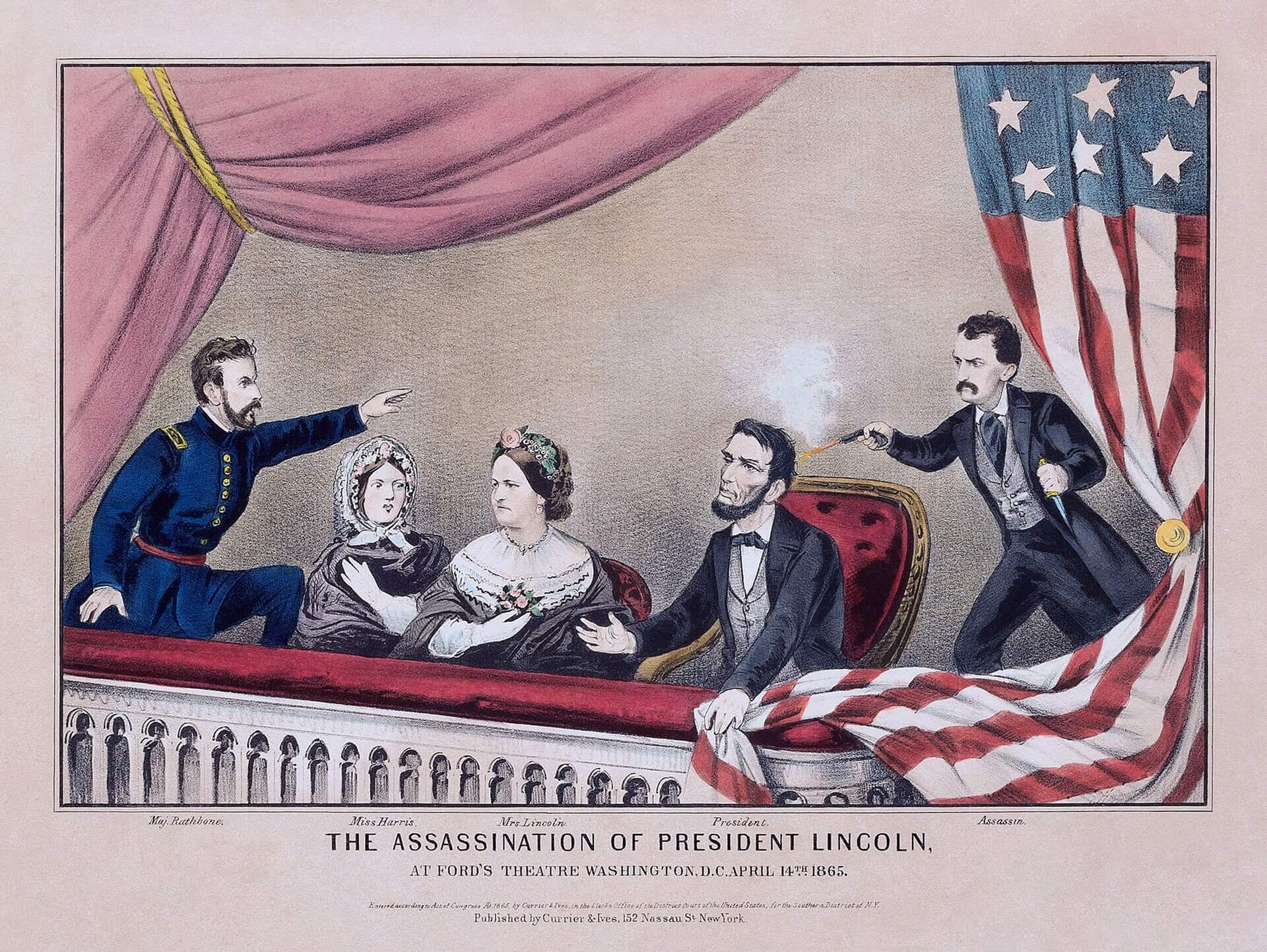
Until his assassination of President Lincoln, John Wilkes was not the most famous Booth. John, his father, and his brothers had graced the stages of Boston on more than one occasion and were known across the country for their acting skills. It was in Boston that Edwin Booth learned about his brother’s notorious crime. Plus, the first time a Booth threatened a president, he did so on behalf of pirates jailed in today’s West End.
John Wilkes Booth has become one of the most famous 19th century actors. While his acting career was standard, it was his assassination of President Abraham Lincoln that put him in the history books. However, many in the Booth family were renowned for their acting. This included the patriarch, Junius Brutus Booth Sr., and his sons, Edwin, Junius Brutus Jr., and John Wilkes. Because of their success, they toured across the country. They even stopped by Boston’s West End and Downtown, to be a part of the city’s amusements and social life.
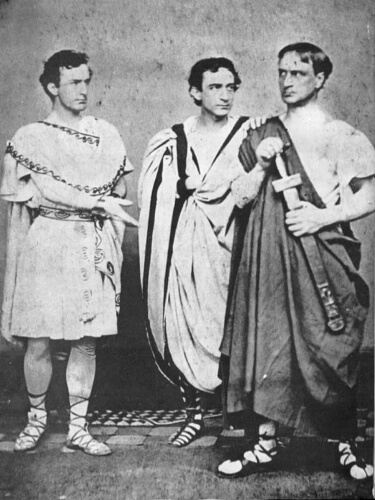
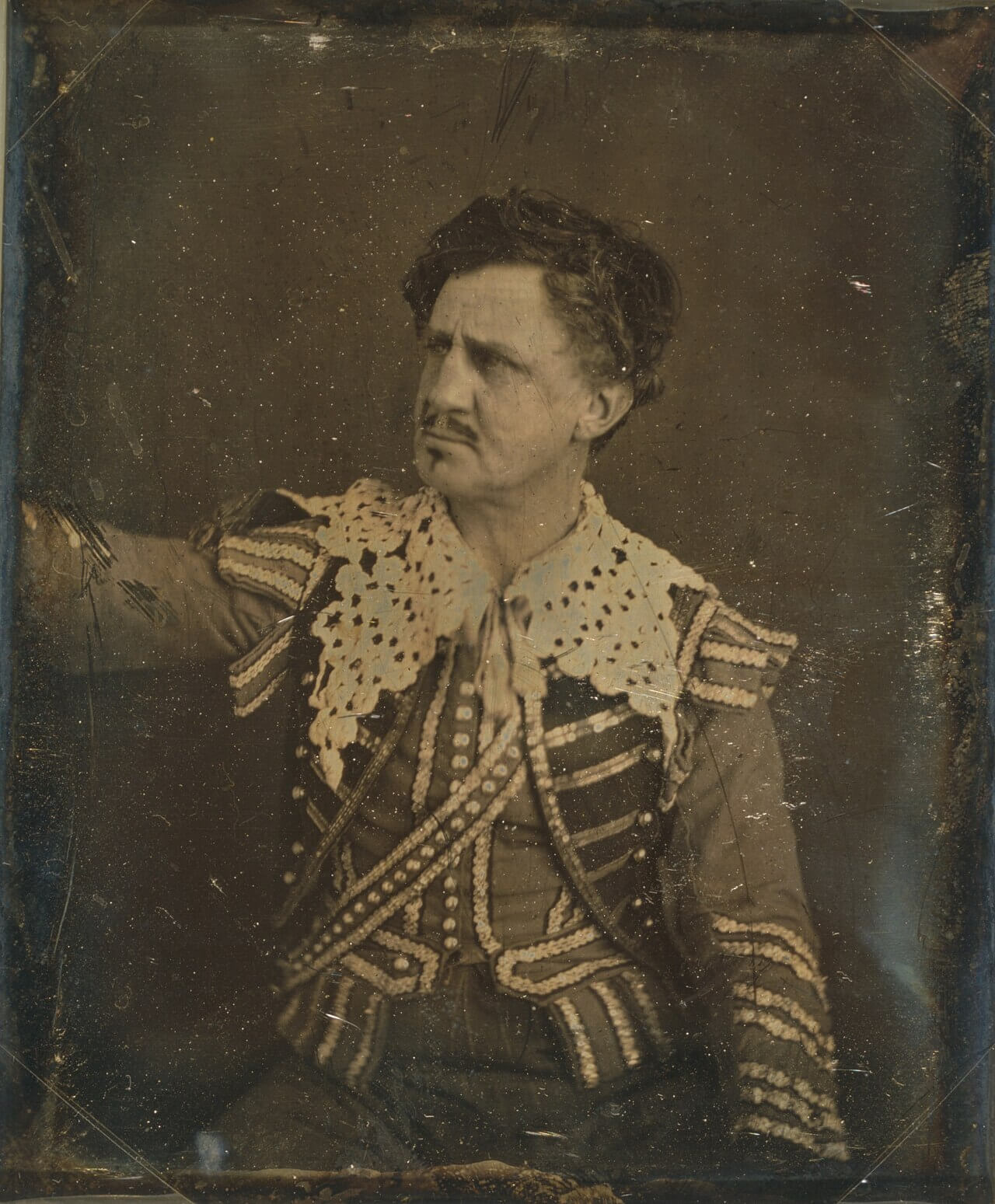
Junius Brutus Sr., a British actor, first moved to the United States with his mistress in 1821. From there, he quickly became a star in American theater. He performed in various Boston theaters. Many of his early performances took place at the National Theatre on Portland Street in the Bulfinch Triangle. Later in his career, he performed at the Howard Athenaeum and the Boston Theatre.
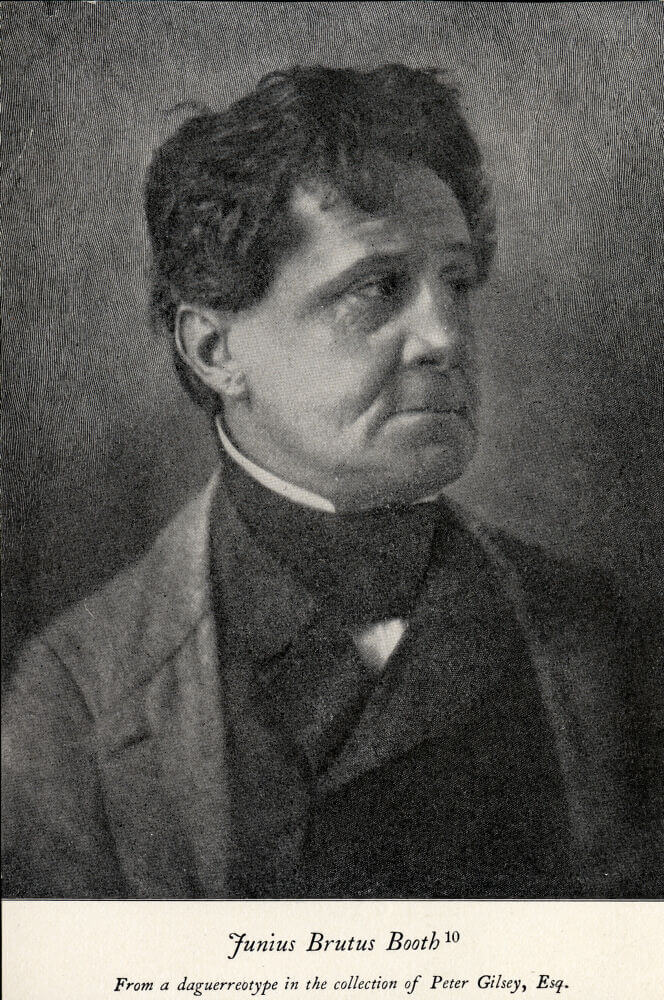
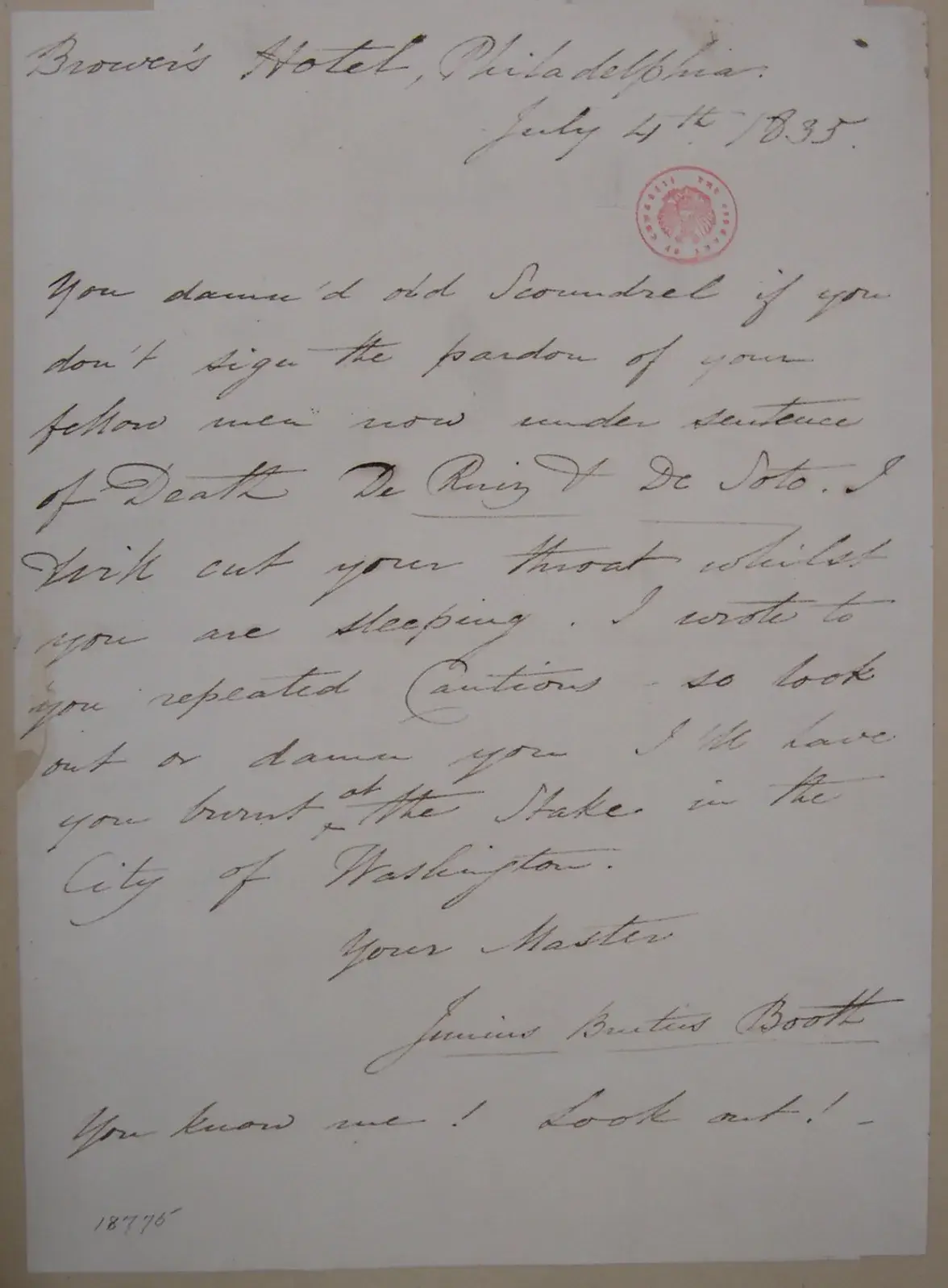
Junius Sr. aggressively involved himself in Boston matters in 1835. During that year, thirteen Spanish pirates under the command of Don Pedro Gilbert were being tried for piracy. They were held at the Leverett Street Jail in the West End. Junius caught wind of the trial, and on July 4th of that year, he sent a personal letter to President Andrew Jackson from his Philadelphia Hotel. He wrote,
“You damn’d old Scoundrel if you don’t sign the pardon of your fellow men now under sentence of Death, De Ruiz and De Soto, I will cut your throat whilst you are sleeping. I wrote to you repeated Cautions, so look out or damn you I’ll have you burnt at the Stake in the City of Washington […] You know me. Look Out!”
This shocking behavior was a common occurrence for Junius. He drank frequently and had bouts of depression and abusive behavior. He was known for attacking his co-stars and friends during these periods. It is not clear if Jackson read the letter, but he partially granted Junius Sr.’s wish. The pirate Bernardo De Soto was pardoned for aiding an American ship a few years before he committed a crime. Francisco Ruiz’s execution was put on hold due to his insanity.
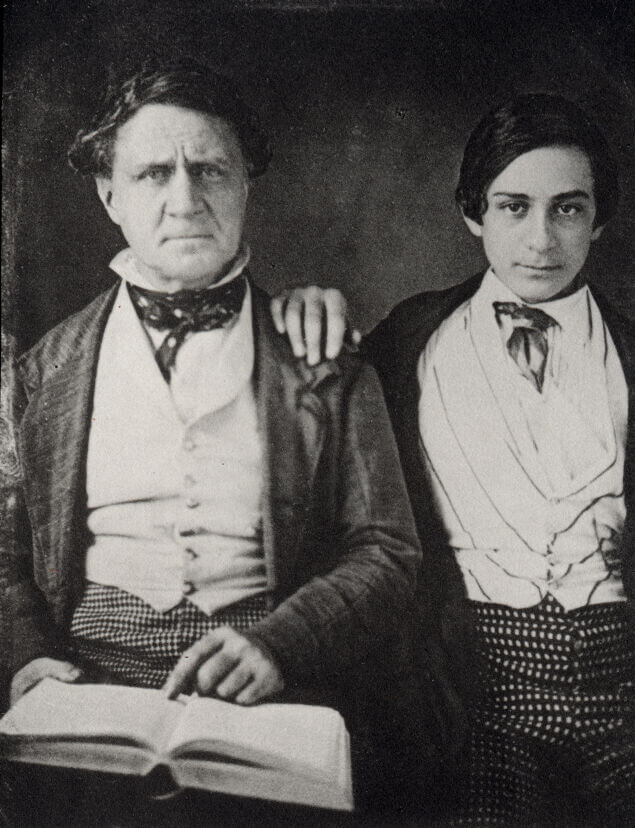
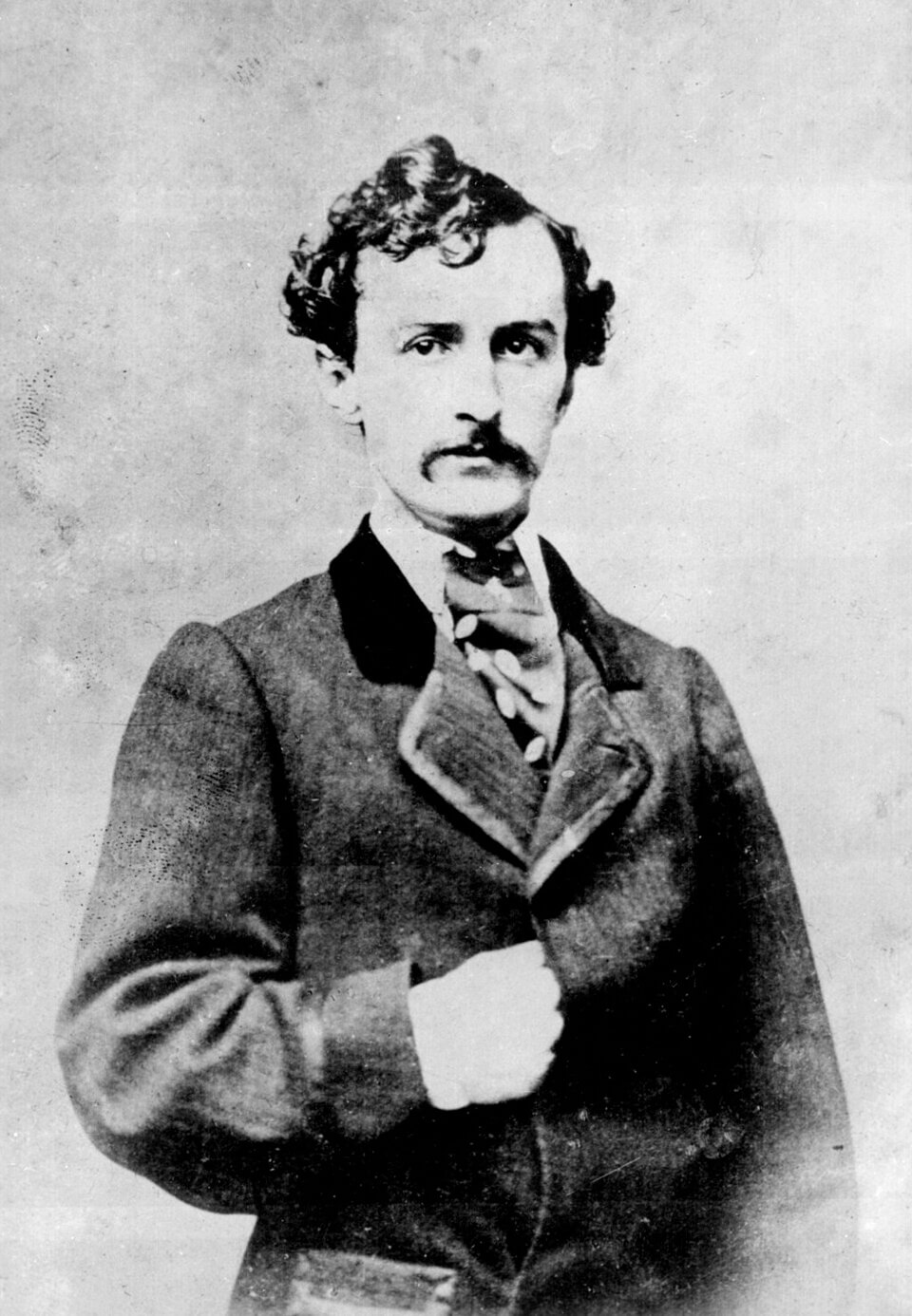
Out of all the Booth men, Edwin was the biggest celebrity. He was world-renowned for his tours in the United States, Europe, and Australia. His portrayal of his most well-known role, Hamlet, was highly praised. He started out his acting career at the Boston Museum in Scollay Square during a performance of an adaptation of Richard III as the character Tressel. Edwin, an awkward teenager then, had been aiding his father on a tour when the original actor for Tressel backed out at the last minute. As he matured as an actor, Edwin frequently performed at the Boston Theatre and the Boston Museum in several tragic roles.
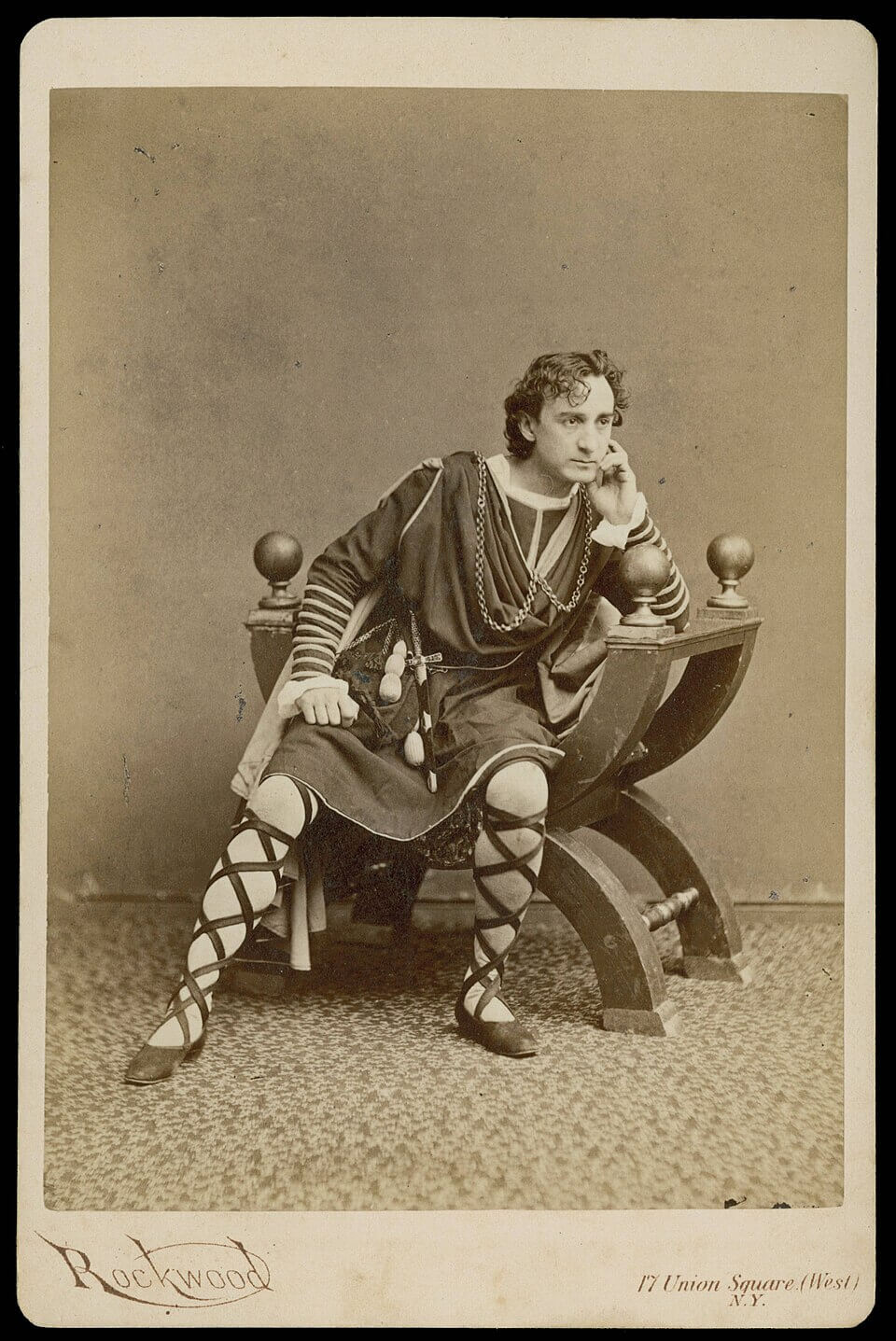
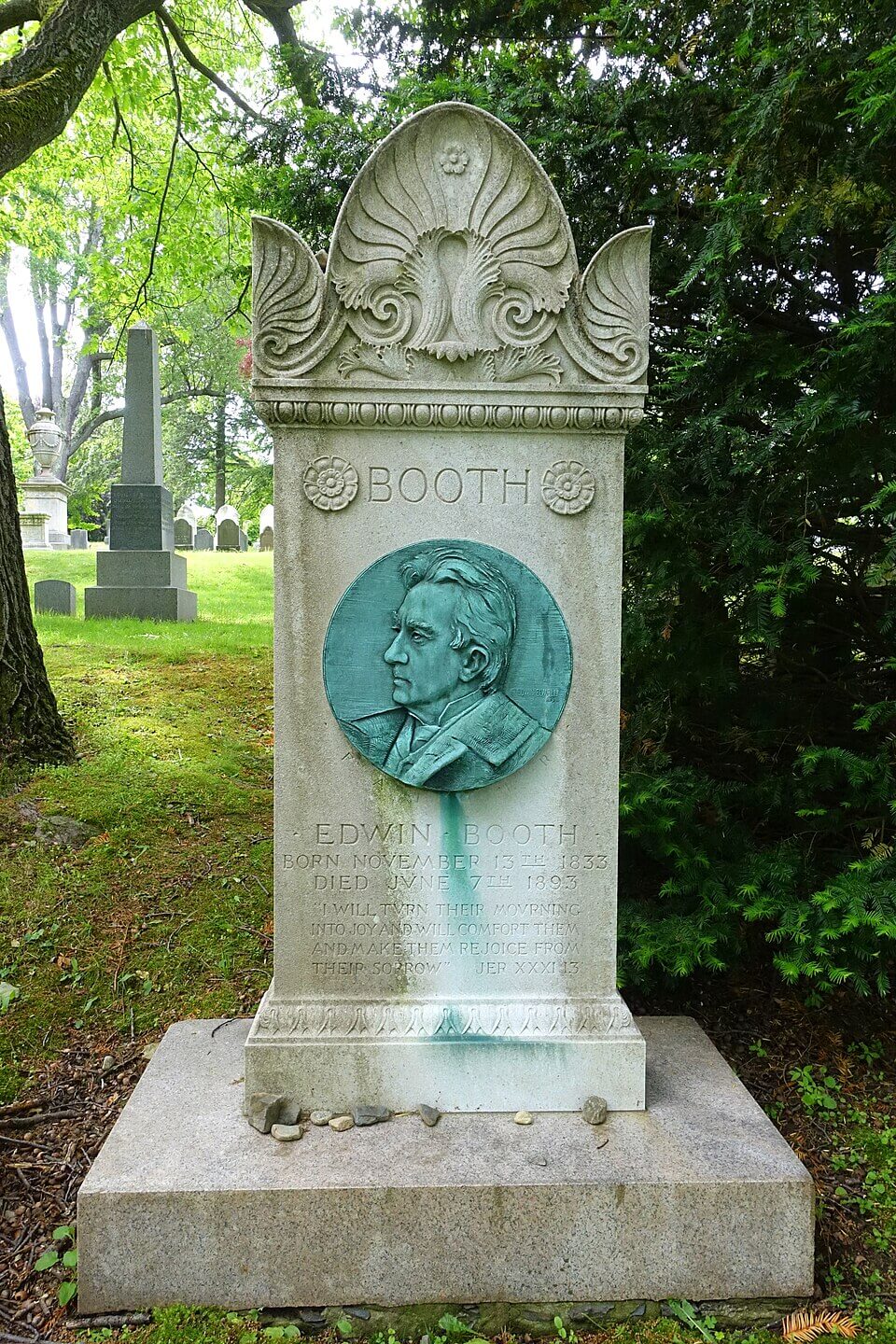
Edwin was fond of Boston. He had property there, and his descendants made the Hub into their home. His main residence was on Chestnut Street in the affluent Beacon Hill. As he grew close to retirement in the late 1880s, newspapers reported that he planned to make Boston his permanent home. When Edwin passed away on June 7, 1893, his body was taken to Boston and laid to rest in Mount Auburn Cemetery. His funeral had 400-500 of his colleagues, many of them were from the Greater Boston area.
Edwin was also staying in Boston at the time of his brother’s assassination of the president. By this time, Edwin and John were at odds with each other. Edwin was pro-Union and a Lincoln supporter, while John sympathized strongly with the Confederacy. Edwin was not told at first of John’s attack on the president until the next day, the morning of April 15, 1865. As he walked through the streets of Boston, an angry mob spotted him and chased him into a shop, where he finally heard the news. After this, Edwin resigned from acting for a year and denounced his brother.
John Wilkes Booth, unlike his brother Edwin, did not often perform in Boston. While his family’s stardom helped his career, people saw him as an unsophisticated actor. He flubbed his lines multiple times and did not exude the confidence of his tragedian brother Edwin. A Boston paper, the Boston Daily Advertiser, reported that John was “ignorant of the main principles of elocution” during a performance in Mary of 1862. When John performed in Boston, he did it in the Boston Theatre or the Boston Museum, sometimes accompanied by Edwin.
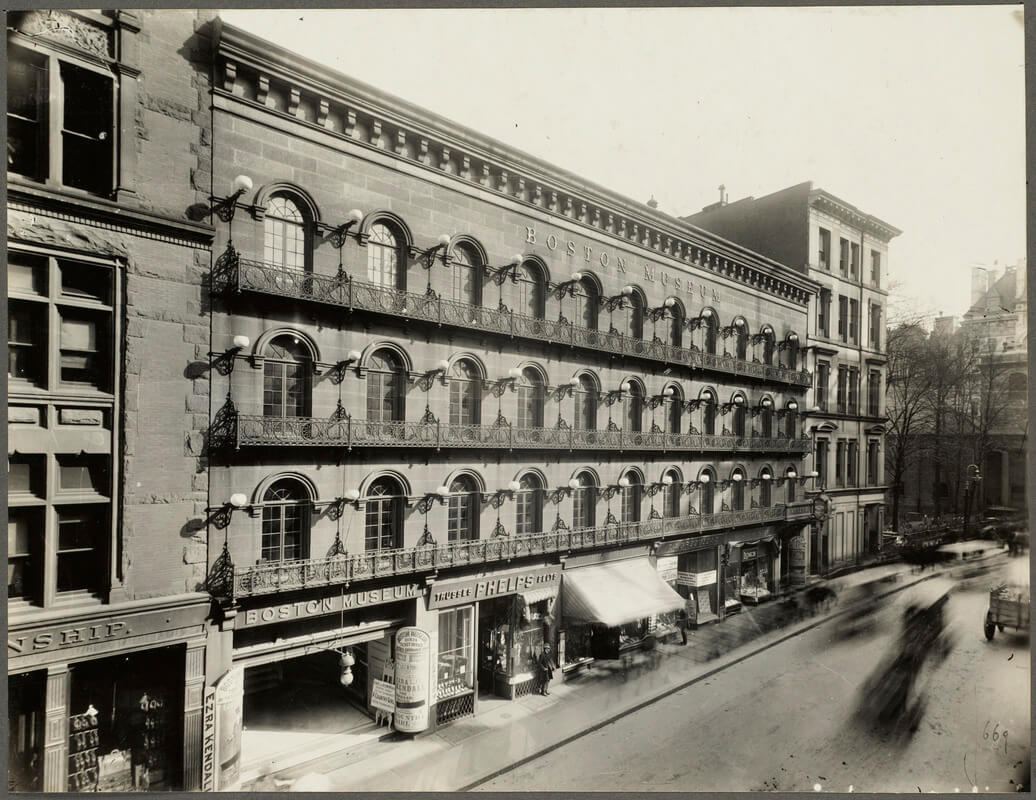
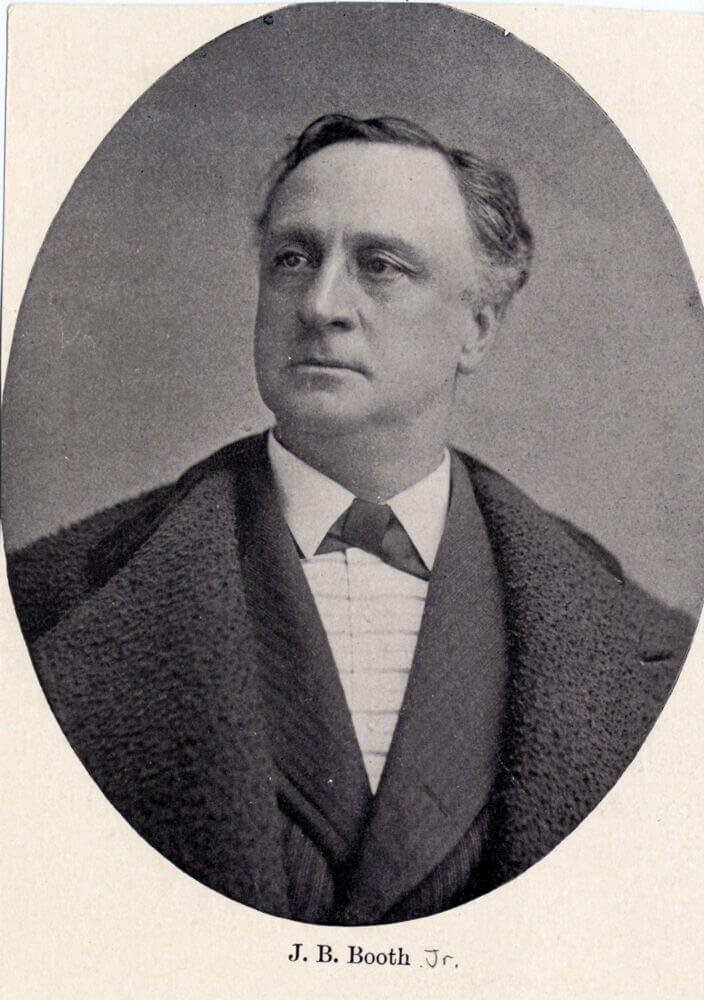
Other members of the Booth family were actively involved in Boston’s arts scene. The oldest of the brothers, Junius Brutus Jr., was also an actor. He later became a theatre manager and managed the Boston Theatre for several years. Descendants of the Booth family also made Boston and the surrounding area their home.
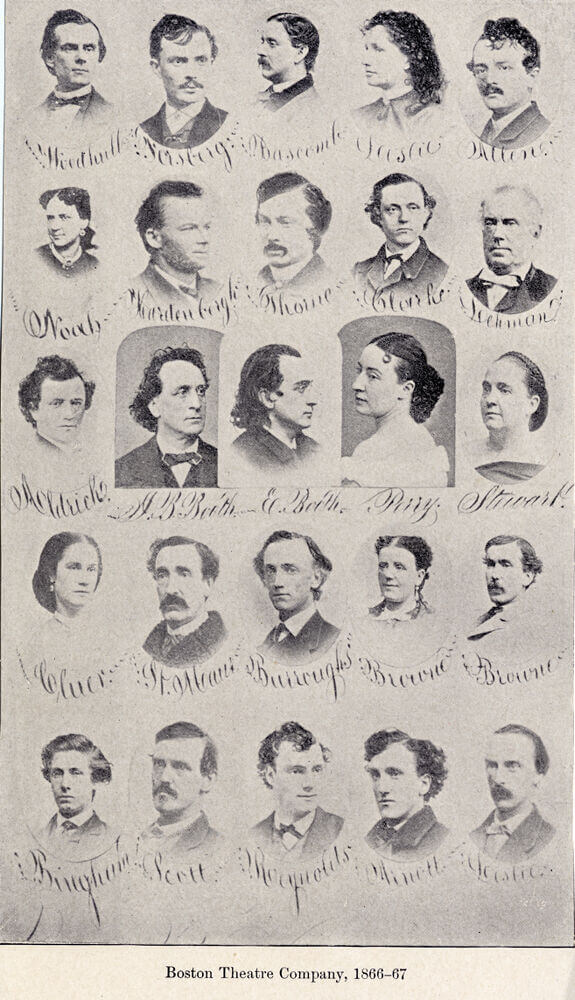
For a time, the Booth family was active in the theaters and social life of Boston. For many of them, Boston was a comfortable home. However, the legacy of the successful acting family has been forever tarnished by John Wilkes Booth’s morbid obsession with the Confederacy and his crime which changed the history of the United States forever.
Article by Abigail Bettencourt, edited by Jaydie Halperin
Sources: Atlas, May 14, 1845, November 23, 1846; September 4, 1847, September 9, 1847, December 3, 1852; Bangor Daily Whig Courier, June 10, 1885; Boston Courier, March 22, 1838, November 23, 1846; Boston Daily Advertiser, April 13, 1857, May 19, 1862; October 20, 1862, November 17, 1862, November 24, 1862, October 27, 1863, April 25, 1864, April 1, 1865, September 6, 1866; Daily Evening Bulletin, February 19, 1877, September 30, 1887; Daily Inter Ocean, May 23, 1892; Lowell Daily Citizen, May 25, 1868; New Haven Palladium, December 29, 1865; New York Herald, September 20, 1857; North American, February 23, 1863, March 29, 1886; Portland Oregonian, June 10, 1893; St. Louis Globe-Democrat, March 9, 1884.