
Mills, Canals, and Roads, Oh My!: Eminent Domain in Massachusetts's Early Republic
In the Early Republic period, the newly independent Commonwealth of Massachusetts allowed private mill owners, turnpike corporations, and landlocked landholders to use eminent domain to kickstart industrial development. Mills, canals, and roads were important to the development of the industrial revolution and eminent domain proved to be the best tool to make them possible.
After the American Revolutionary War, the United States still relied on British manufactured goods. The young United States’ own economy was still based on agriculture. Goods like cloth, cookware, processed metal, and window glass had to be imported from the more industrialized Britain. Then, the Embargo Act of 1807 cut off the nation’s access to British goods. It was clear that Americans needed their own ways to produce the necessary goods. This drive for innovation led to the First Industrial Revolution. It became the first period of manufacturing growth for the new country.
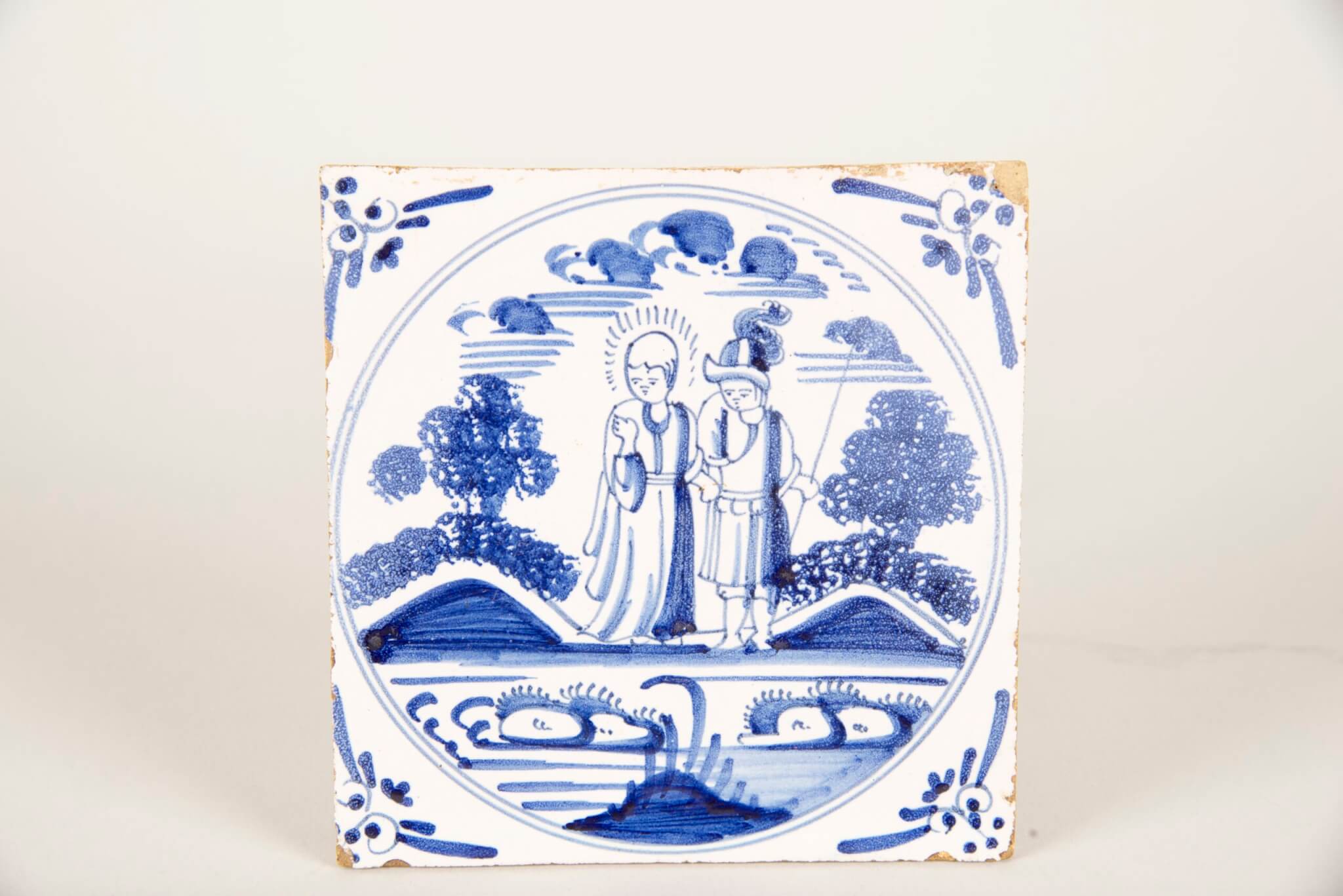
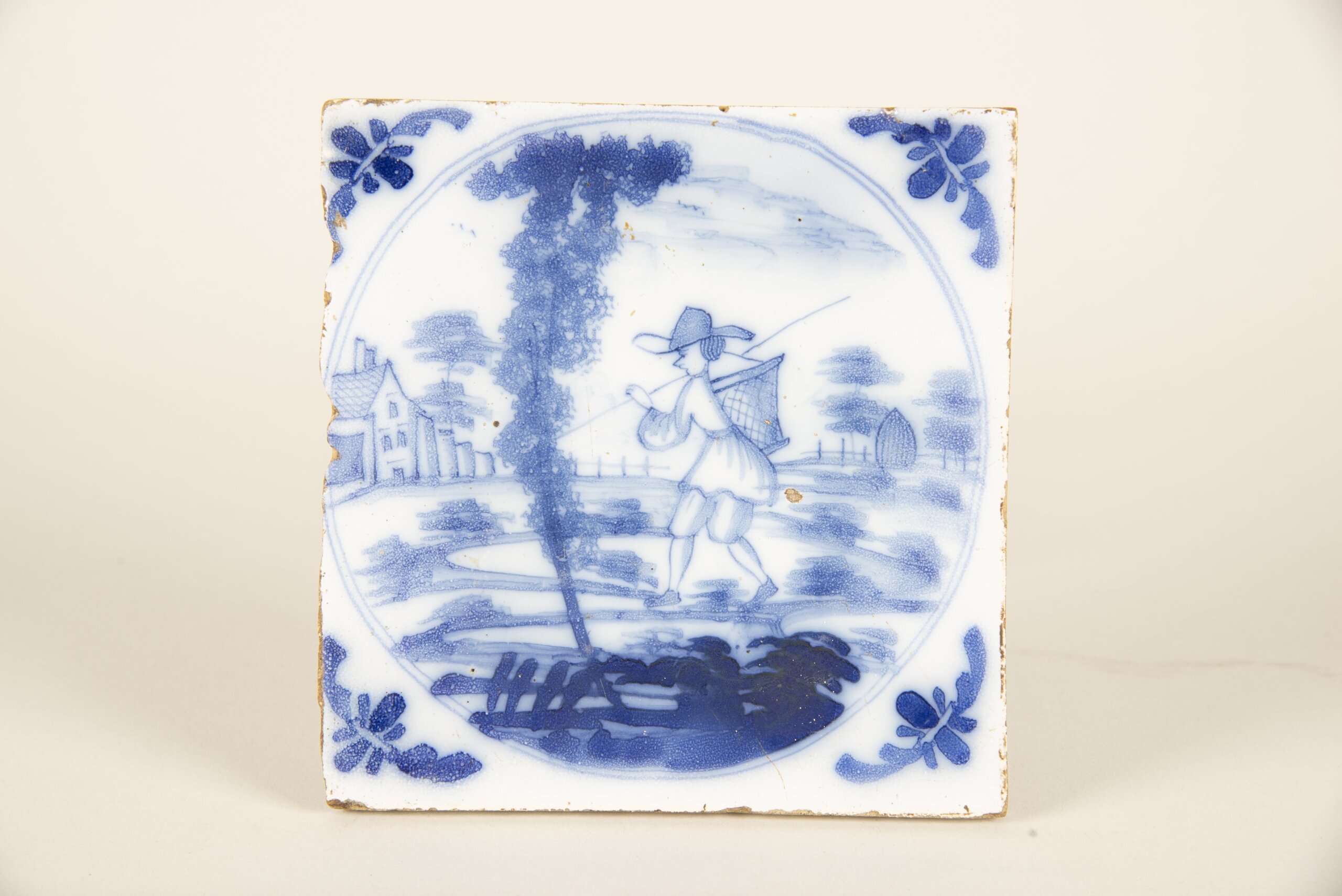
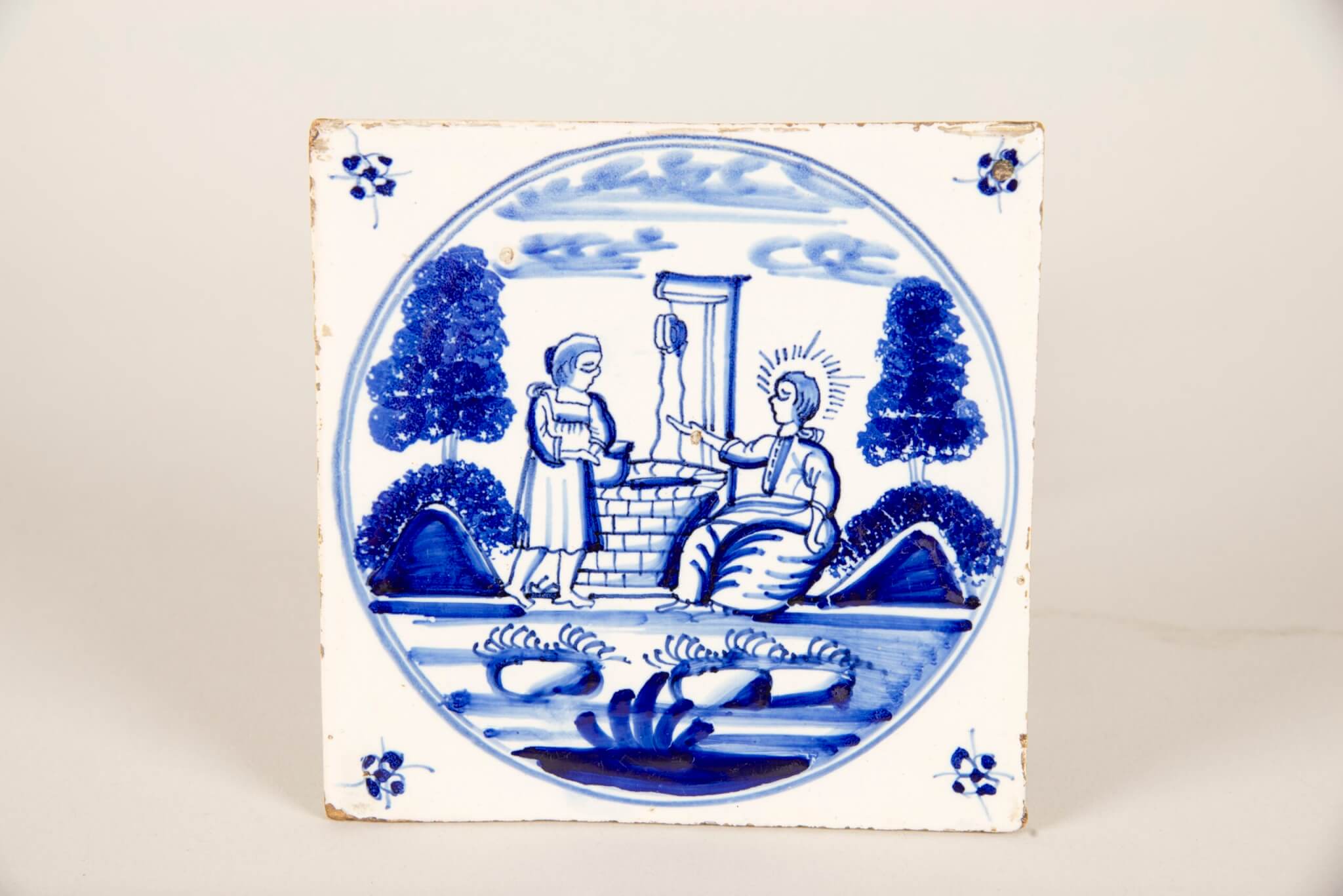
(Left) Imported tile from the Governor Winslow House showing a couple, (Center) Delft imported tile showing a pastoral scene, (Right) imported tile, likely from Bristol, England showing the Biblical story of Rebecca and Abraham’s servant at the well. Tiles c. 1600s-1700s (Courtesy of Revolutionary Spaces).
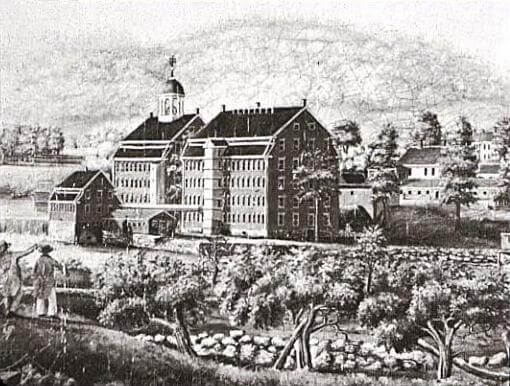
This need for industrialization led to increased numbers of mills, roads, and canals. In turn, the construction led to more advancements in technology. Early grist, saw, and paper mills processed raw materials that people needed for food, construction, and other needs. Waterwheels drove millstones, saws, screw machines, and looms. Later mills of the industrial revolution would process raw goods into finished products ready for market.
Roads and canals provided the transportation system necessary to make this growth possible. Canals were especially important since water offset the weight of heavy cargo such as coal or lumber. They offered a faster and reliable method of transport for these materials when compared to overland travel. To make the growth of industry possible, the state and private companies needed land and rights of way to run their new ventures. Eminent domain filled that exact role. Its importance was such that James Madison ensured it was part of the Fifth Amendment. Although he included a clause that required owners be given compensation for their property.
The Massachusetts Mill Acts
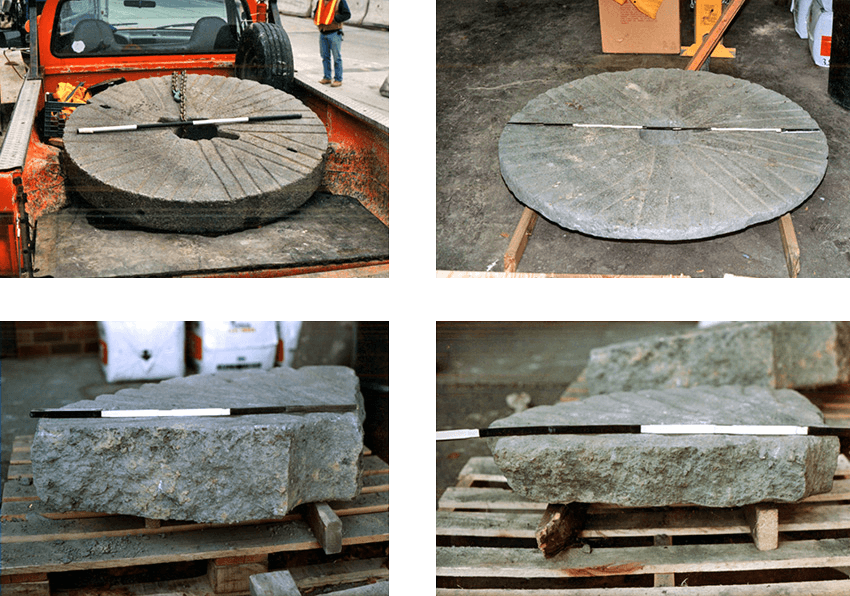
The first Mill Acts in Massachusetts were passed during the British colonial era. They allowed mill owners to flood other people’s land using dams to store the water necessary to operate their mills. These reservoirs helped increase the amount of water pressure mill owners could use to more consistently drive their water wheels and turbines. Colonial society depended on farming crops like wheat and barley. Eminent domain was used to obtain the land necessary to create saw mills and grist mills which turned those crops into flour. Besides their primary purpose of processing grain and lumber, mills were gathering places. They were social hubs for farmers who might live far from one another and townsfolk.
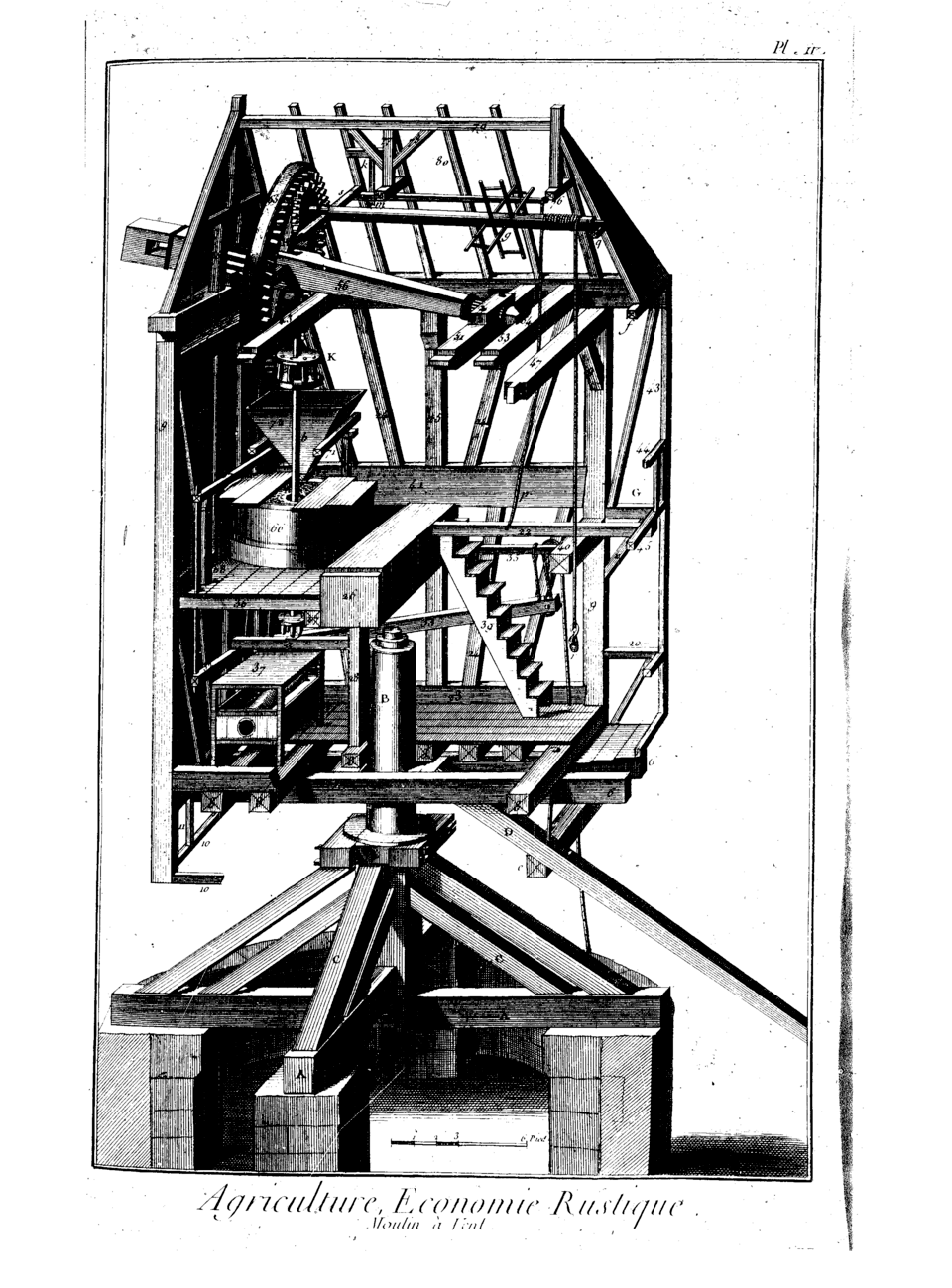
Yet the Mill Acts of the late 18th and early 19th centuries allowed eminent domain seizures to develop manufacturing plants. These were a series of laws, passed under the post-revolutionary Massachusetts government, which had a huge impact on the legal process behind industrialization. The mills created under the Mill Acts were private water power mills, not spaces available to the public. Thus, the idea that taking land through eminent domain should be for constructing mills for public use was weakened.
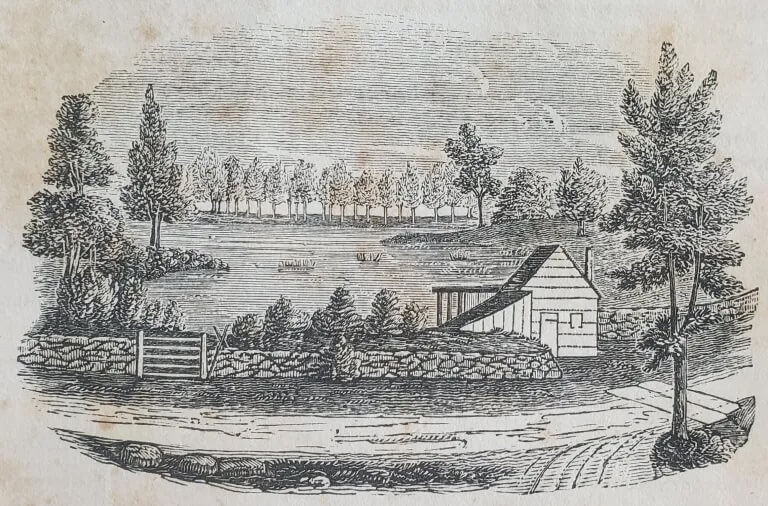
At the same time, Massachusetts strongly supported another aspect of eminent domain. This was the belief that people should get fair compensation for land seized by the state. The Massachusetts Mill Acts allowed private individuals to take others’ property in exchange for money. Rather than a lump sum, damages were often given as yearly sums. Mill owners insisted that these Acts were crucial for them to conduct their work. But it is not surprising that tensions still arose between mill owners and farmers. Still, the Mill Acts allowed the broadening of the scope of what could be taken by eminent domain and why.
Early Roads and Turnpikes
Along with mills, the building of roads was a major reason for the use of eminent domain in the 18th century. In fact, the first documented use of eminent domain under British rule was to build a road in Massachusetts in 1639. Following independence, roads continued to be one of the primary reasons for land takings via eminent domain. Public roads were usually built without much opposition because of their public use. However, private roads would prove to be a more complicated issue.
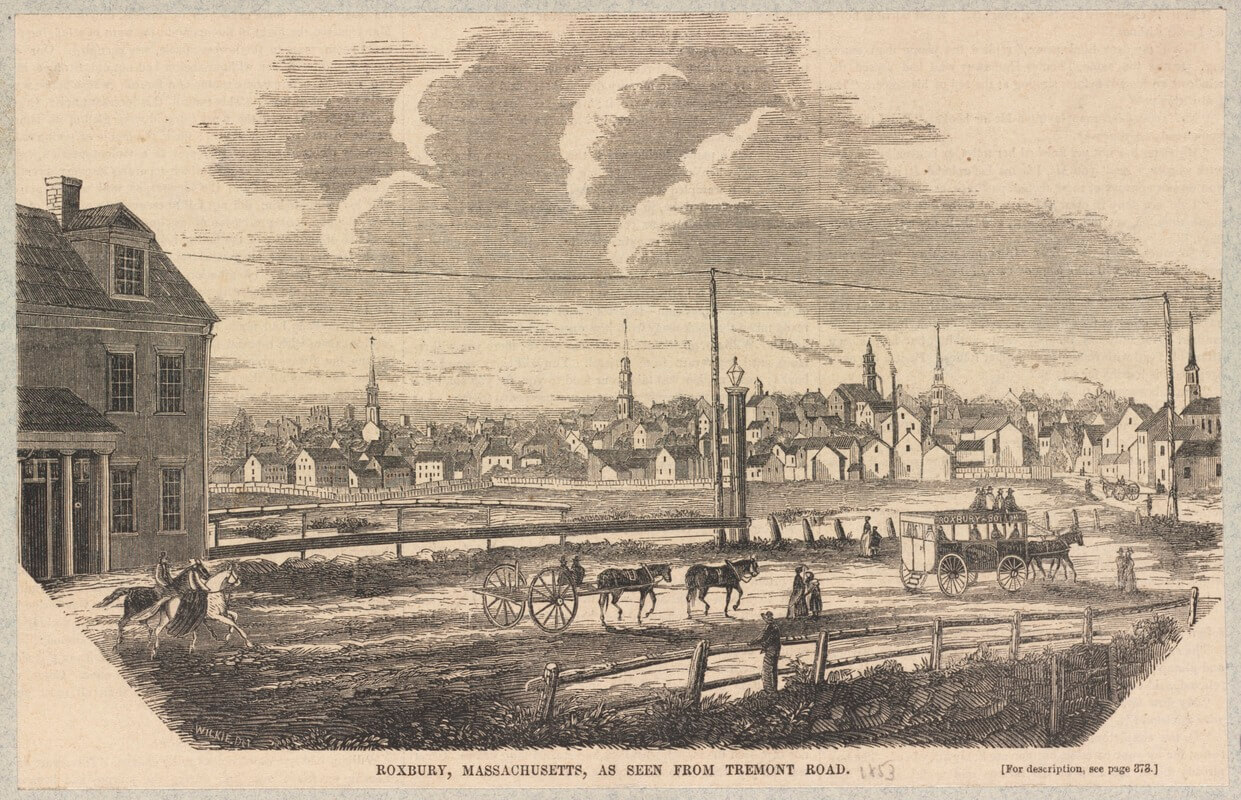
A private road was built and paid for by a town but only connected private property to public roads, often through others’ property, similar to a modern driveway easement. Landlocked-owner statutes allowed private individuals to take land to build private roads. Landlocked owners who needed to connect their land to the public roads would use eminent domain to build a road that, effectively, they would be the only ones to use. This, at least at face value, did not align with the clause in the Constitution that eminent domain must be used for public use. Courts devised ways to sidestep around this issue. One useful argument was that, at the time, the country was largely wilderness. If the United States were to develop, the argument went, such land takings were necessary. Still, land takings for private roads were regularly met with opposition.

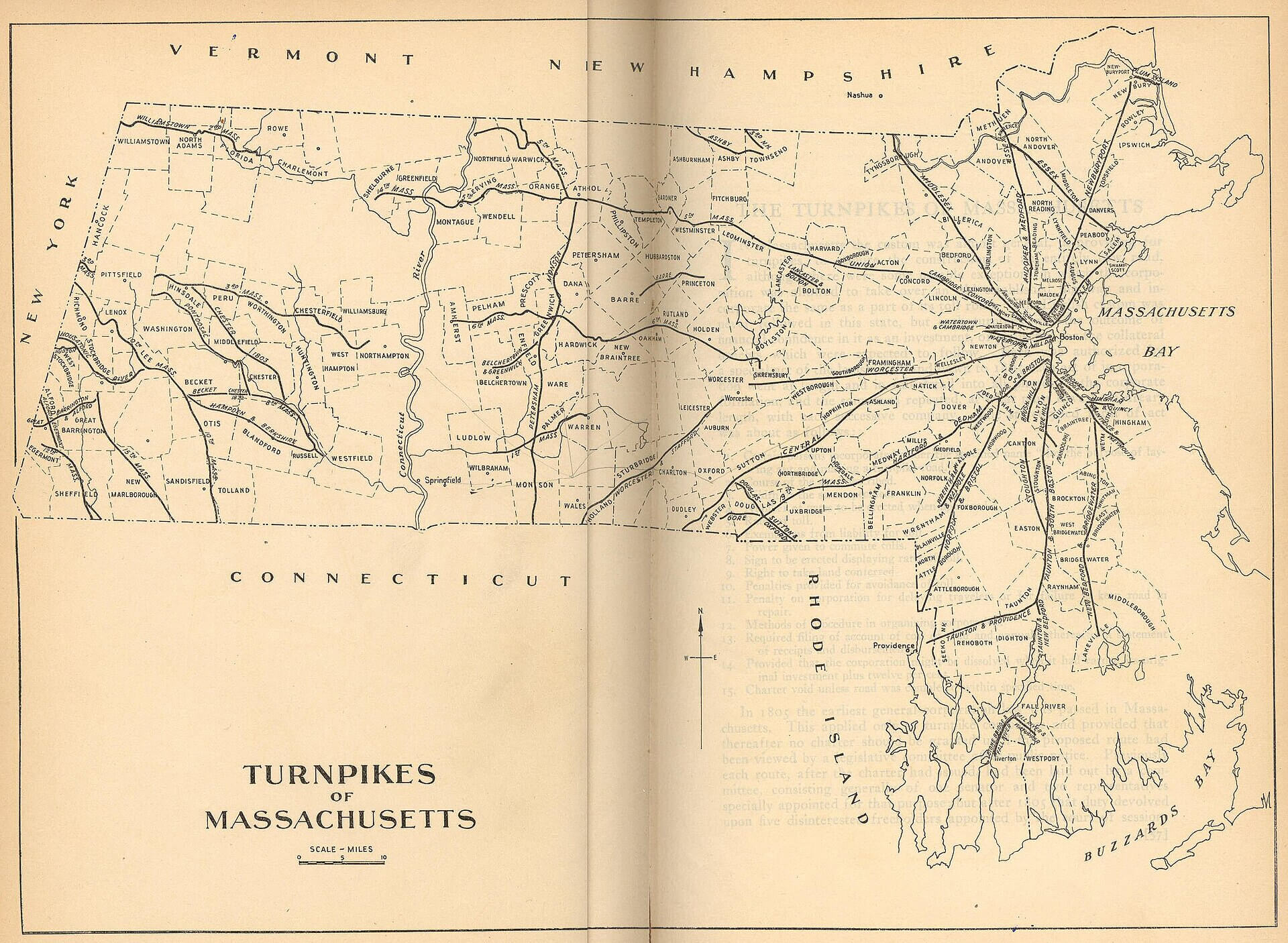
Turnpikes, on the other hand, encountered fewer legislative challenges for using eminent domain. These were chartered highways that charged a fee or a toll to use their road. From 1792 to 1850, the Massachusetts General Court granted 118 charters for turnpike corporations. In 1805, the commonwealth passed a General Law of Canals and Turnpikes, which cemented their right to exercise eminent domain. The Middlesex Turnpike, for example, received its charter in June of 1805 and included the right to use eminent domain. It ran from East Cambridge all the way to Tyngsborough. As was the case for mills, using eminent domain to create roads was often debated. However, the process would prove invaluable to efforts to develop the country’s early infrastructure.
Early Canals
Canals revolutionized trade and contributed to economic growth during this period. They connected new industrial areas with resource-rich regions and facilitated trade and travel. They improved the movement of goods, reduced shipping costs, and generated toll revenues. Canals, engineering marvels for their time, helped vibrant communities to grow along their banks. A prime example of design ingenuity and economic success was the Erie Canal in upstate New York, opened in 1825. Within its first year of operation, the Erie Canal recouped its construction costs in toll revenues. It became a crucial trade route, transporting goods and raw materials throughout the region.
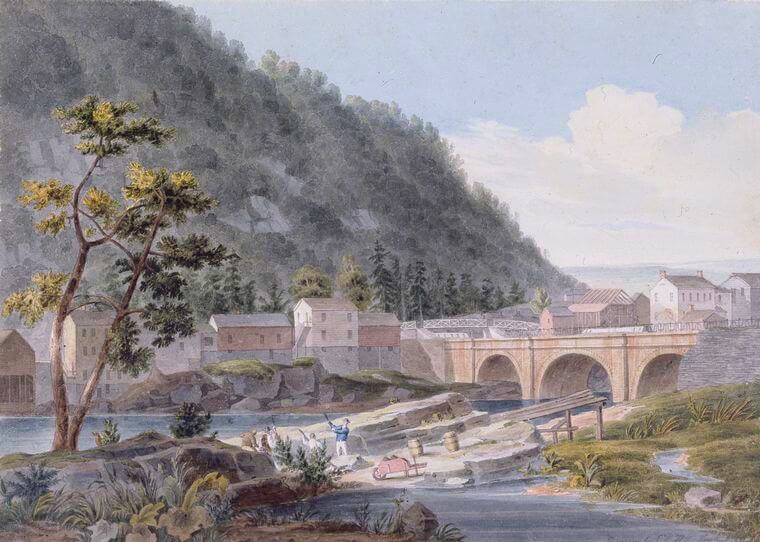
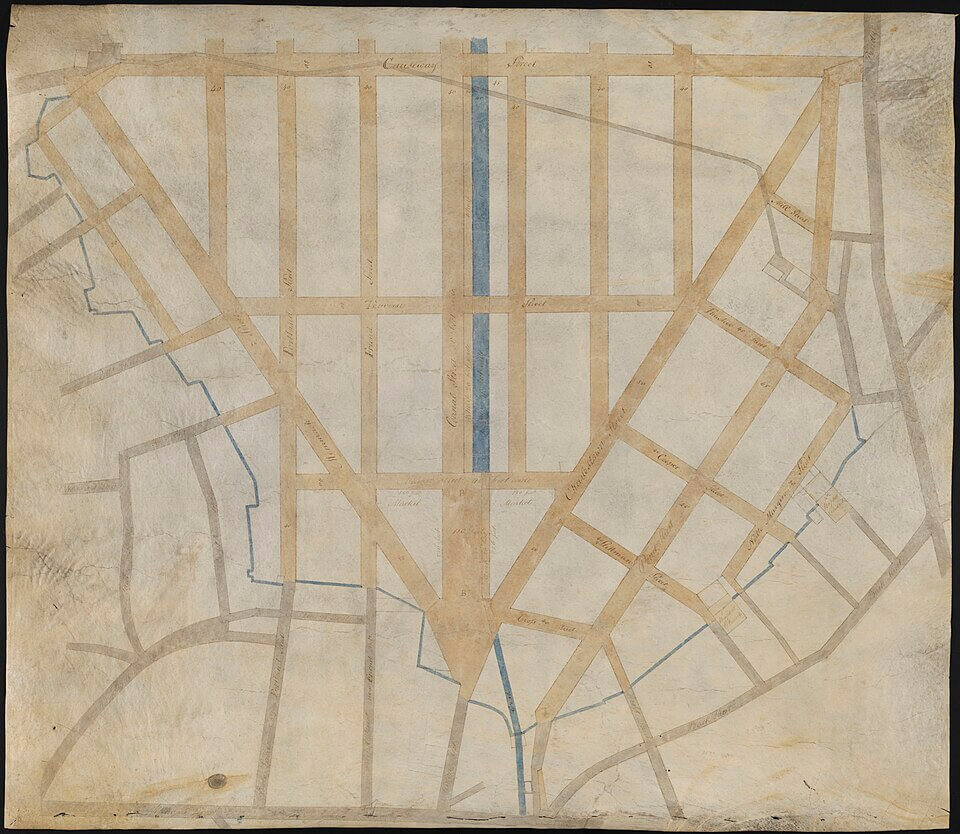
Canals were significant in industrial and economic growth throughout the United States during the First Industrial Revolution. Massachusetts was no exception. The Middlesex Canal was the brainchild of thirteen wealthy, powerful men. They wanted to create a water transportation system in Massachusetts. In 1793, the proprietors of the Canal petitioned the Massachusetts General Court for a charter. This gave them the right to collect tolls and to take needed land by eminent domain. They used this authority to acquire land sixteen times during construction. Their canal was completed in 1803 and the first boats transversed the canal in 1804. It connected Chelmsford’s Middlesex Village and Charlestown in Boston. A section leading inland to Boston’s Haymarket ran through the Bulfinch Triangle in the West End. This is the origin of the West End’s aptly named Canal Street.
Eventually, canals became obsolete and were cast aside in favor of railroads. The new technology was faster, more flexible and could operate in the winter months when canal waters froze. The Boston & Lowell Railroad would become the Middlesex Canal’s greatest rival and, ultimately, the reason for its demise. However, canals had already made their mark on early American industrialization. Eminent domain made early infrastructure, canals, mills, and roads possible. It played a critical part in this chapter of American history. These early uses of eminent domain set the stage for railroad companies to use the same process to build their lines and sometimes upset the turnpikes and mills that once used the same powerful tool.
Article by Angelina Hong edited by Jaydie Halperin
Sources: Rebecca Beatrice Brooks, “Massachusetts in the Industrial Revolution.” (History of Massachusetts Blog, 28 December, 2016); Mary Stetson Clarke, The Old Middlesex Canal. (Easton, PA: Center for Canal History and Technology, 1974); Daniel B. Klein & John Majewski, “Turnpikes and Toll Roads in Nineteenth-Century America.” EH.Net Encyclopedia (Economic History Association, February 10, 2008). John Kramer, “Pennsylvania Supreme Court Rules for Private Property Rights in Key Post-Kelo Decision.” (The Institute for Justice, October 5, 2010). Michael Malamut, “The Power to Take: The Use of Eminent Domain in Massachusetts,” White Paper no.15, (Pioneer Institute for Public Policy Research, December 2000); Errol E. Meidinger, “The ‘Public Uses’ of Eminent Domain: History and Policy,” Digital Commons @ University of Buffalo School of Law. 11 Envtl. L. 1, University at Buffalo School of Law, Fall 1980;Fred Merriam,“Timeline: Middlesex Canal Toll House.” Chelmsford Timelines, (Town of Chelmsford); Mysteries of Mankind, “Transport,” Mysteries of Mankind, 22 June 2026; Thomas Raphael, “Of Canals, Turnpikes, and Railroads,” Towpath Topics, Volume 30, No. 1, September 1991; Robert Winters, “Middlesex Canal Facts,” Cambridge Civic Journal (Middlesex Canal Association, March 26, 2019).